Random Windows Spotlight images
page 8 / 10
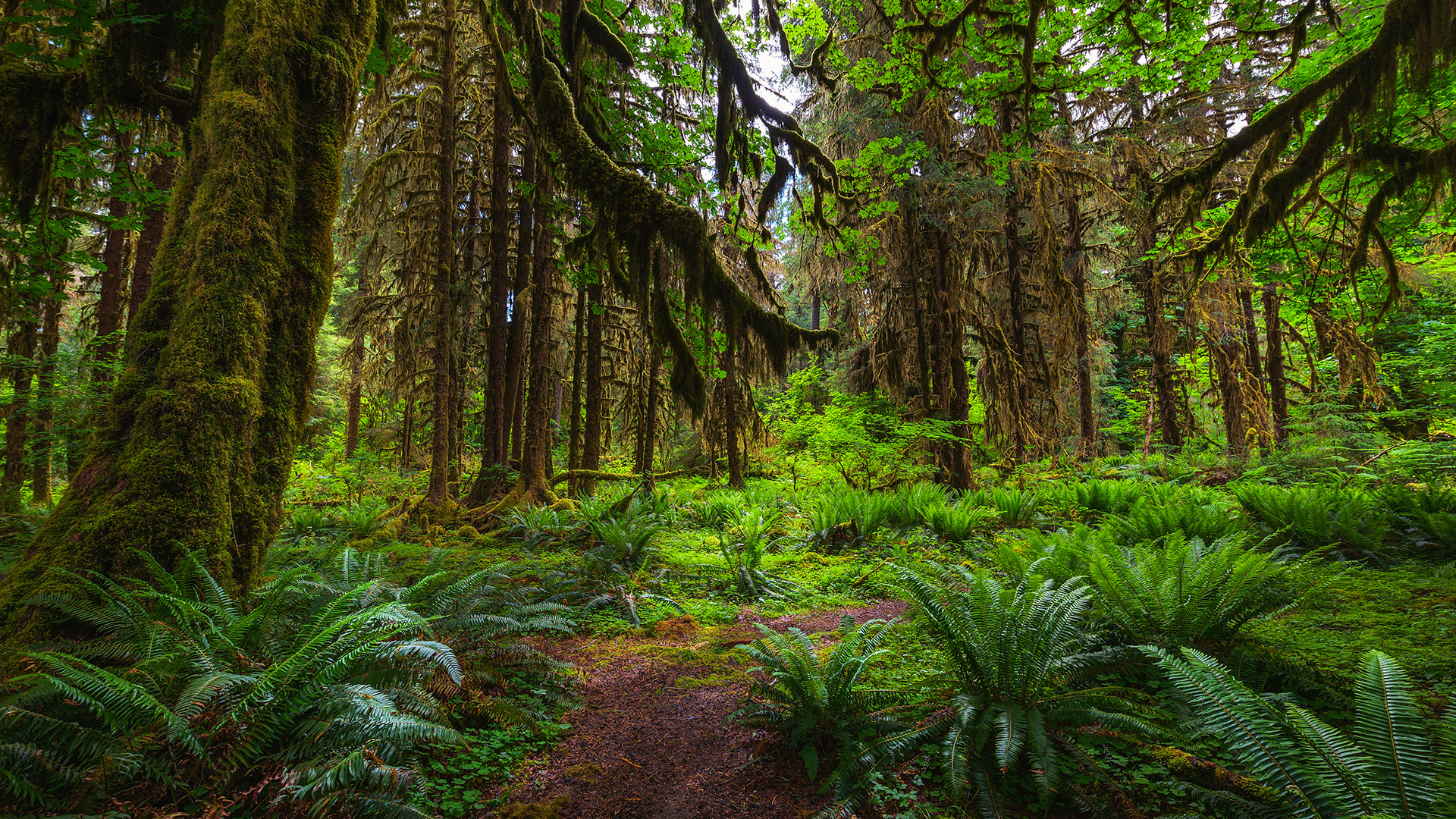
Hoh Rainforest, Washington
The western slopes of the Olympic Mountains on Washington's Olympic Peninsula offer the cool, shady environs of the Hoh Rainforest. Up to 14 feet of rain falls on this area of Olympic National Park each year, nourishing the mosses, ferns, and lichens that lend the forest a lush feel. A temperate rainforest, the Hoh's canopy features Sitka spruce and western hemlock trees that tower as high as 300 feet above the forest floor. Even when these giants fall, they continue to shape the forest: as they decay, they create nurse logs that provide a foundation for young saplings eager to join the ranks of the massive trees that populate the forest.


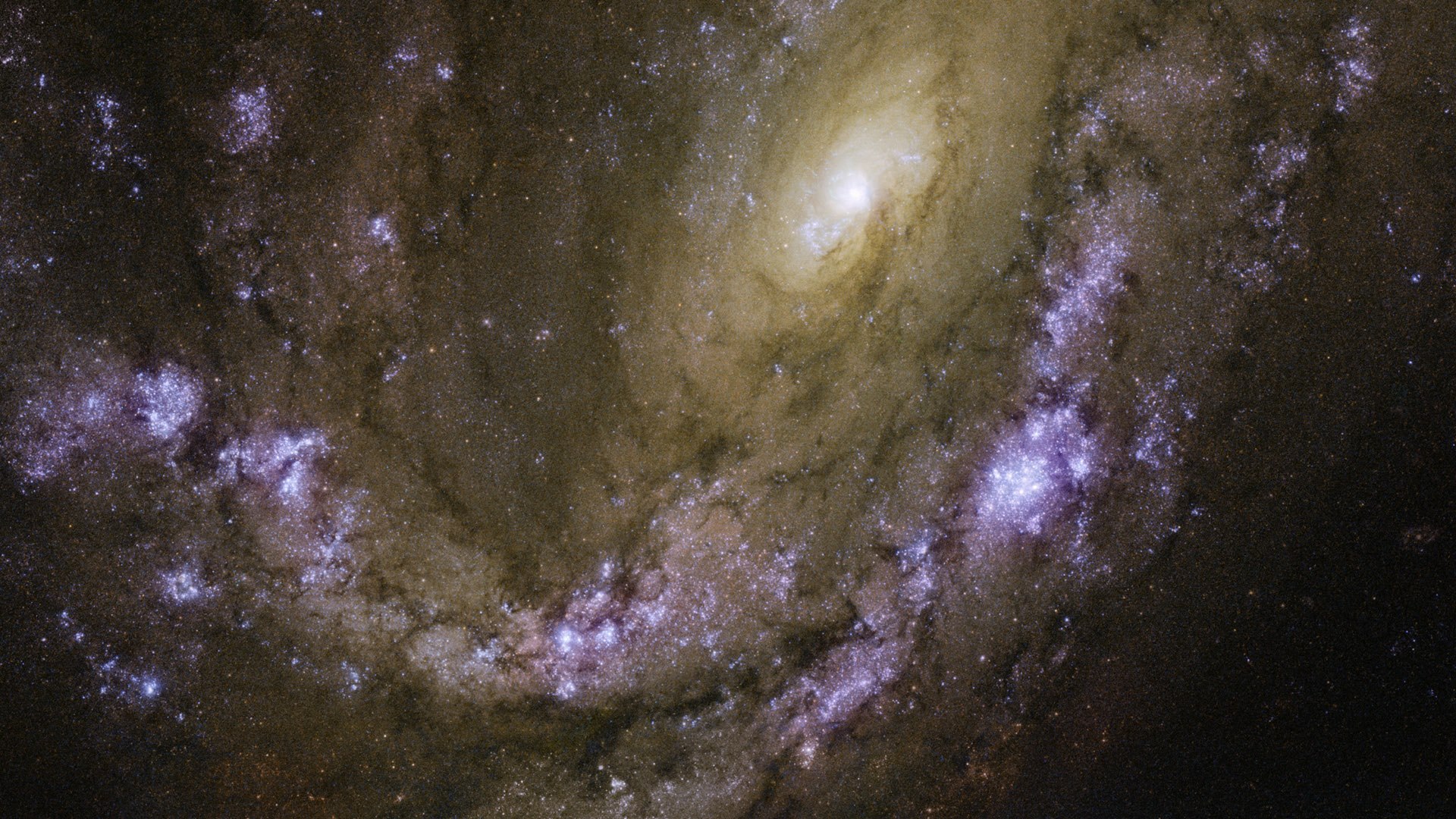
Messier 88 galaxy in the Coma Berenices constellation
In his hunt for comets, 18th-century French astronomer Charles Messier would often find other celestial bodies in his telescope lens. He needed a way to catalog these objects so that they wouldn't be mistaken for the comets he was seeking. The compendium that resulted soon became an invaluable resource for professional and amateur astronomers alike. The spectacular galaxy in our image is one of more than 100 objects in the catalog. Messier 88 was first discovered in 1781, and eventually it was one of the first objects recognized as a spiral galaxy. Although it wasn't one of those comets Charles Messier was looking for, it's still mighty impressive: The galaxy is said to contain around 400 billion stars, and the supermassive black hole at its center is thought to be 80 to 100 million times the mass of our sun.

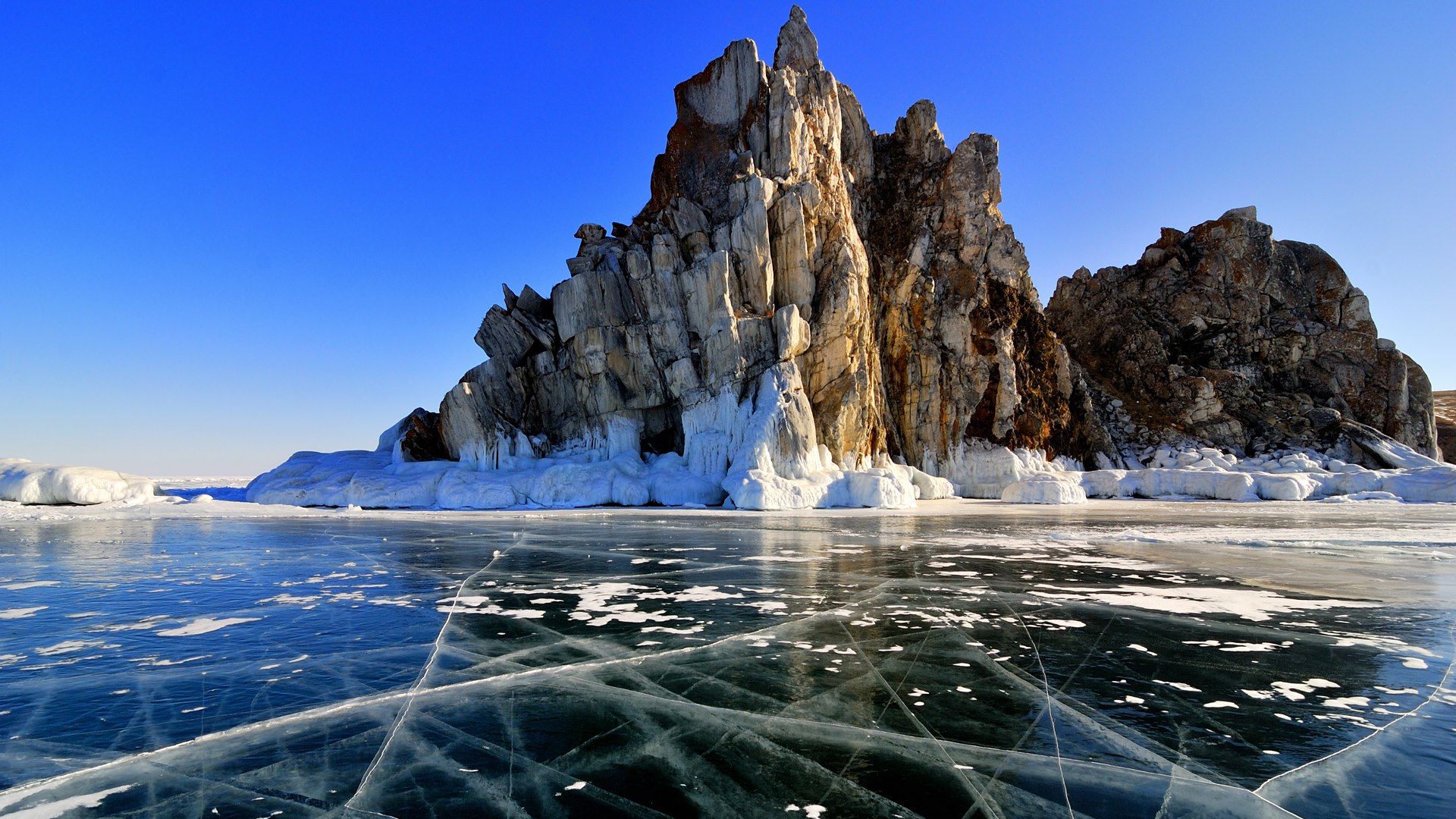
Rocky outcrop of Olkhon Island, Lake Baikal, Russia
Lake Baikal is a record-holding wonder: It is the world’s oldest, deepest, and largest freshwater lake (by volume). Even in this sparsely settled region, ‘The Pearl of Siberia’ is also quite a tourist attraction. While most folks visit the lake in the warmer months, there is something to be said about experiencing it when it is really, really cold. (You read that right: We are recommending a winter trip to Siberia.) Baikal’s surface is typically frozen over from January to June, and for part of that time an ice road is opened for use between the mainland and Olkhon Island. Here, mesmerising crystallised waters meet the rugged coast of the world’s fourth-largest lake-bound island.

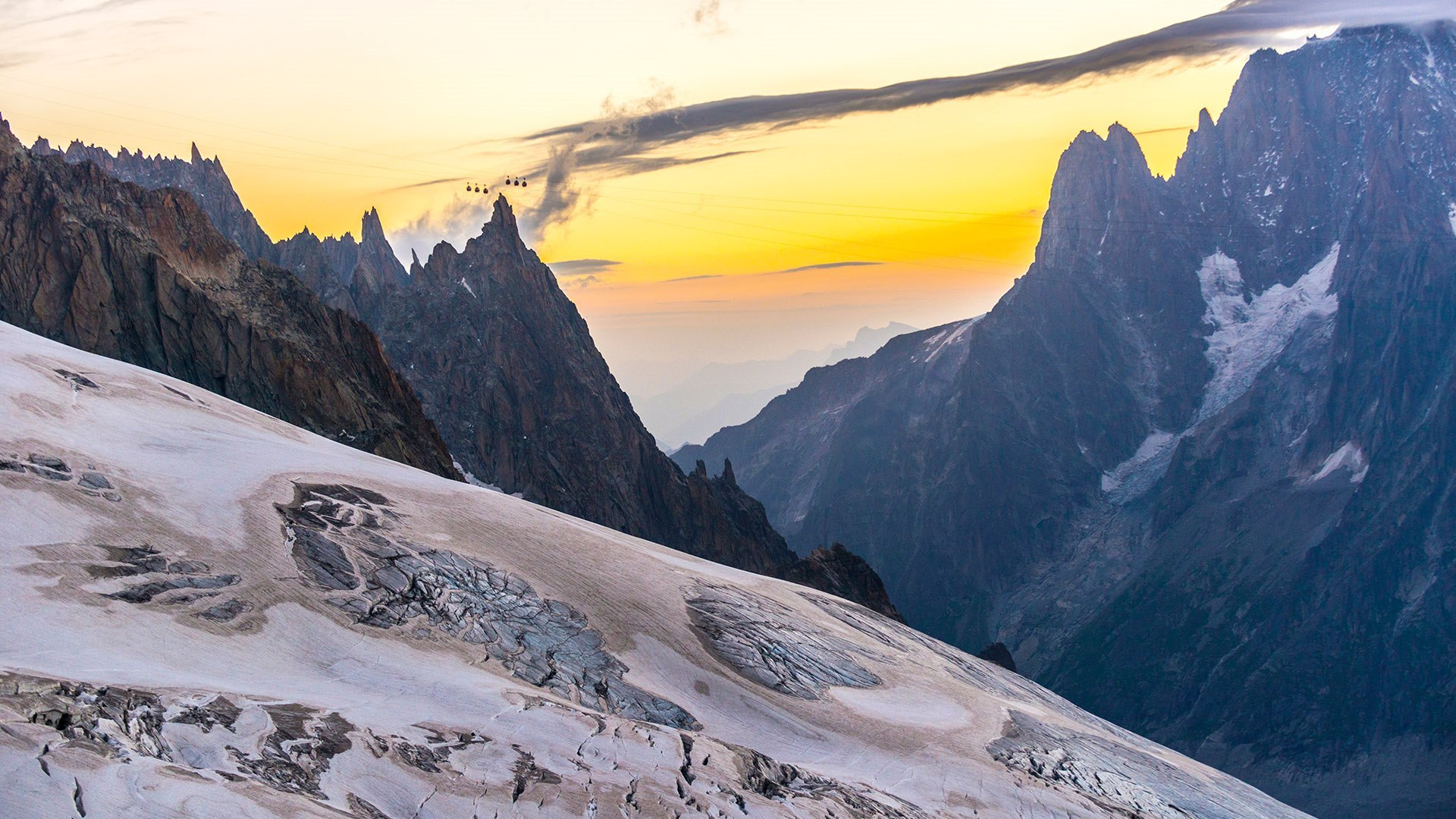
Vallée Blanche in Chamonix, France
Surrounded by spiky snow-capped peaks, Vallée Blanche (White Valley) is a glacial valley in Chamonix, France. A popular yet challenging ski destination, the renowned off-piste routes are best traversed with the aid of a mountain guide and markers indicating where the snowfall hides treacherous crevices. The valley can also be crossed on foot with a return via a scenic cable car route. The cars carry riders high over the Vallée Blanche's glaciers, canyons, and ski slopes, and of course provide breathtaking views of the surrounding French Alps. Around here, the scenery is especially dramatic: Among other breathtaking peaks, the magnificent Aiguille du Midi mountain, part of the iconic Mont Blanc massif, rises above the Vallée Blanche.

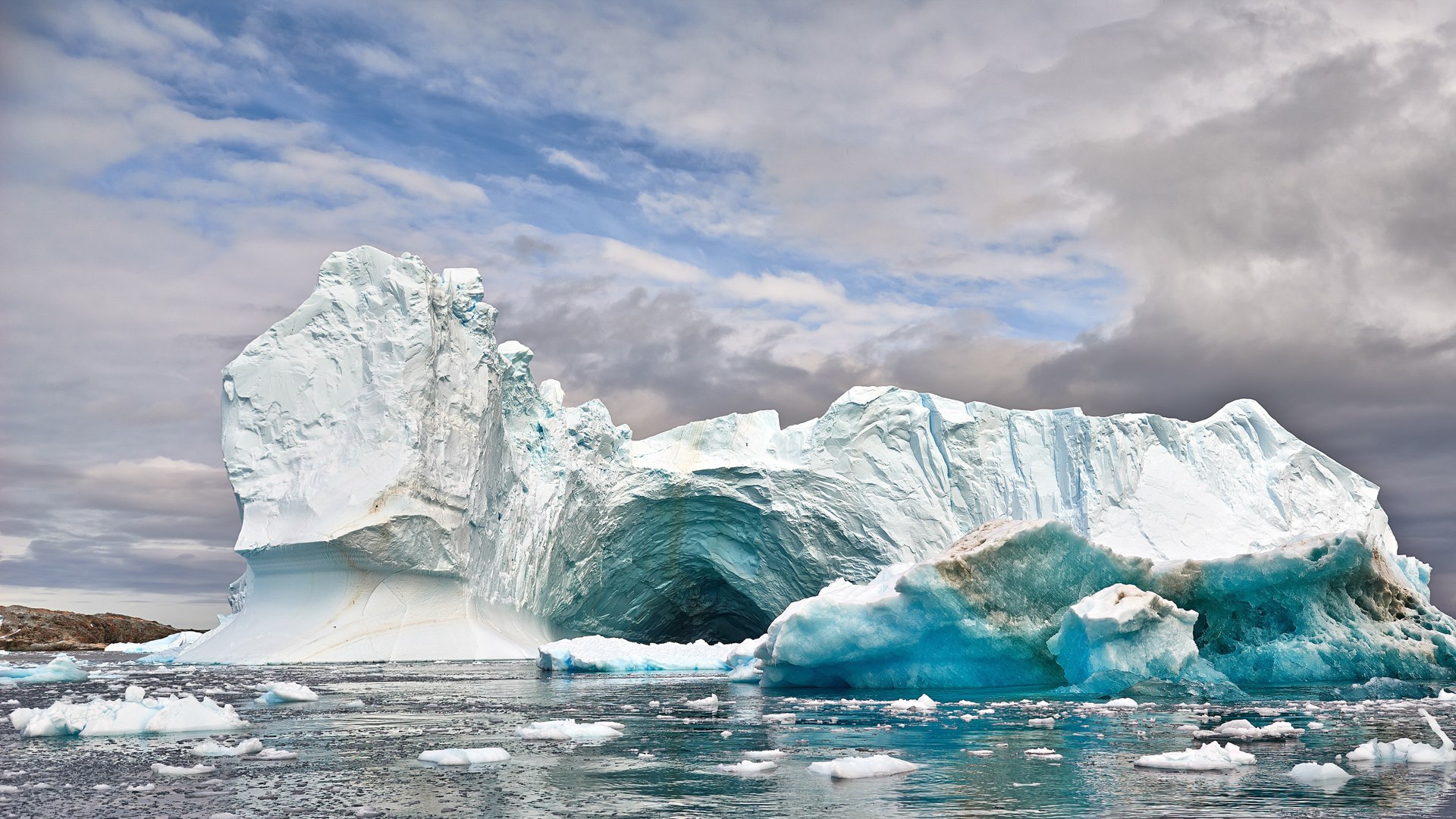
Cierva Cove in Hughes Bay, Antarctica
If a visit to Antarctica is on your bucket list, Cierva Cove on the Antarctic Peninsula is a great place to point your Zodiac boat. Our image here gives just a hint of the stupendous scenery in this corner of the globe. A massive glacier forms the back end of the cove and it regularly sends huge icebergs crashing into the bay, such as this behemoth. You’ll cruise around pack ice and brash ice, and perhaps dodge a ">If a visit to Antarctica is on your bucket list, Cierva Cove on the Antarctic Peninsula is a great place to If a visit to Antarctica is on your bucket list, Cierva Cove on the Antarctic Peninsula is a great place to point your Zodiac boat. Our image here gives just a hint of the stupendous scenery in this corner of the globe. A massive glacier forms the back end of the cove and it regularly sends huge icebergs crashing into the bay, such as this behemoth. You’ll cruise around pack ice and brash ice, and perhaps dodge a humpback whale fluke or two. Although the penguin-watching is poor (they don’t congregate on the steep cliffs of the cove), there are plenty of seals to be spotted: Weddell, crabeater, and leopard seals all call this icy wonderland home.

Random Windows SpotLight images - page 8 / 10