Random Windows Spotlight images
page 9 / 10
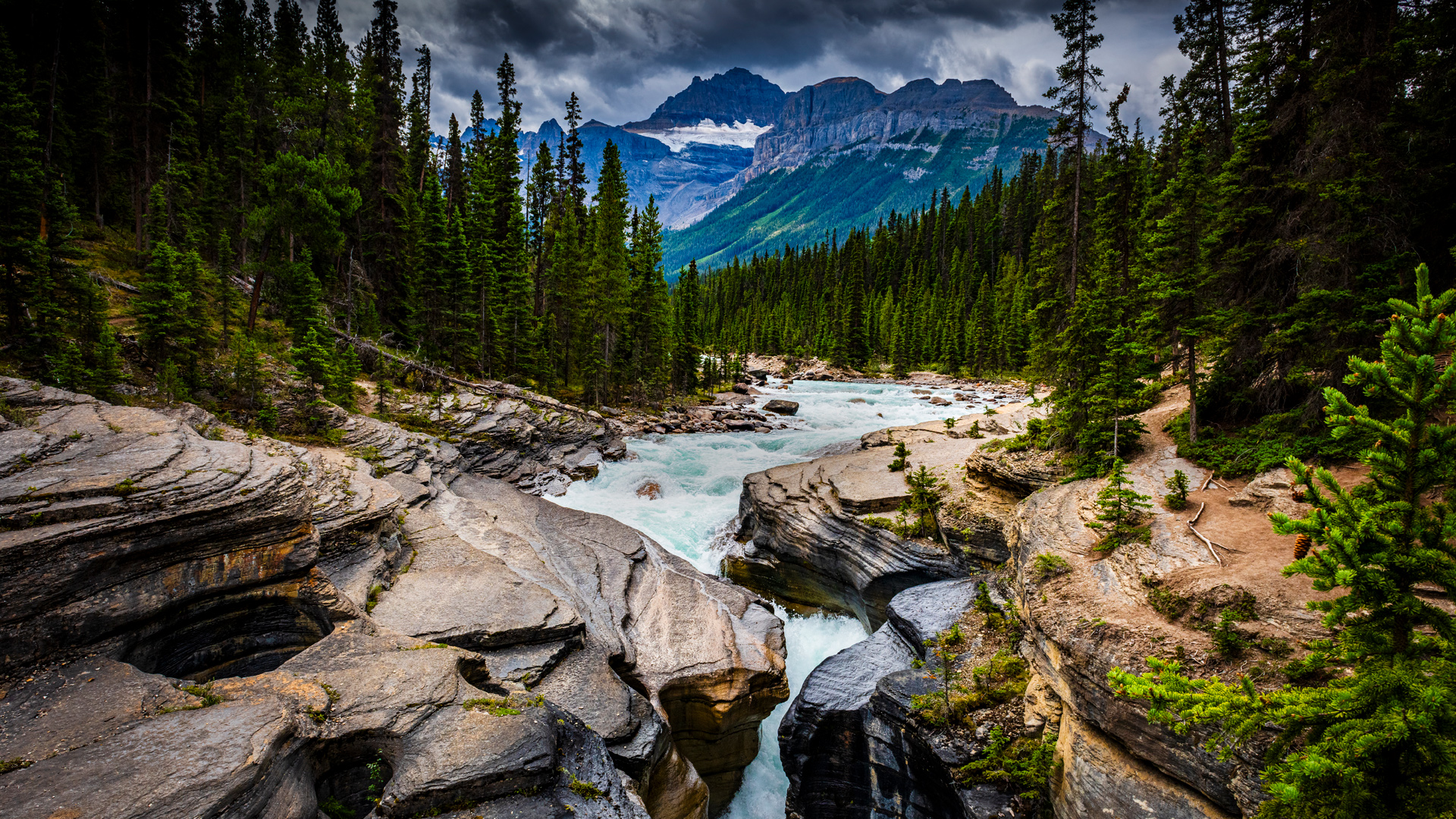
Sunwapta River, Canada
Up in the Canadian Rockies, Jasper National Park is jam-packed with breathtaking scenery, offering visitors countless opportunities to shoot photos like this one of the Sunwapta River. Not far from where this image was captured is Sunwapta Falls. The falls (a pair of upper and lower cascades) are usually at their fullest power in late spring and early summer, when the Columbia Icefield that feeds the river is in the midst of its seasonal melt. That icefield also feeds another scene of tumbling water roughly 20 miles north of here: Athabasca Falls. Both spots are accessible by car via one of the world's great scenic routes, the Icefields Parkway.


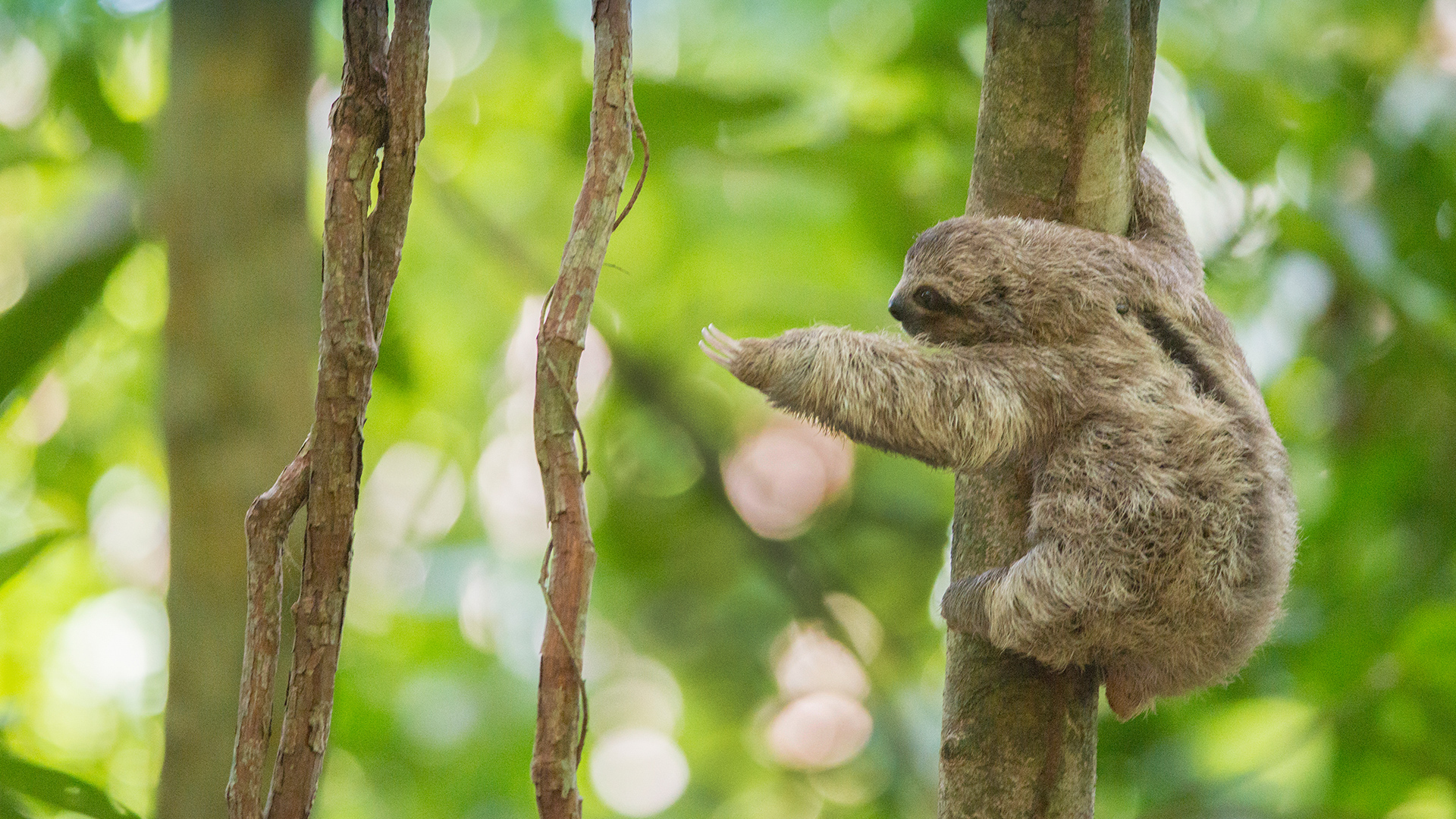
Young three-toed sloth in Puntarenas, Costa Rica
Sloths move by arboreal locomotion, which is a fancy way of saying they use trees to get around. It's safer for the slow-moving three-toed sloth to spend most of its day up in the forest canopy, snacking on tree leaves. When it does move, it moves slowly—less than a quarter of a mile an hour—using its claws to hold onto branches. The three-toed sloth (like all sloths) has hair that grows in a direction opposite from that of other mammals, so that water runs away from its skin when the tree-dwelling critter hangs upside down. Algae grows in its fur, and helps provide camouflage.

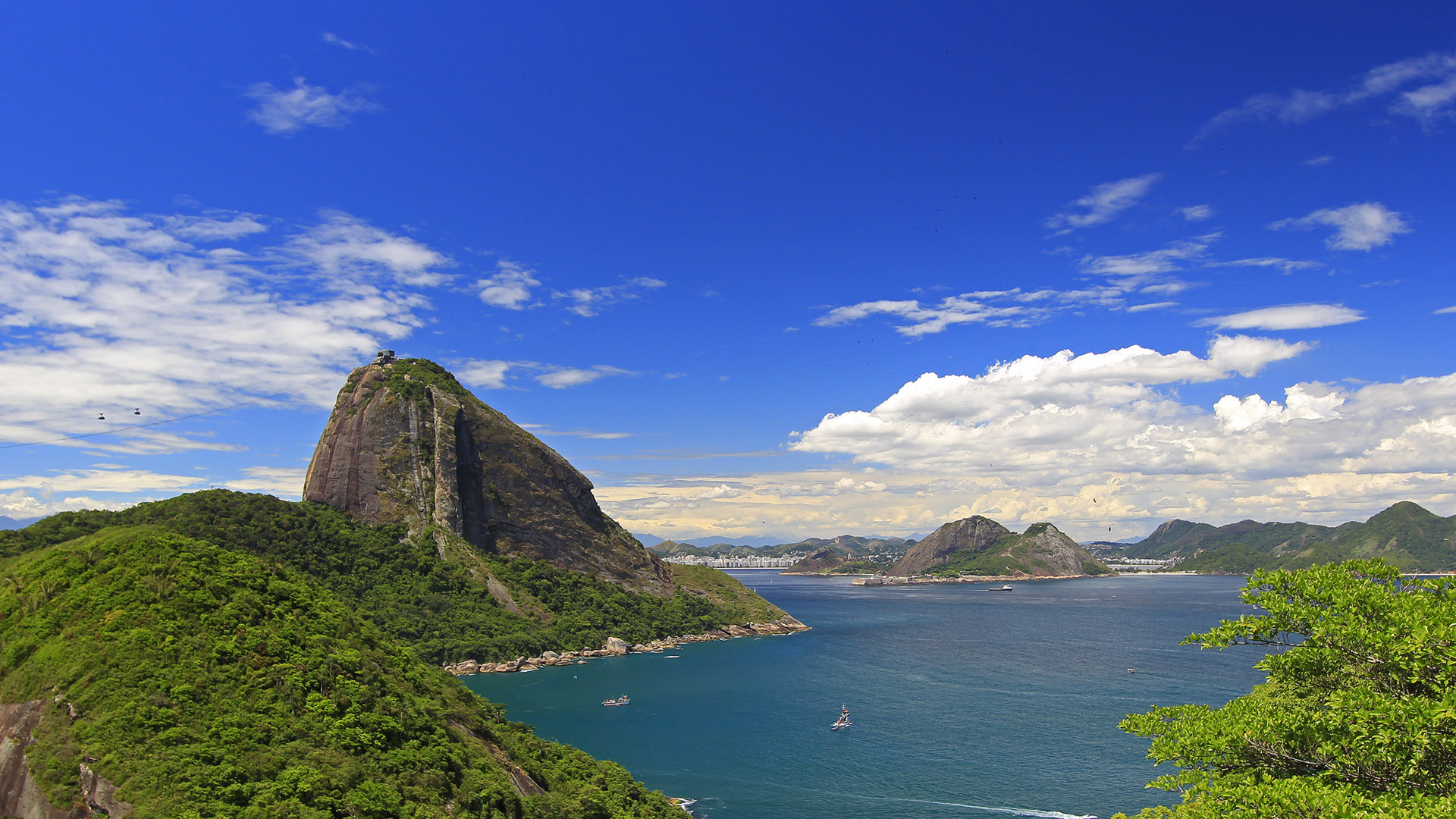
Sugarloaf Mountain, Brazil
One of the most universally recognized parts of Brazil, Sugarloaf Mountain overlooks the surrounding waters of Guanabara Bay and the bustling city of Rio de Janeiro. The peak was named for its resemblance to a pile of refined sugar, referencing the region's agricultural history. A famous cable car, first opened in 1912, connects Urca—a hill just out of sight to the left of our image—with Sugarloaf, and together they form the Sugarloaf Mountain and Urca Hill Natural Monument. Our perspective is an unusual view of the back of the iconic peak, and comes from a vantage point at Duque de Caxias Fort, situated atop a promontory in the Leme neighborhood of Rio.

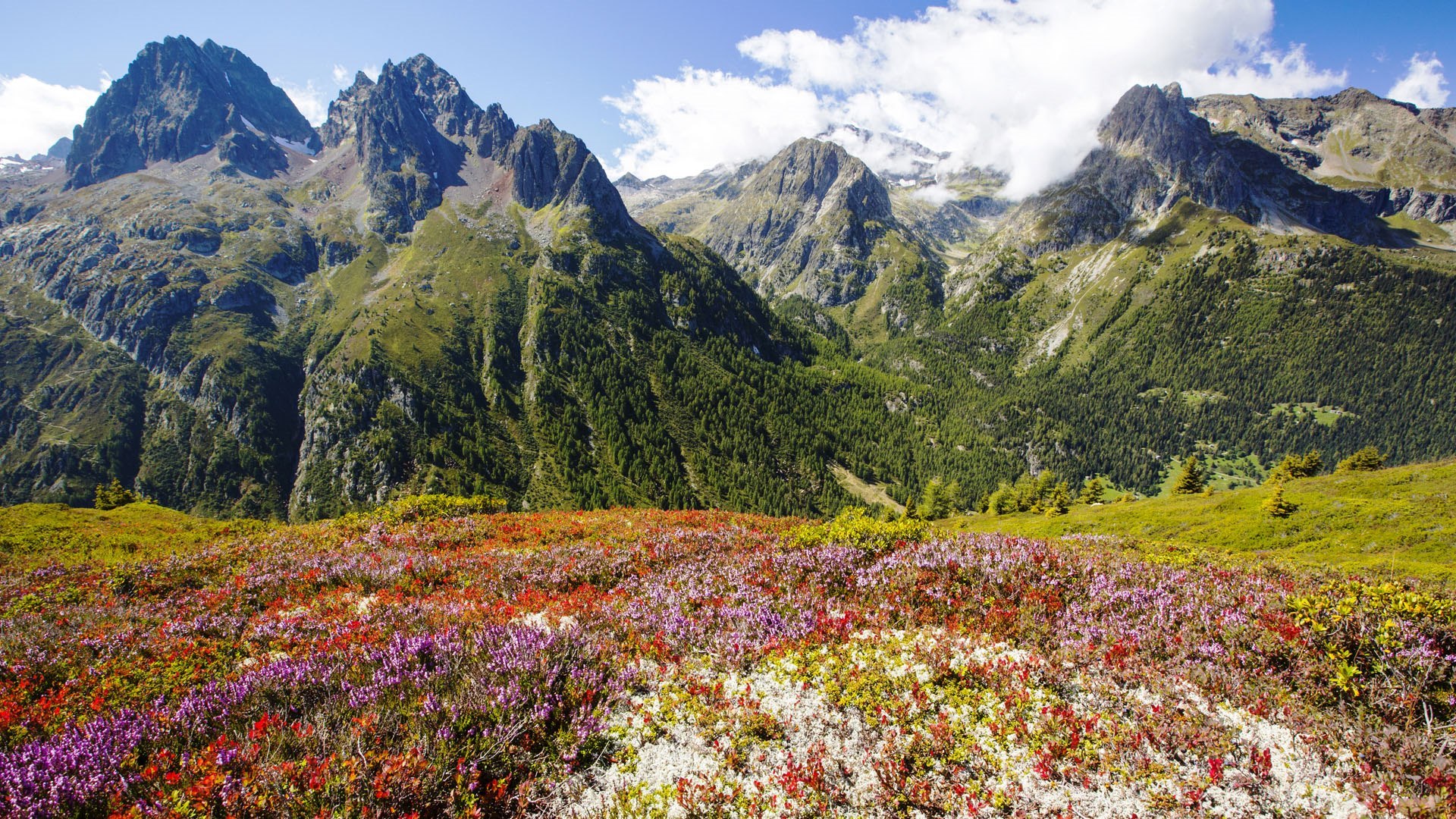
The Aiguilles Rouges at Chamonix in France
The Aiguilles Rouges (Red Peaks) range dominates this scenic view of the Chamonix region of southeastern France. The Red Peaks name comes from the reddish tinge of the soil, due to its high concentrations of iron. (In our image, a riot of colorful bilberry plants and other wildflowers catch the eye.) This range is part of the French Prealps, just west of the Alps. When the snows arrive, the landscape transforms dramatically, and so do the activities of the area’s inhabitants. Chamonix’s reputation as a premier destination for skiers and other winter-sport fanatics was already strong when the first Winter Olympic Games were held here in 1924.

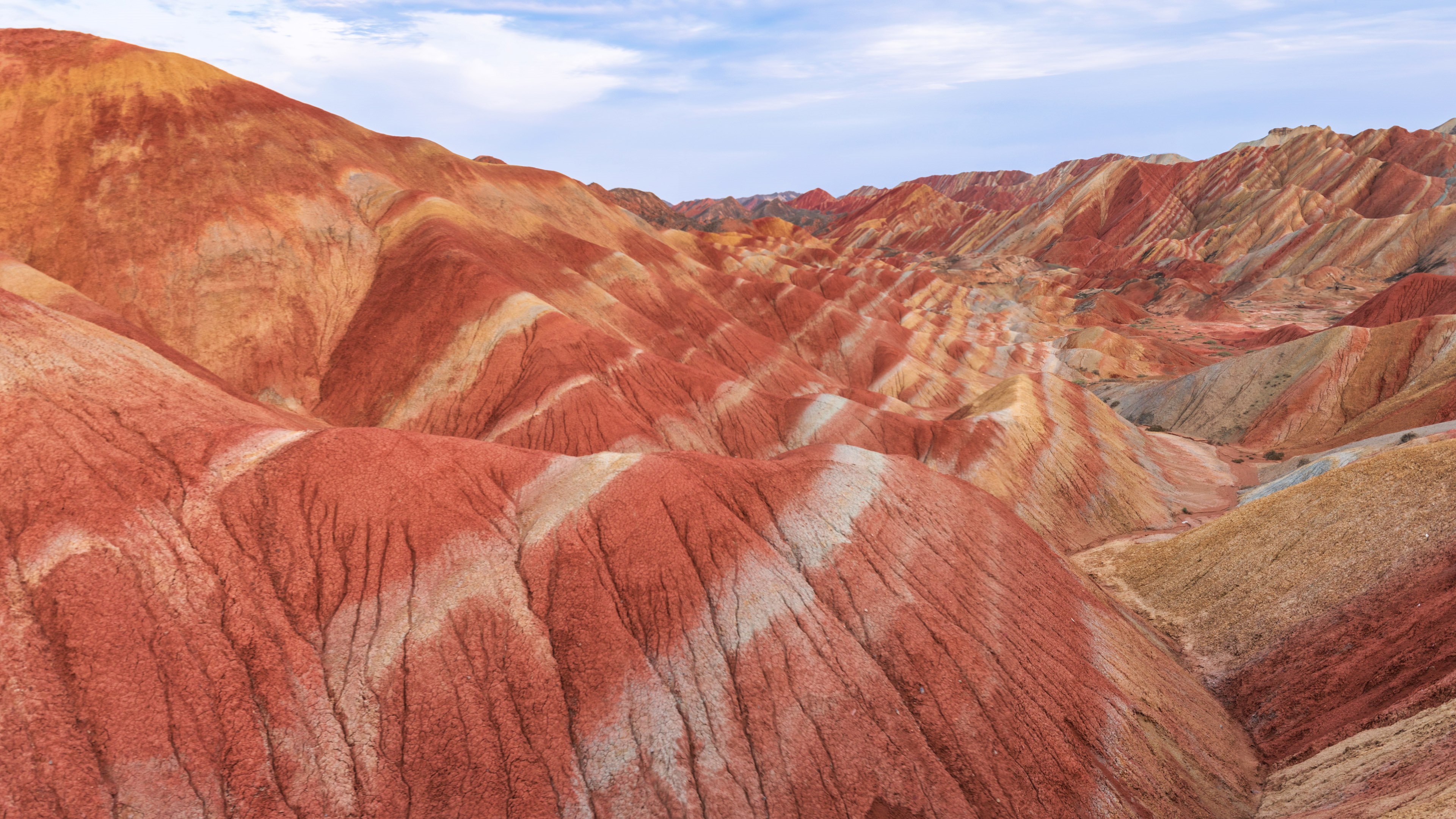
Rainbow Mountains, Zhangye National Geopark, China
If you need proof that beauty can come from chaos, look no further than the Rainbow Mountains of Zhangye, China. When Insular India collided with the Eurasian tectonic plate 55 million years ago, the punishing force crumpled Earth's crust so drastically it formed not only the mighty Himalayas, but this watercolor landscape some 600 miles to the northeast. As tremendous tremors reconfigured vast swaths of flatland, once-smooth layer cakes of hardened silt and sand were thrust off kilter, creating the angular stripes we see today.

Random Windows SpotLight images - page 9 / 10