Random Windows Spotlight images
page 4 / 10
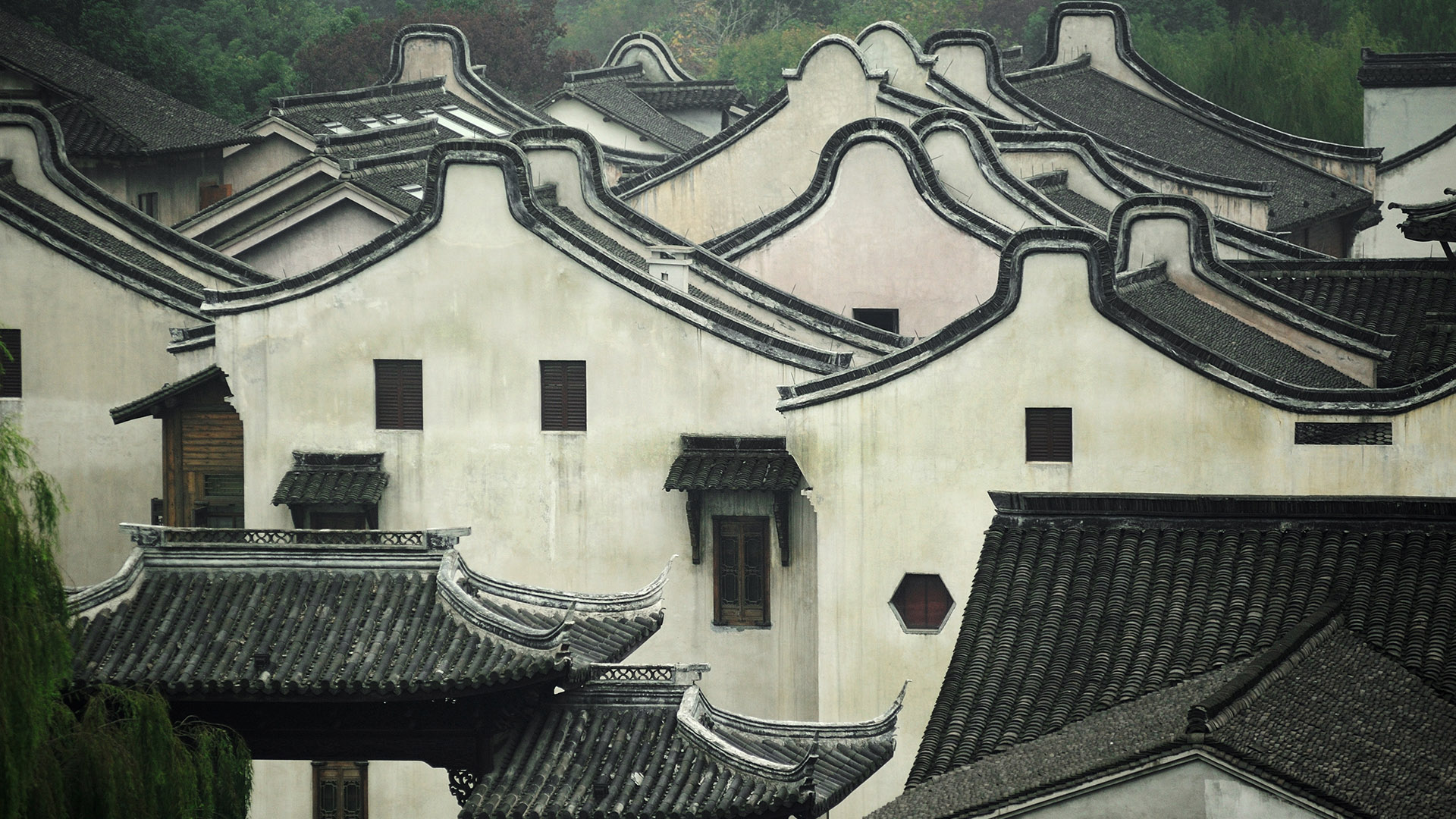
Traditional houses in Wuzhen, China
Located in Zhejiang province on China's east coast, Wuzhen is a both a living, breathing town and a time capsule of the region's culture and history. One of the Yangtze River's water towns, much of Wuzhen is built above canals, and it's divided into six districts, all of which feature different aspects of the town's traditions. Wooden buildings bordered by cobblestone streets, ancient bridges, and rows of traditional homes—like those in our image—greet visitors. Some neighborhoods in Wuzhen feature historical reenactments and craftspeople working at centuries-old trades. Wuzhen workshops still turn out exquisite crafts, such as intricate wood carvings and silk textiles.


Interior of the Colosseum in Rome, Italy
Even by today’s standards, the Roman Colosseum (or Flavian Amphitheatre) is one of the world’s grandest monuments, and not merely because of its size alone. Modern sporting events seem tame compared to the extravagant and often brutal spectacles that killed thousands of people and animals here. An intricate network of pulleys, trapdoors, and tunnels below the floor allowed for animals and gladiators to leap into the action, surprising their foes. Early on, before these mechanisms were put in place, the floor could even be flooded for mock naval battles. The largest amphitheater ever built in the Roman Empire, the Colosseum routinely held 65,000 spectators, and attendance could swell to some 80,000 when fully packed.


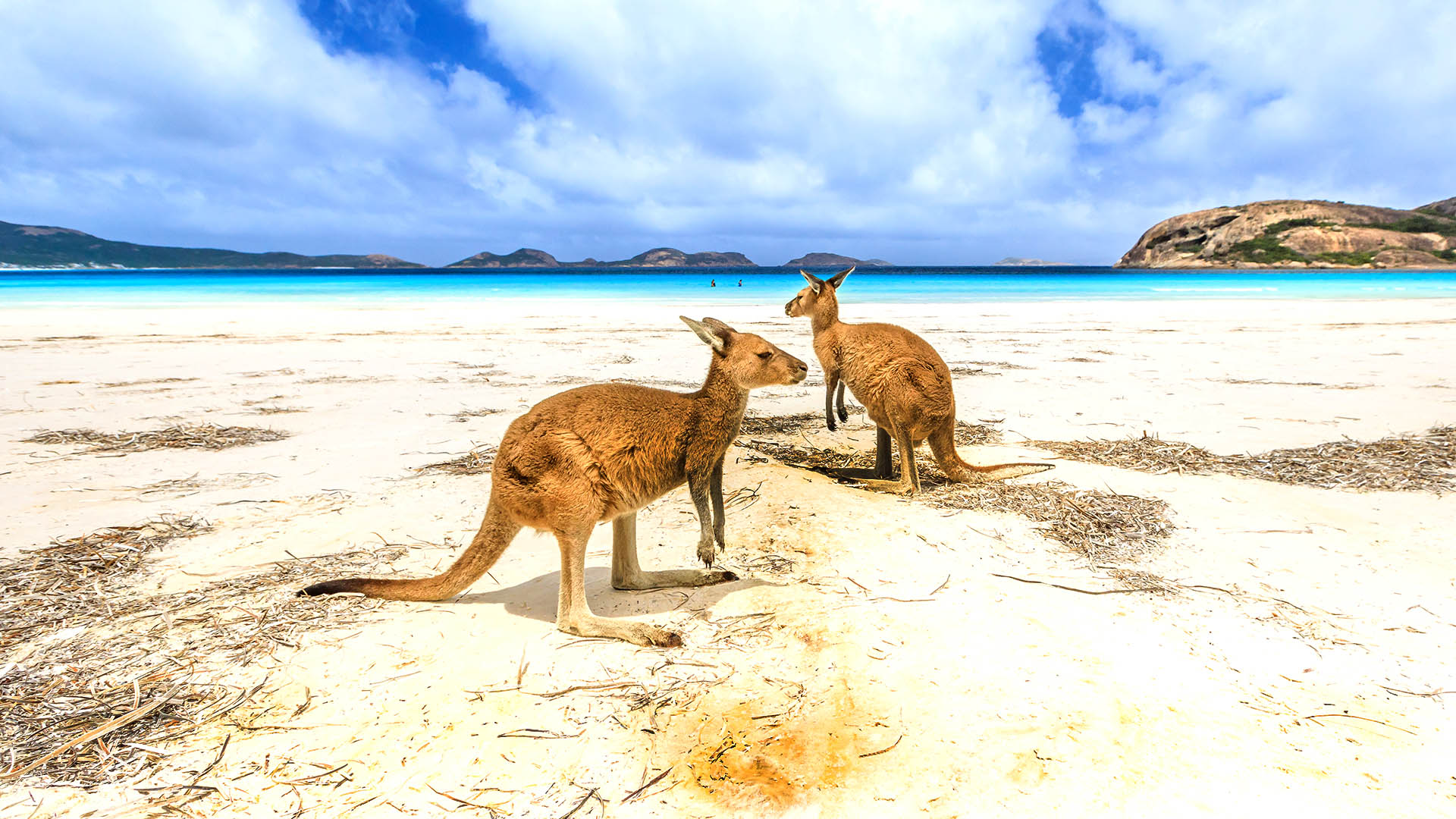
Western grey kangaroos
Lucky Bay, in Western Australia's Cape Le Grand National Park, attracts many visitors to its pristine beach, including a colony of friendly kangaroos who seem to enjoy soaking up the sun as much as the rest of us. Arguably the most recognizable wildlife symbol of Australia (some koalas may disagree), kangaroos are the only large animals that use hopping as a means to get around. Western grey kangaroos, like the pair in our image, can reach 4 feet tall and weigh 120 pounds, making them some of the world's largest macropods. Who takes the kangaroo crown for height? That would be the red kangaroo, which can exceed 6 feet tall.

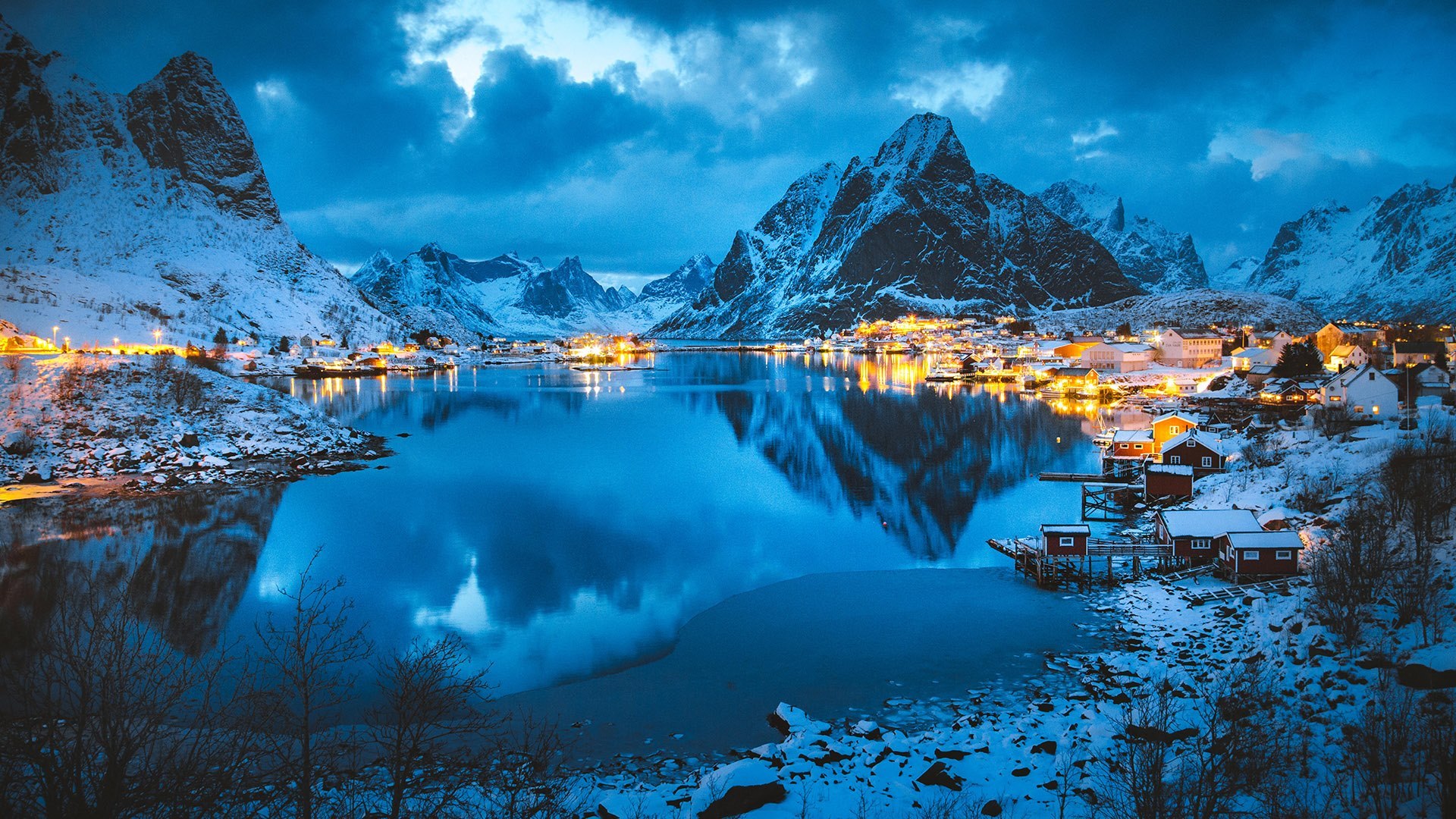
Fishing village of Reine, in the Lofoten Islands, Norway
There are several towns and villages on Moskenesøya, an island in Norway’s Lofoten archipelago. Reine is arguably the most scenic, owing in part to Olstinden mountain, which provides a breathtaking backdrop. Despite its remote location inside the Arctic Circle, the village attracts many tourists who come for views like the one in our image. Hardier shutterbugs make the trip in winter, when the sun makes only the briefest of appearances. After the spring thaw, lots of hiking trails open up, including the legendary Reinebringen trail snaking high above the village and providing what some call the most beautiful views in the world.

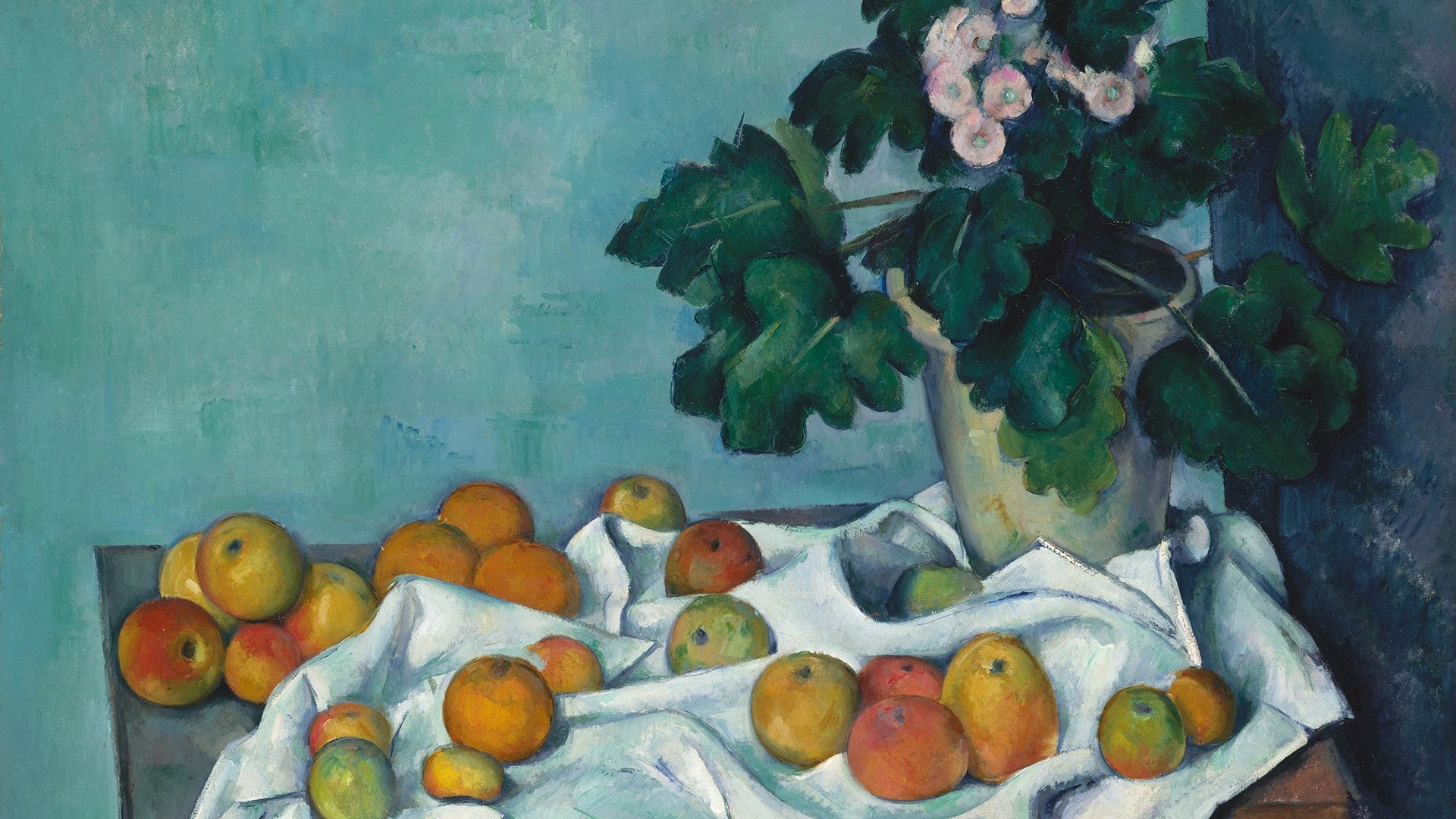
'Still Life with Apples and a Pot of Primroses' (ca. 1890), by Paul Cézanne
It's been said that it may have taken Paul Cézanne 100 working sessions to complete a still life painting, such was his determination to capture the essence of his subject. So it's not surprising that the canvas we see here is only one of three Cézanne paintings depicting a potted plant—the foliage would simply wilt before the work was completed. Cézanne's methods were notoriously time-consuming, and the results frequently derided by contemporary art critics, but fellow artists of his day deeply respected his talent. Indeed, Paul Cézanne ushered in Post-Impressionism and the more radical Cubism art movement. Matisse and Picasso are believed to have said that Cézanne 'is the father of us all.' 'Still Life with Apples and a Pot of Primroses' by Paul Cézanne is in the collection of the Metropolitan Museum of Art in New York City.

Random Windows SpotLight images - page 4 / 10