Random Windows Spotlight images
page 5 / 10
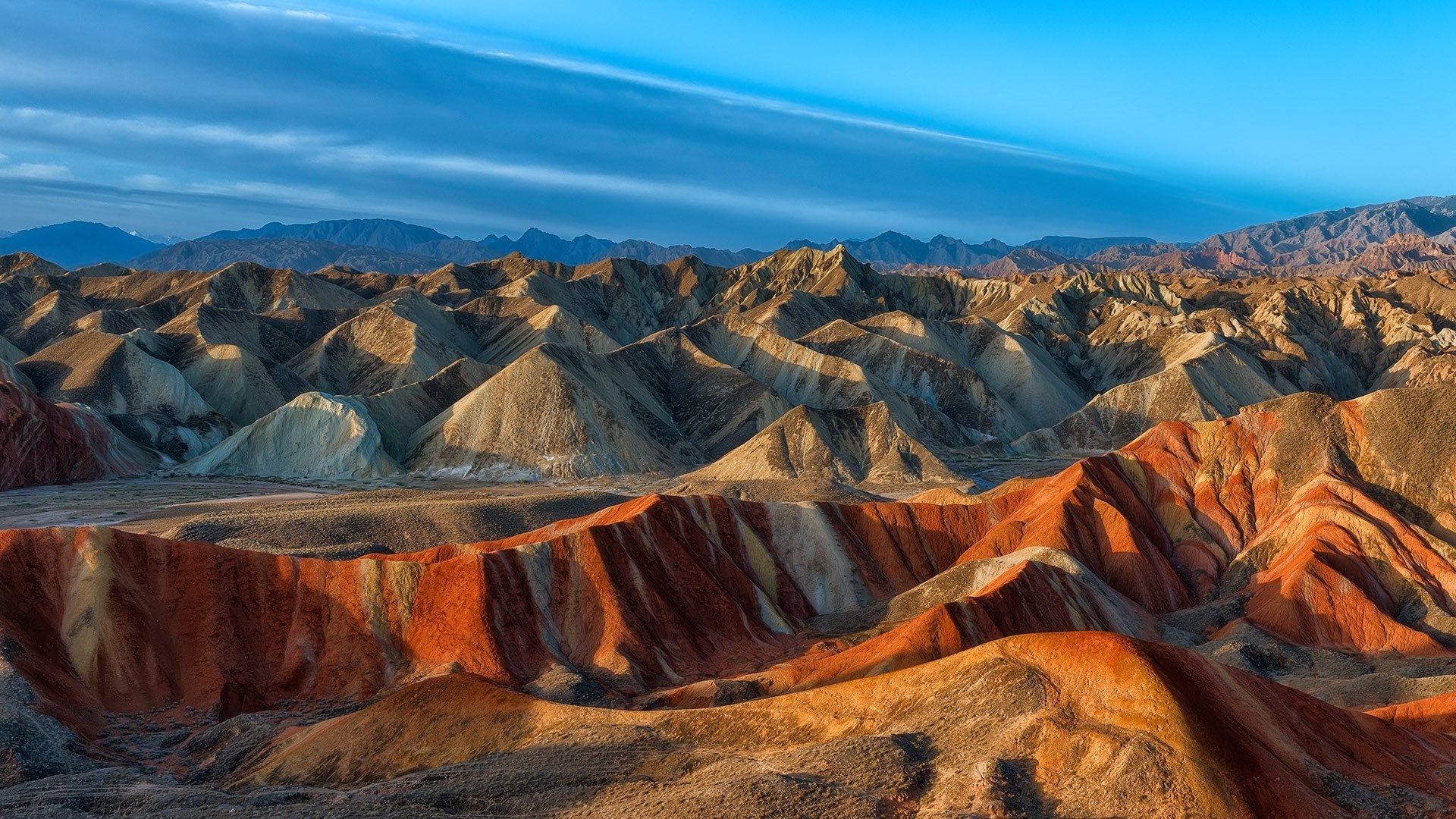
Mountains of the Zhangye Geopark in Gansu, China
Millions of years of tectonic activity and erosion has resulted in the weird and wonderful terrain of Gansu province in northwest China. The pleated landscape in our image is part of the foothills of the Qilian Mountains. Over millions of years, earthquakes here have caused foothills and mountains to rise, revealing sandstone striped by mineral deposits. From this geological ‘layer cake,’ wind and water carved out fantastic shapes and further uncovered the spectacular color bands. Sometimes called the Rainbow Mountains, this region has become a renowned sightseeing destination, and 124 square miles of it was made a protected park in 2005. Miles of access roads and boardwalks allow for exploration while still protecting the unique, and superbly picturesque, environment.


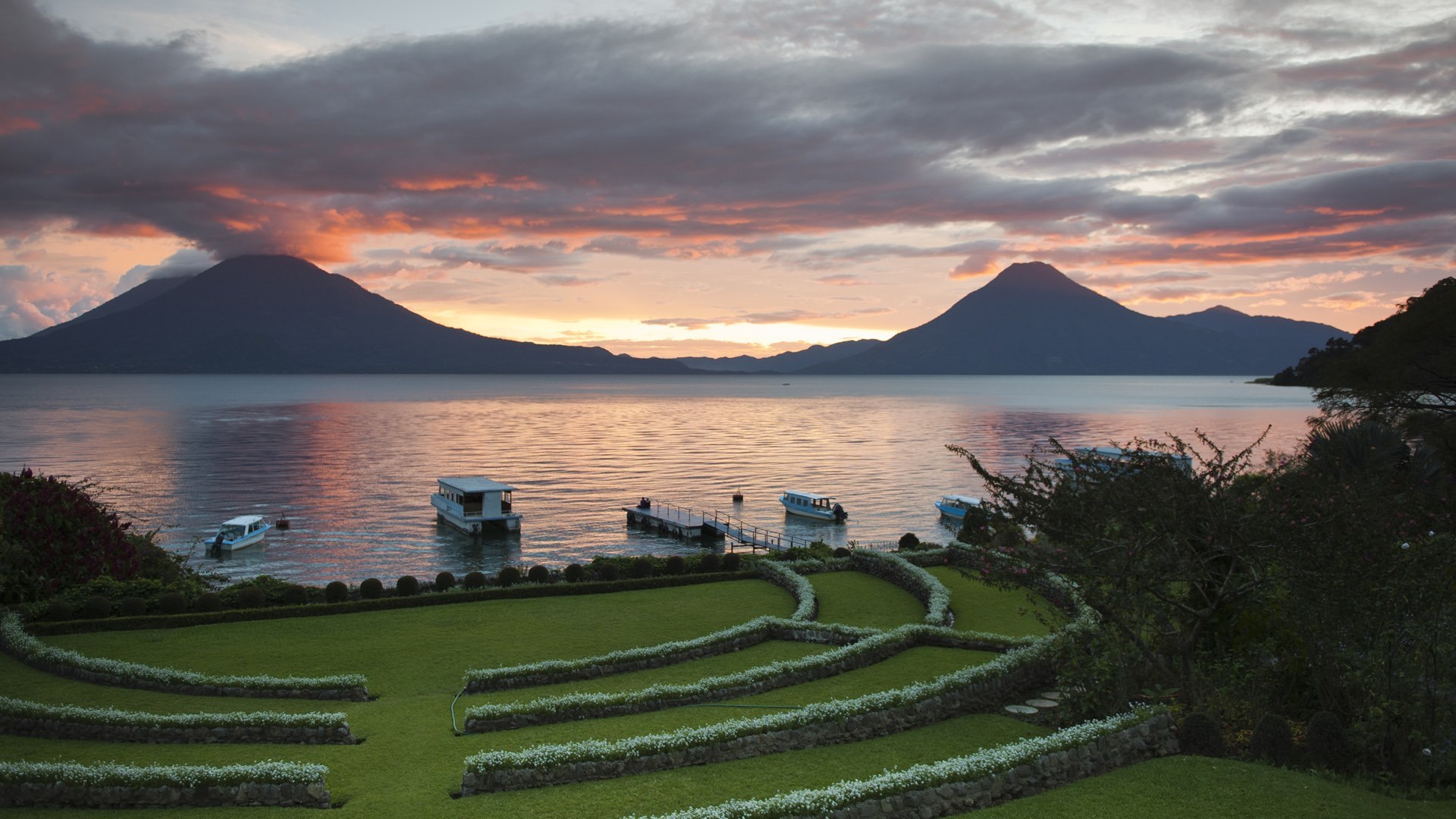
Lake Atitlán in Guatemala
The deepest lake in Central America is considered by many to also be its most beautiful. Lake Atitlán reaches a maximum depth of roughly 1,120 feet and boasts 50 square miles of surface area, so it's not surprising that it's one of Guatemala's most celebrated natural features. Its beauty has been praised for a long time: The renowned 19th-century explorer Alexander von Humboldt deemed it the world's most beautiful lake. What likely distinguishes Atitlán from other lakes in the region are the three volcanos that rise high above it, taking the scene from merely picturesque to absolutely breathtaking. Flanking the lake's long shoreline are a number of indigenous Mayan villages, including the cultural hub of Santiago Atitlán.

Milky Way and mountains above the Giau Pass in northern Italy
The Milky Way galaxy makes a suitably dramatic crown for one of the most magnificent mountain passes in the Dolomites. Here, at an elevation of roughly 7,000 feet, the Giau Pass sits in the middle of a sprawling alpine pasture shadowed by two of northern Italy's most picturesque peaks: Nuvolau and Averau. From the pass, more of the mighty Dolomites can be seen, including the Pala Group, the largest massif in the range. Mountain huts are scattered around the Giau Pass, offering quiet and solitude. For those who like their landscape views to whizz by, the annual Dolomites Marathon bicycle race passes through dozens of hairpin turns at Giau, the steepest of the seven mountain passes riders need to conquer on the route.


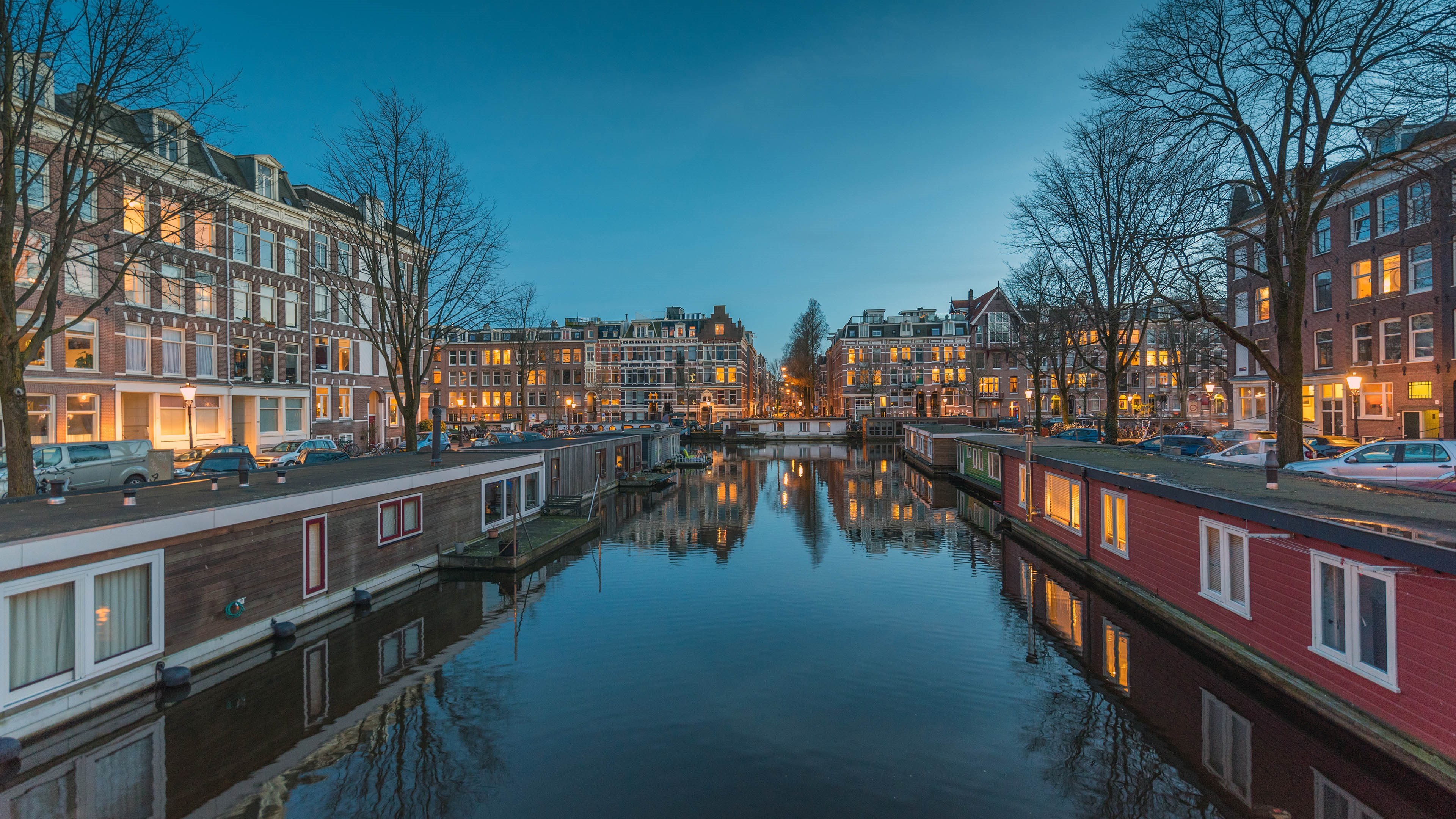
Oud-West, Amsterdam, Netherlands
Dense with dens of vice and fine dining alike, Amsterdam's canal-woven city center offers more than plenty. But if you ask us, any visit to the Dutch capital should venture beyond the Singelgracht: A whole patchwork of diverse neighborhoods awaits. In nearby sectors like Oud-West, where waterways are spaced wider and city blocks surround gardens and green strips, tourists can mingle with locals at a lower-key pace. Venture further west and you'll discover large greenspaces like Vondelpark and Rembrandtpark, bounded by planned cityscapes inspired by the garden city movement.

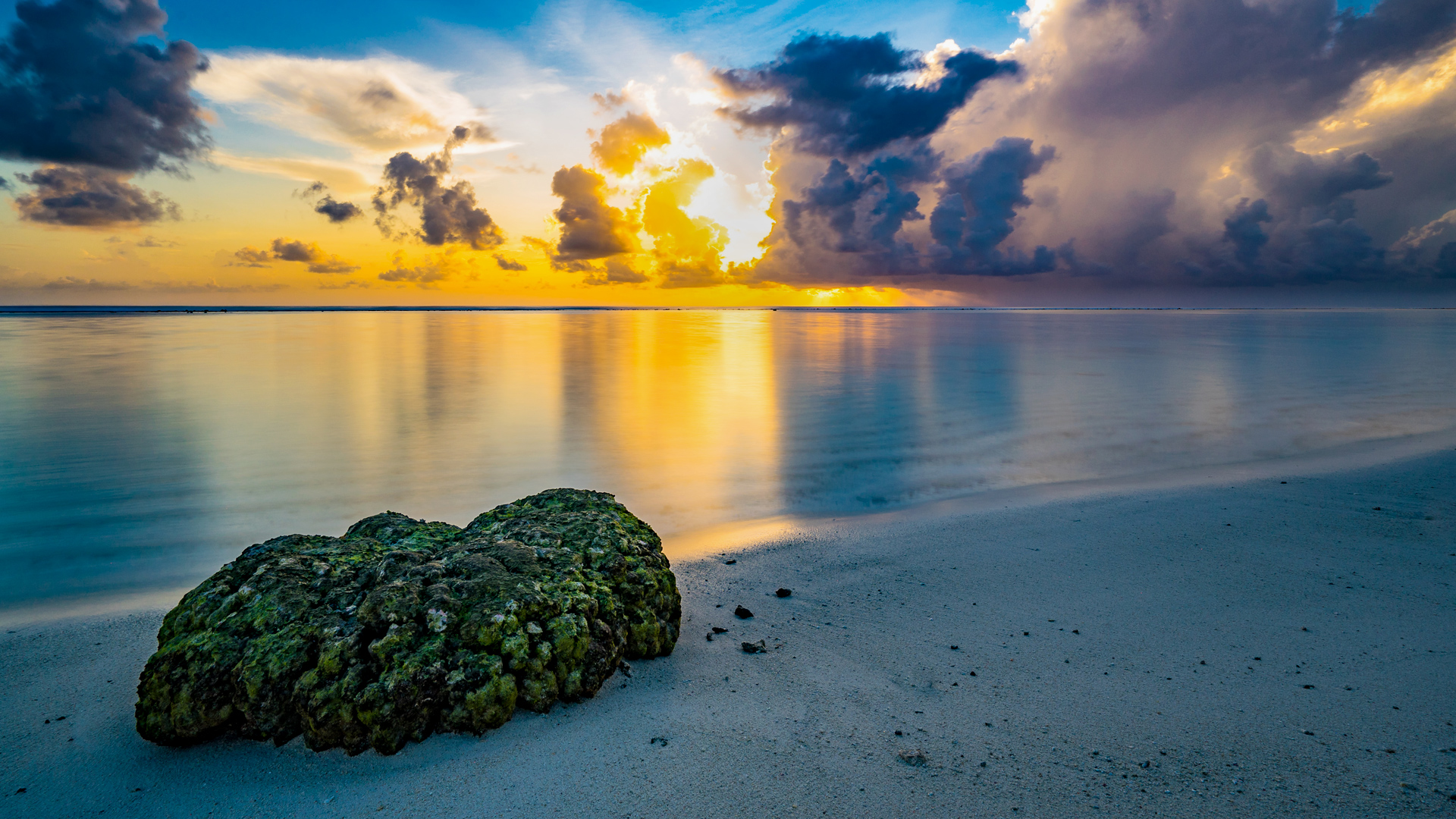
Hulhumalé, Maldives
Out of the Maldives' 35,000 square miles of territory, only 0.32% is dry land. But what bright and beautiful land it is. Visit one of this archipelagic nation's nearly 1,200 islands and you'll never be far from a sunrise or sunset over the Indian Ocean. Soothing as these seas are, they're also the biggest threat to this, the lowest-lying nation in the world. Some predictions warn that without preventive action, rising sea levels could completely swamp the Maldives by 2100. The country has become an innovator in the art of land reclamation: Hulhumalé, a 1.5-square-mile artificial island first settled in 2004, is already home to tens of thousands of people.

Random Windows SpotLight images - page 5 / 10