Bing daily wallpapers
page 15 / 20
| 2026‑09‑07 ‑ | United States |
|---|
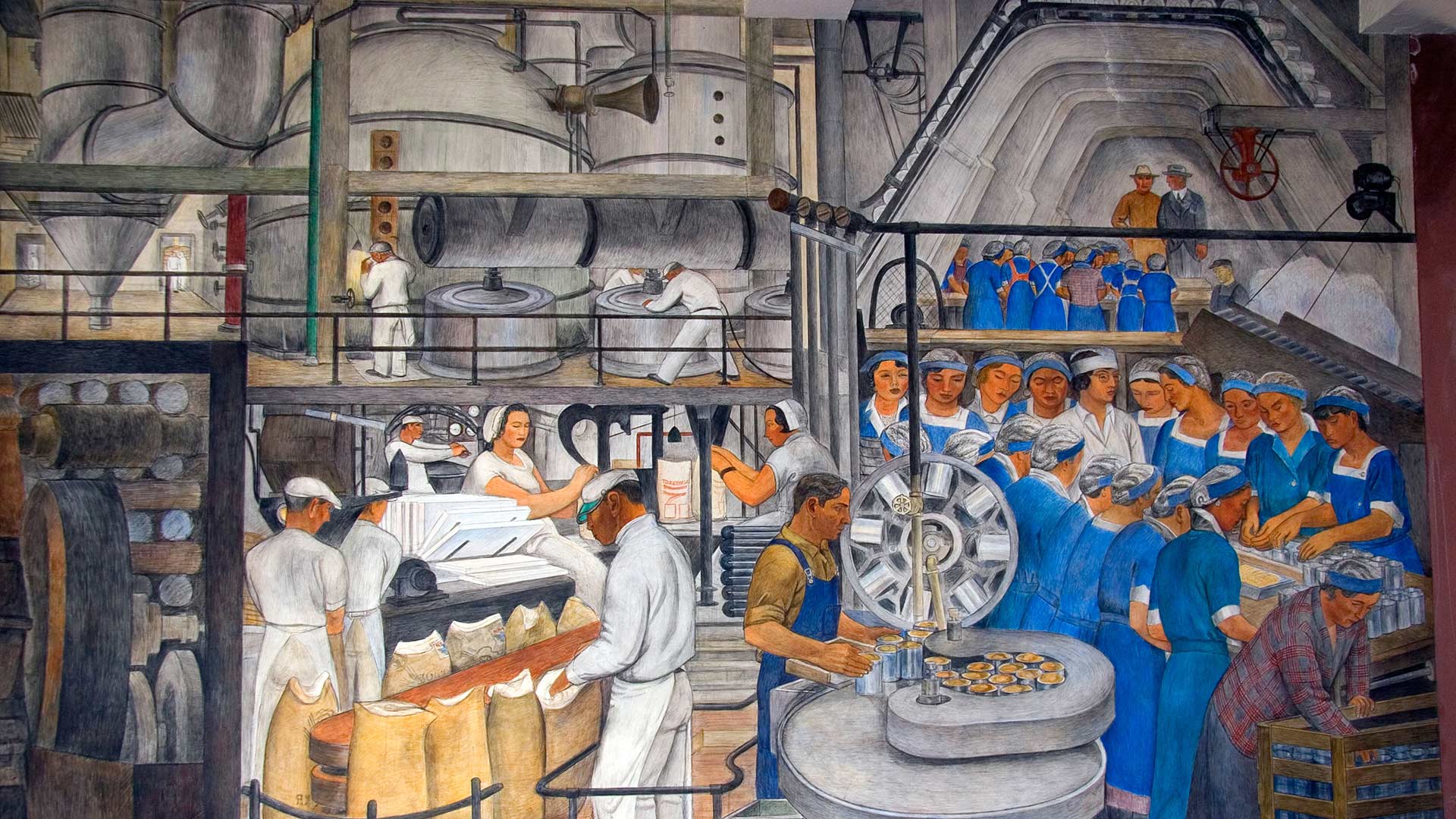
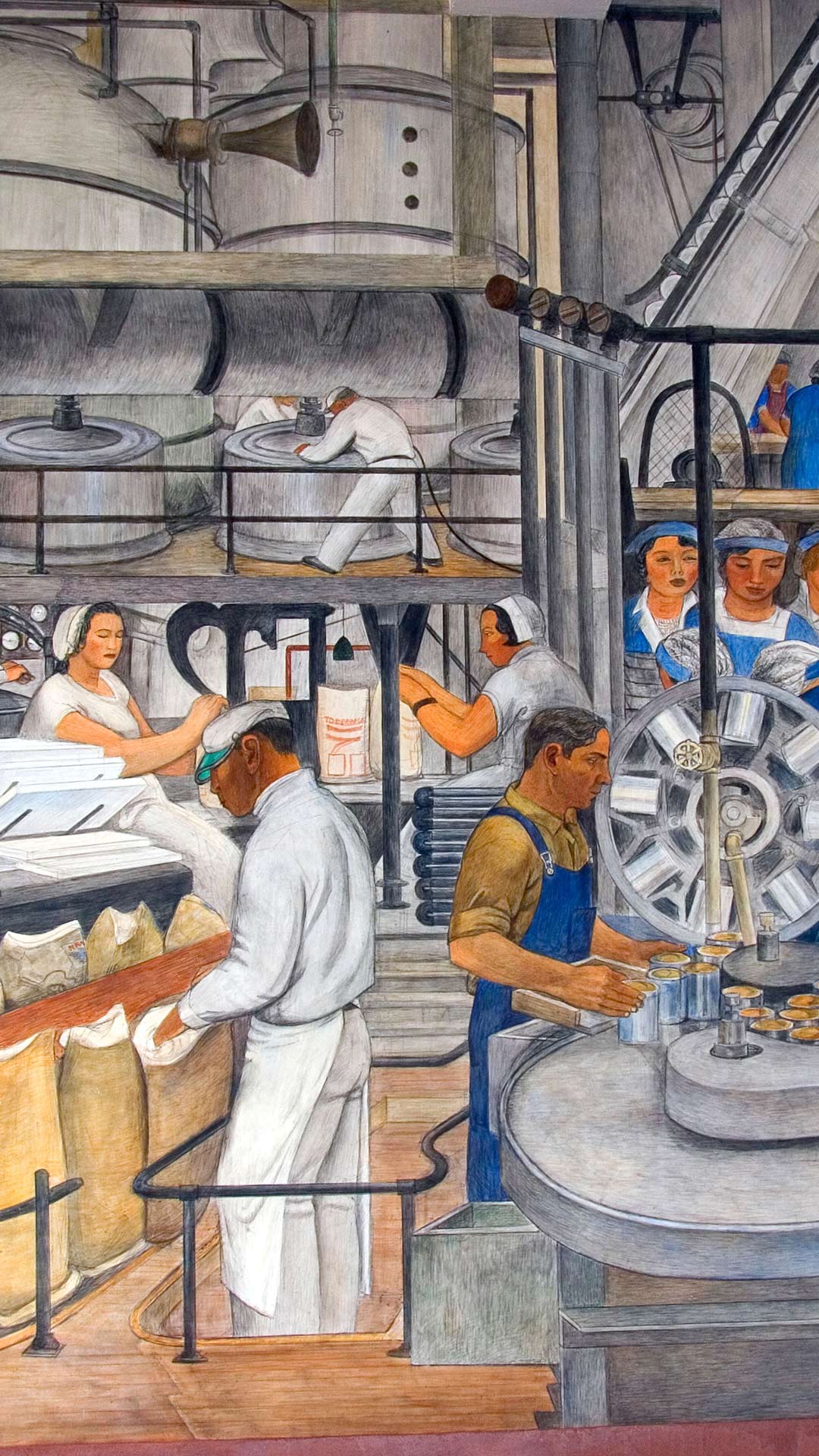
| en | • | 'Industries of California' mural by Ralph Stackpole at Coit Tower, San Francisco, California |
| (© David R. Frazier Photolibrary, Inc./Alamy) |
Labor Day
Labor Day honors the contributions of American workers and the history of labor in the United States. Established as a federal holiday in 1894, it emerged during a period of rapid industrial growth and social change. Today, Labor Day recognizes the people whose efforts have helped build communities, industries, and infrastructure across the nation. From farms and factories to railroads and construction sites, generations of workers have played a vital role in shaping the country's history.
That story comes to life in today's image, showing a section of 'Industries of California,' a mural by artist Ralph Stackpole at San Francisco's Coit Tower. Completed in 1934 as part of a New Deal public art program, the mural depicts agriculture, manufacturing, transportation, and daily life during the Great Depression. It celebrates the labor and ingenuity that powered California's economy, making it a fitting tribute on a day dedicated to the people whose work continues to move society forward.


| 2026‑09‑07 ‑ | Brazil |
|---|
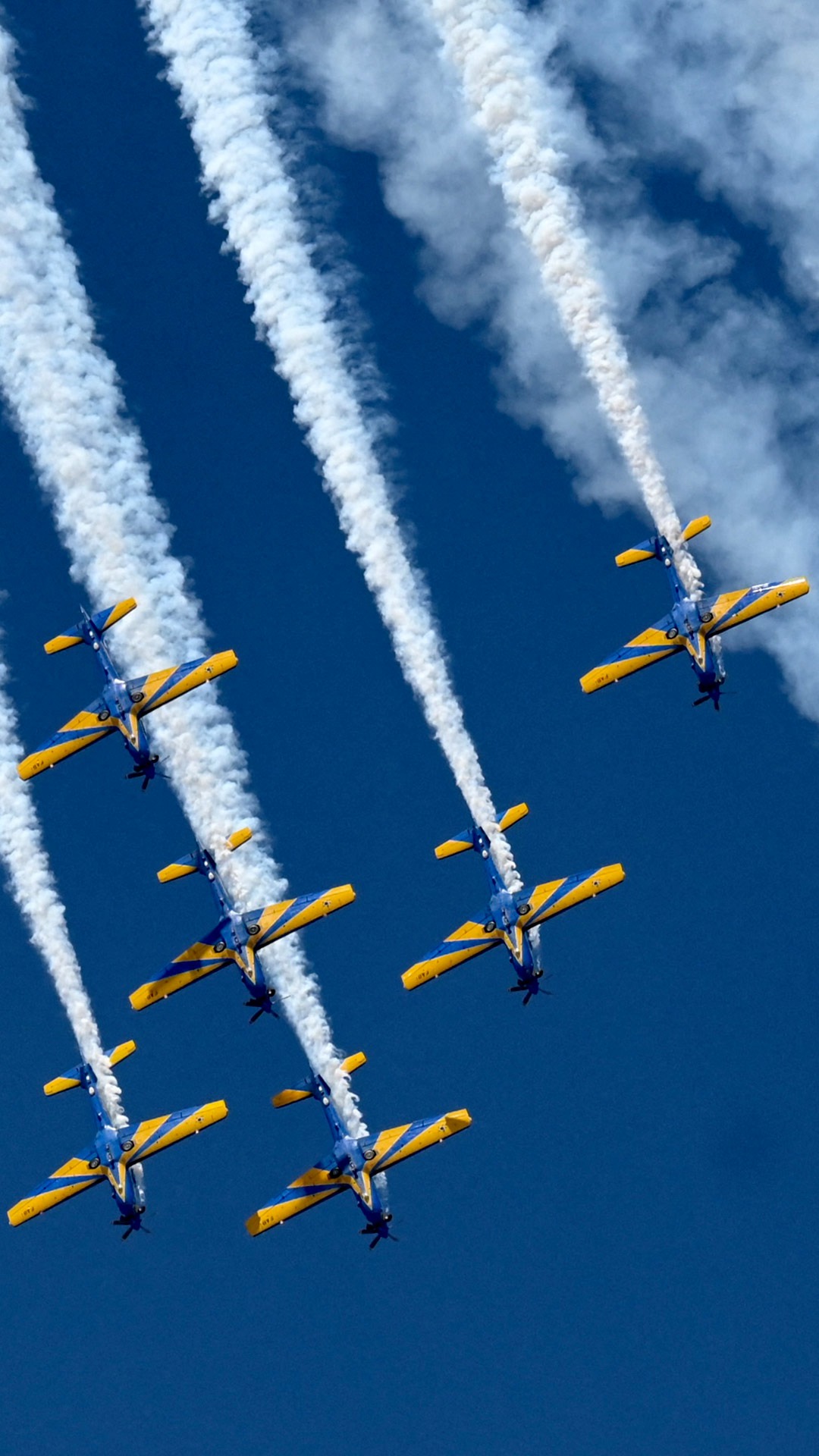
| pt | • | Esquadrilha da Fumaça no desfile do Dia da Independência em Brasília, 2023 |
| (© EVARISTO SA/Getty Images) |
Brazil's Independence Day
It is said that Brasília was planned to be seen from above. Today, Independence Day invites us to do the opposite. On September 7, 1822, after a long crisis between Brazil and Portugal, Dom Pedro proclaimed our Independence. The scene became a painting, a monument, a holiday and a parade. And, in Brasilia, it gained a very Brazilian update: planes pirouetting in the sky.
Today's image shows the Brazilian Air Force's Air Demonstration Squadron, which was born in 1952 when instructors from the then Aeronautics School, in Rio de Janeiro, began to practice acrobatics in their spare time. A year later, smoke came on the scene. The public approved. The nickname, Smoke Squadron, did not take long to take off.
The famous cry of "independence or death" attributed to Dom Pedro on the banks of the Ipiranga, more than two centuries ago, left no sound record. The smoke also disappears. But every September 7, she writes in the sky another chapter of a story that we are still telling.


| 2026‑09‑06 ‑ | International / Brazil / Canada ‑ English / Canada ‑ French / China / France / Germany / India / Japan / Spain / United Kingdom / United States |
|---|
| de | • | Fyans-See, Grampians-Nationalpark, Victoria, Australien |
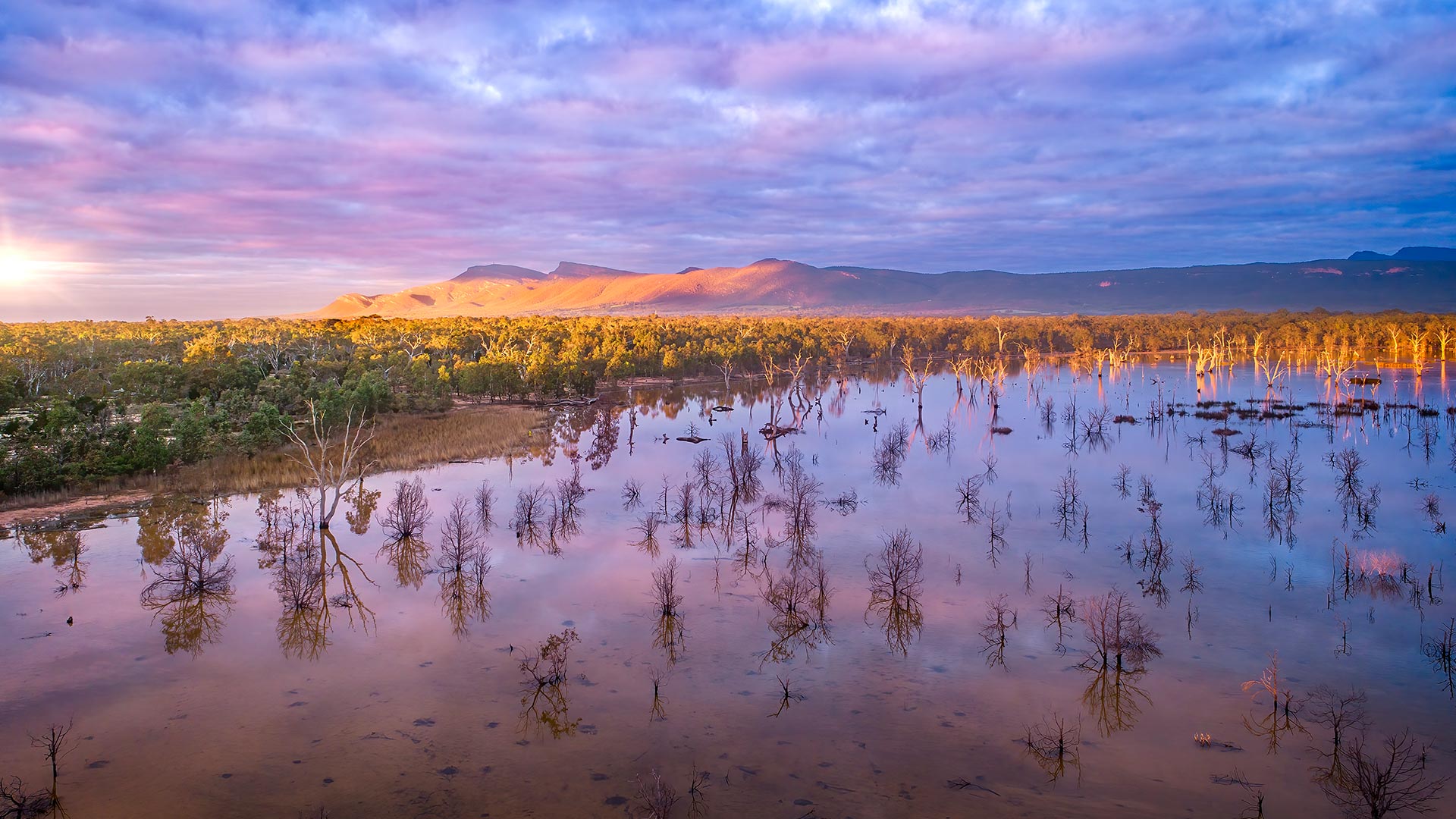
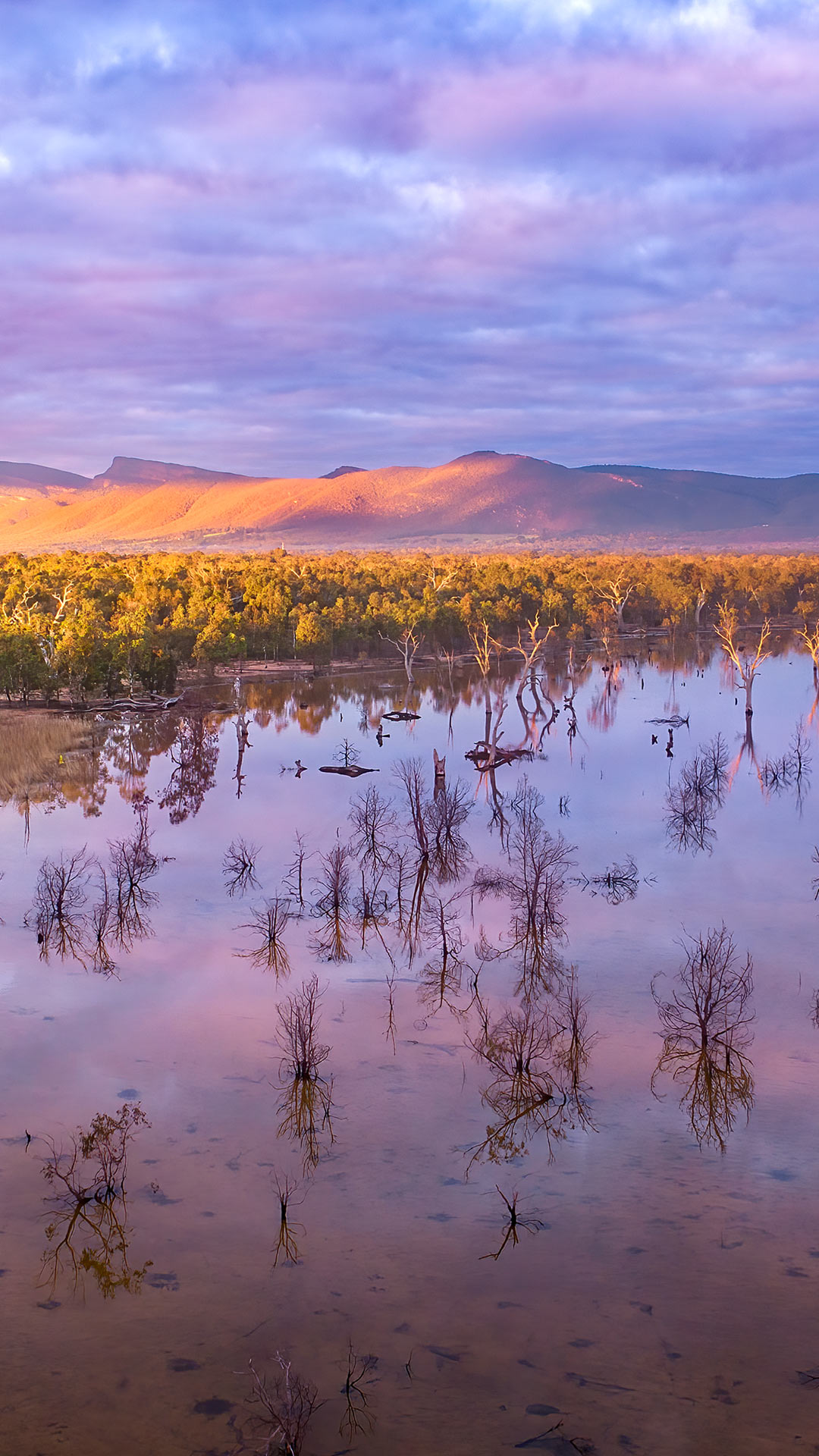
| en | • | Lake Fyans, Grampians National Park, Victoria, Australia |
| es | • | Lago Fyans, Parque Nacional de los Montes Grampianos, Victoria, Australia |
| fr | • | Lac Fyans, Parc national des Grampians, Victoria, Australie |
| ja | • | ファイアンズ湖, オーストラリア |
| pt | • | Lago Fyans, Parque Nacional Grampians, Vitória, Austrália |
| zh | • | 菲安斯湖,格兰屏国家公园,维多利亚州,澳大利亚 |
| (© tracielouise/Getty Images) |
Lake Fyans, Grampians National Park, Victoria, Australia
At first glance, today's image looks more like a drowned woodland than a lake. Bare tree trunks emerge from the water, their reflections stretching across the surface as the Grampians glow in the distance. This is Lake Fyans, an artificial reservoir on the edge of the Grampians (Gariwerd) National Park in Victoria, Australia. Popular with boaters, anglers, sailors and water skiers, it offers a front-row seat to one of the country's most striking landscapes.
The mountains beyond the lake are part of the Grampians, a range shaped over hundreds of millions of years. Today, the region is known for its rugged sandstone peaks, dramatic lookouts, waterfalls and rich Aboriginal cultural heritage. Trails criss-cross the park, leading hikers to sweeping views and encounters with kangaroos, emus and other native birds. Lake Fyans captures that wild spirit in a single scene: flooded trees, open skies and an ever-changing backdrop of ancient mountains.


| 2026‑09‑06 ‑ | Italy |
|---|
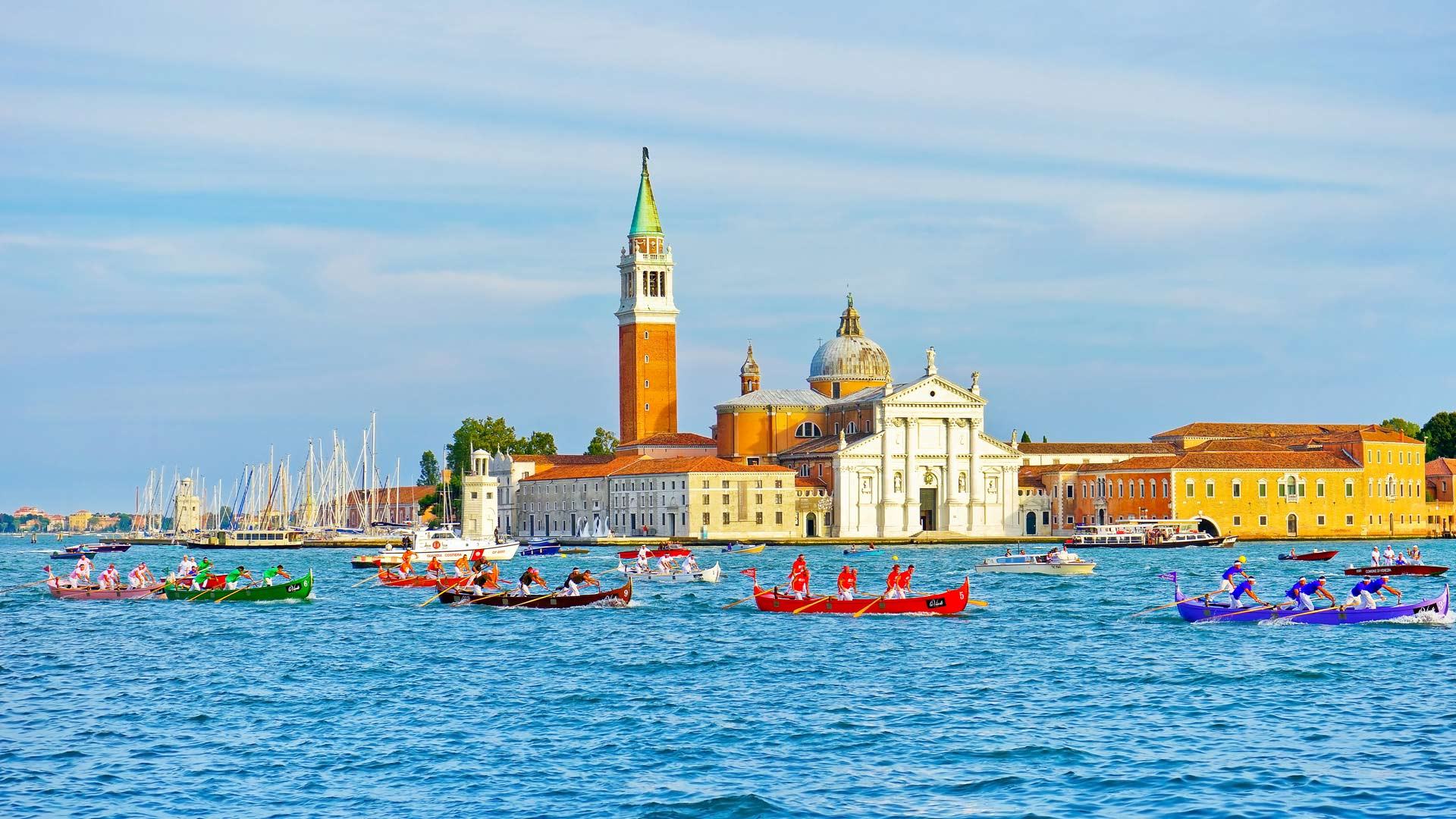
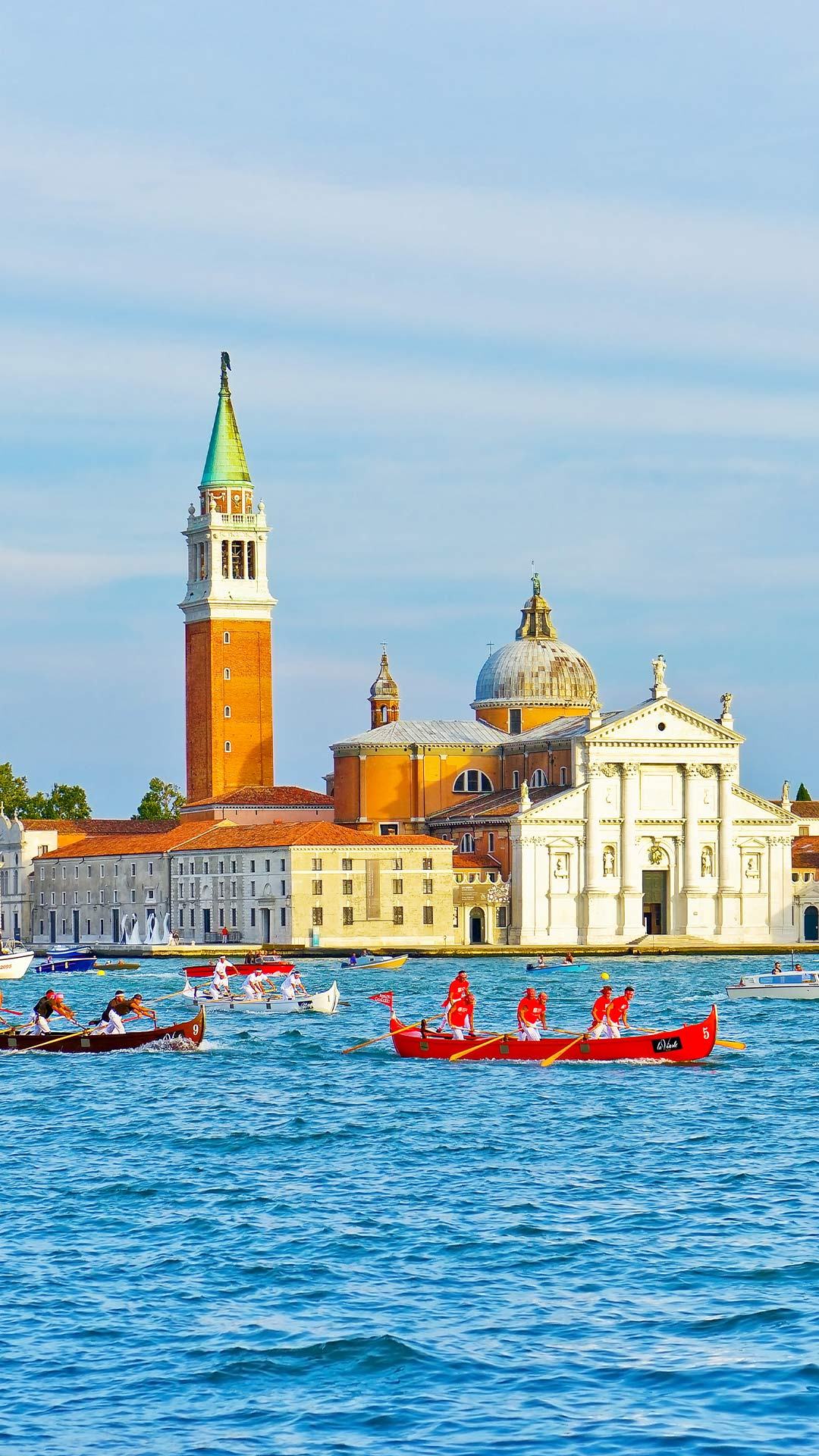
| it | • | Regata Storica di Venezia, Venezia, Italia |
| (© Javen/Shutterstock) |
Historical Regatta of Venice
Today the Grand Canal of Venice (Italy) is transformed into a water track: it is the first Sunday of September and the Historical Regatta, the most awaited event of Venetian rowing, is staged.
It opens with the historical procession, a parade of sixteenth-century boats with crews in costume that evokes the welcome given in 1489 to Caterina Cornaro, queen of Cyprus. This is followed by the races, divided by age and type of boat: the young people on the pupparini, the women on the mascarete, the crews on the six-oared caorline and, as a grand finale, the champions on the two-oared gondolini, the race that in the city they call the Formula 1 of the oar.
The finish line is in front of Ca' Foscari, on the car, the floating stage from which the flags are delivered: red for the first, white for the second, green for the third, blue for the fourth. The first evidence dates back to the thirteenth century and the canal is still full.

| 2026‑09‑05 ‑ | International / Brazil / Canada ‑ English / Canada ‑ French / China / Germany / Italy / Japan / Spain / United States |
|---|
| de | • | Grünstirn-Brillantkolibris an Helikonienblüten, Costa Rica |
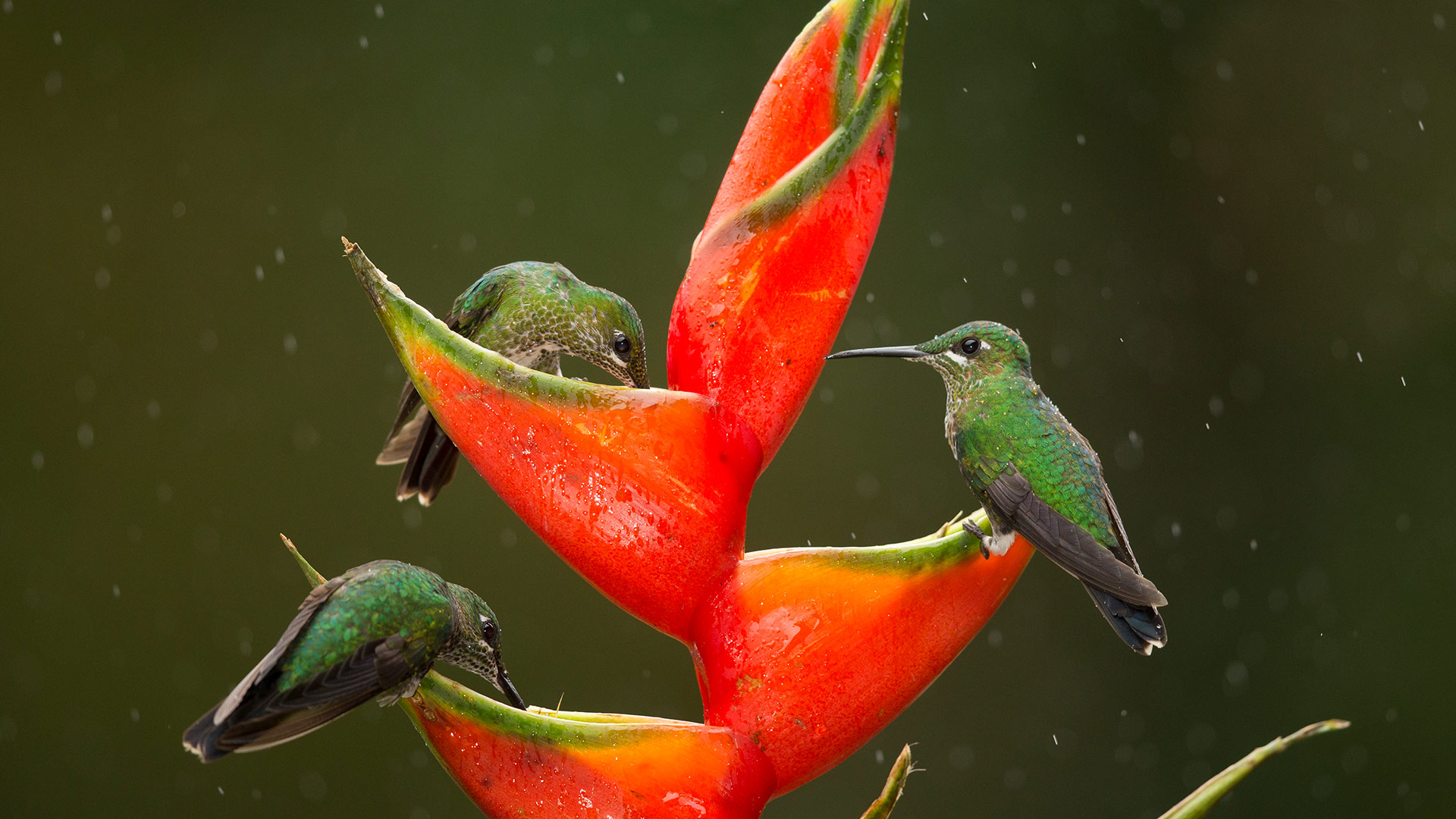
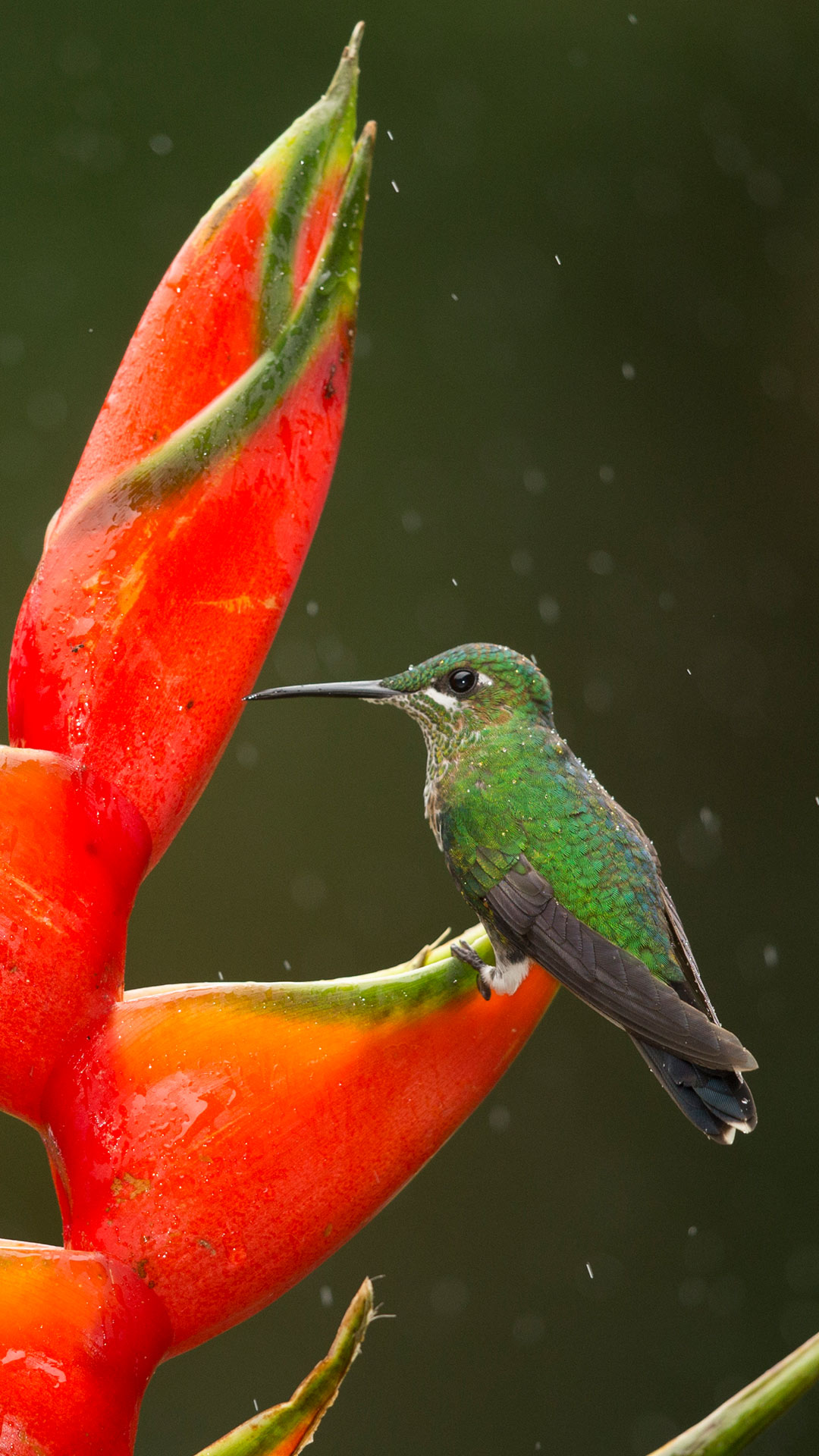
| en | • | Green-crowned brilliant hummingbirds feeding on lobster-claw flowers, Costa Rica |
| es | • | Colibríes brillantes frentiverdes alimentándose de flores de platanillo, Costa Rica |
| fr | • | Brillant à couronne verte butinant des fleurs tropicales de pinces de homard, Costa Rica |
| it | • | Colibrì dalla fronte verde brillante, Costa Rica |
| ja | • | ミドリボウシテリハチドリ, コスタリカ |
| pt | • | Beija-flores-brilhantes-de-coroa-verde alimentando-se de flores de garra-de-lagosta, Costa Rica |
| zh | • | 龙虾爪花上取食的绿顶辉蜂鸟,哥斯达黎加 |
| (© Paul Hobson/Nature Picture Library) |
Green-crowned brilliant hummingbirds in Costa Rica
When it comes to aerial acrobatics, hummingbirds are in a league of their own. Found only in the Americas, these tiny birds can hover in place, fly backwards and beat their wings dozens of times per second. As they visit flowers in search of nectar, they also serve as important pollinators, helping sustain ecosystems from alpine meadows to tropical rainforests. Their shimmering plumage, remarkable agility and high-energy lifestyles make them some of the world's most fascinating birds.
Today's image shows green-crowned brilliant hummingbirds feeding on lobster-claw flowers in Costa Rica. Among Central America's larger hummingbird species, they are known for their iridescent emerald-green plumage and long, slightly curved bills, perfectly adapted for reaching deep into tubular blossoms. They inhabit humid forests from lowland regions to mountain slopes, where flowering plants provide a reliable source of nectar year-round. This feeding behaviour highlights the close relationship between rainforest plants and their pollinators, offering a glimpse into the interconnected web of life in tropical rainforests.
| 2026‑09‑05 ‑ | France |
|---|
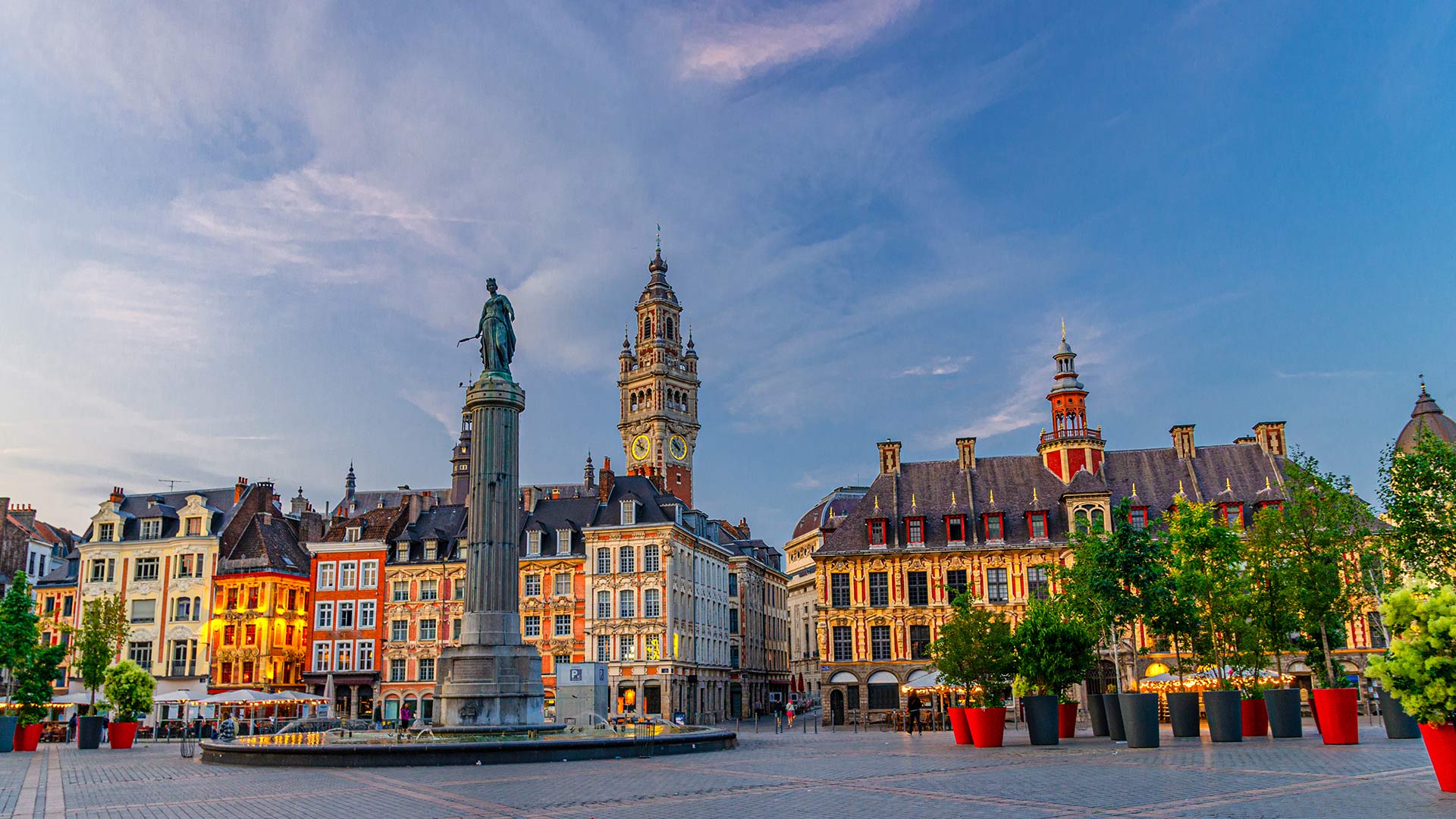
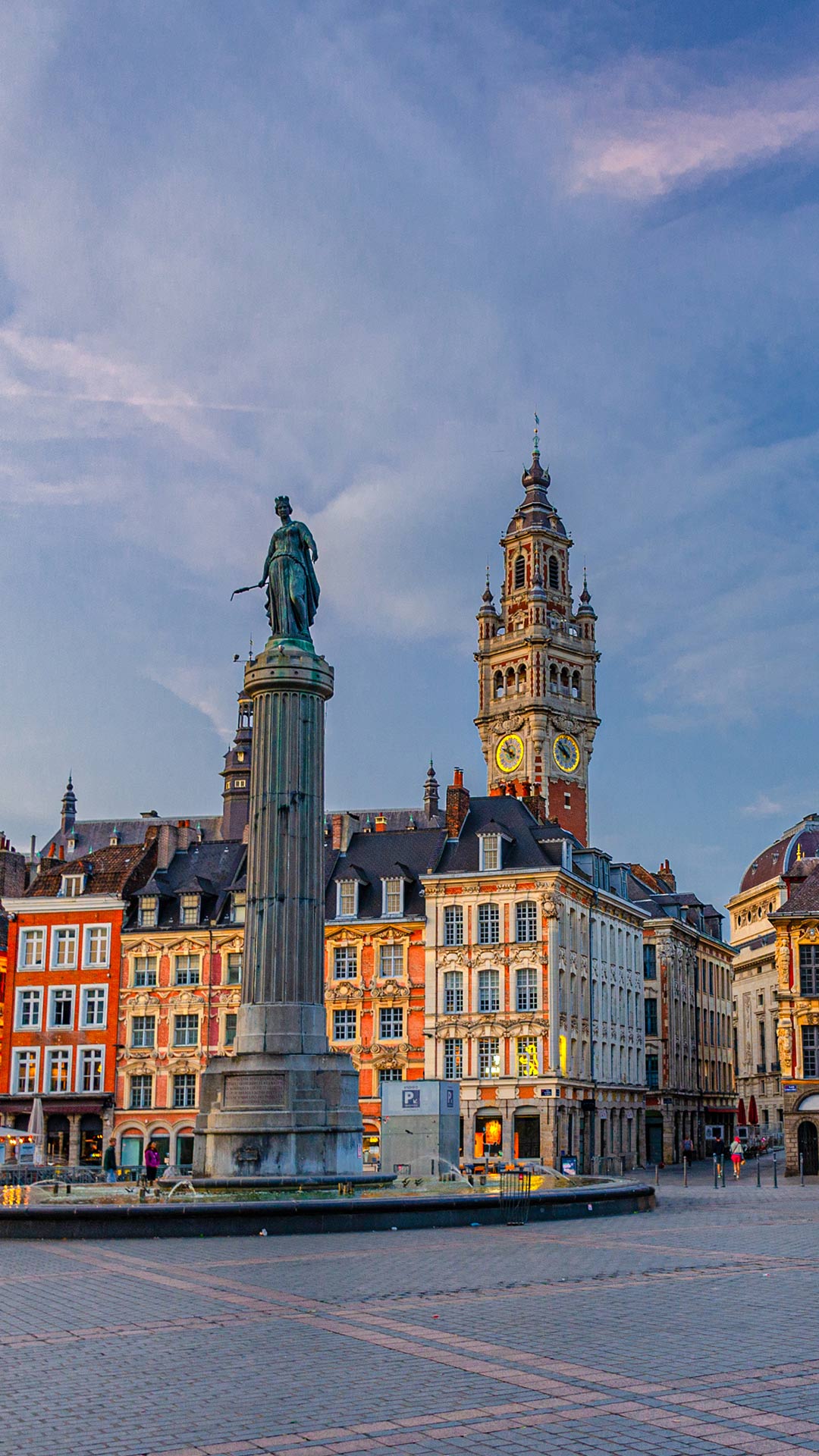
| fr | • | La Grand’Place, Lille |
| (© Aliaksandr Antanovich/Getty Images) |
Braderie de Lille
Every year, on the first weekend of September, Lille is transformed into a huge open-air theatre. This year, the famous Braderie takes place on 5 and 6 September and invites visitors, bargain hunters and the curious to browse about fifty kilometres of stalls in the heart of the capital of Flanders.
In the cobbled streets, the air is filled with the scent of waffles and the inevitable mussels and chips. Under the red brick facades, a legacy of the city's Flemish history, forgotten treasures find a second life: old books, unusual objects, souvenirs from another time. As the day progresses, the joyful tumult of conversations mixes with the sounds of urban animation. The Deûle, which crosses the metropolis, reminds us that Lille has been built for centuries at the crossroads of trade and commerce.
The Braderie is much more than a market: it is a lively, warm and deeply human experience, where every find tells a story and every street holds a surprise.