Bing daily wallpapers
page 14 / 20
| 2026‑09‑11 ‑ | Japan |
|---|---|
| 2026‑09‑09 ‑ | Brazil / Canada ‑ English / Canada ‑ French / China / France / Germany / India / Italy / Spain / United Kingdom / United States |
| de | • | Gabit-Keni-Strand bei Ankola, Karnataka, Indien |
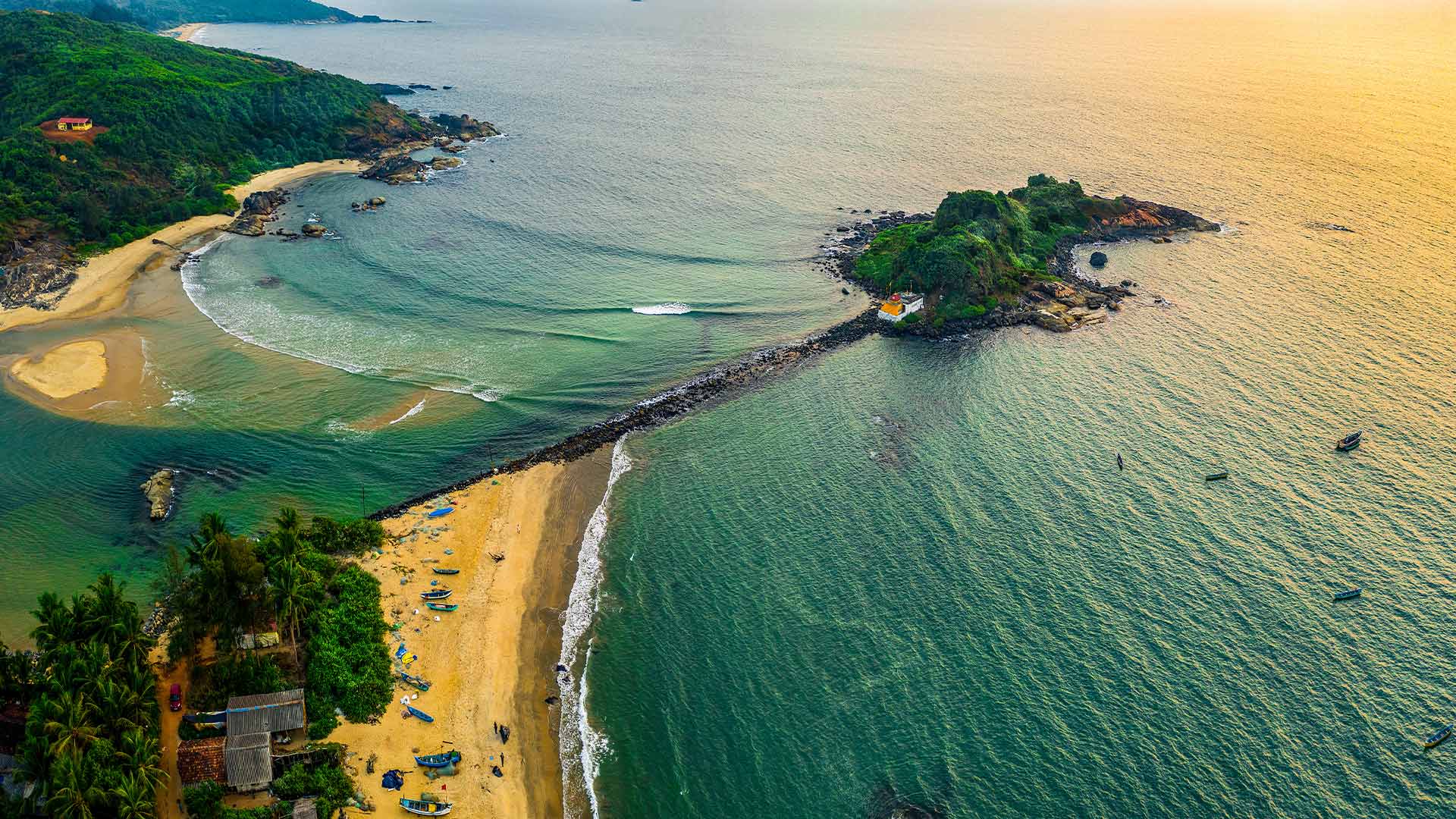
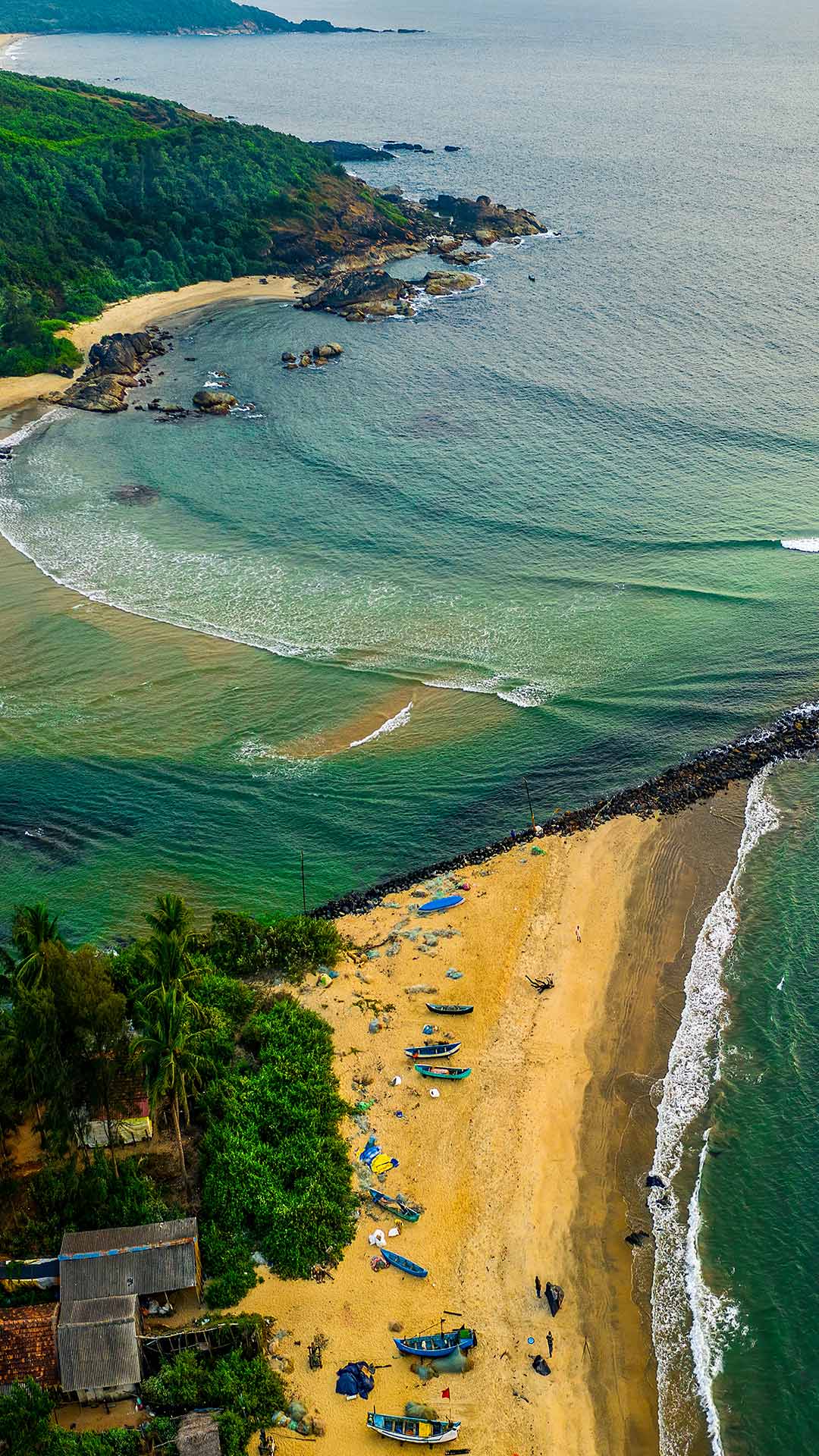
| en | • | Gabit Keni Beach near Ankola, Karnataka |
| • | Gabit Keni Beach near Ankola, Karnataka, India | |
| es | • | Playa Gabit Keni cerca de Ankola, Karnataka, India |
| fr | • | Plage de Gabit Keni près d’Ankola, Karnataka, Inde |
| it | • | Gabit Keni Beach vicino ad Ankola, Karnataka, India |
| ja | • | ガビット・ケニ・ビーチ, インド |
| pt | • | Praia de Gabit Keni, perto de Ankola, Carnataca, Índia |
| zh | • | 安科拉附近的加比特凯尼海滩,卡纳塔克邦,印度 |
| (© Amith Nag Photography/Getty Images) |
Gabit Keni Beach near Ankola, Karnataka
When people think of South India, they often picture spice trade routes, classical music, folk traditions and a coastline shaped by centuries of maritime life. Follow Karnataka's Arabian Sea coast to the quieter shores of Gabit Keni Beach near Ankola, where fishing remains part of everyday life.
The beach is named after the Gabit fishing community. It's an easy stop while exploring the Uttara Kannada district, especially alongside Gokarna, Karwar and the historic Mirjan Fort. It also has an unusual landmark just offshore: a rocky island topped by the Sri Mangteshwar Temple. A path of large rocks crosses the water, providing access to the temple when sea conditions permit. The setting has earned comparisons with Bali's famous Tanah Lot, although Gabit Keni remains far less developed and crowded.
The surrounding Ankola region is known for its fishing communities, cashews and Ishaad mangoes. Nearby Gokarna, Karwar and Mirjan Fort make the beach an easy addition to a coastal Karnataka itinerary.



| 2026‑09‑10 ‑ | Canada ‑ English / Canada ‑ French |
|---|
| en | • | The Roy Thomson Hall, Toronto, Ontario |
| fr | • | Roy Thomson Hall, Toronto, Ontario |
| (© eskystudio/Shutterstock) |
51st Toronto International Film Festival
Ready for eleven days of movie mania? TIFF starts today, and Toronto is slipping into festival mode: coffee in one hand, screening schedule in the other. The event began in 1976 as the Festival of Festivals, giving Canadian audiences access to standout films from around the world. Fifty-one editions later, Roy Thomson Hall, along with other venues, is once again welcoming premieres, filmmakers and crowds hoping to catch the next big conversation before everyone else does.
This year's lineup features 293 films, with 'Being Heumann' by Siân Heder opening the festival and 'Villeneuve: The Rise of a Legend' by Yan Lanouette Turgeon bringing it to a close. Along the way, audiences can expect gala premieres, documentaries, shorts, industry events and late-night discussions that continue well beyond the theatre doors. One of the most entertaining TIFF traditions is the race for the People's Choice Award, where ordinary cinemagoers help decide which film leaves Toronto with the loudest buzz. So, which film gets your first popcorn at the festival?


| 2026‑09‑09 ‑ | International |
|---|---|
| 2026‑08‑25 ‑ | Canada ‑ English / Canada ‑ French |
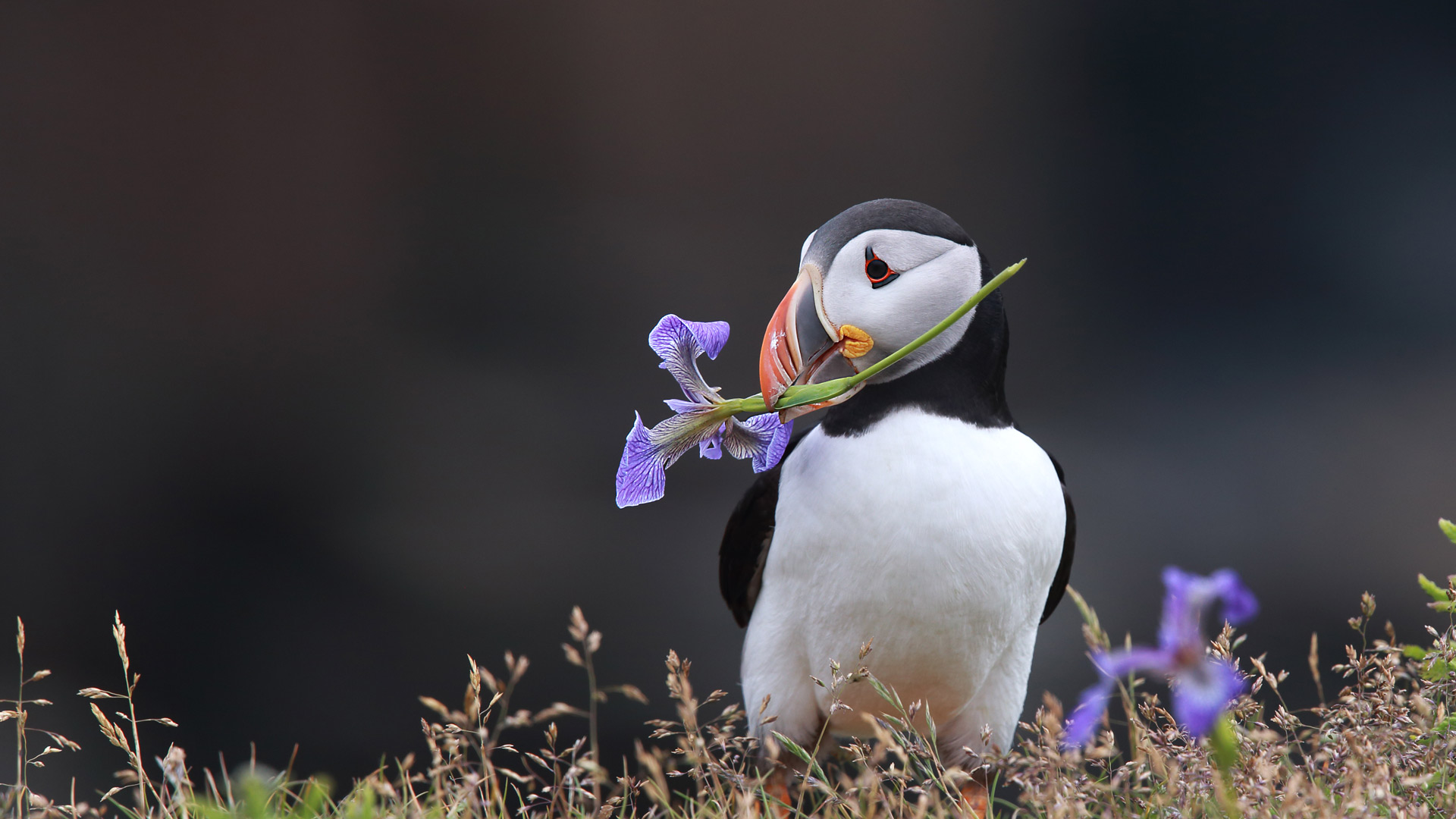
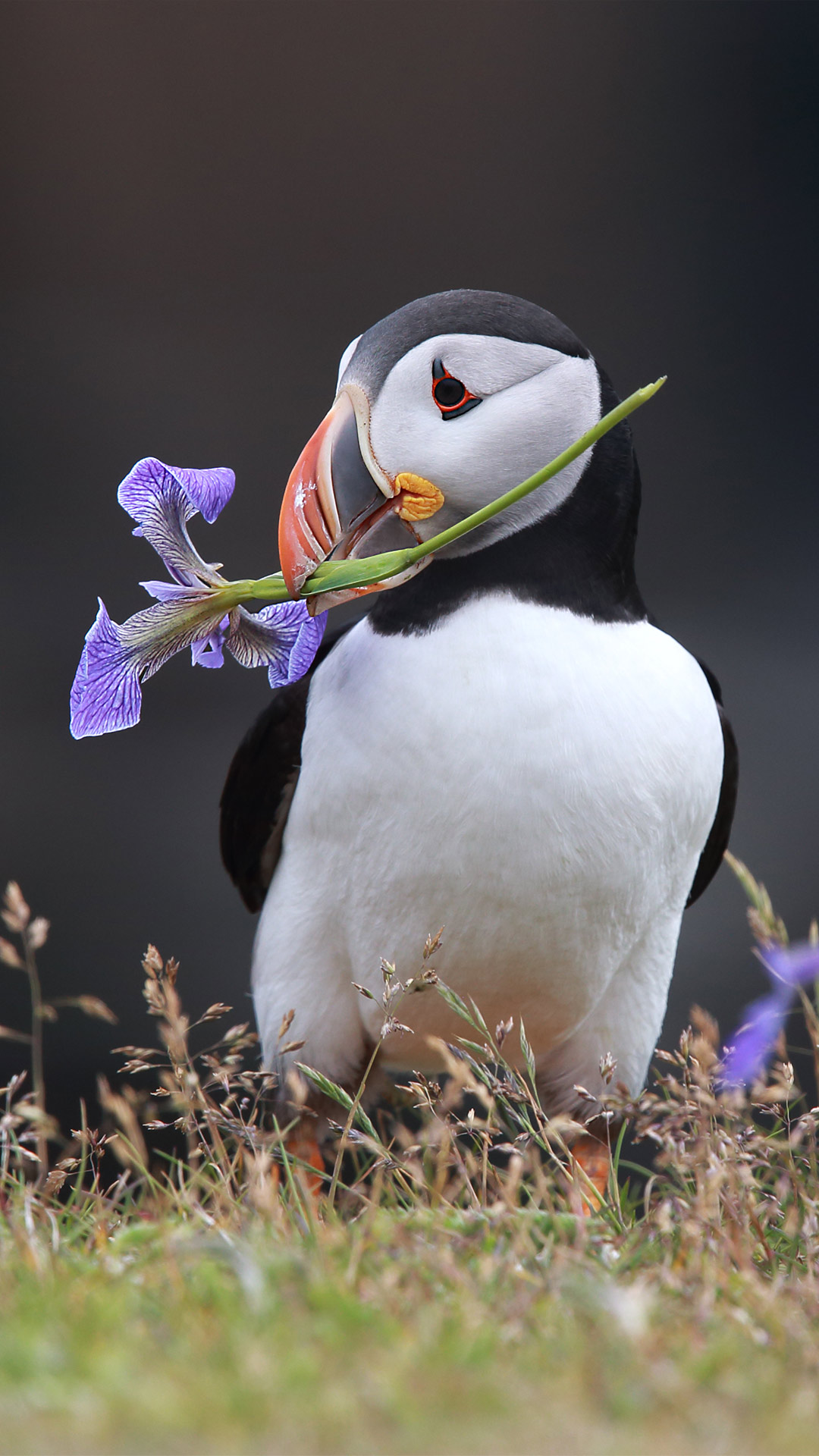
| en | • | Atlantic puffin holding a wild iris in his beak in Elliston, Newfoundland |
| • | Atlantic puffin holding a wild iris in his beak in Elliston, Newfoundland, Canada | |
| fr | • | Macareux moine tenant un iris dans son bec à Elliston, Terre-Neuve |
| (© mlorenzphotography/Getty Images) |
Atlantic puffin in Elliston, Newfoundland, Canada
As morning breaks over Elliston, a small seabird appears with a wild iris held across its bill. The scene looks almost like a gift, yet biologists say Atlantic puffins are not known to offer flowers to their mates during courtship. The colourful bill, which becomes brightest in the breeding season and fades later in the year, helps make the photograph memorable. Even their feet turn brighter.
Across Canada, puffins breed mainly on the coasts and islands of Newfoundland and Labrador. They spend most of their lives on the open Atlantic and return to land to raise a single chick in a burrow or rocky crevice. Both parents incubate the egg and deliver food. Their diet consists largely of capelin, sand lance and other small fish, which they catch underwater by using their wings as paddles. Puffins can even carry several fish at once, using backward-pointing spines on the tongue and palate to keep their catch from slipping away.

| 2026‑09‑09 ‑ | Japan |
|---|
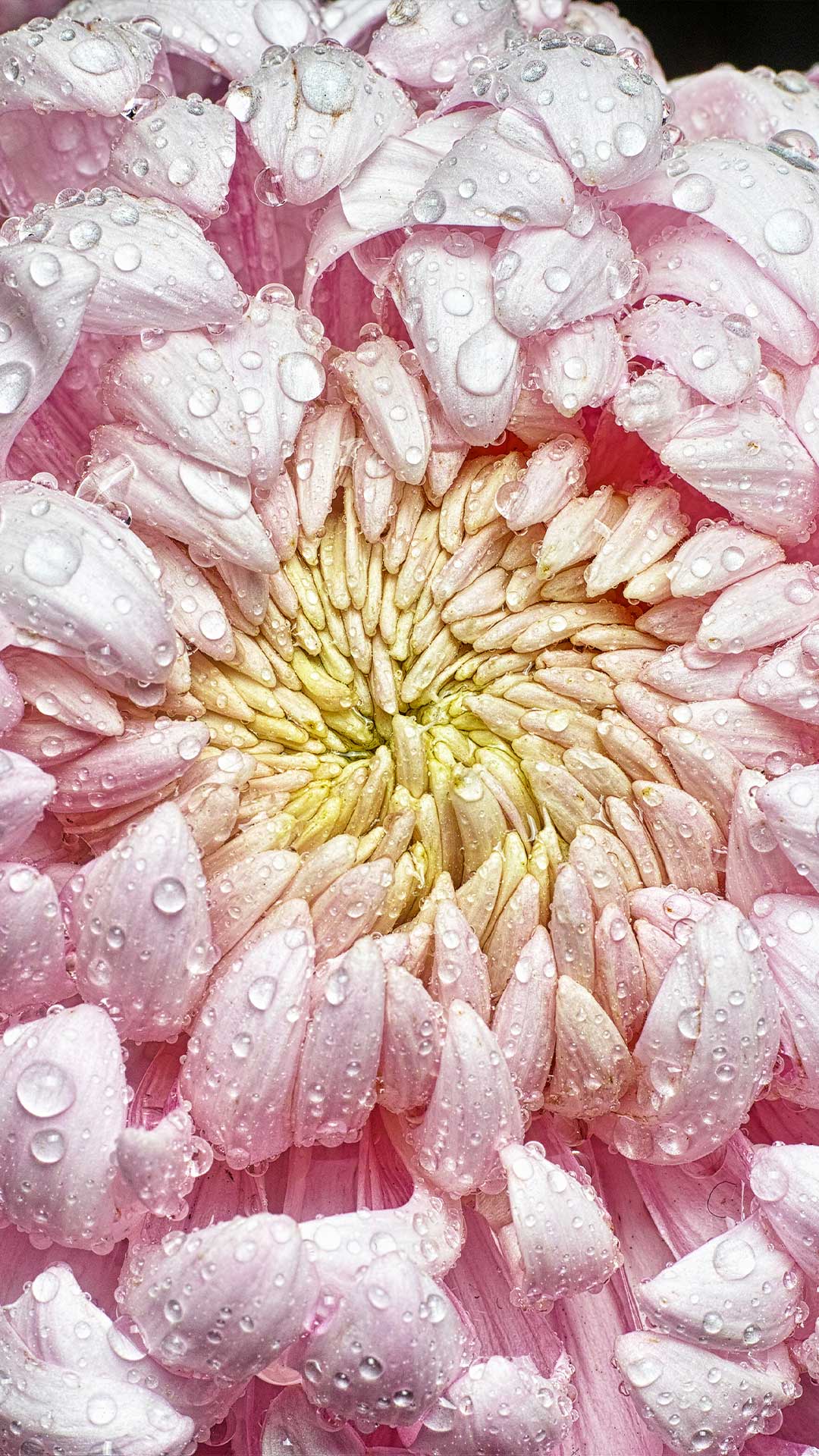
| ja | • | 菊の花 |
| (© yanjf/Getty Images) |
Today is the Double Ninth Festival.
Today, September 9th, is the "Chongyang Festival." It is one of the five seasonal festivals alongside the Seven Herb Festival, Peach Festival, Tango Festival, and Sasa Festival (Tanabata), with origins tracing back to ancient China. In the Chinese theory of Yin-Yang and Five Elements, it is considered an auspicious day with odd numbers overlapping, and events are held to pray for protection from misfortune and longevity. This concept was introduced to Japan, and since around the ninth day of the ninth lunar month was also the season when chrysanthemums bloomed in full bloom, it came to be called the 'Chrysanthemum Festival' in Japan. During the Heian period, nobles held chrysanthemum festivals. It is also said that the dew on chrysanthemum flowers was transferred onto pure cotton called 'kisewata,' which was used to wipe the body and pray for good health and longevity.

| 2026‑09‑08 ‑ | International / Brazil / Canada ‑ English / Canada ‑ French / China / France / Germany / India / Italy / Japan / United Kingdom / United States |
|---|
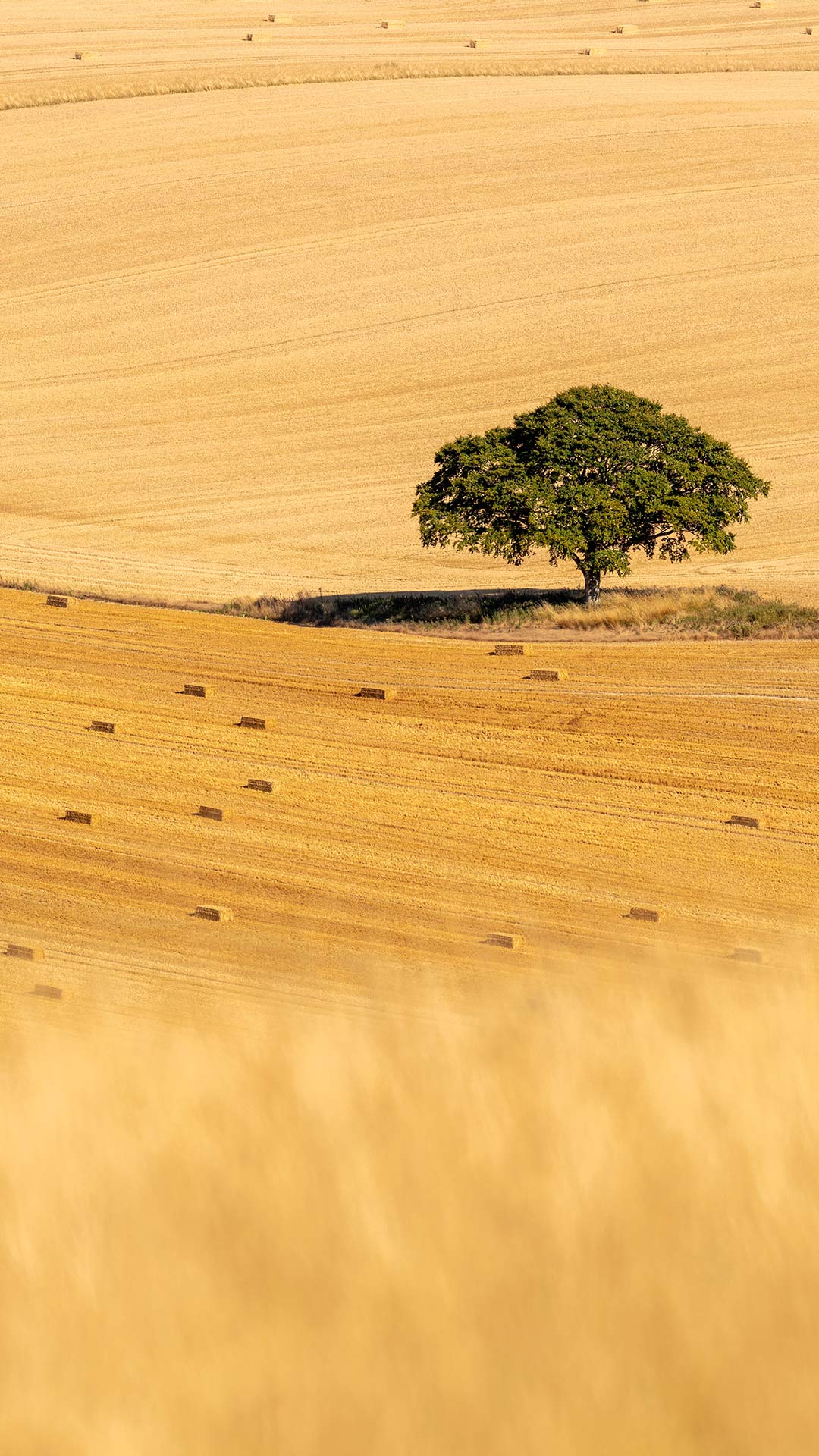
| de | • | Buche in einem Getreidefeld, East Meon, South-Downs-Nationalpark, Hampshire, England |
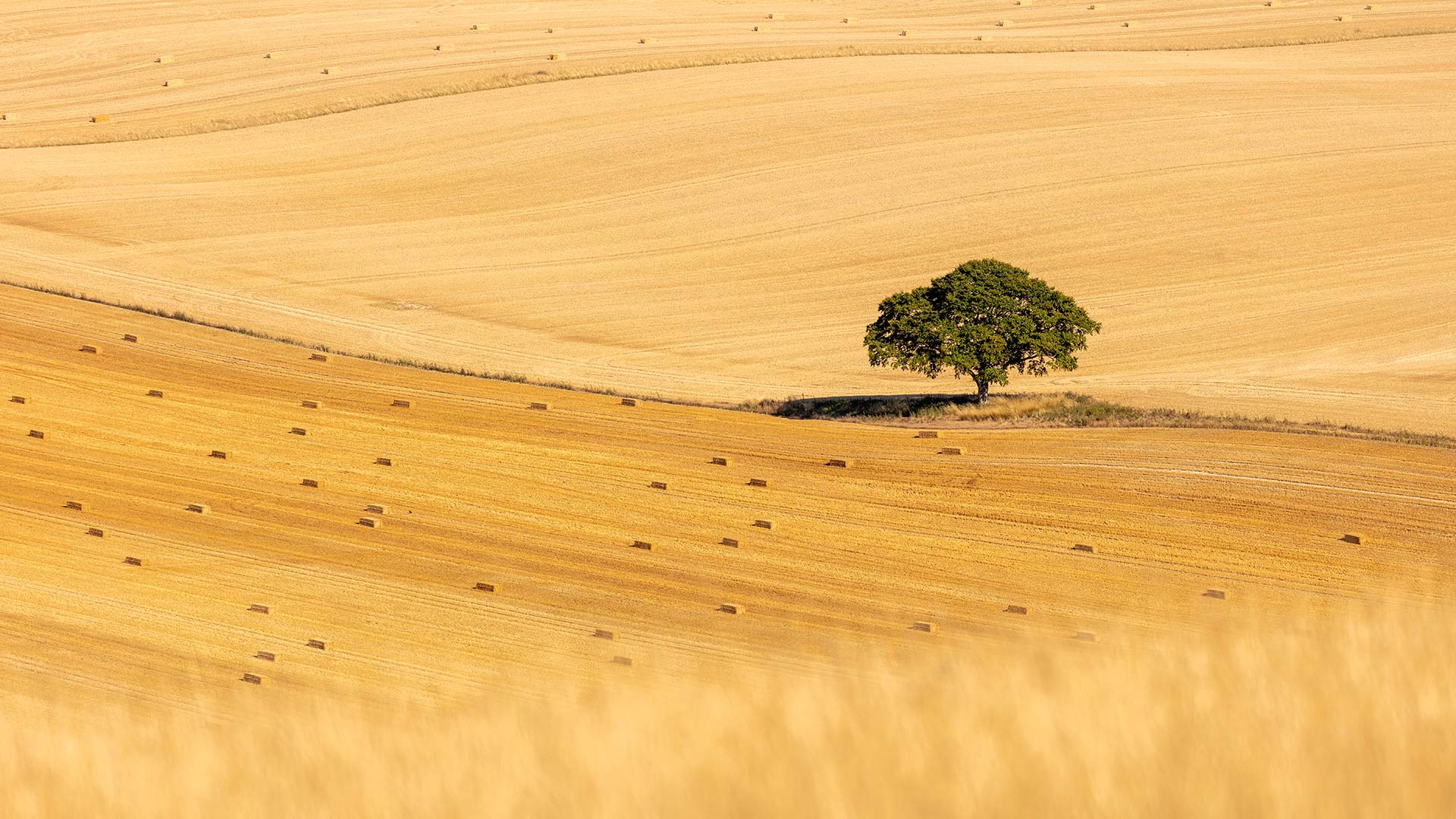
| en | • | Beech tree in a cereal field, East Meon, South Downs National Park, Hampshire, England |
| fr | • | Hêtre au milieu de champs de céréales, East Meon, Parc national des South Downs, Hampshire, Angleterre |
| it | • | Faggio in un campo di cereali, East Meon, Parco Nazionale dei South Downs, Hampshire, Inghilterra |
| ja | • | イースト・ミーオン, イングランド |
| pt | • | Faia-europeia em um campo de cereais, Parque Nacional de South Downs, Hampshire, Inglaterra |
| zh | • | 东米恩南唐斯国家公园谷物田中的山毛榉树,汉普郡,英格兰 |
| (© Guy Edwardes/Minden Pictures) |
Beech tree in a cereal field, Hampshire, England
A beech tree stands alone amid golden fields near East Meon in Hampshire, providing a striking focal point in the rolling landscape of England's South Downs National Park. Agriculture has shaped these chalk hills for centuries, and farming remains an important part of the region today. The area's free-draining chalk soils support extensive arable farming, with wheat and barley among the most common crops. Throughout the summer, these crops ripen in the fields before harvest transforms the countryside into a patchwork of gold and stubble.
Early September coincides with the main harvest season, when rural communities begin celebrating the year's bounty. In villages such as East Meon, harvest traditions remain an enduring part of local life, reflecting the deep connection between the land and the people who work it. Framed by open skies and sweeping farmland, this solitary tree stands as a symbol of the South Downs' long agricultural heritage.
| 2026‑09‑08 ‑ | Spain |
|---|
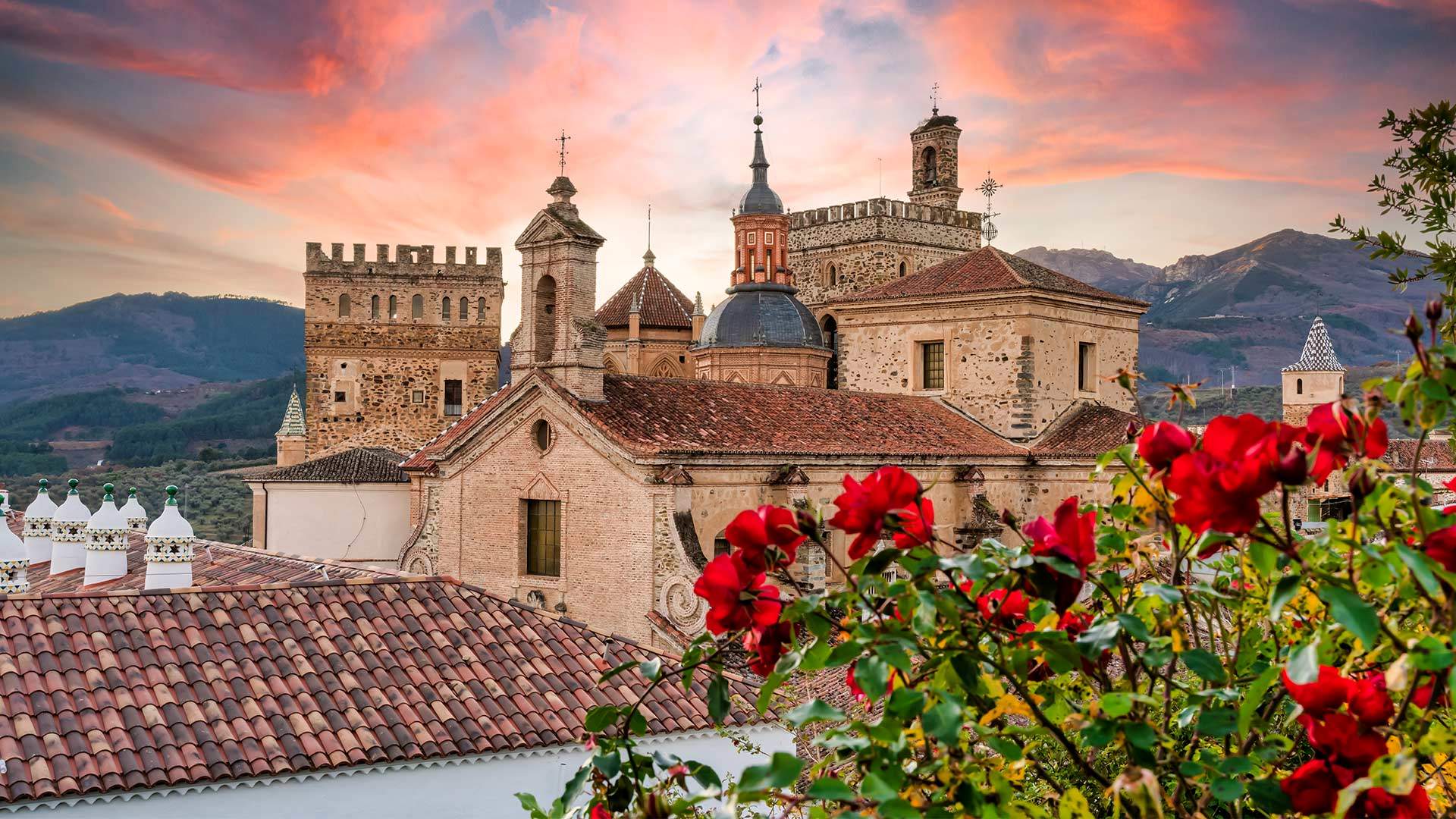
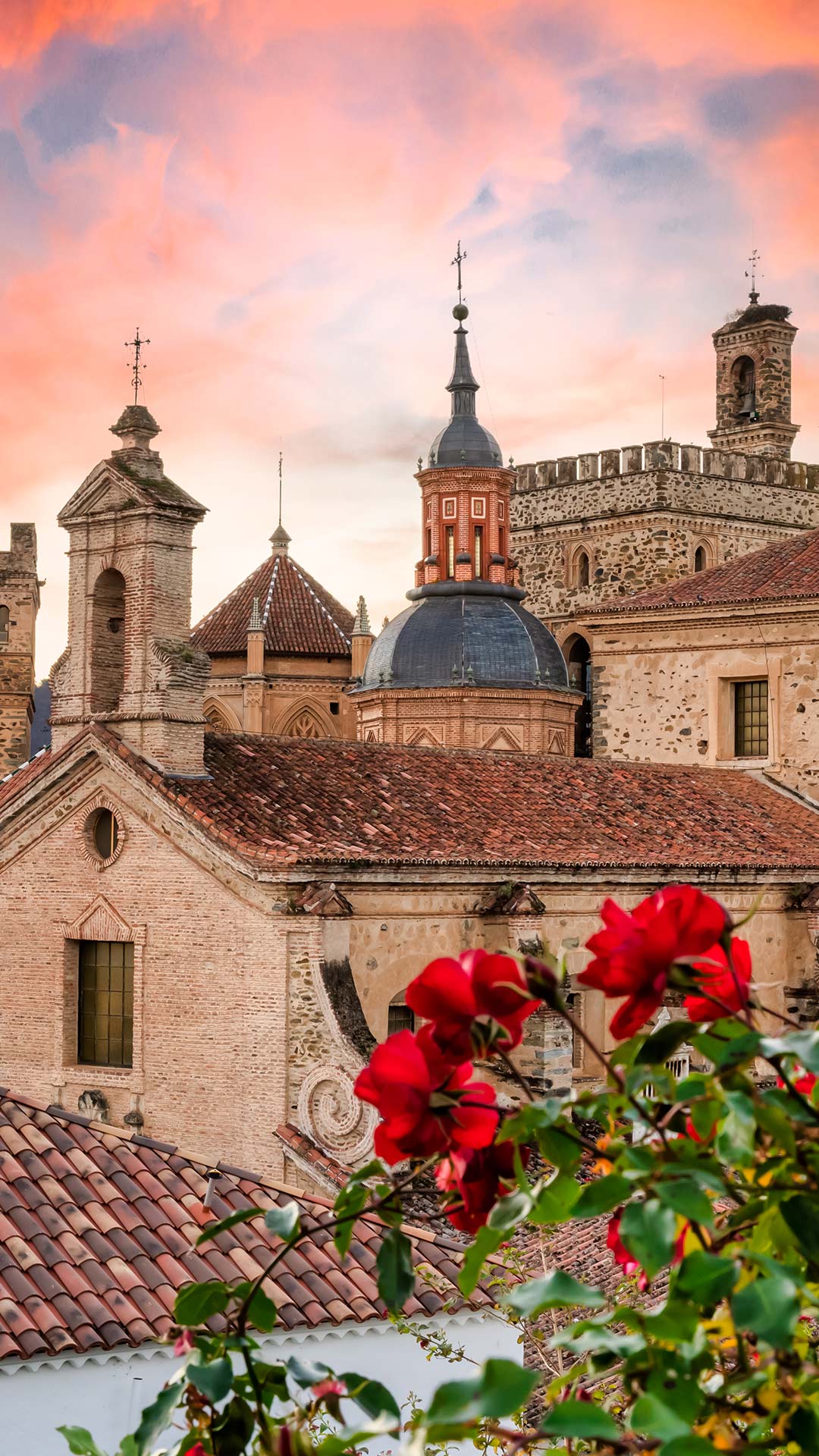
| es | • | Real Monasterio de Nuestra Señora de Guadalupe, Cáceres, Extremadura, España |
| (© Armando Oliveira/Getty Images) |
Extremadura Day
The Royal Monastery of Santa María de Guadalupe, in the province of Cáceres (Spain), is the heart of the Day of Extremadura, which has been celebrated every September 8 since 1985. The date coincides with the feast of the Virgin of Guadalupe, patron saint of the region, and the building hides an extraordinary wink: its main axis points to the exact point where the sun rises precisely on that day.
Built since the fourteenth century with the impetus of Alfonso XI, the complex combines Gothic, Mudejar, Renaissance, Baroque and Neoclassical without anything squeaking, and has been a World Heritage Site since 1993. In its sacristy hang eight canvases by Francisco de Zurbarán, the only group of works by the painter from Extremadura that remain in the place for which it was painted.
Around it lie the mountain ranges of the Villuercas-Ibores-Jara Global Geopark. Few regional festivals can boast of such a scenario.