Bing daily wallpapers
page 16 / 20
| 2026‑09‑05 ‑ | India |
|---|
| en | • | Khairul Manazil, New Delhi |
| (© SoumenNath/E+/Getty Images) |
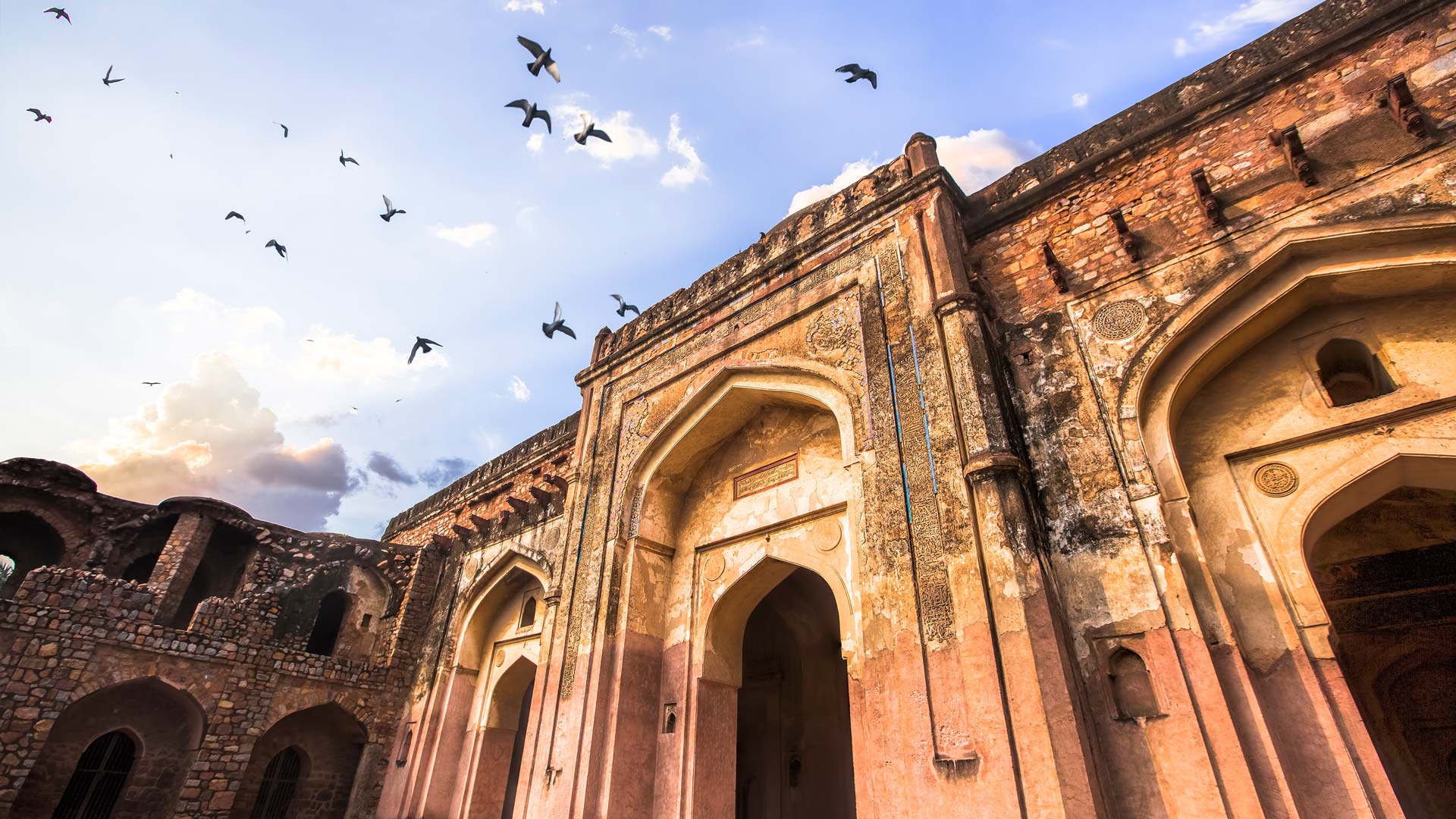
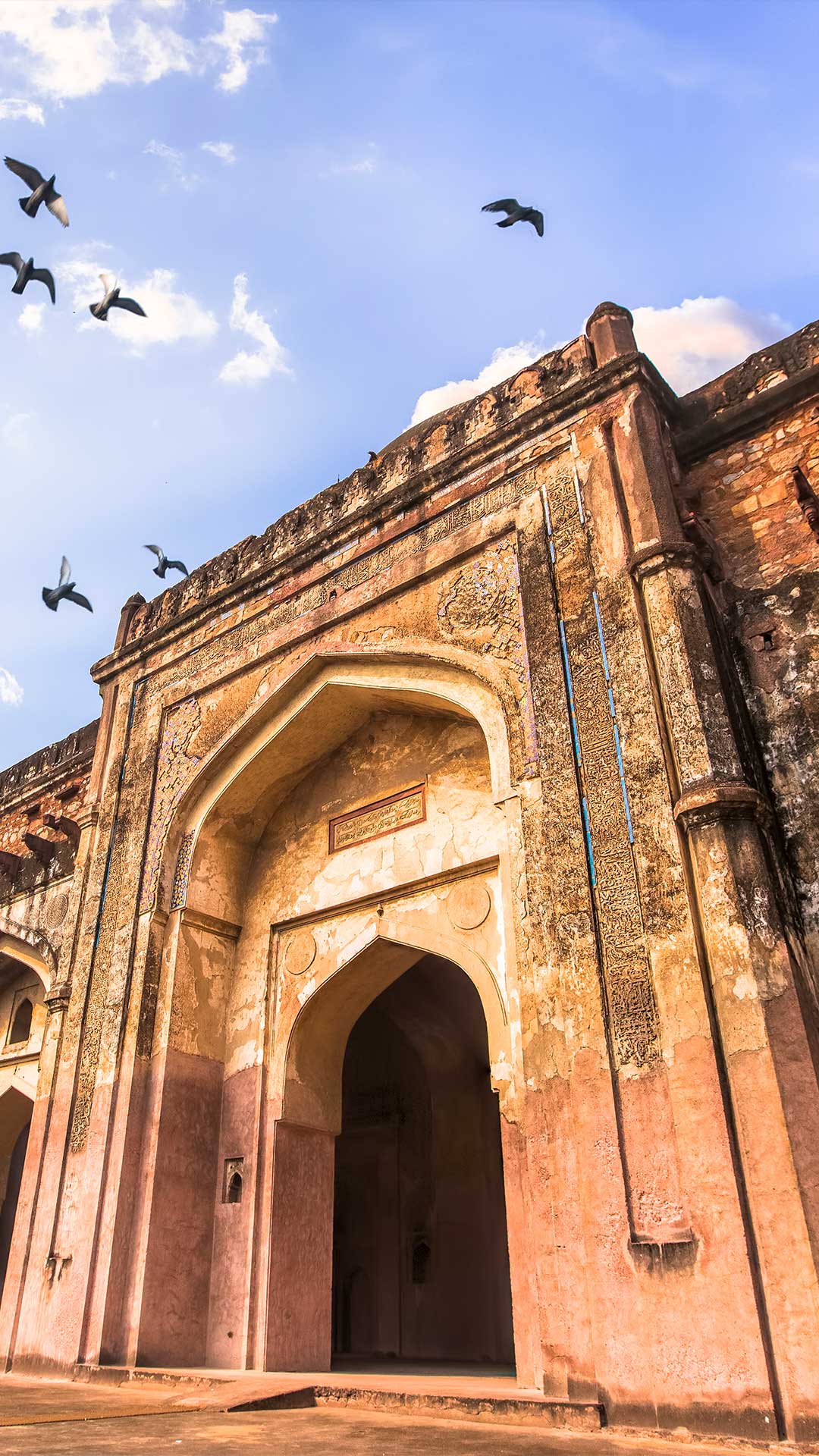
Khairul Manazil, New Delhi
Delhi has no shortage of monuments built by emperors. But opposite Purana Qila stands one that tells a different story. Built in 1561–62, Khairul Manazil was commissioned by Maham Anga, Emperor Akbar's powerful foster mother and wet nurse. Its name, meaning 'the most auspicious of houses,' has a clever hidden detail. The Persian letters of Khairul Manazil form a chronogram corresponding to 969 AH, the Islamic calendar year of its completion.
This monument captures a shift in architectural styles. Its grand red sandstone gateway reflects emerging Mughal tastes, while the prayer hall and other elements retain influences from Delhi Sultanate architecture. The complex served both as a mosque and a madrasa (Islamic centre of learning). Historical accounts record that an assassination attempt was made on Akbar near the mosque in 1564, as he returned from Nizamuddin.
Today, it is a centrally protected monument under the Archaeological Survey of India, quietly preserving the story of a woman who wielded power at the Mughal court.


| 2026‑09‑04 ‑ | International / Canada ‑ English / Canada ‑ French / China / France / India / Italy / Japan / Spain / United Kingdom / United States | 2026‑06‑27 ‑ | Germany |
|---|
| de | • | Leuchtturm Westerheversand, Nordsee, Schleswig-Holstein |
| en | • | Westerheversand Lighthouse in Westerhever, Schleswig-Holstein, Germany |
| es | • | Faro de Westerheversand, Westerhever, Schleswig-Holstein, Alemania |
| fr | • | Phare de Westerheversand à Westerhever, Schleswig-Holstein, Allemagne |
| it | • | Faro di Westerheversand in Westerhever, Schleswig-Holstein, Germania |
| ja | • | ヴェスターヘーファーザント灯台, ドイツ |
| zh | • | 韦斯特黑弗的韦斯特黑弗桑德灯塔,石勒苏益格-荷尔斯泰因州,德国 |
| (© bluejayphoto/Getty Images) |
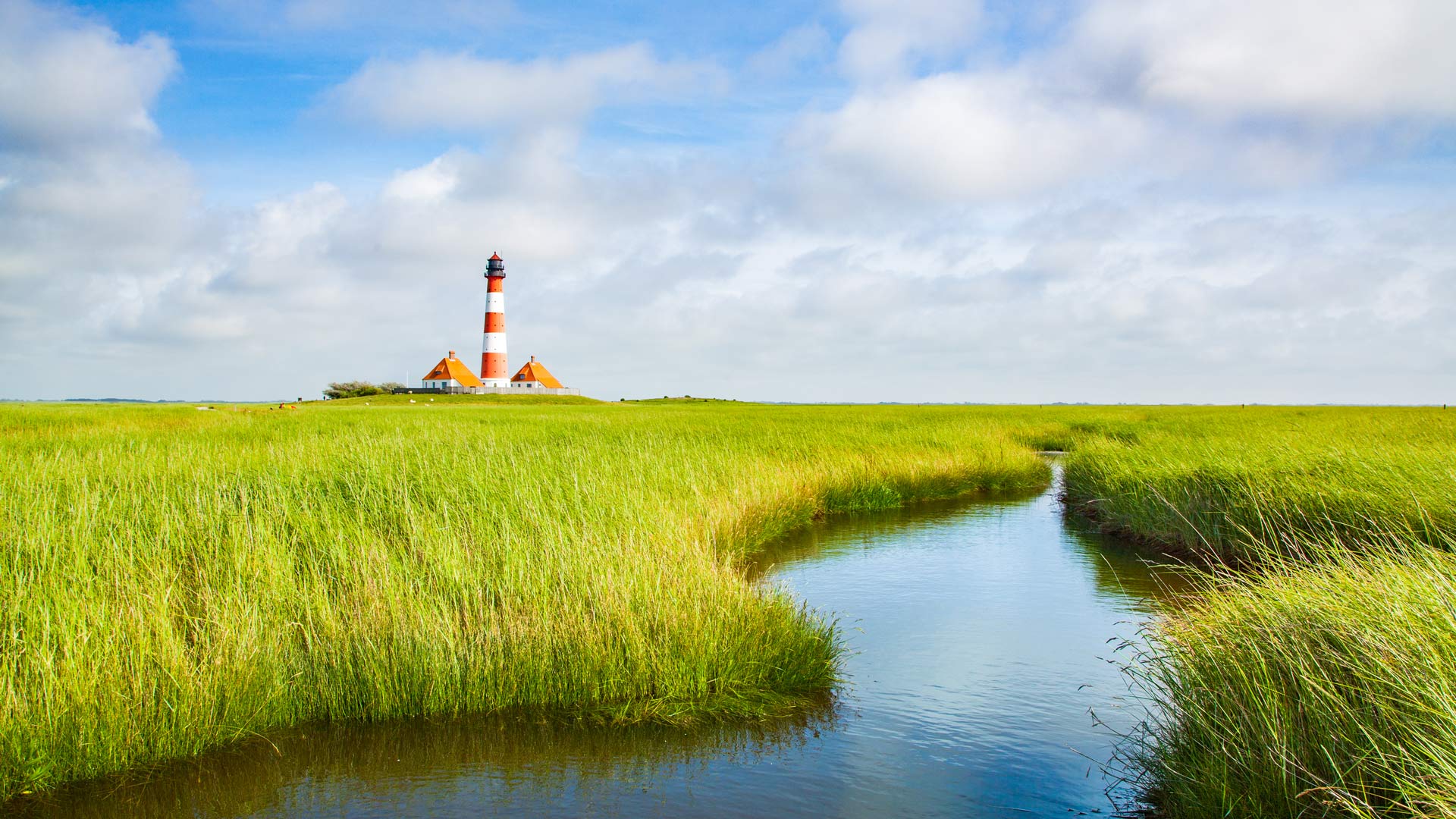
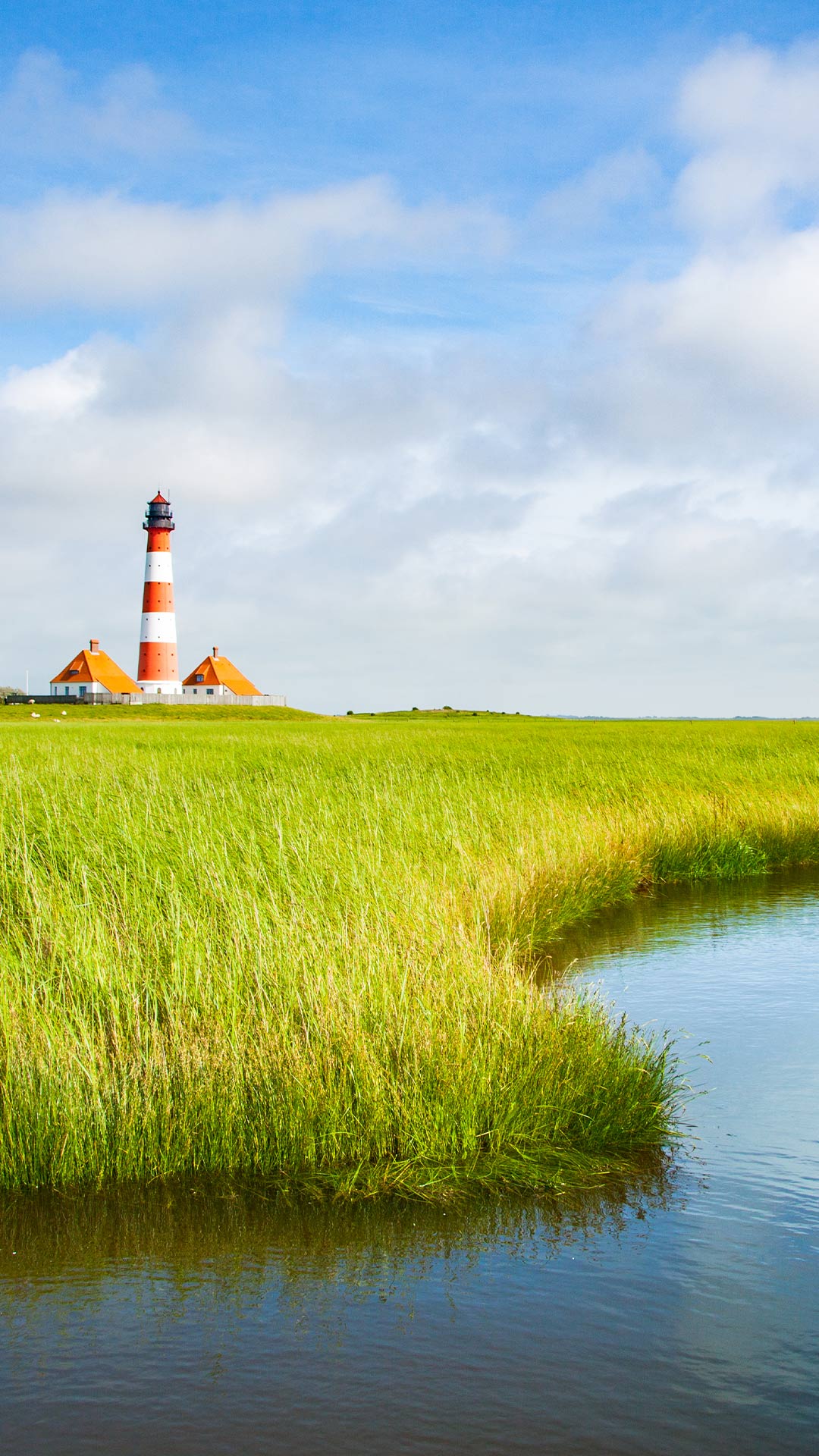
Westerheversand Lighthouse, Schleswig-Holstein, Germany
Rising above the salt marshes along Germany's North Sea coast, the Westerheversand Lighthouse is instantly recognisable thanks to its distinctive red-and-white stripes. Built between 1906 and 1908, the lighthouse has stood as an icon on the Eiderstedt Peninsula for more than a century, guiding ships through the waters of the North Sea. Today, it remains one of northern Germany's best-known coastal landmarks. Visitors who climb its 157 steps are rewarded with sweeping views of the surrounding scenery.
A narrow tidal channel meanders through the marshland, leading the eye towards the striped beacon in the distance. The surrounding landscape is part of the Schleswig-Holstein Wadden Sea National Park, within the UNESCO World Heritage-listed Wadden Sea. Shaped by the constant rhythm of tides, this remarkable coastal environment changes throughout the day as water levels rise and fall. Salt marshes and extensive tidal flats support a rich variety of wildlife, making the Wadden Sea one of the world's most important wetland ecosystems.


| 2026‑09‑04 ‑ | Germany |
|---|
| de | • | Horizontobservatorium, Halde Hoheward, Herten, Nordrhein-Westfalen |
| (© lilly3/Getty Images) |
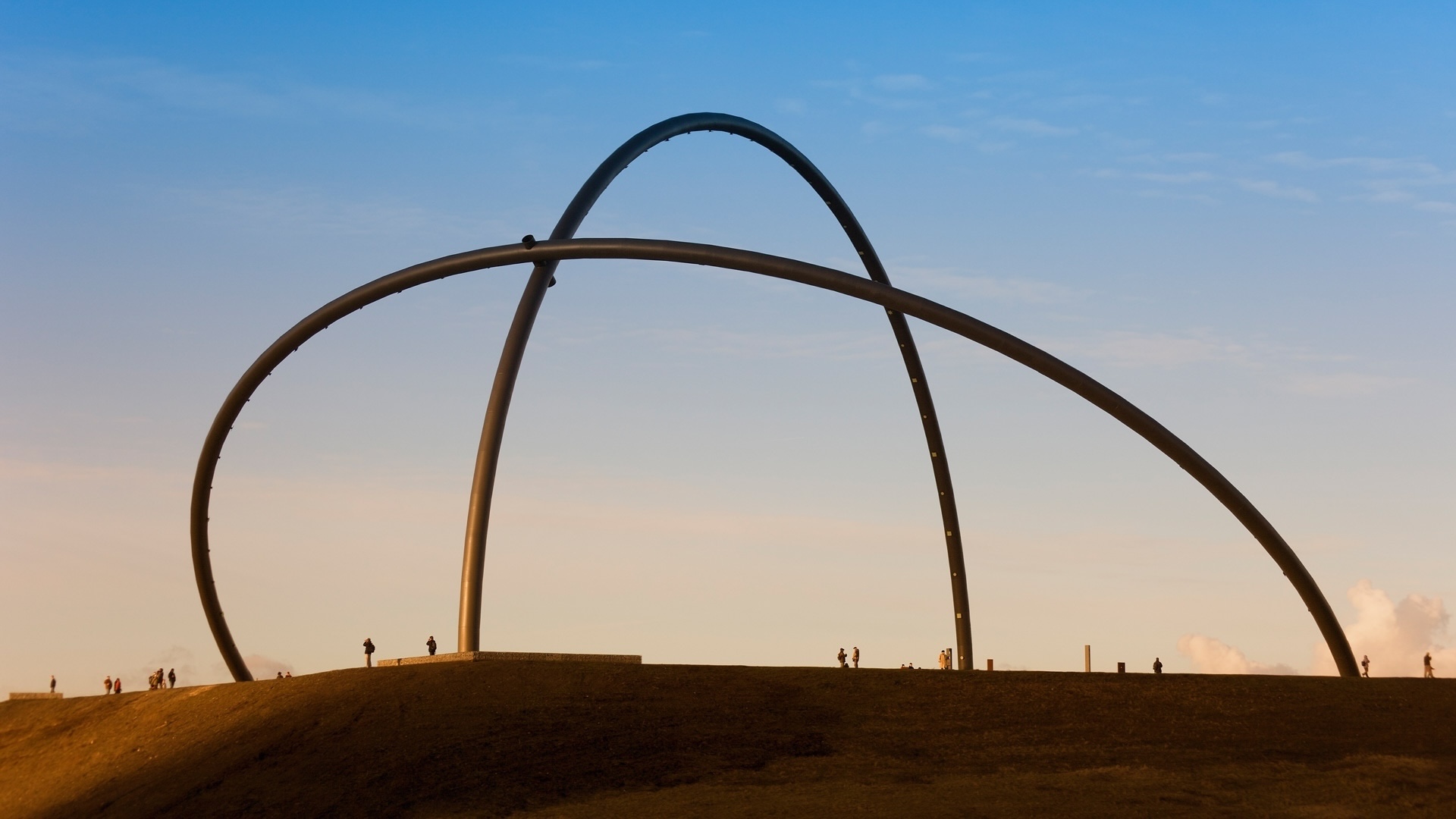
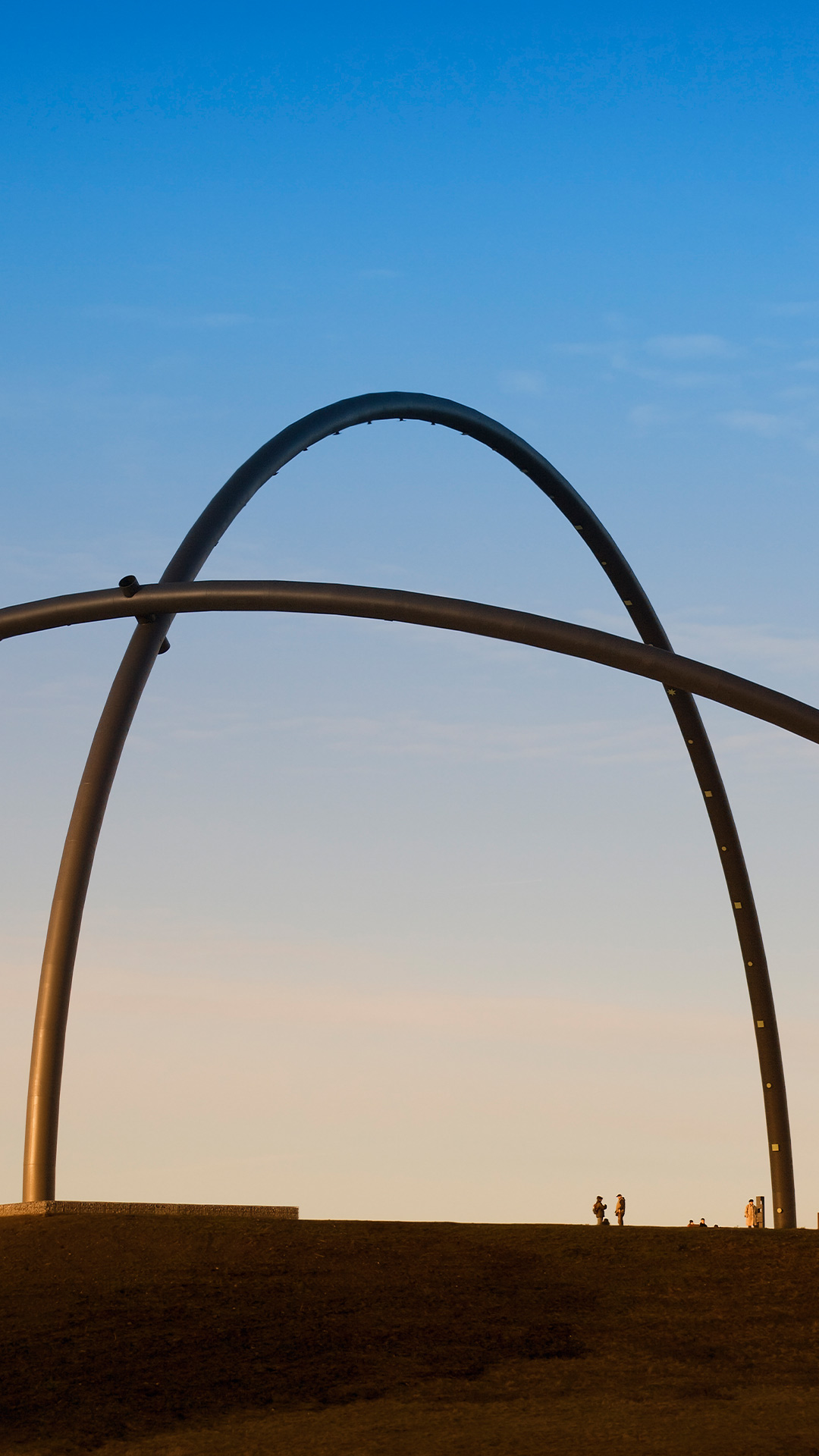
Horizon Observatory, Hoheward Halde, Herten, North Rhine-Westphalia
High above the Ruhr area rises the Horizon Observatory on the Hoheward slag heap, one of the most unusual landmarks of structural change in North Rhine-Westphalia. The huge steel arches that span the summit plateau look like a modern work of art in the open air. In fact, however, the complex is not just an eye-catcher: it was designed as an astronomical structure that illustrates the movements of the sun and the changes of the seasons and amazes visitors.
The Hoheward slag heap in the south of the town of Herten was created from tailings from the coal mining industry and is now one of the most famous excursion destinations in the Ruhr area. From the plateau, a wide panoramic view opens up over the cities of the region. The Horizon Observatory, which opened in 2008, is based on ancient methods of observing the sky and combines an industrial past with modern architecture. On clear days, the view extends far beyond the area. In this way, a former tailings pile has been transformed into a place where landscape, science and culture come together in an impressive way.
| 2026‑09‑03 ‑ | International / China / France / India / Italy / Japan / Spain / United Kingdom / United States |
|---|
| en | • | Coyote Buttes, Vermilion Cliffs National Monument, Arizona |
| • | Coyote Buttes, Vermilion Cliffs National Monument, Arizona, United States | |
| es | • | Coyote Buttes, Monumento Nacional Vermilion Cliffs, Arizona, EE. UU. |
| fr | • | Buttes Coyote, Monument national des Falaises Vermilion, Arizona, États-Unis |
| it | • | Coyote Buttes, Monumento Nazionale Vermilion Cliffs, Arizona, USA |
| ja | • | コヨーテ・ビュート, 米国 アリゾナ州 |
| zh | • | 郊狼丘,朱红悬崖国家纪念区,亚利桑那州,美国 |
| (© James Hager/Getty Images) |
Vermilion Cliffs National Monument, Arizona, United States
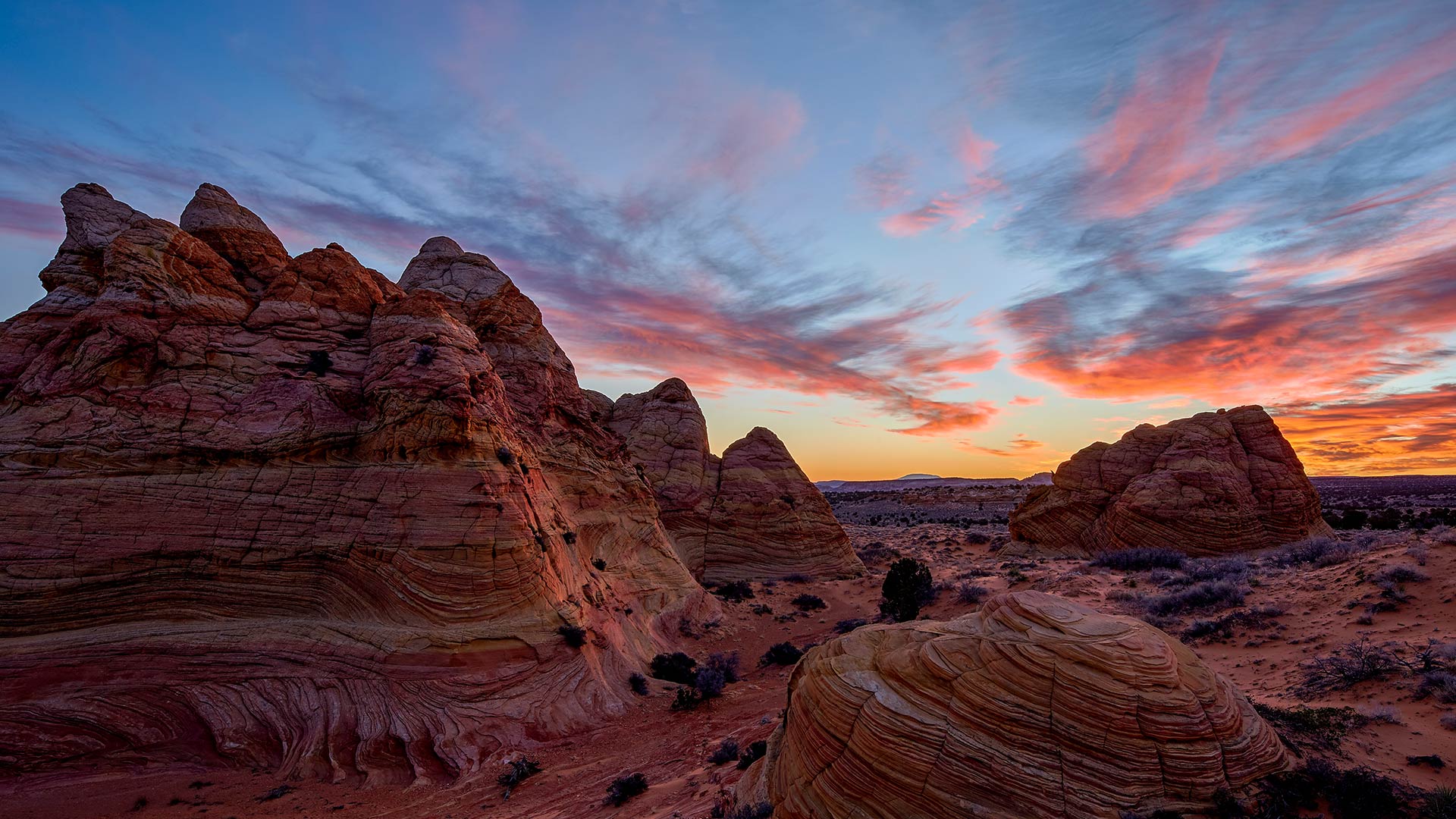
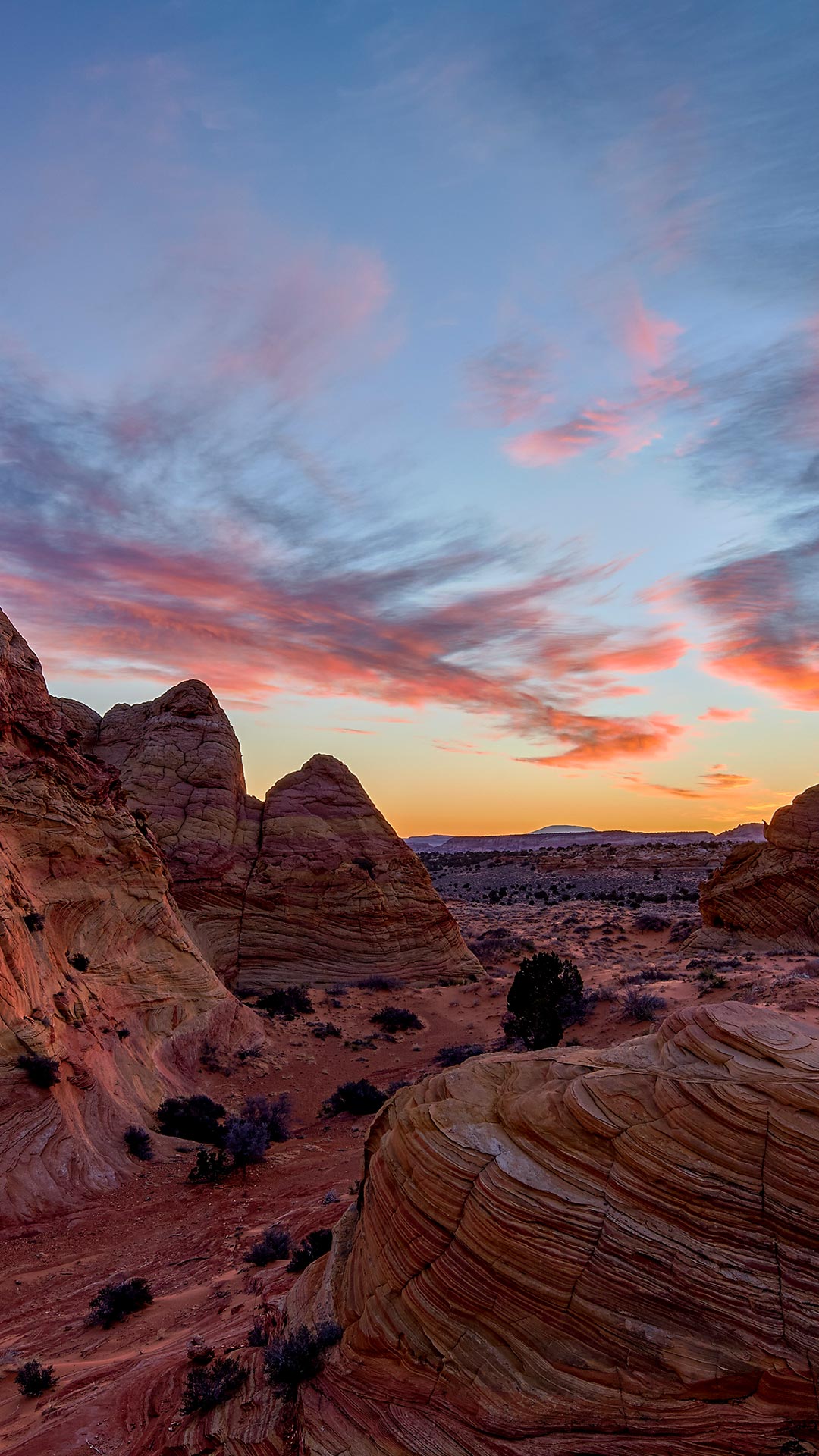
Blink and you'll miss the turn, but you definitely won't miss the cliffs. Vermilion Cliffs National Monument stretches across northern Arizona and protects a landscape shaped over nearly 200 million years. The area became a national monument in 2000, helping safeguard fragile rock formations, prehistoric sites and habitats for rare wildlife. Coyote Buttes is the star attraction for many visitors. Its famous Wave is carved into Navajo Sandstone, which began as vast sand dunes during the Jurassic Period. Over millions of years, wind erosion, rainfall and temperature changes sculpted the flowing bands and curves seen today.
The monument is home to creosote bush, blackbrush, cliffrose, pinyon pine and juniper, while California condors, desert bighorn sheep, mule deer, coyotes and ravens are regularly seen here. Popular activities include hiking, backpacking, photography, wildlife watching and stargazing under some of the darkest skies in the American Southwest. Entry is tightly controlled through a permit lottery, so book well ahead and keep your fingers crossed.
| 2026‑09‑03 ‑ | Canada ‑ English / Canada ‑ French |
|---|---|
| 2026‑08‑21 ‑ | International / Brazil / China / France / Germany / India / Italy / Japan / Spain / United Kingdom / United States |
| de | • | Serpentinenstraße am Julierpass, Schweiz |
| en | • | Winding road of Julier Pass, Switzerland |
| es | • | Carretera sinuosa del Paso de Julier, Grisones, Suiza |
| fr | • | Route sinueuse du col du Julier, Suisse |
| it | • | Passo del Giulio, Svizzera |
| ja | • | ユリア峠, スイス |
| pt | • | Estrada sinuosa da Passagem de Julier, Suíça |
| zh | • | 尤利尔山口蜿蜒的公路,瑞士 |
| (© Westend61/Getty Images) |
Winding road of Julier Pass, Switzerland
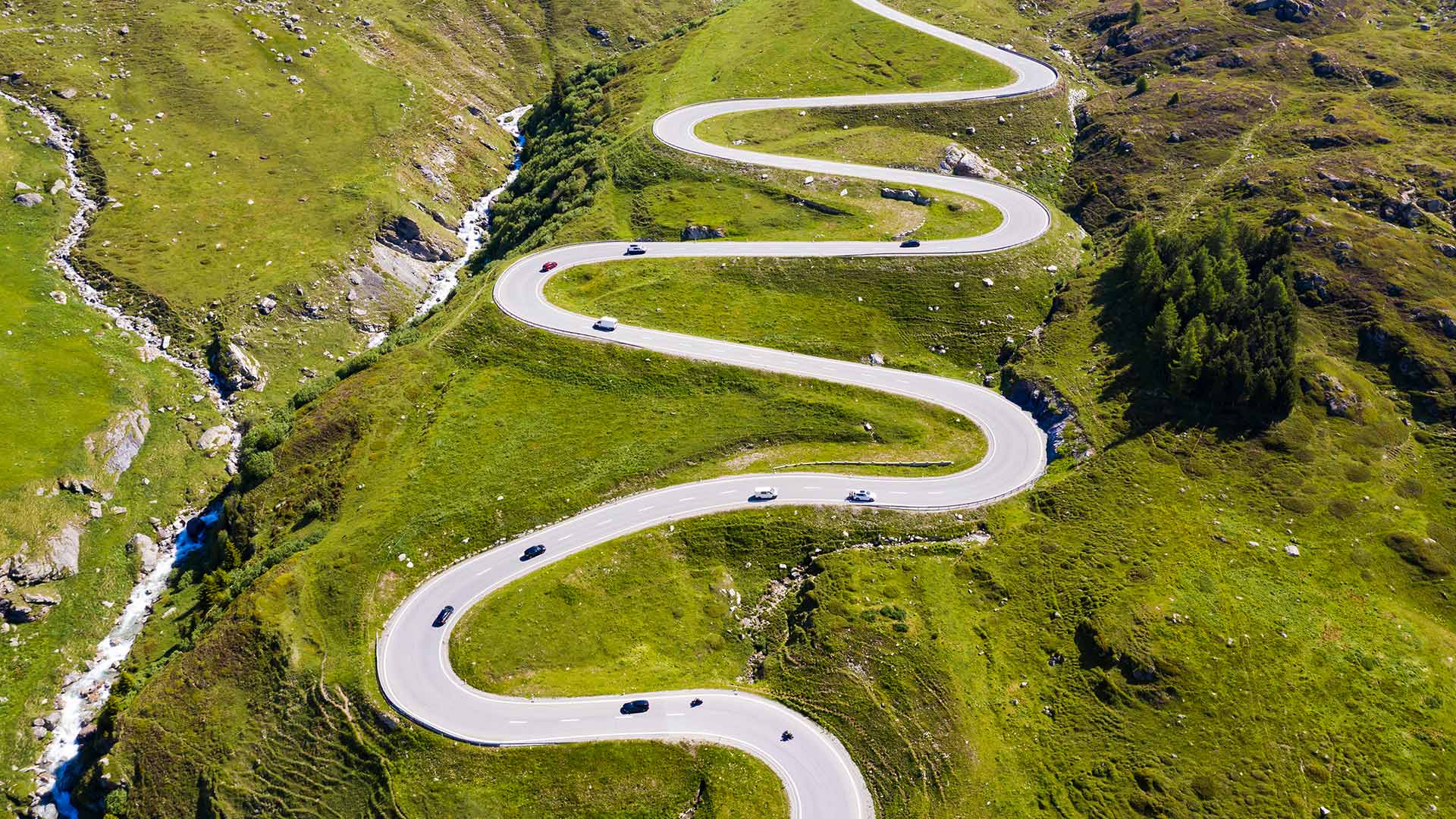
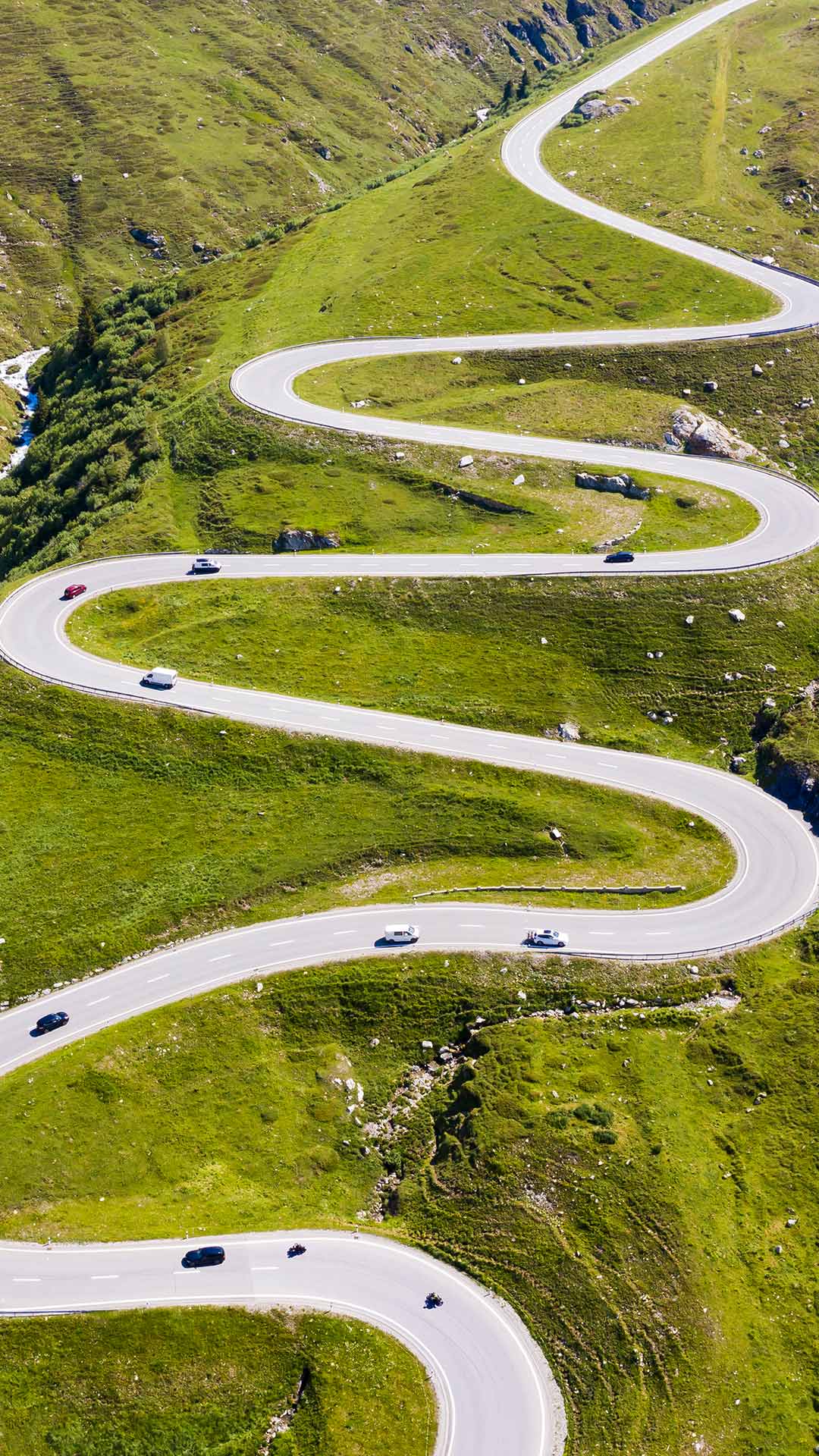
Some mountain roads become destinations in their own right, and Julier Pass is one of them. This Swiss mountain pass rises to 2,284 metres and has linked Alpine valleys along a route used for nearly 2,000 years. Its story began long before modern traffic. No guardrails, no pavement—just a route used by Roman travellers, merchants and messengers. Archaeological finds near the summit, including countless coins and two Roman soapstone columns, suggest there was once a sanctuary or stopping place for those tackling the climb.
The road seen in today's image was built between 1820 and 1828. From 1935 to 1940, the pass became the first Swiss alpine road to be paved with asphalt. Today, roughly 3,000 vehicles cross Julier Pass every day. In winter, drivers may need snow chains when conditions are severe. Every switchback comes with another spectacular view, making the drive as memorable as the destination. If you had the keys, would you take the scenic route?

| 2026‑09‑03 ‑ | Brazil |
|---|---|
| 2026‑08‑22 ‑ | International / Canada ‑ English / Canada ‑ French / China / France / Germany / India / Japan / United Kingdom / United States |
| de | • | Hauhechel-Bläuling, Devon, England |
| en | • | Common blue butterfly, Devon, England |
| fr | • | Argus bleu, Devon, Angleterre |
| ja | • | イカルスヒメシジミ, イングランド |
| pt | • | Borboleta-azul-comum, Devon, Inglaterra |
| zh | • | 普通蓝灰蝶,德文郡,英格兰 |
| (© Ross Hoddinott/Nature Picture Library) |
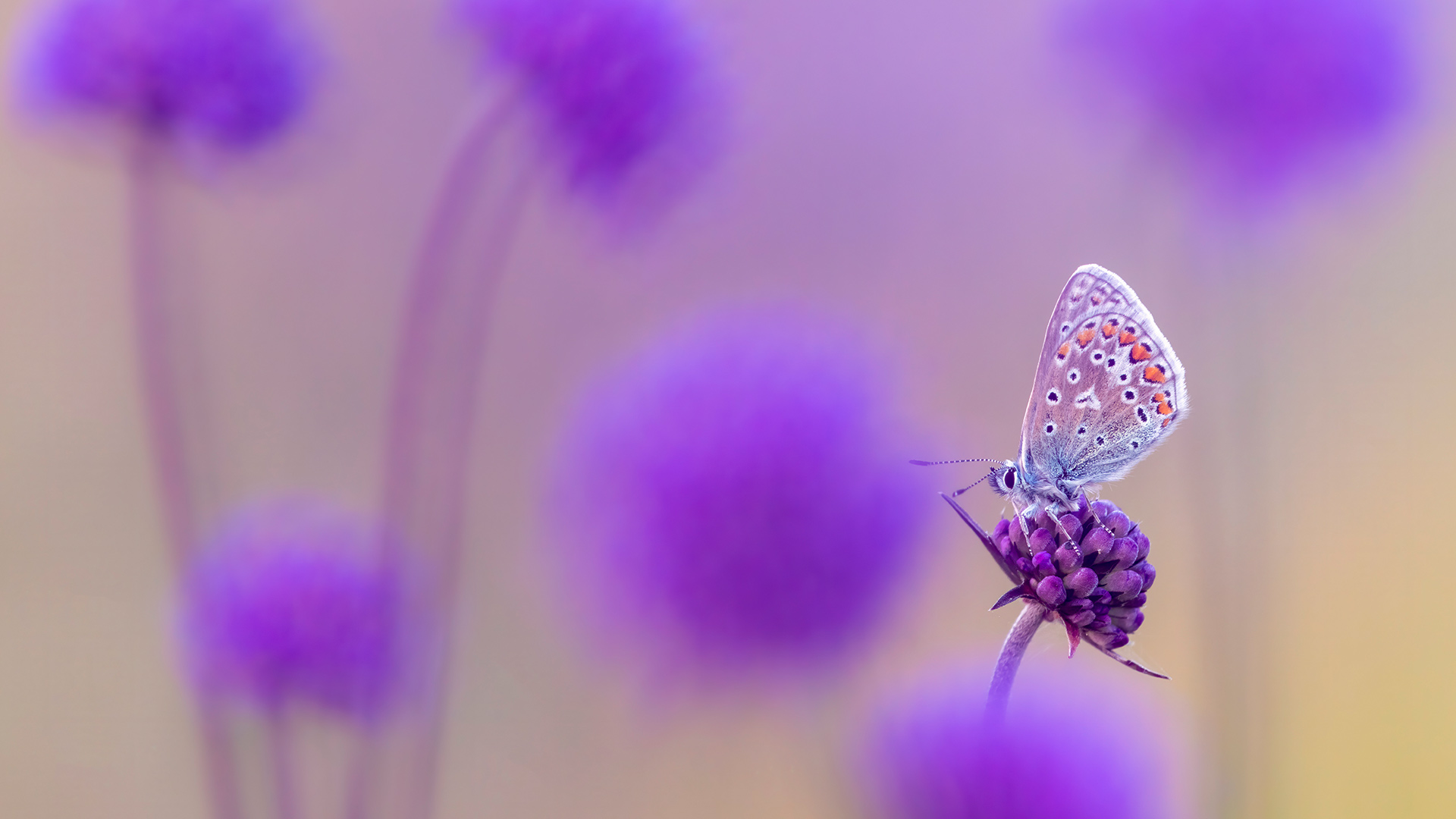
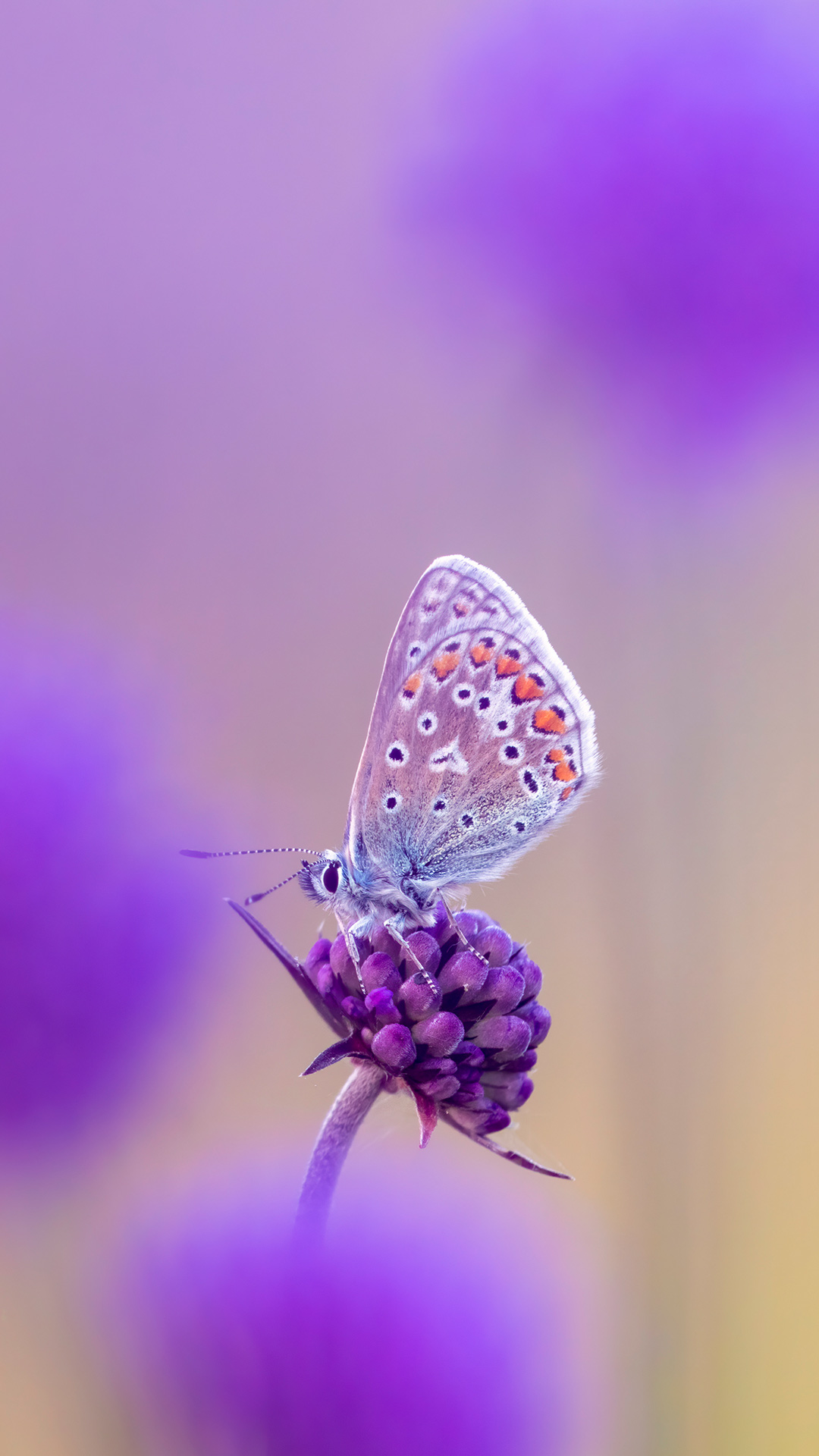
Common blue butterfly
That quick glimpse of blue fluttering through a field has a story that begins much earlier, with a tiny caterpillar and a surprising survival trick. The common blue is found across Europe, North Africa and parts of Asia, feeding on flower nectar as an adult. It starts life as a small egg, often placed by a female on a host plant such as bird's-foot trefoil. The real surprise comes during its caterpillar stage, when ants play an unexpected role in its survival. After hatching, the caterpillar feeds on leaves before entering the next stage of its transformation. Along the way, it produces a sugary substance called honeydew that ants feed on. As a way of saying thanks, the ants may protect the caterpillar from predators.
When the adult butterfly emerges, males reveal the blue wings that gave the species its name. Microscopic wing structures create the colour by reflecting light. Females usually have brown wings with orange spots along their edges. The common blue butterfly's journey shows that nature's smallest creatures have surprisingly complex lives.