Bing daily wallpapers
page 10 / 20
| 2026‑09‑23 ‑ | France / Germany / India / Spain / United Kingdom |
|---|---|
| 2026‑09‑22 ‑ | International / Brazil / Canada ‑ English / Canada ‑ French / China / Japan / United States |
| de | • | Herbstliche Espen nahe dem Guardsman Pass, Utah, USA |
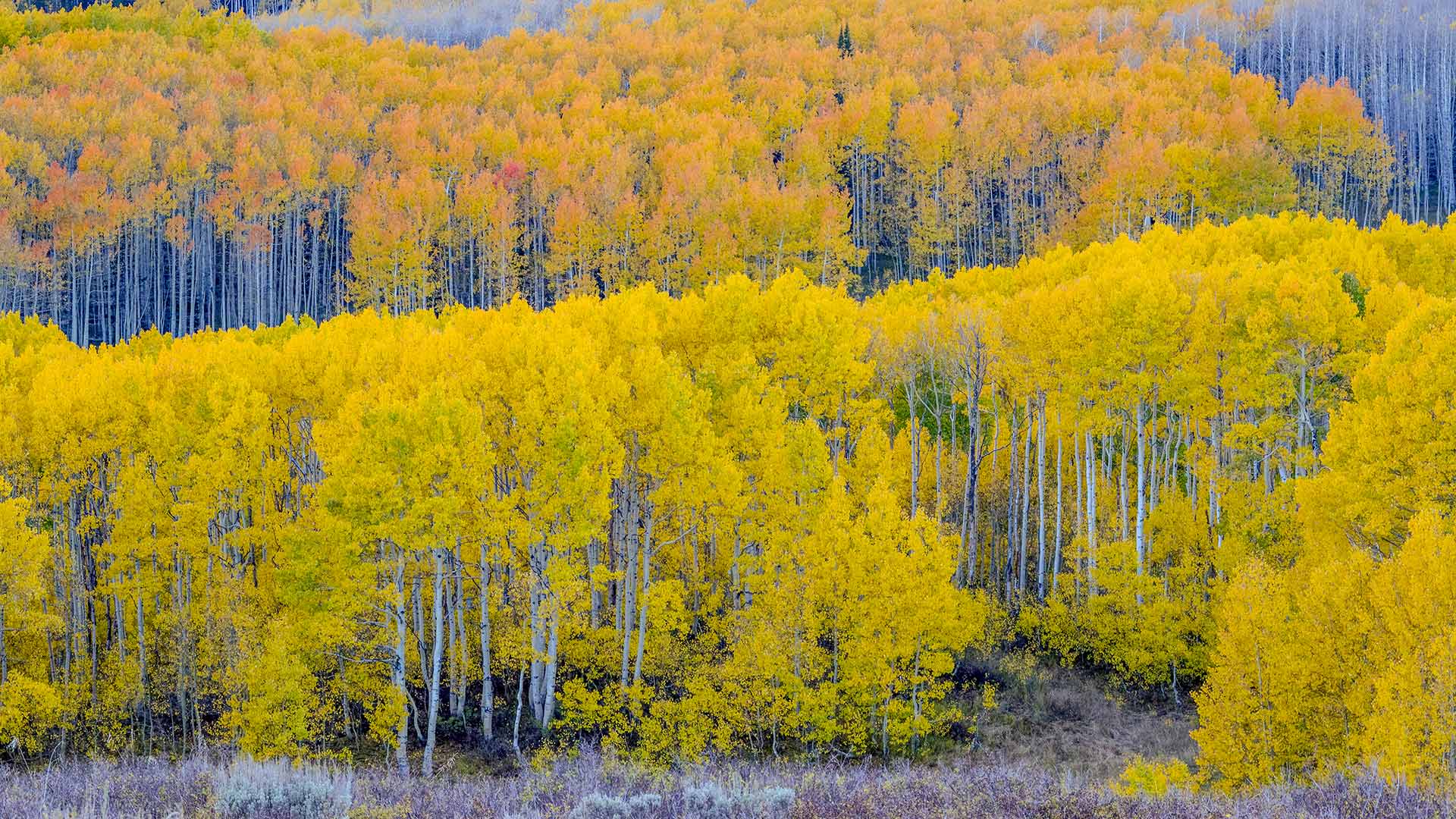
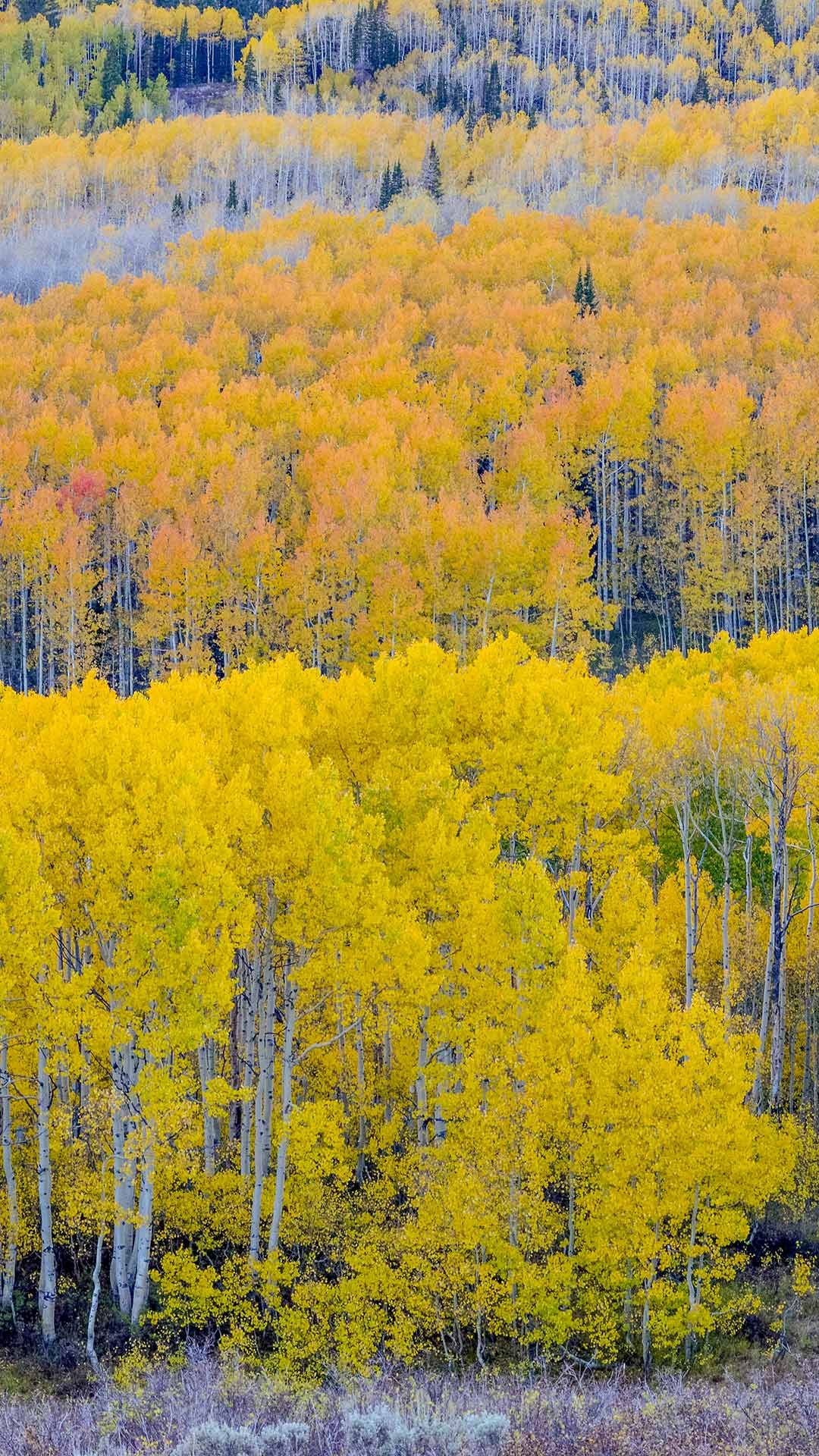
| en | • | Autumn aspen trees near Guardsman Pass, Utah, United States |
| • | Fall aspen trees near Guardsman Pass, Utah, United States | |
| • | Fall aspen trees near Guardsman Pass, Utah, USA | |
| es | • | Álamos de otoño cerca de Guardsman Pass, Utah, EE. UU. |
| fr | • | Peupliers faux-trembles près du col de Guardsman Pass, Utah, États-Unis |
| ja | • | アスペンの森, 米国 ユタ州 |
| pt | • | Álamos perto do Guardsman Pass, Utah, Estados Unidos |
| zh | • | 瓜兹曼山口附近的秋日山杨林,犹他州,美国 |
| (© Danita Delimont/Shutterstock) |
Autumn aspen trees near Guardsman Pass, Utah, United States
What makes a tree 'quake?' Take a closer look at an aspen leaf. Its flattened stalk catches even a light breeze, making the leaves flutter and giving the tree its name: quaking aspen. Near Guardsman Pass in Utah, United States, these trees form striking groves across the higher mountain slopes, where cooler, moist conditions suit them well.
Quaking aspen is Utah's state tree and one of the state's most common forest types. It grows mainly at higher elevations, often alongside spruce and fir, and spreads through root sprouts. This means a grove can contain many stems connected to one root system, forming a genetically identical clone. In autumn, the leaves turn shades of yellow and orange before falling.
Aspen has practical uses too. Its light, soft wood is used for lumber, pallets, crates, pulp and matches. The trees also provide food and shelter for wildlife, protect soils and watersheds and offer forage for animals such as elk and deer. At Guardsman Pass, their seasonal colour is a reminder that these trees are useful long after the leaves have changed.



| 2026‑09‑23 ‑ | Italy |
|---|
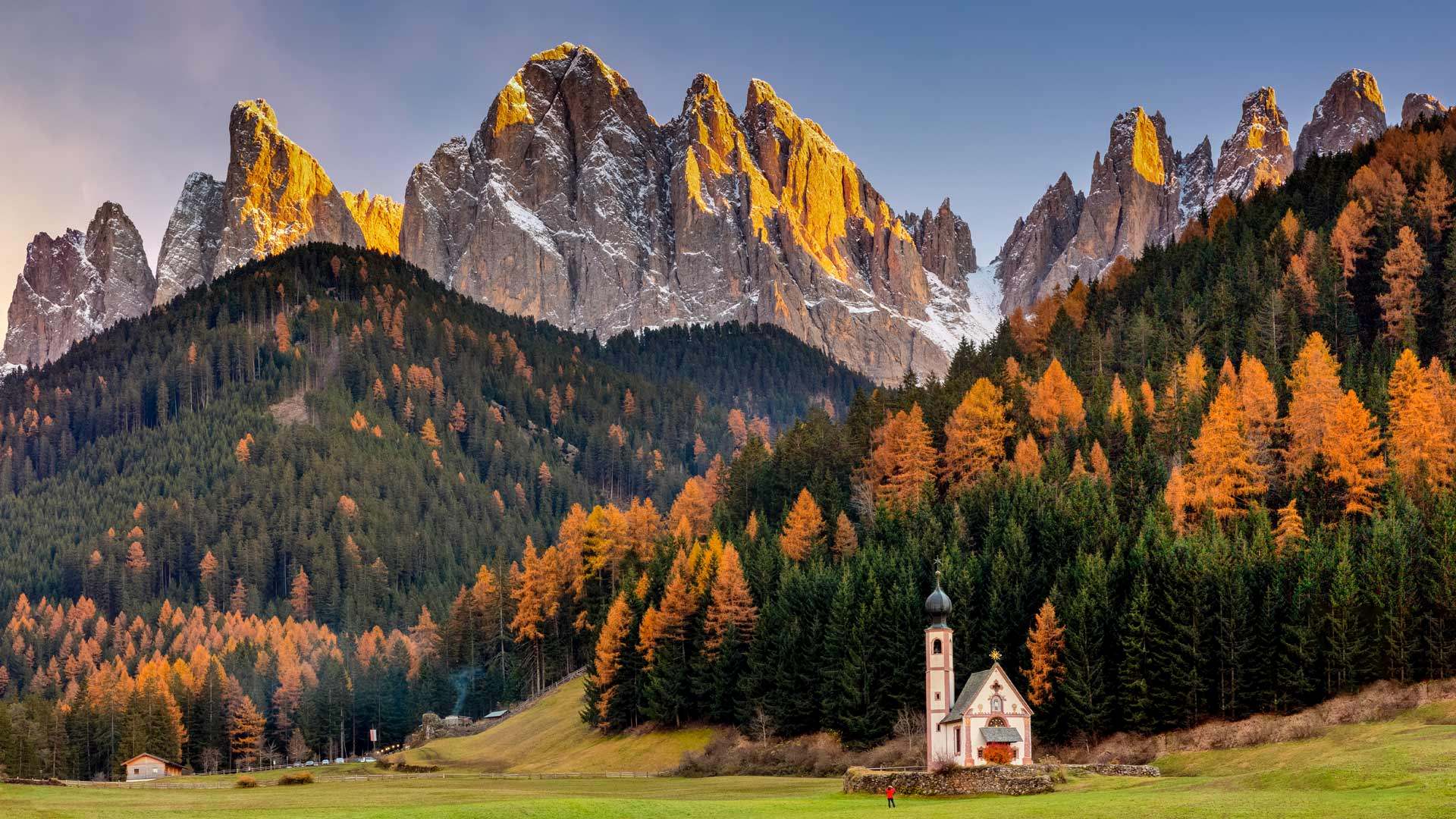
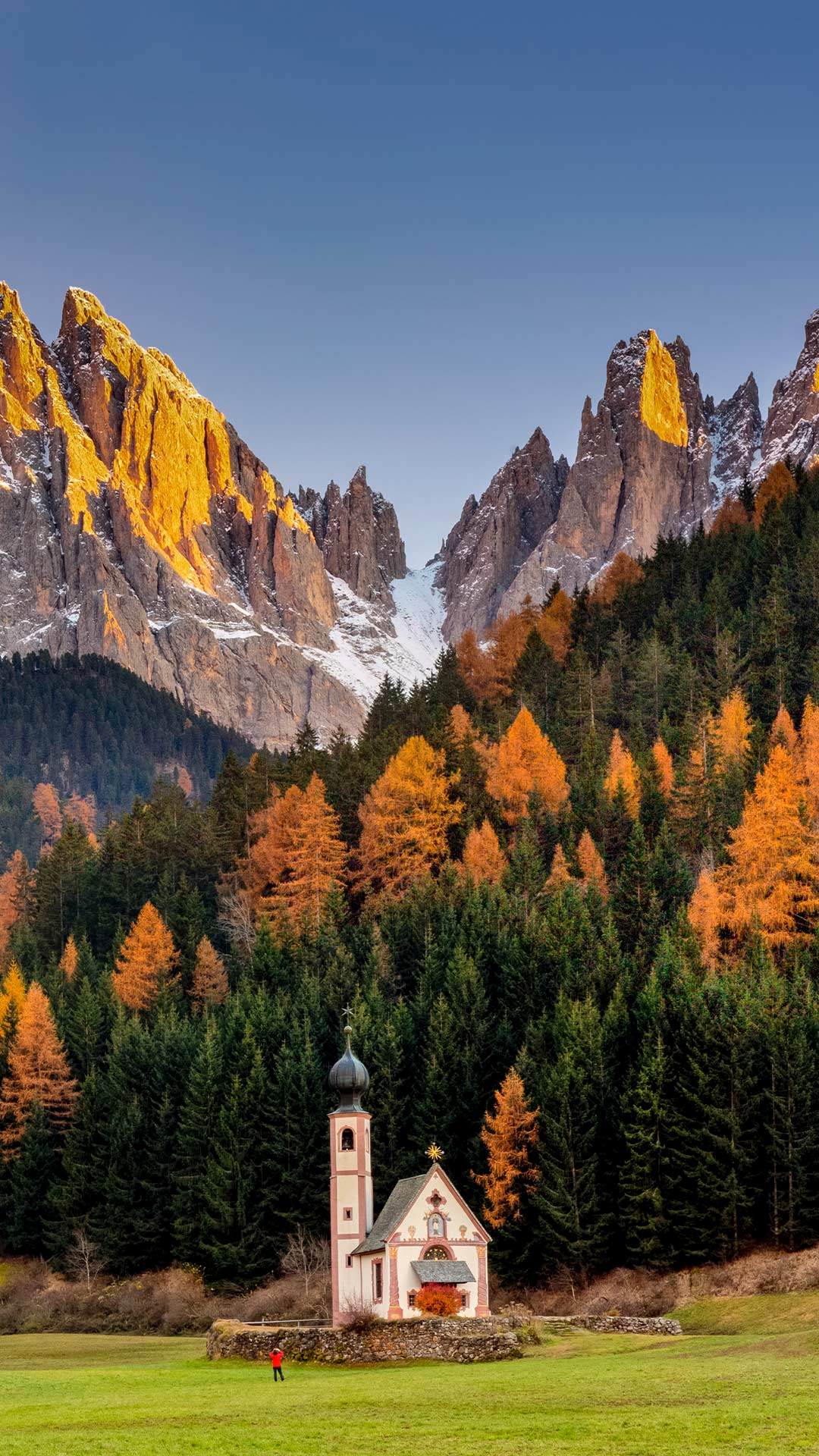
| it | • | Chiesa in Val di Funes, Trentino-Alto Adige, Dolomiti, Italia |
| (© DieterMeyrl/Getty Images) |
Autumn Equinox
The astronomical autumn began tonight at 2:06 a.m., Italian time: the Sun has crossed the celestial equator heading south, day and night have almost the same duration and from now on the light begins to reduce. The equinoxes, by the way, are the only times of the year when both poles receive sunlight at the same time.
The change of season can be read well in the Villnöss Valley in South Tyrol (Italy): 24 kilometres that climb from the Eisack Valley to the foot of the Odle group, whose name means "needles" in Ladin. The upper parts of the valley are protected by the Puez-Odle Nature Park and those peaks are part of the Unesco site of the Dolomites.
It is a valley of farms, larch forests that turn yellow in October and small churches that have become symbols of South Tyrol. The first Slow Food Travel destination in the province, here the season is measured in steps, not in hours of daylight.

| 2026‑09‑23 ‑ | China |
|---|
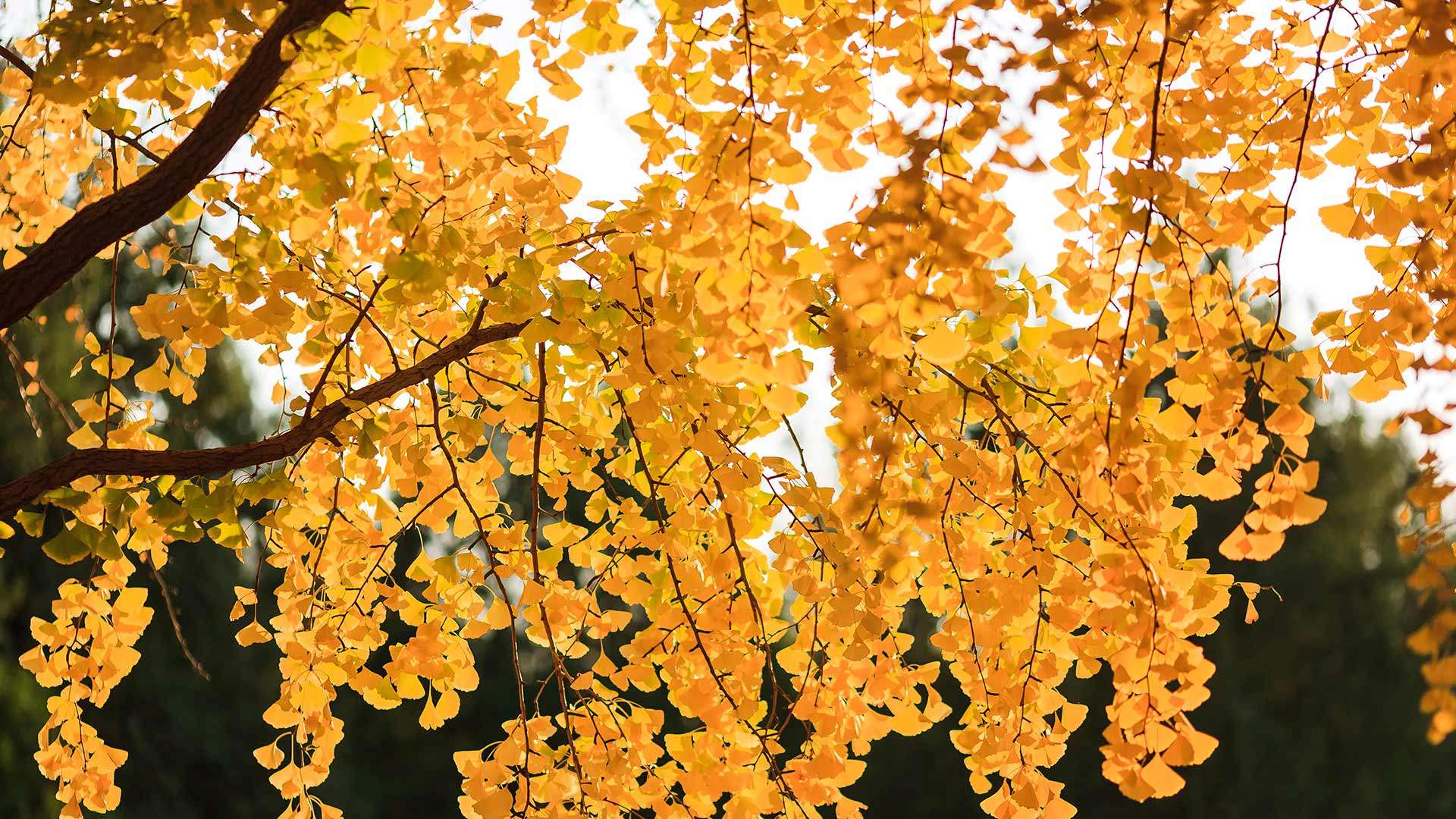
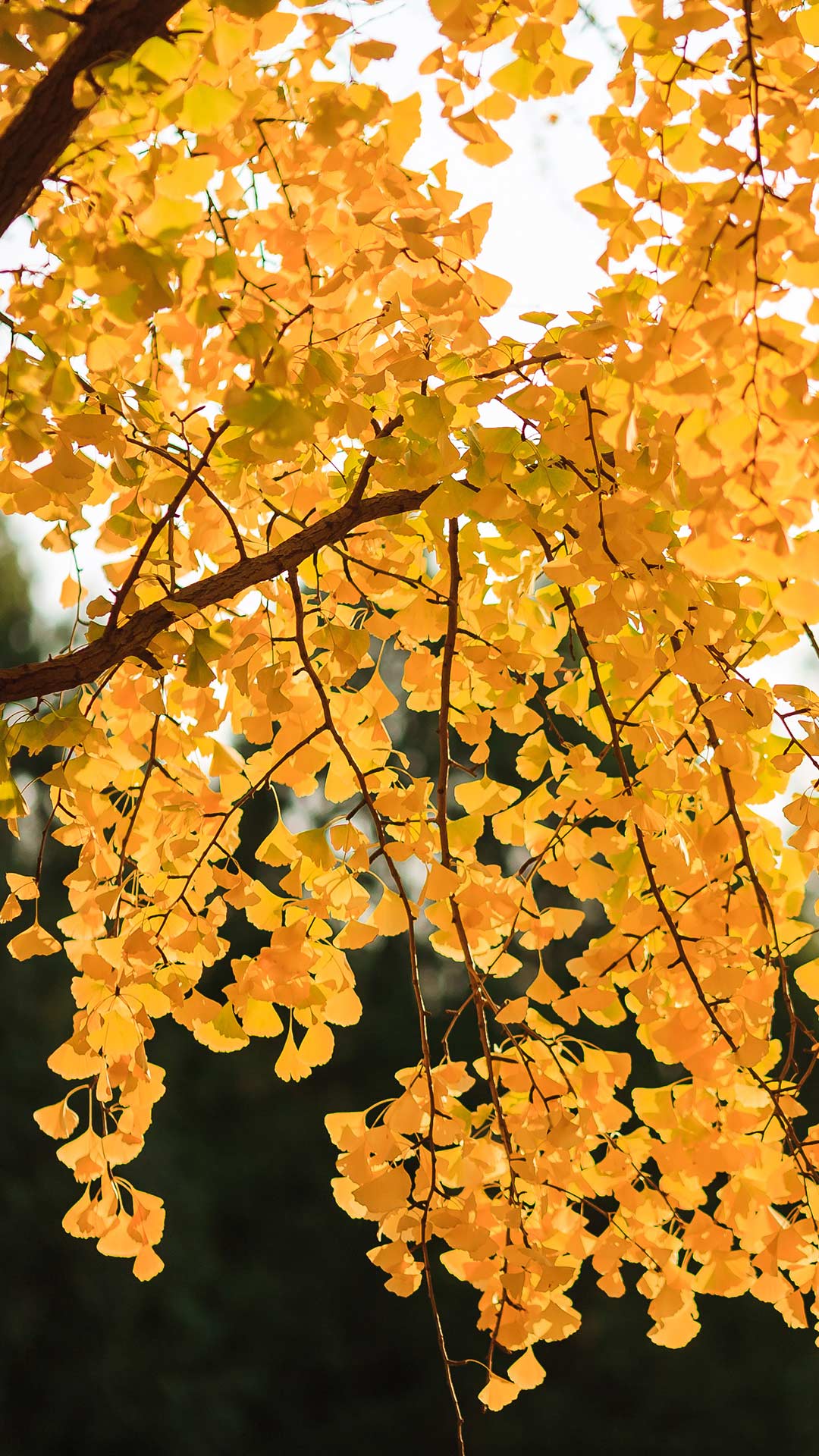
| zh | • | 地坛公园秋日美景,北京,中国 |
| (© by Wei/Adobestock) |
Ginkgo Avenue at Ditan Park, Beijing, China
Golden carpets usually only appear in fairy tale worlds, but in Beijing in golden autumn, they spread out beneath your feet. Ditan Park (Fangze Altar) The famous Ginkgo Avenue gathers over 200 historic ginkgo trees. Whenever the autumn wind blows, tens of thousands of fan-shaped golden leaves flutter down, turning this ancient royal altar temple into a dreamlike golden ocean.
The Temple of Earth was first built in the ninth year of the Jiajing reign of the Ming Dynasty (1530). It was once the place where the emperors of the Ming and Qing dynasties worshipped the "Imperial Earth Deity" during the autumnal equinox. Now, as the sun shines directly on the equator and day and night are evenly divided once again, this solemn royal altar is no longer just the solemnity of time, but has transformed into a haven where nature and history blend amid light and color, quietly telling the story of centuries of changes in the ancient capital.
Under the warm autumn morning sun, the vermilion palace walls, rustic black tiles, and gleaming golden leaves complement each other, sketching a stunning ancient atmosphere. As literary master Shi Tiesheng depicted in "I and the Temple of Earth," the Temple of Earth always guards this tranquility and tolerance, listening to the rustling of leaves in the wind, inviting every visitor to slow down in the noisy depths of the modern city and savor the warmth and longevity left by time.
| 2026‑09‑23 ‑ | Japan |
|---|
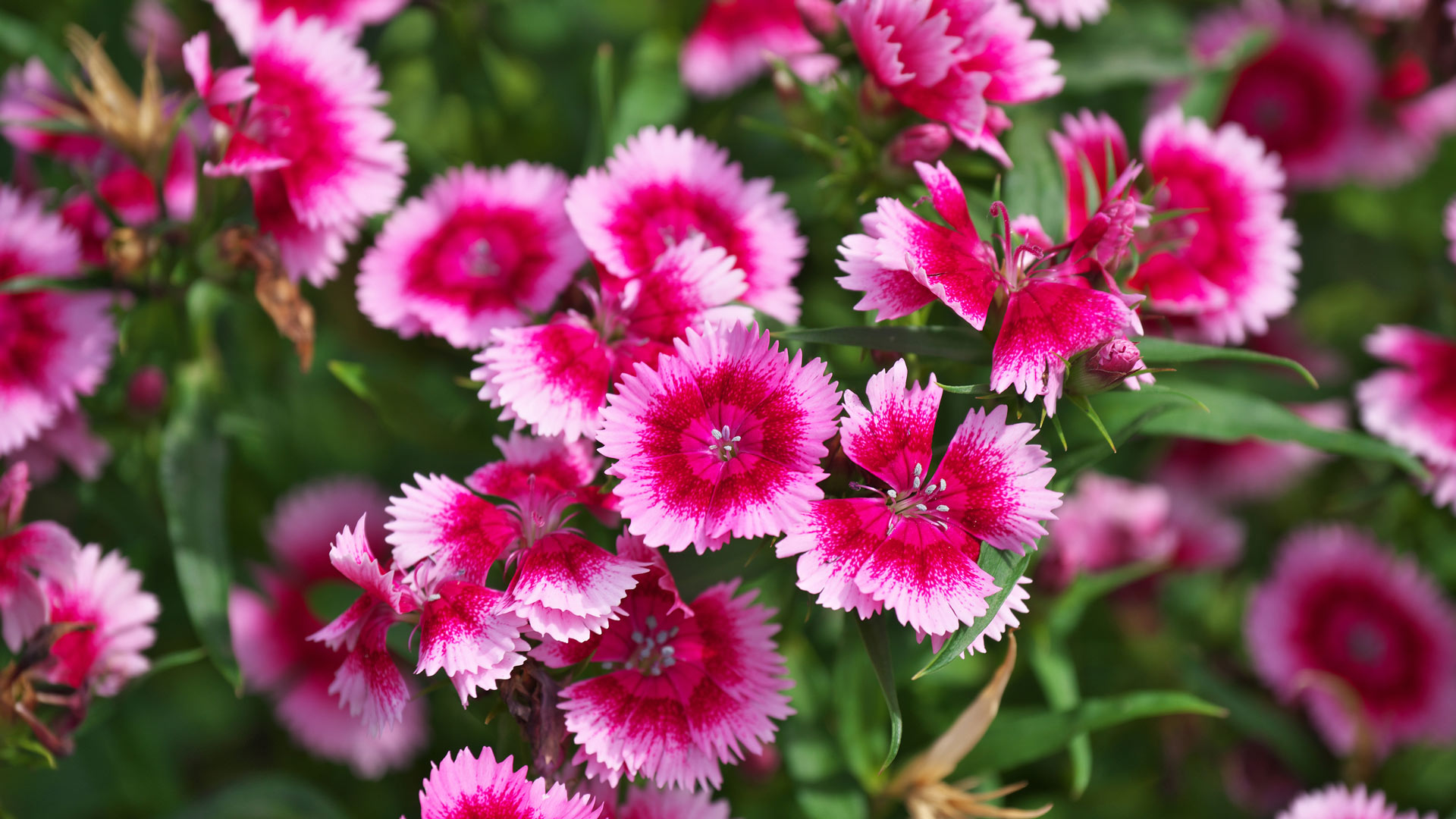
| ja | • | 秋の七草のナデシコ |
| (© igaguri_1/Getty Images) |
Today is the Autumnal Equinox
Today, September 23rd, is the Autumnal Equinox Day. It is one of the national holidays and marks the day when day and night are almost equal in length, marking the 'Autumnal Equinox' point. It is also the middle day of the autumn equinox, and people offer ohagi at graves to remember the deceased. The image shows the nadeshiko (Nadeshiko), known as one of the 'Seven Autumn Herbs.' There are about 300 species of cold-hardy perennials worldwide, and their colors are rich in pink, purple, red, white, and more. The main flower language is 'pure love,' and depending on the color, it can mean 'boldness' or 'talent.'

| 2026‑09‑21 ‑ | International / Brazil / Canada ‑ English / Canada ‑ French / China / France / Germany / India / Italy / Japan / Spain / United Kingdom / United States |
|---|
| de | • | Seeotter bei der Fellpflege, Monterey Bay, Kalifornien, USA |
| en | • | Sea otter grooming fur, Monterey Bay, California |
| • | Sea otter grooming fur, Monterey Bay, California, United States | |
| es | • | Nutria marina acicalándose, Bahía de Monterey, California, EE. UU. |
| fr | • | Loutre de mer peignant son pelage, Baie de Monterey, Californie, États-Unis |
| it | • | Lontra marina, baia di Monterey, California, USA |
| ja | • | ラッコ, 米国 カリフォルニア州 |
| pt | • | Lontra-marinha na Baía de Monterey, Califórnia, EUA |
| zh | • | 正在梳理皮毛的海獭,蒙特雷湾,加利福尼亚州,美国 |
| (© Suzi Eszterhas/Minden Pictures) |
Sea otter grooming fur, Monterey Bay, California, United States
Few animals are as closely tied to the health of coastal ecosystems as the sea otter. In today's image, one grooms its fur in Monterey Bay, California, USA. This behaviour is far more than a daily ritual. Unlike seals and whales, sea otters have little insulating blubber, so they rely on the densest fur of any animal. Careful cleaning traps air within their coat, creating a waterproof layer that helps them stay warm in the cold Pacific.
Sea otters are also considered a keystone species. By feeding on sea urchins and other invertebrates, they help control populations that can otherwise overgraze kelp forests. Their foraging habits are equally fascinating: they are among the few marine mammals known to use tools, often cracking open shellfish with stones. When resting, they may wrap themselves in kelp to avoid drifting away, while mothers keep pups close on their chests as they float. Protection from hunting has allowed some populations to recover, although sea otters still face threats from disease, food shortages, pollution and shark bites.


| 2026‑09‑19 ‑ | International | 2026‑08‑24 ‑ | Brazil |
|---|
| en | • | Lençóis Maranhenses National Park, Brazil |
| pt | • | Parque Nacional dos Lençóis Maranhenses, Maranhão |
| (© Ignacio Palacios/Getty Images) |
Lençóis Maranhenses National Park, Brazil
Think you know what a desert looks like? Lençóis Maranhenses National Park might change your mind. Along Brazil's Maranhão coast, huge white dunes sit beside freshwater lagoons, creating a landscape that changes with the seasons. Established as a national park in 1981 and recognised as a UNESCO World Heritage Site in 2024, it covers more than 156,000 hectares (about 386,887 acres) and stretches along 80 kilometres of coastline. The dunes are shaped by prevailing winds, while seasonal rains collect in the hollows between them. Some lagoons last only through the wet season, while others remain year-round, including Lagoa da Esperança.
The Lençóis Maranhenses National Park also includes beaches, mangroves and restinga vegetation, with connections to the Cerrado, Caatinga and Amazon biomes. From Barreirinhas, visitors can take guided 4x4 tours to lagoons such as Lagoa Azul and Lagoa Bonita. Beyond its striking scenery, the park supports plants and wildlife adapted to an environment shaped by both sand and seasonal water.