Bing daily wallpapers
page 9 / 20
| 2026‑09‑25 ‑ | International | 2026‑07‑01 ‑ | India |
|---|
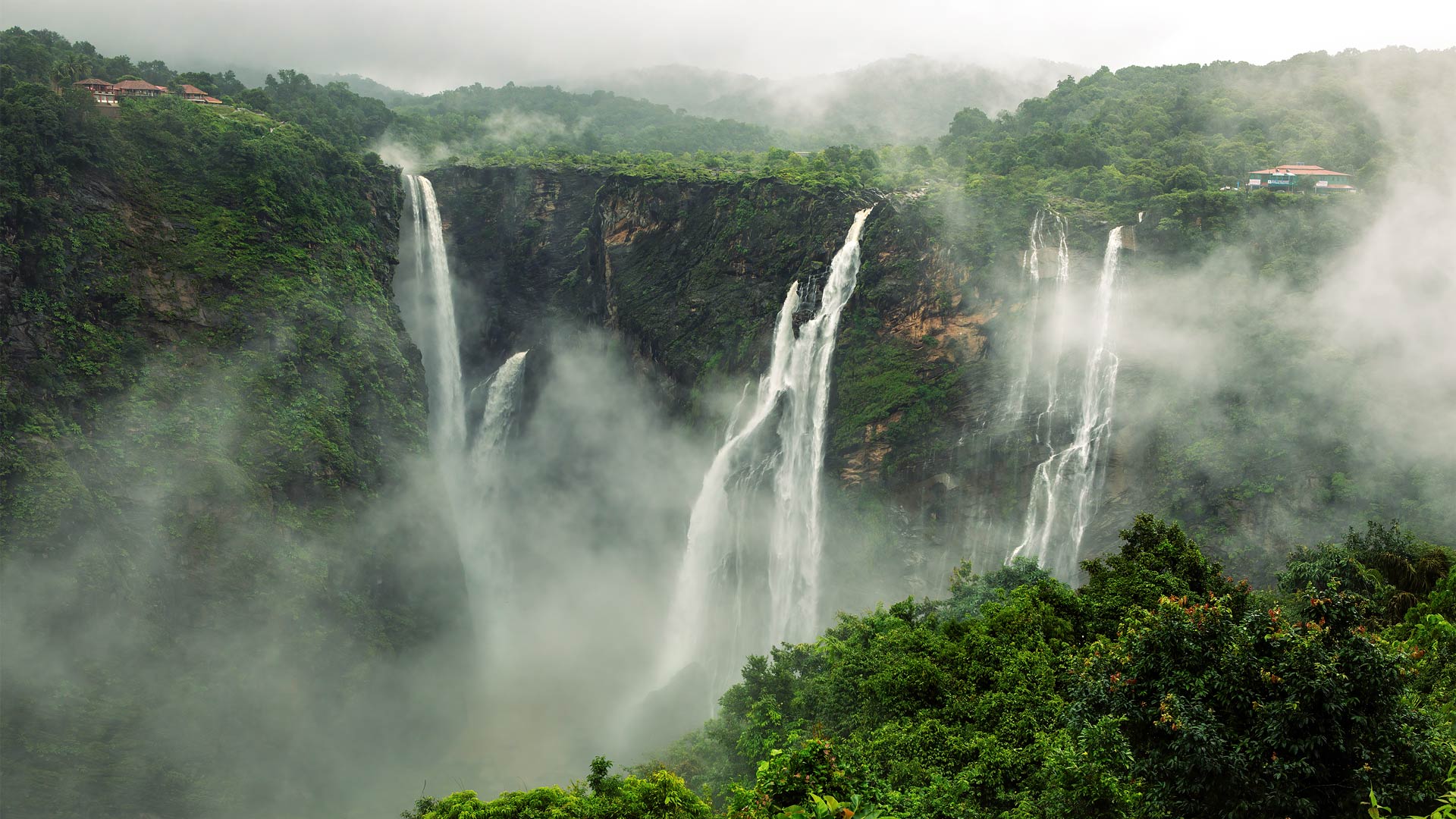
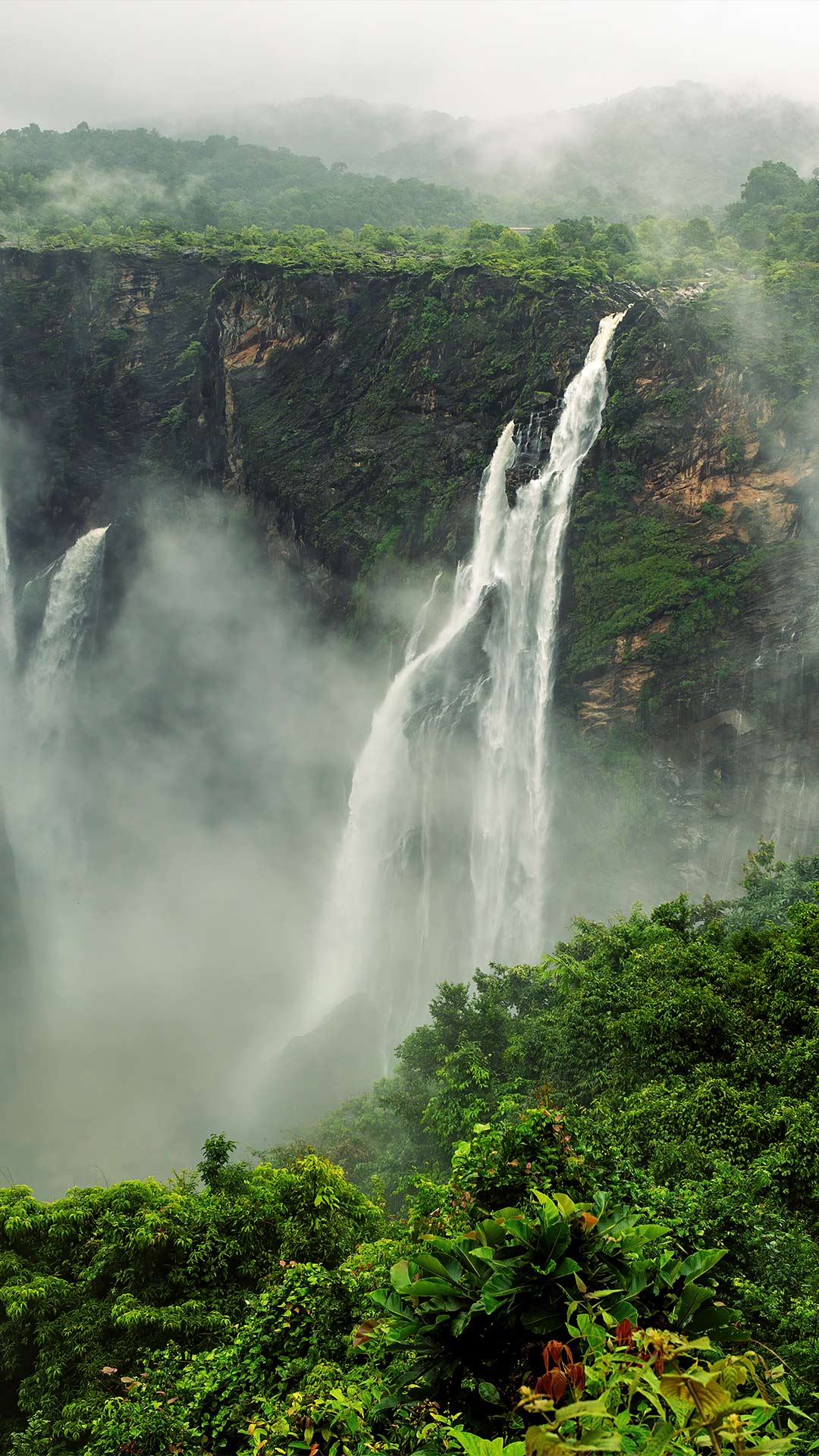
| en | • | Jog Falls on the Sharavathi River, Shivamogga district, Karnataka |
| • | Jog Falls, Sharavathi River, Karnataka, India | |
| (© Amith Nag Photography/Getty Images) | (© Amith Nag Photography/Moment/Getty Images) |
Jog Falls, Karnataka, India
Most rivers spend their lives flowing around obstacles. The Sharavathi River reaches the edge of a cliff and simply jumps. At Jog Falls in Karnataka, the river plunges 253 metres, making it the third-highest waterfall in India.
Set in the Western Ghats, Jog Falls is formed by four distinct cascades: Raja, Rani, Roarer and Rocket. Each stream has its own style before joining the grand plunge below. Raja descends with royal composure, Roarer provides the soundtrack, Rocket lives up to its name and Rani adds a touch of grace.
The falls are at their most powerful during the monsoon, when water surges over the cliffs in a curtain of white. In drier months, the separate streams become easier to spot. Either way, visitors are treated to a view that makes quite a splash. At Jog Falls, the river's biggest drop is also its biggest moment.



| 2026‑09‑25 ‑ | Brazil / Canada ‑ English / Canada ‑ French / China / France / Germany / India / Italy / Japan / Spain / United Kingdom / United States |
|---|
| de | • | Chinesische Laternen zum Mondfest |
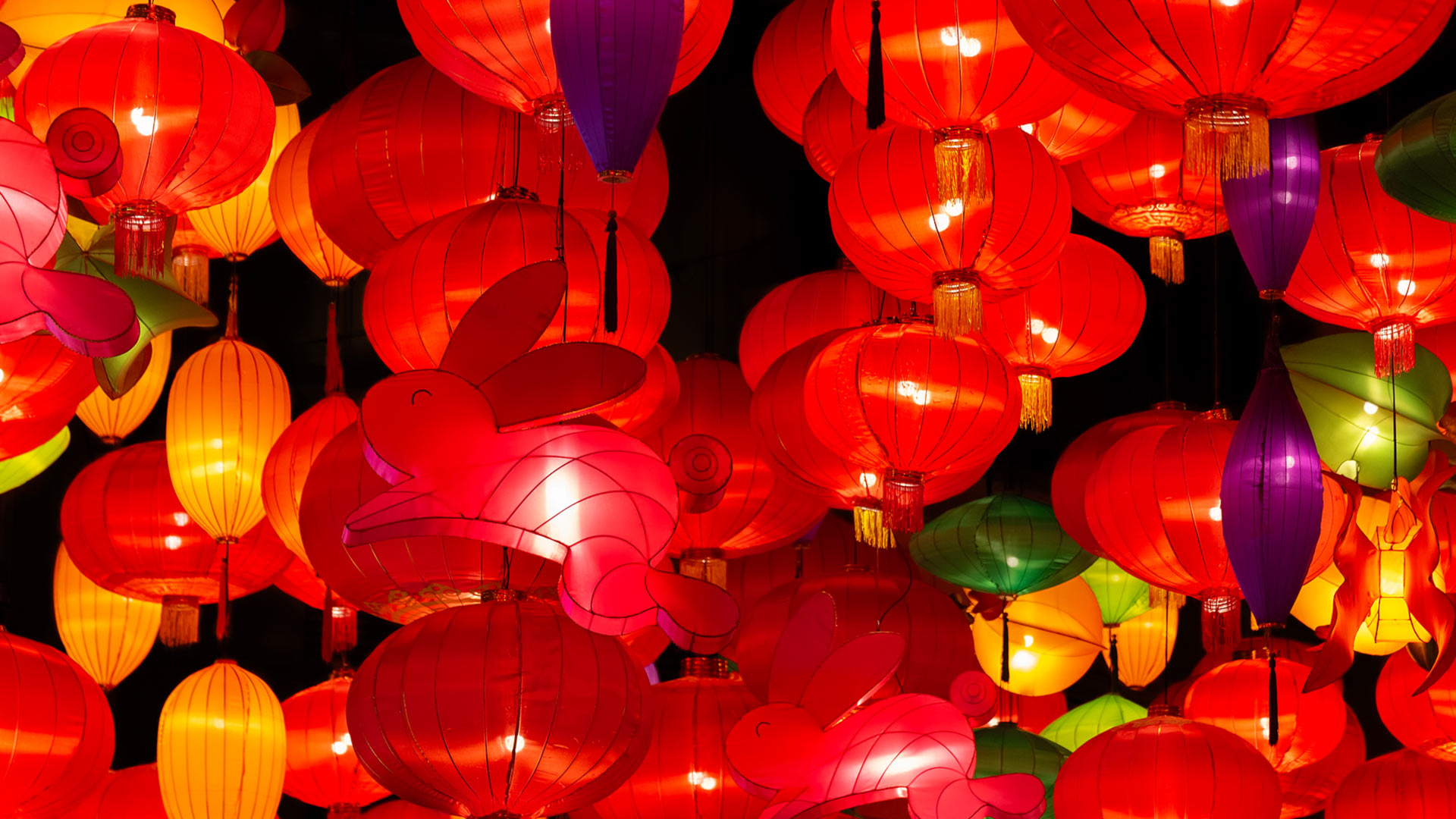
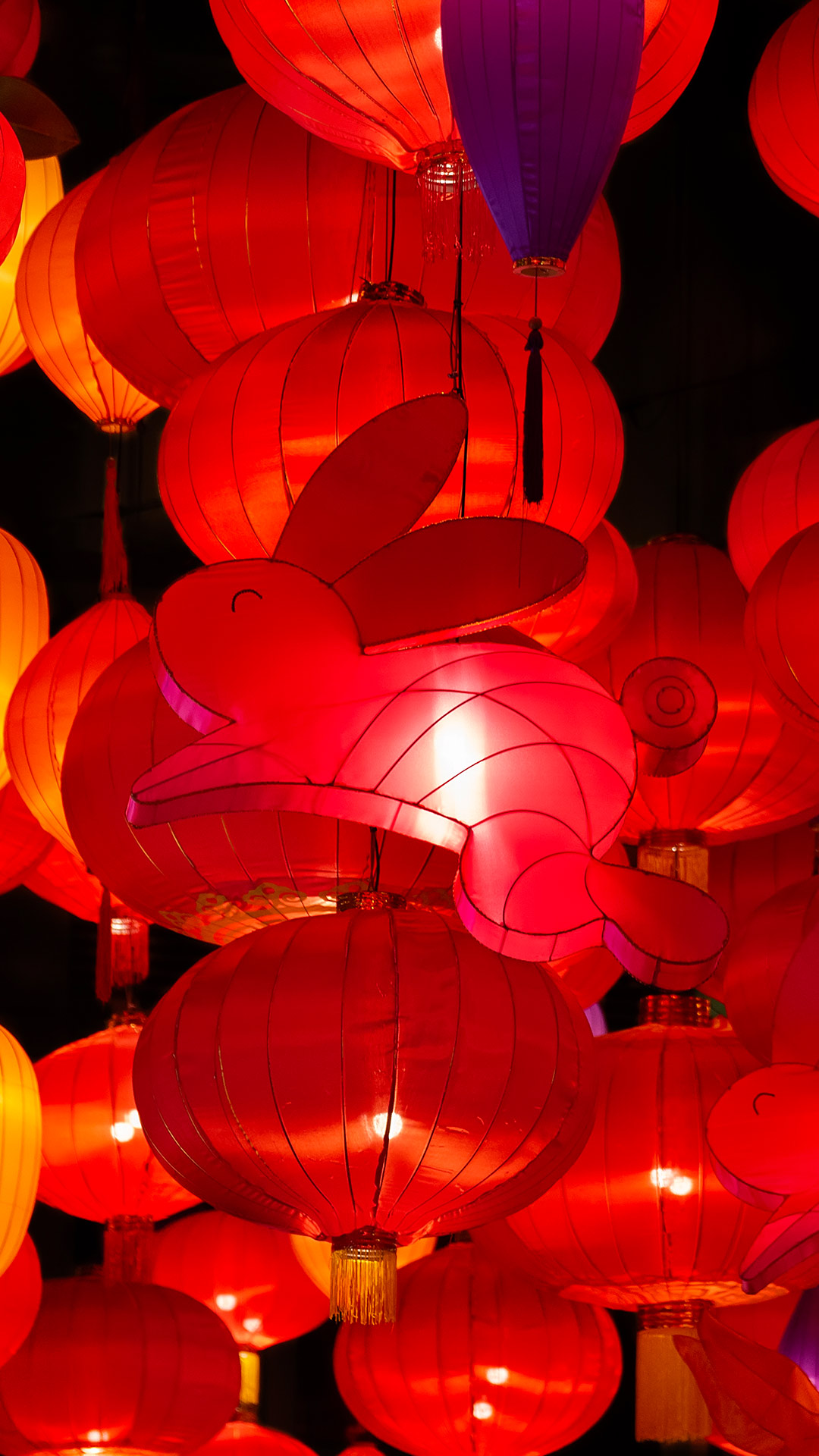
| en | • | Chinese lanterns for Mid-Autumn Festival celebration |
| es | • | Faroles chinos para la celebración de la Fiesta del Medio Otoño |
| fr | • | Lanternes chinoises lors de la Fête de la Mi-Automne |
| it | • | Lanterne cinesi per la celebrazione della Festa di metà autunno |
| ja | • | 中秋節用の中国提灯 |
| pt | • | Lanternas chinesas para a celebração do Festival da Lua, Hong Kong, China |
| zh | • | 庆祝中秋节的中国灯笼 |
| (© LeeYiuTung/Getty Images) |
Mid-Autumn Festival
What if the full moon were the guest of honor at your family dinner? That is the idea behind the Mid-Autumn Festival, also known as the Moon Festival. Celebrated on the 15th day of the eighth lunar month, it is one of the most important festivals in Chinese culture. Its roots trace back more than 3,000 years to moon-honoring rituals during the Zhou Dynasty. Its best-known legend tells of Chang'e, who drank an elixir of immortality and rose to the moon.
Mooncakes are the celebration's signature treat. Their round shape symbolizes completeness and reunion. Folklore claims that rebels once hid secret messages to overthrow the Mongol rulers inside mooncakes during the Yuan Dynasty.
The festival has also inspired matchmaking customs, earning comparisons to a lunar Valentine's Day. And while the Mid-Autumn moon is celebrated for its brightness, science says it is not necessarily the year's brightest. With legends, lanterns, and mooncakes, this festival has plenty to look up to.


| 2026‑09‑24 ‑ | International | 2026‑09‑11 ‑ | Italy |
|---|
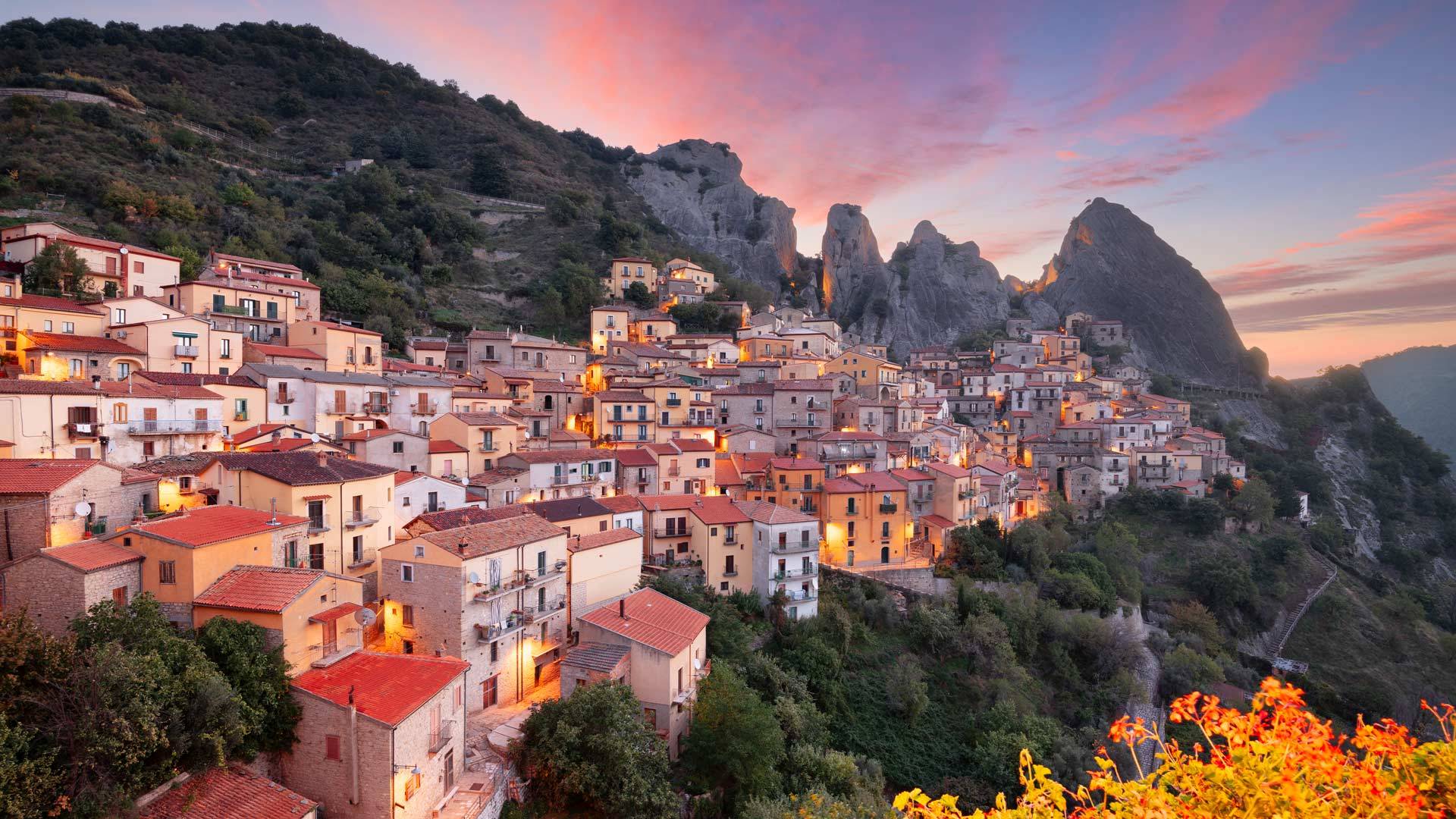
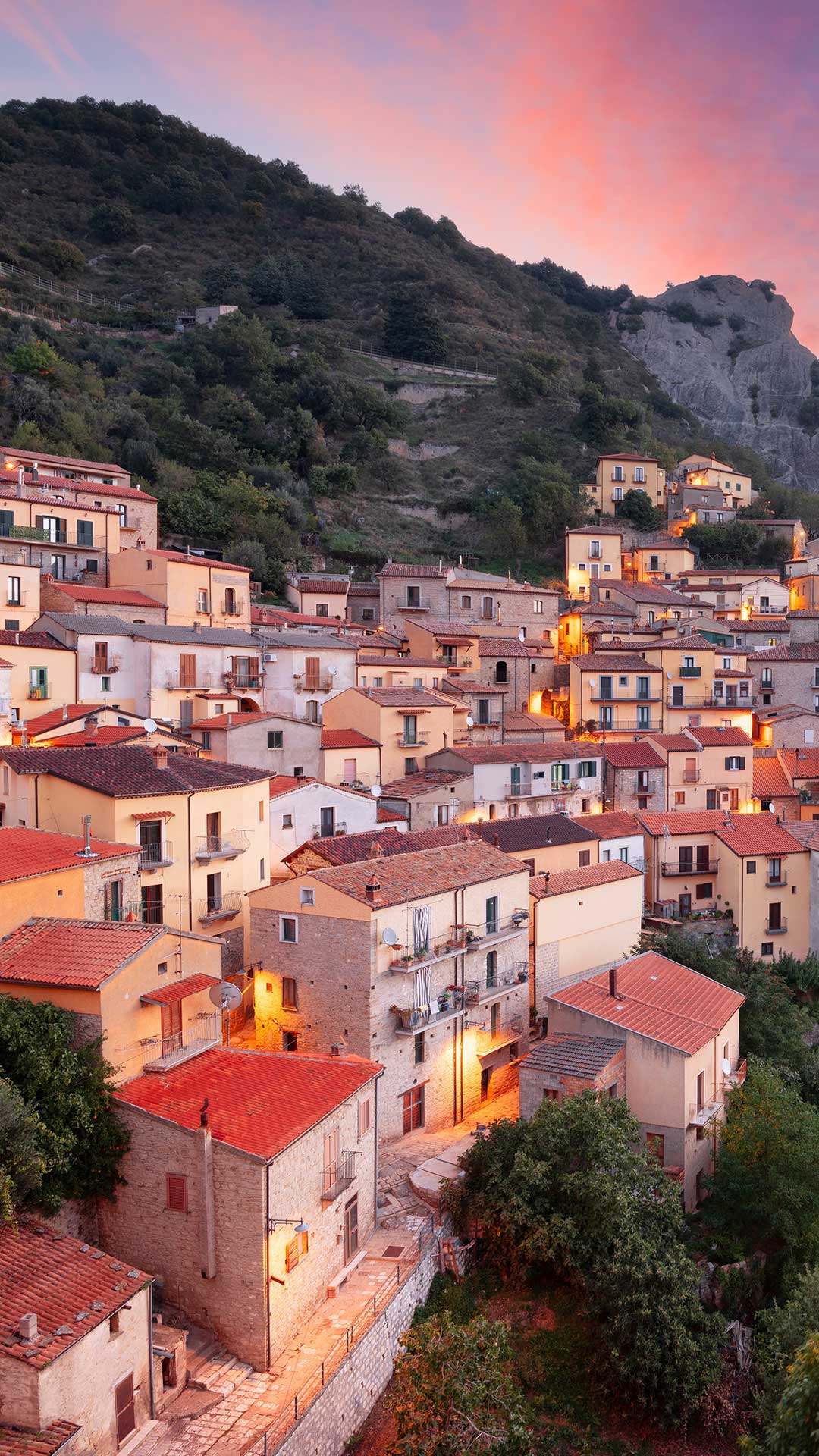
| en | • | Castelmezzano, Basilicata, Italy |
| it | • | Castelmezzano, provincia di Potenza in Basilicata, Italia |
| (© Sean Pavone/Getty Images) |
Castelmezzano, provincia di Potenza in Basilicata, Italia
Castelmezzano, in provincia di Potenza (Basilicata, Italia), non si vede finché non ci sei dentro: si arriva attraversando una galleria e all'uscita il borgo compare all'improvviso, incastrato tra le guglie di arenaria delle Dolomiti Lucane.
Le case si arrampicano l'una sull'altra a 750 metri di quota, collegate da scale e vicoli che salgono fino ai resti del castello normanno-svevo. Da lì arriva anche il nome, Castrum Medianum, il castello di mezzo, perché stava tra due fortezze vicine. Una scalinata scavata nella pietra porta all'antico posto di vedetta, con la valle del Basento sotto i piedi.
Il paese conta circa ottocento abitanti, fa parte dei Borghi più belli d'Italia ed è una delle due stazioni del Volo dell'Angelo, il cavo d'acciaio che porta a Pietrapertosa sospesi nel vuoto. Un borgo da guardare dal basso e, se hai coraggio, anche dall'alto.
| 2026‑09‑24 ‑ | Brazil / India / United Kingdom |
|---|---|
| 2026‑09‑23 ‑ | International / Canada ‑ English / Canada ‑ French / United States |
| 2026‑09‑22 ‑ | France / Germany / Italy / Spain |
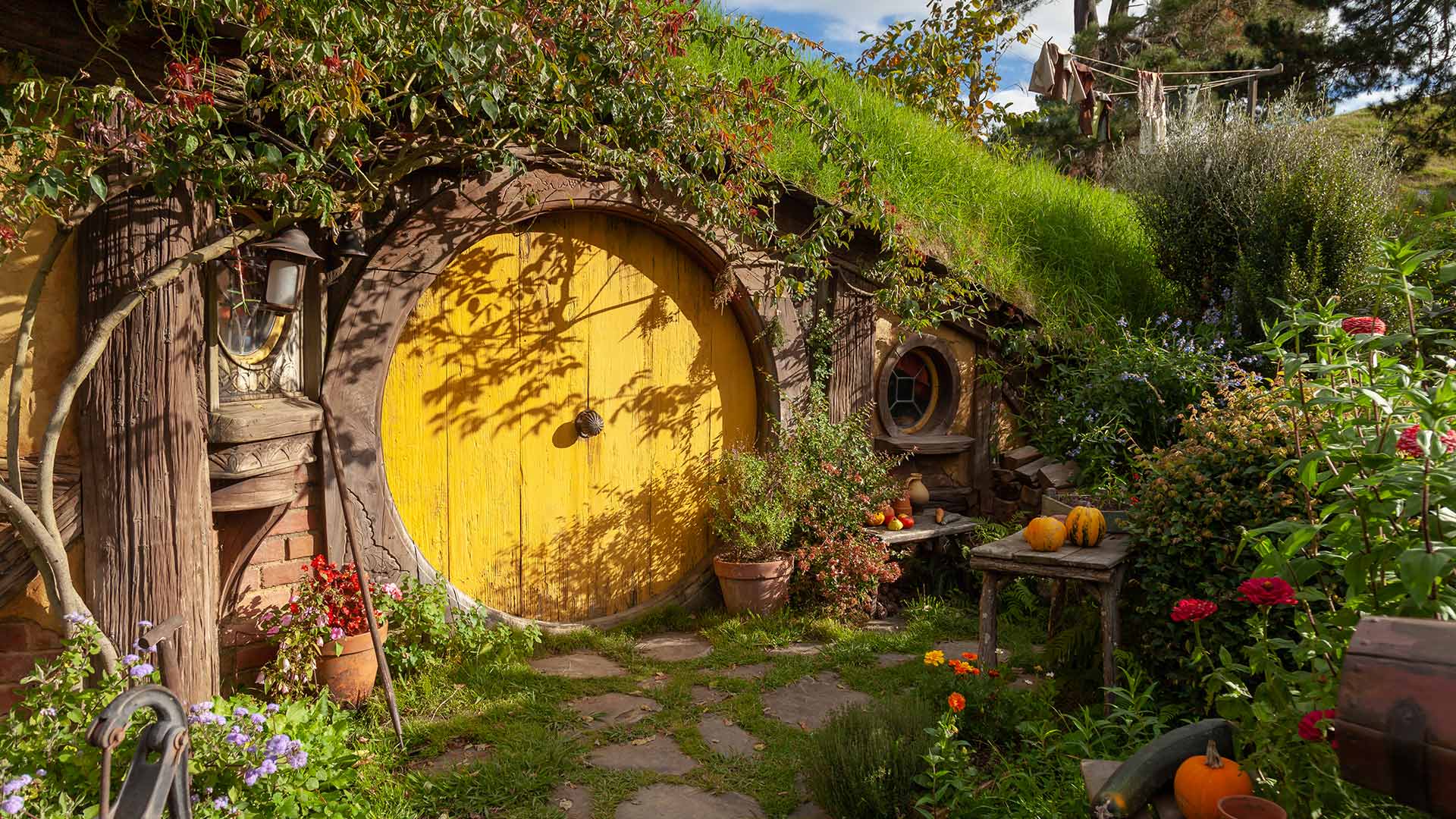
| de | • | Hobbit-Haus am Filmset von Hobbiton, Matamata, Neuseeland |
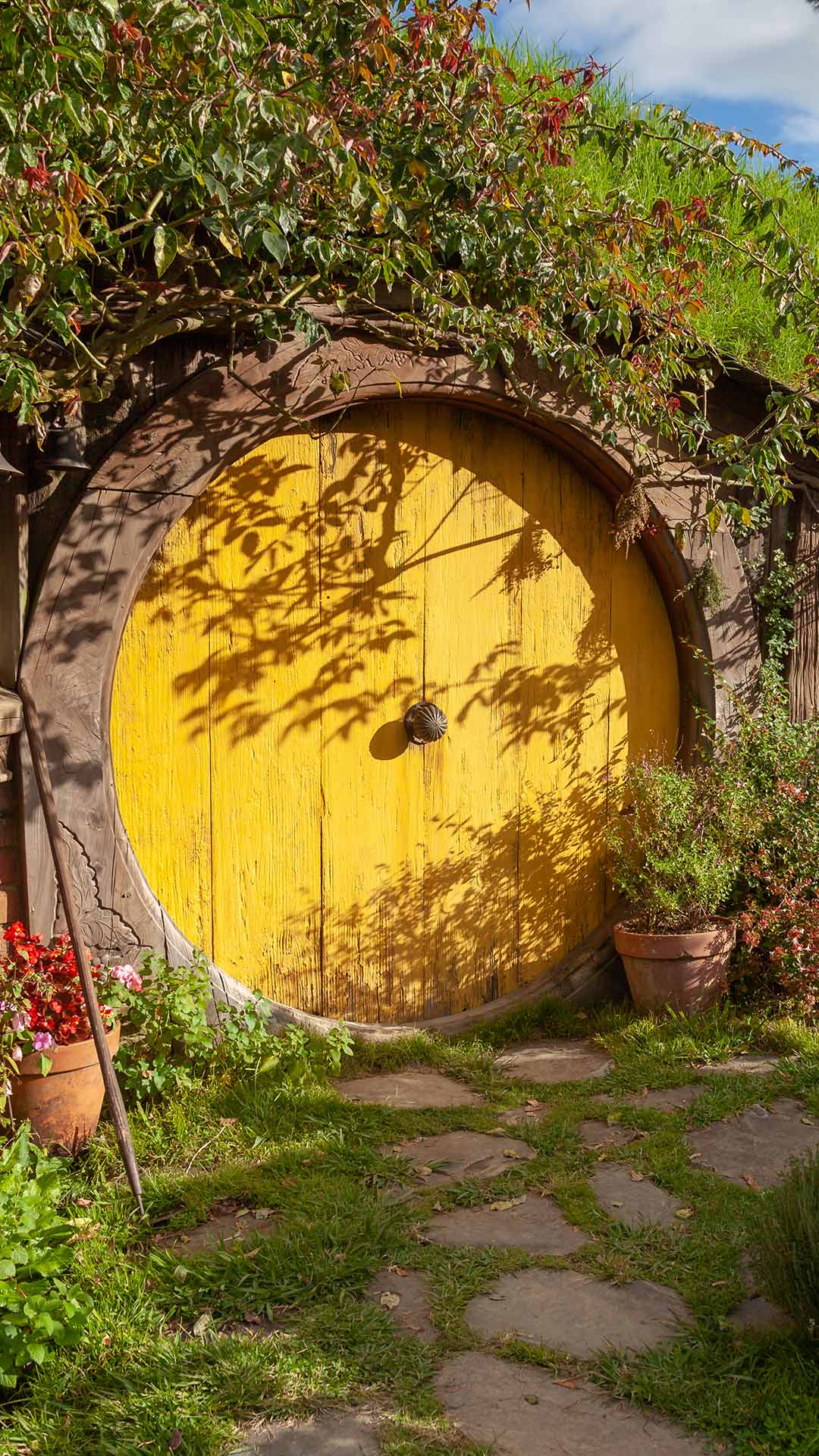
| en | • | Hobbit house at Hobbiton Movie Set, Matamata, New Zealand |
| es | • | Casa de Hobbit en el decorado de películas de Hobbiton, Matamata, Nueva Zelanda |
| fr | • | Maison Hobbit dans le décor de Hobbiton, Matamata, Nouvelle-Zélande |
| it | • | La Casa di Hobbit presso il Set Cinematografico di Hobbiton, Matamata, Nuova Zelanda |
| pt | • | Vila dos Hobbits em Matamata, Nova Zelândia |
| (© djr-photography/Shutterstock) |
Tolkien Week
Most landmarks were built by history. This one was built for a story. Hobbiton Movie Set sits in Matamata, New Zealand, on a working sheep farm that caught the eye of filmmakers scouting locations for 'The Lord of the Rings' in 1998. The hills already looked Shire-like; round doors, tidy gardens and curling chimneys completed the illusion. The set was later rebuilt for 'The Hobbit' films and became a destination for those eager to step into Middle-earth.
That feels especially fitting during Tolkien Week (20-26 September), the calendar week containing Hobbit Day on 22 September. What began as Bilbo and Frodo Baggins' shared birthday in JRR Tolkien's novels became a real-world excuse for feasts, costumes, readings and second breakfasts. First proclaimed by the American Tolkien Society in 1978, these celebrations honour a writer who did far more than tell stories: he created languages, legends, maps and songs so richly detailed that generations of readers have treated a fictional world as a place worth returning to.
| 2026‑09‑24 ‑ | Spain |
|---|
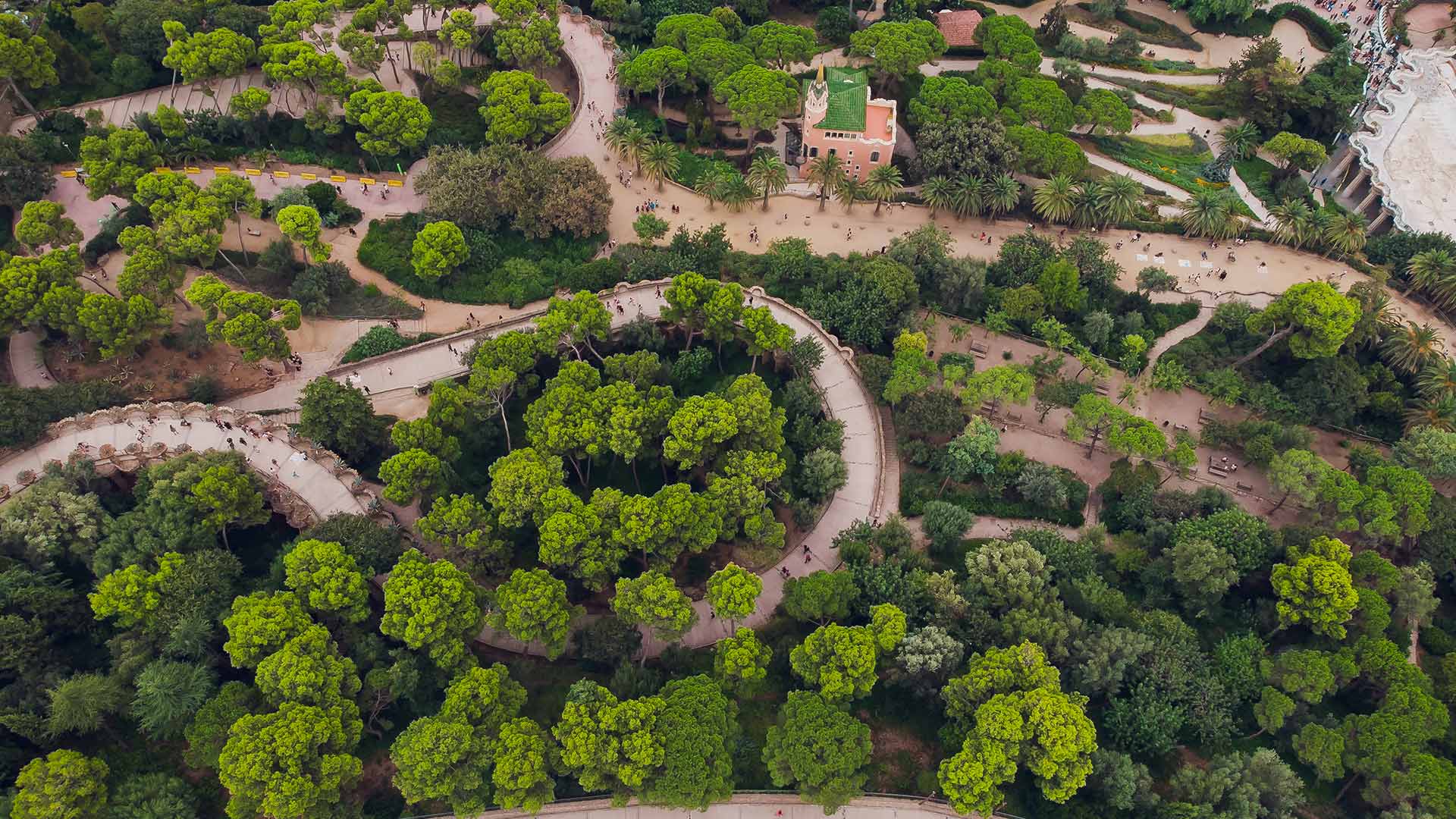
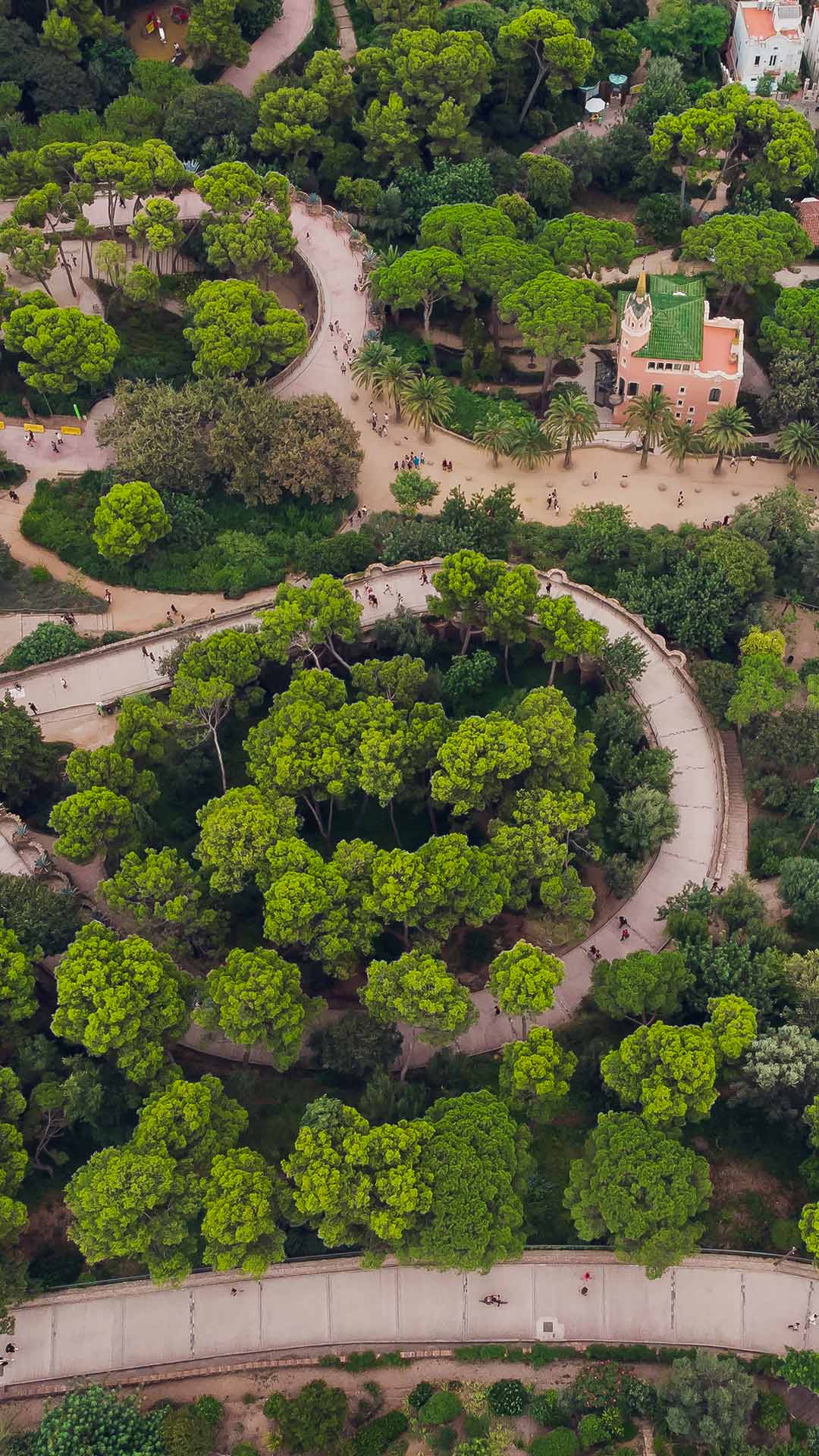
| es | • | Vista del Parque Güell en Barcelona, Cataluña, España |
| (© Vershinin/Getty Images) |
La Mercè Festival in Barcelona
Today Barcelona (Catalonia, Spain) celebrates its patron saint and takes to the streets: it is the day of La Mercè, a public holiday in the city and the high point of a major festival that since 1871 has said goodbye to summer with a program unfolded through squares, streets and beaches.
The repertoire is pure catalogue of popular culture: castells in Plaça de Sant Jaume, correfocs with bestiary of fire, giants and big-heads, sardanas, concerts spread throughout the city and a final pyromusical that brings together tens of thousands of people.
The image, on the other hand, looks upwards, at Park Güell. Gaudí designed it between 1900 and 1914 as a luxury housing estate for Eusebi Güell, but hardly any plots were sold and the plan was half-finished; in 1926 it opened as a municipal park and since 1984 it has been a World Heritage Site. A real estate failure turned into a mosaic garden: here the party and the architecture share the same taste for well-understood excess.
| 2026‑09‑23 ‑ | Brazil |
|---|
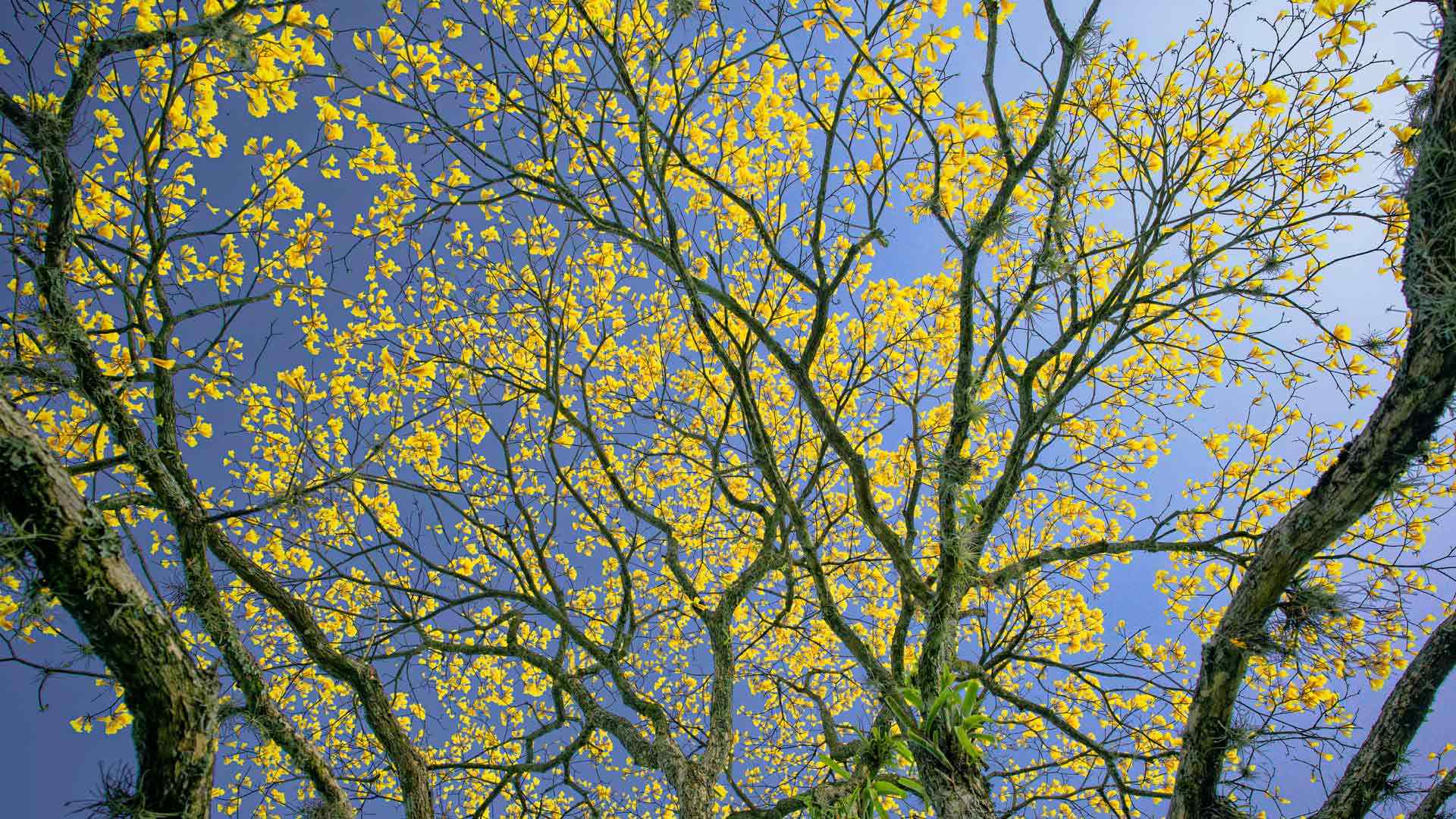
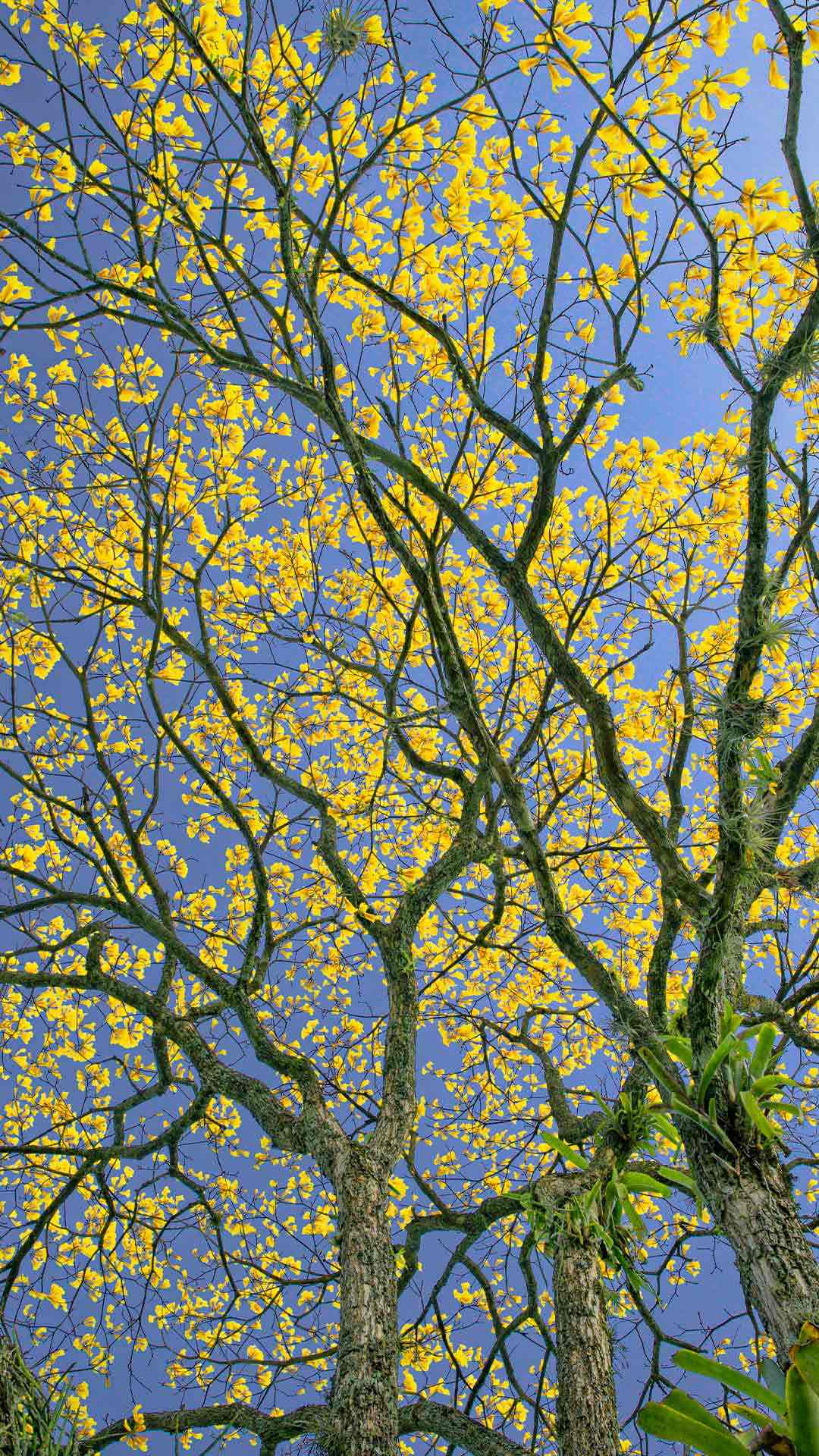
| pt | • | Ipê-amarelo florido contra o céu azul |
| (© Rogerio Peccioli/Getty Images) |
It's spring!
While many trees still seem undecided about the change of season, the ipê simply drops its leaves and covers itself with flowers. From one day to the next, streets, squares and roads receive an extra layer of saturation. No filter: it's just botany.
Spring in the Southern Hemisphere officially begins with the September equinox, but the ipê doesn't care much about the calendar. Flowering depends on the species, the region and the climate. Without the leaves, the flowers — white, pink, purple, reddish or yellow — are exposed, creating a visual feast for bees and hummingbirds. When they fall, they still keep one last trick: they exchange the branches for the ground and, for a few days, transform landscapes into carpets of color. Then the fruits arrive, with winged seeds ready to hitch a ride on the wind in search of new addresses.
Perhaps that is why its flower is a national symbol. The ipê not only blooms: it interrupts conversations, slows down drivers and convinces even people in a hurry to stop to look.