Bing daily wallpapers
page 11 / 20
| 2026‑09‑19 ‑ | Germany |
|---|
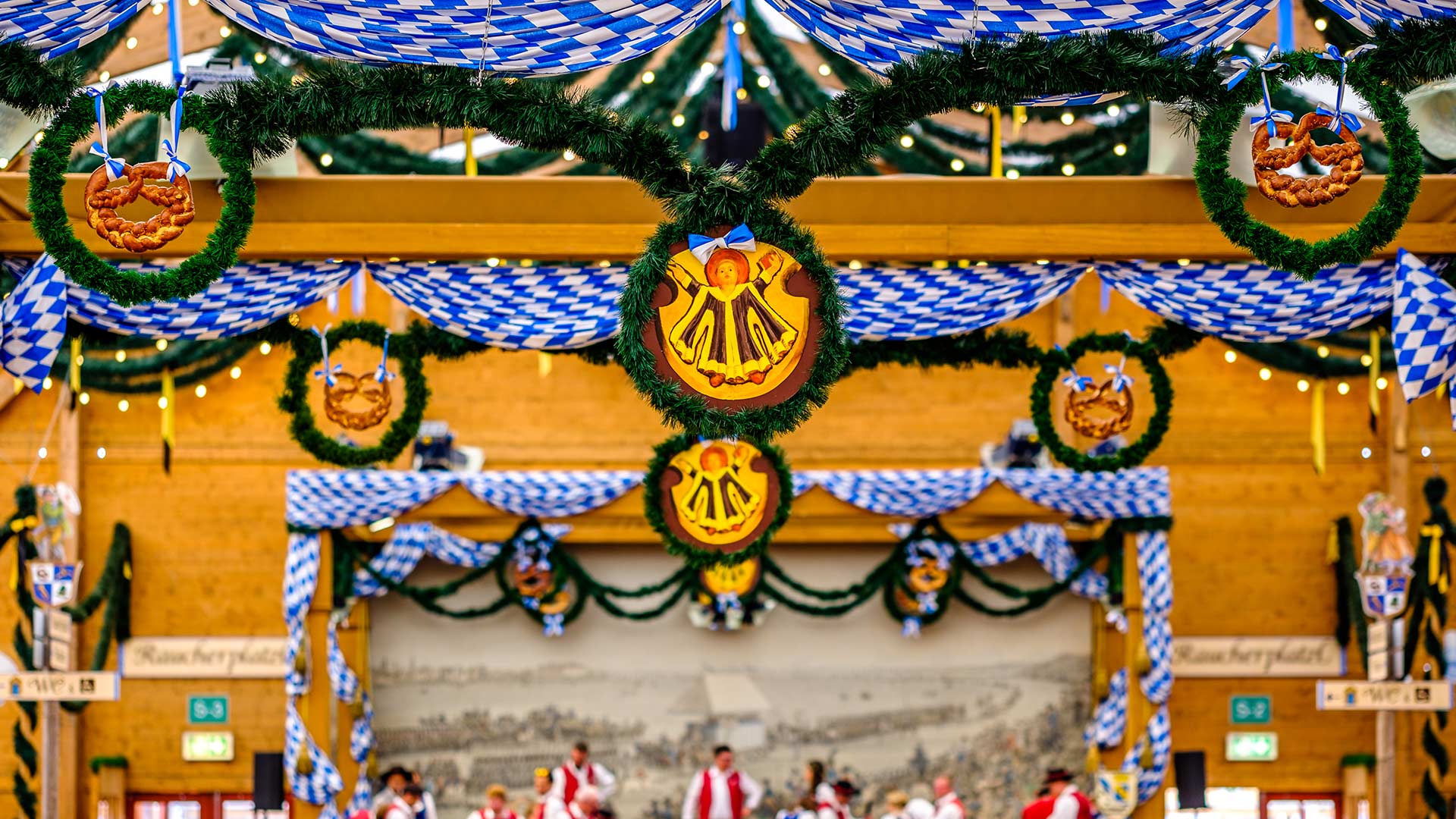
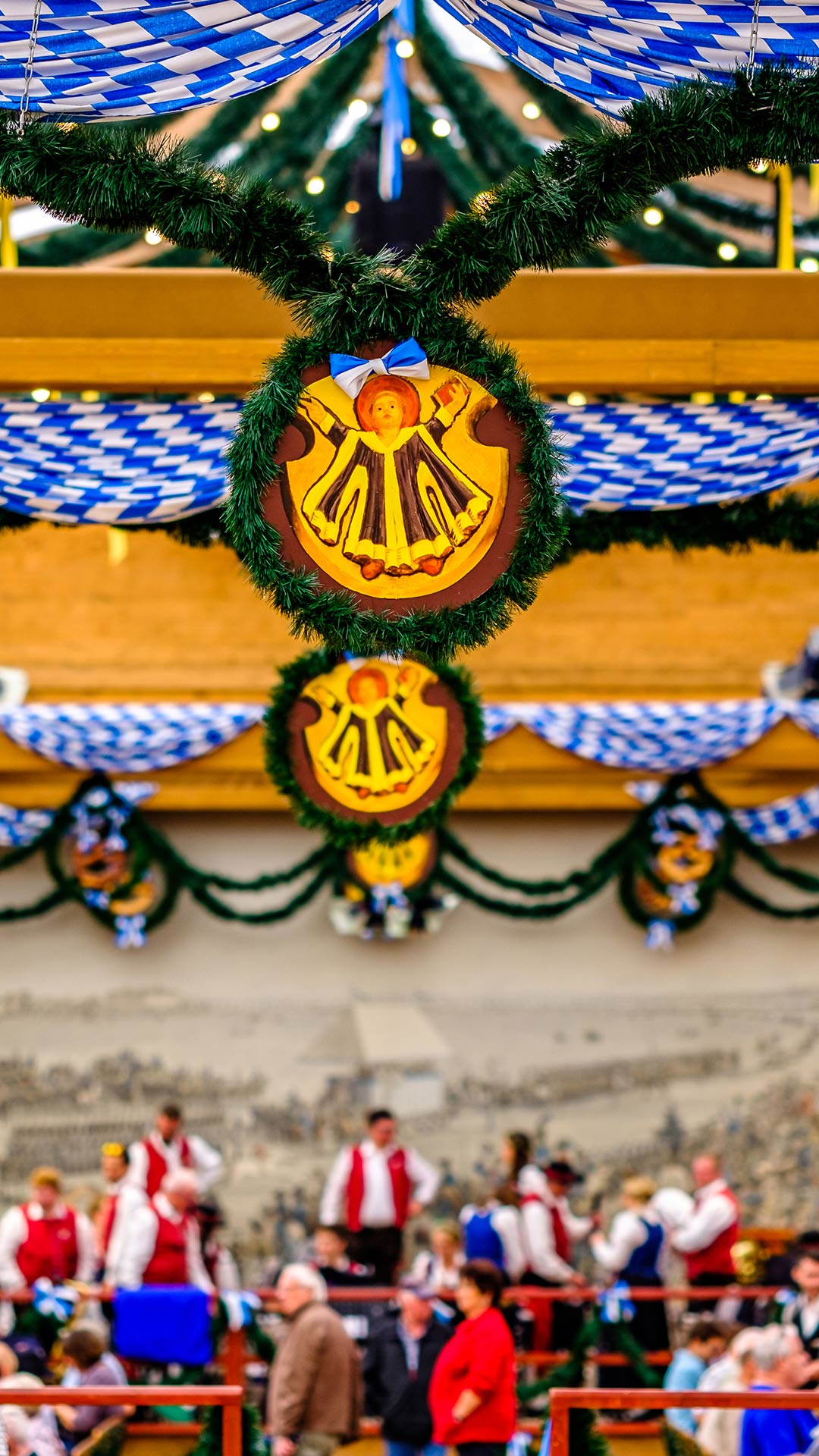
| de | • | Oktoberfest München, Bayern |
| (© FooTToo/Getty Images) |
Opening of the Oktoberfest
With the traditional cry "O'zapft is!", the 191st Oktoberfest begins today in Munich. Before the marquees fill up, the focus is on a moment that is eagerly awaited every year: the tapping of the first beer barrel in the Schottenhamel marquee. Only with the tapping is the Oktoberfest officially opened. How many blows the mayor of Munich needs for this has long been one of the most noticed details of the opening.
The Oktoberfest looks back on a history of over 200 years. It goes back to the celebrations for the wedding of the Bavarian Crown Prince Ludwig and Princess Therese in 1810. The former festival at the gates of Munich developed into the largest folk festival in the world. The Theresienwiese, named after the bride, is still the scene of this tradition today.
In the coming weeks, marquees, rides, brass bands, traditional costumes and Bavarian specialties will shape the city's image. But regardless of all the innovations, the 191st Oktoberfest will also begin as it has for generations before: with the tapping of the first barrel and two words that everyone in Bavaria knows.


| 2026‑09‑19 ‑ | Italy |
|---|
| it | • | A Borgo Marinari, sul Golfo di Napoli, Campania, Italia |
| (© Siegfried Schnepf/Getty Images) |
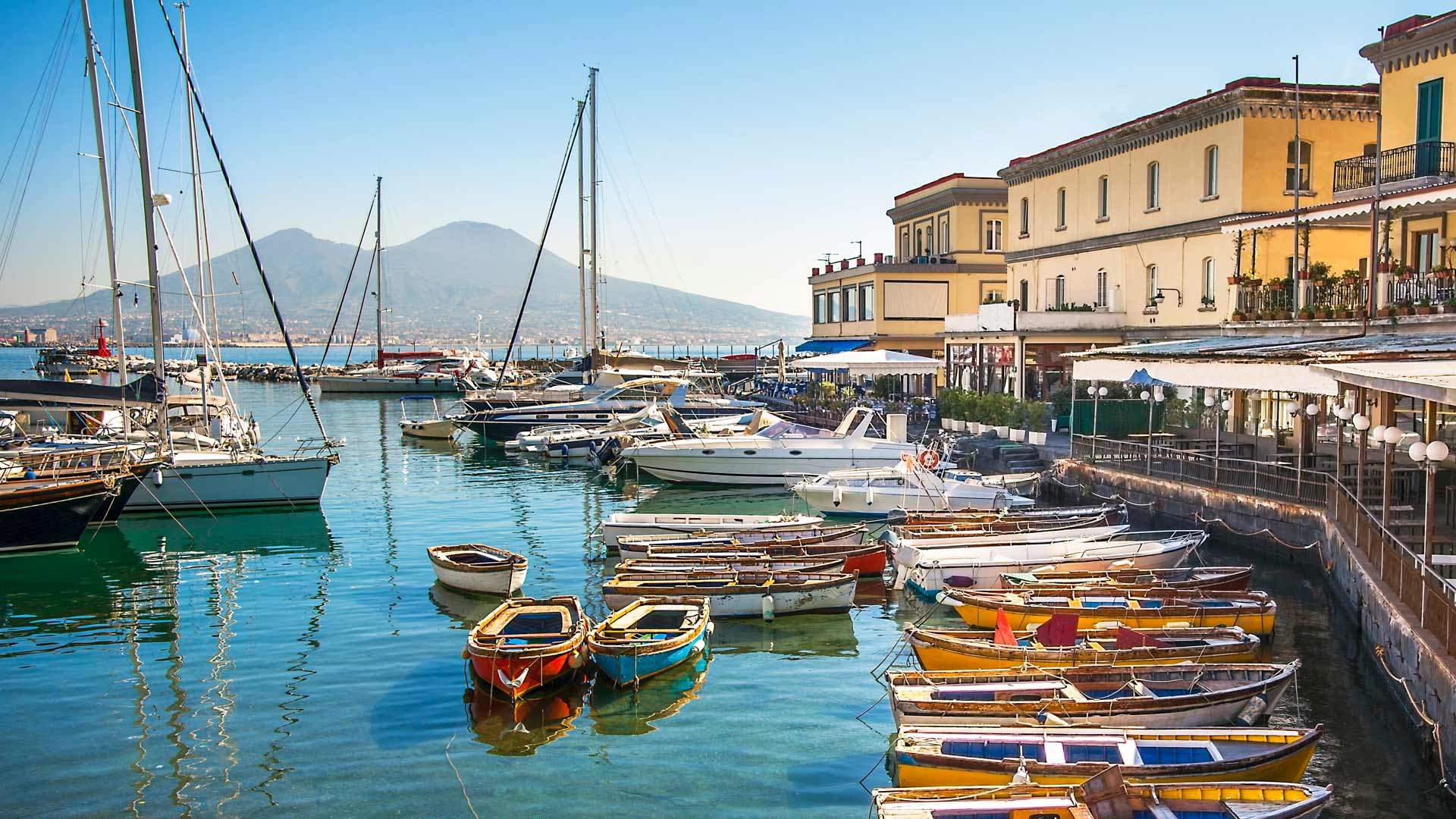
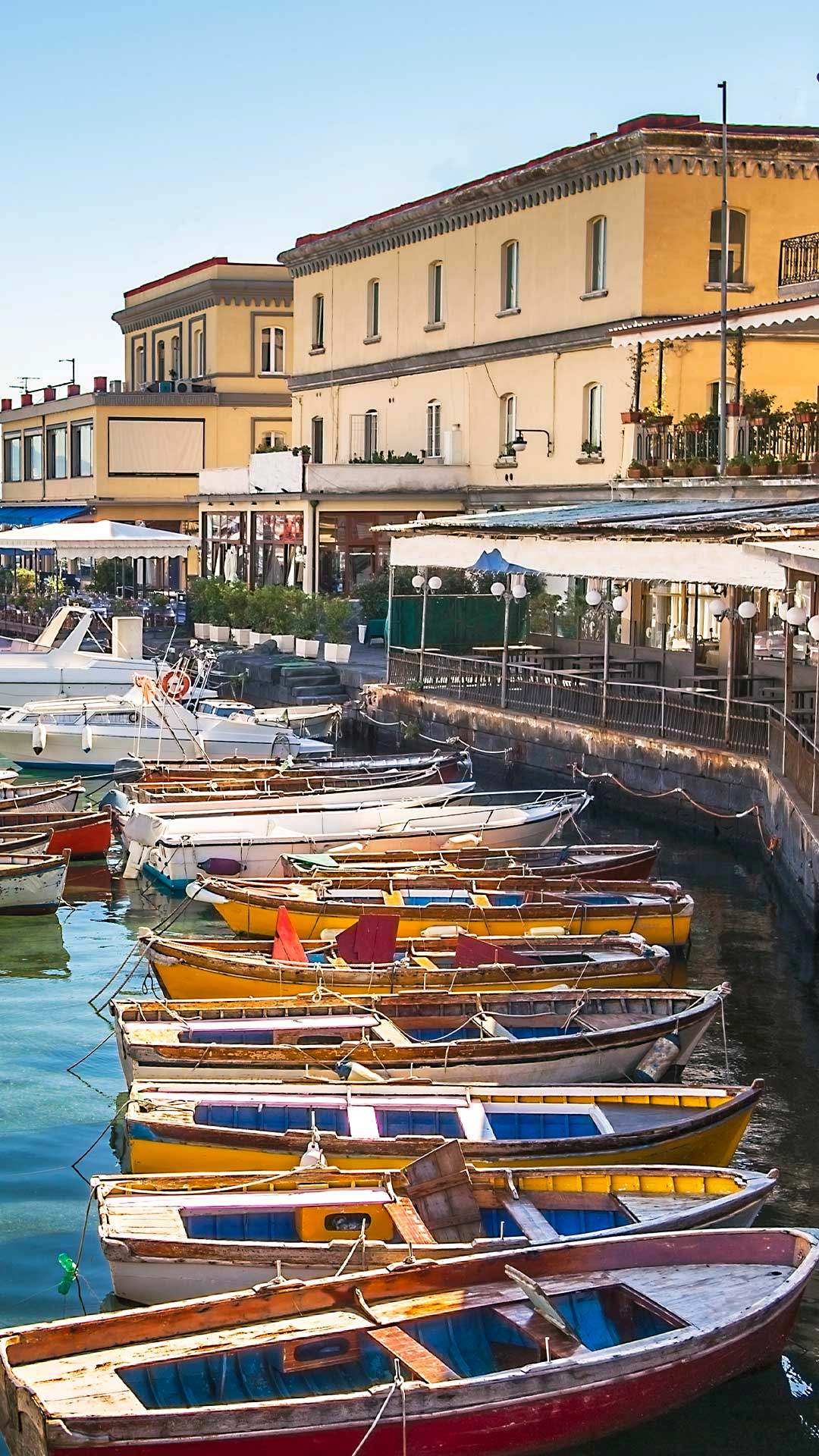
Feast of San Gennaro in Naples
Today Naples (Campania, Italy) celebrates San Gennaro, its patron saint: September 19 is the most heartfelt date in the city calendar, with celebrations in the Duomo, stalls in the alleys and a city that stays on the streets until night.
The image, however, leads to the sea, to Borgo Marinari: a handful of houses, moored boats, nautical clubs and historic restaurants on the islet of Megaride, at the foot of Castel dell'Ovo, in the San Ferdinando district. The village was born in the mid-nineteenth century to host the fishermen of Santa Lucia, and today you can get there on foot by crossing the artificial isthmus that connects the islet to the mainland.
Megaride is the point where, according to tradition, the Greek colonists landed and the first settlement was born from which the city developed; in Roman times the islet housed an outbuilding of Lucullus' villa. A handkerchief of land that holds together myth, sea and daily life.

| 2026‑09‑18 ‑ | International / Brazil / Canada ‑ English / Canada ‑ French / China / France / Germany / India / Italy / Japan / United Kingdom / United States |
|---|
| de | • | Winnats Pass im Peak-District-Nationalpark, England |
| en | • | Winnats Pass, Peak District National Park, England |
| fr | • | Col de Winnats, Parc national du Peak District, Angleterre |
| it | • | Winnats Pass, Parco Nazionale del Peak District, Inghilterra |
| ja | • | ウィナッツ・パス, イングランド |
| pt | • | Winnats Pass, Parque Nacional Peak District, Inglaterra |
| zh | • | 温纳茨山口,峰区国家公园,英格兰 |
| (© Daniel_Kay/Getty Images) |
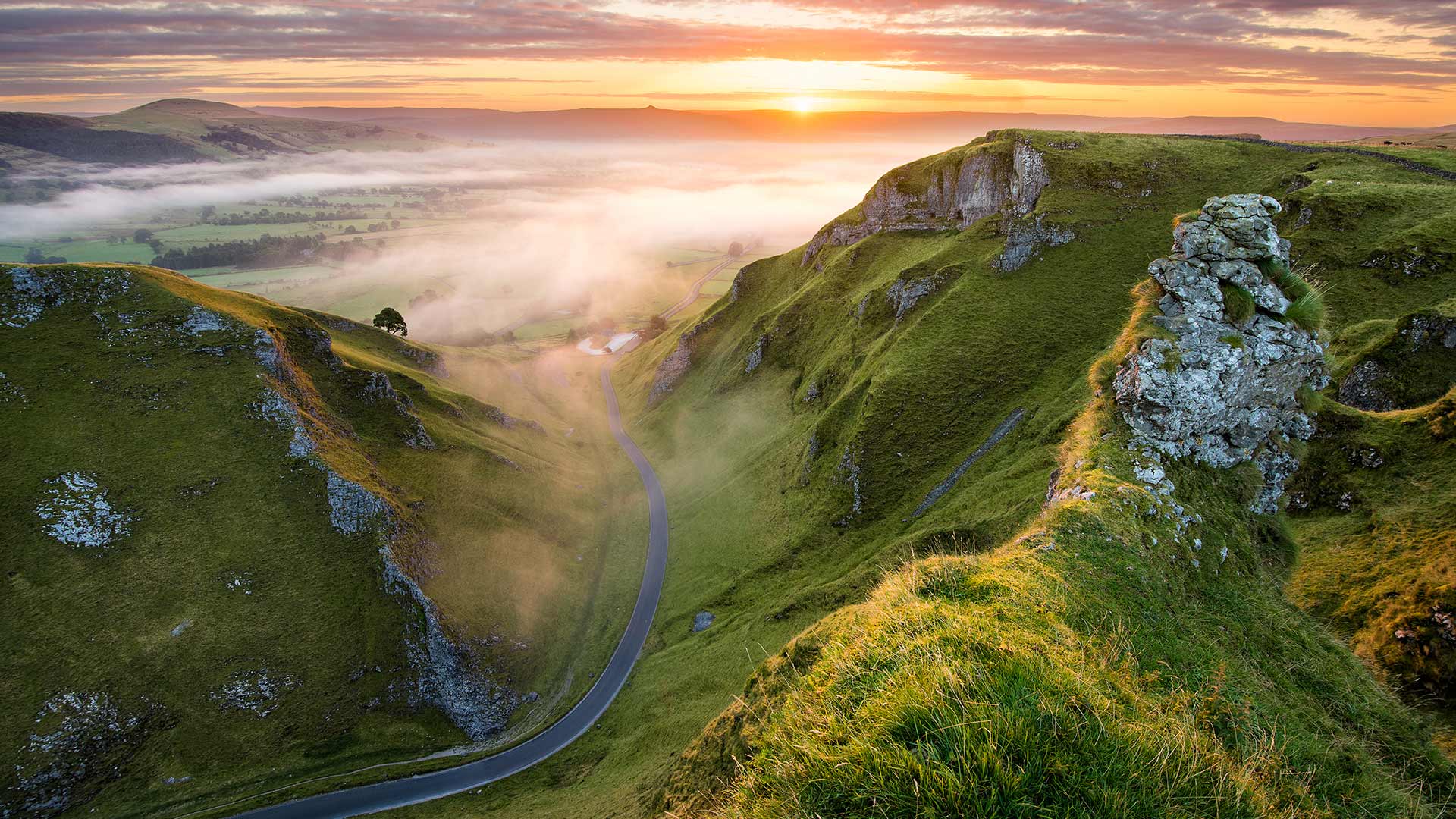
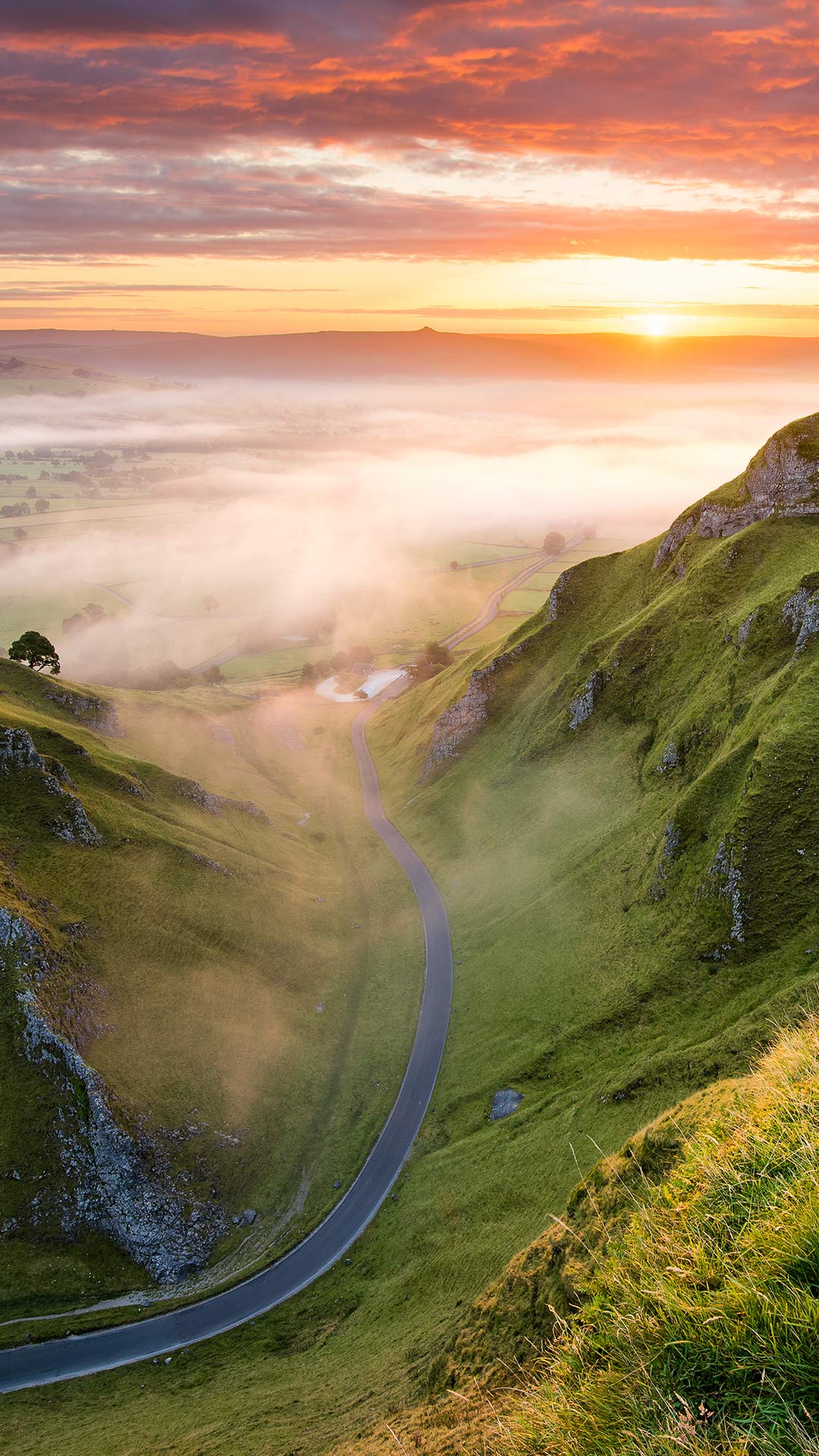
Winnats Pass, Peak District National Park, England
A long, winding road cuts through rocks more than 300 million years old in England's Peak District. As if that geological timescale were not remarkable enough, the road passes through Winnats Pass, a narrow limestone gorge whose towering cliffs reveal the ancient seas that once covered this part of Britain.
Yet Winnats Pass is only one highlight of the Peak District National Park, Britain's first national park. Here, green limestone valleys give way to sweeping gritstone moorlands, while hidden cave systems run beneath the hills. Visitors can hike along dramatic ridges, explore underground caverns once worked by lead miners and wander through picturesque communities such as Castleton and Bakewell. Few places in England pack so much geological diversity and outdoor adventure into a single landscape. Whether viewed from a windswept hilltop or from the depths of a cavern, the Peak District is a place where every turn reveals something new.


| 2026‑09‑18 ‑ | Spain |
|---|
| es | • | San Sebastián, Guipúzcoa, País Vasco, España |
| (© Tichr/Getty Images) |
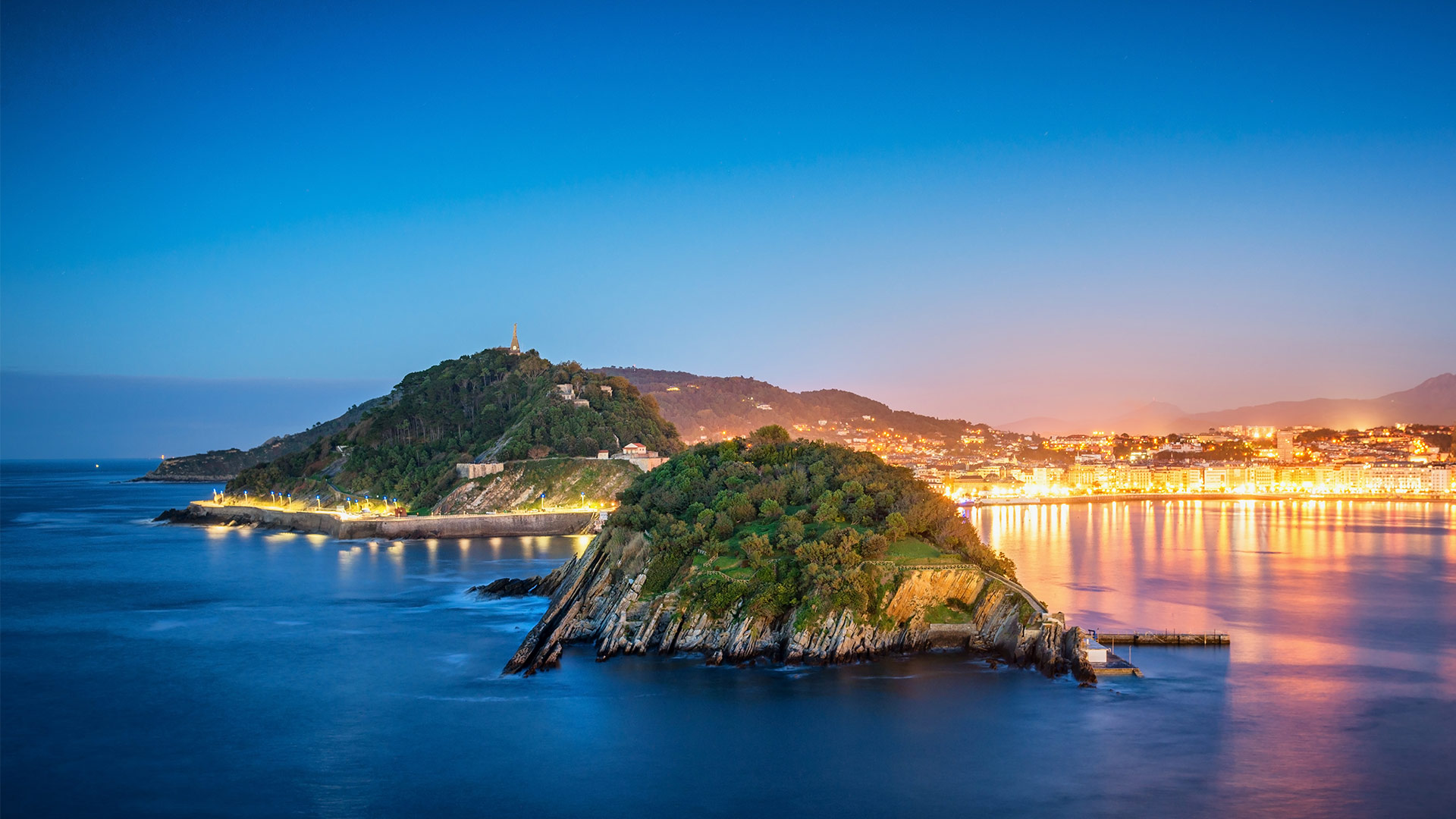
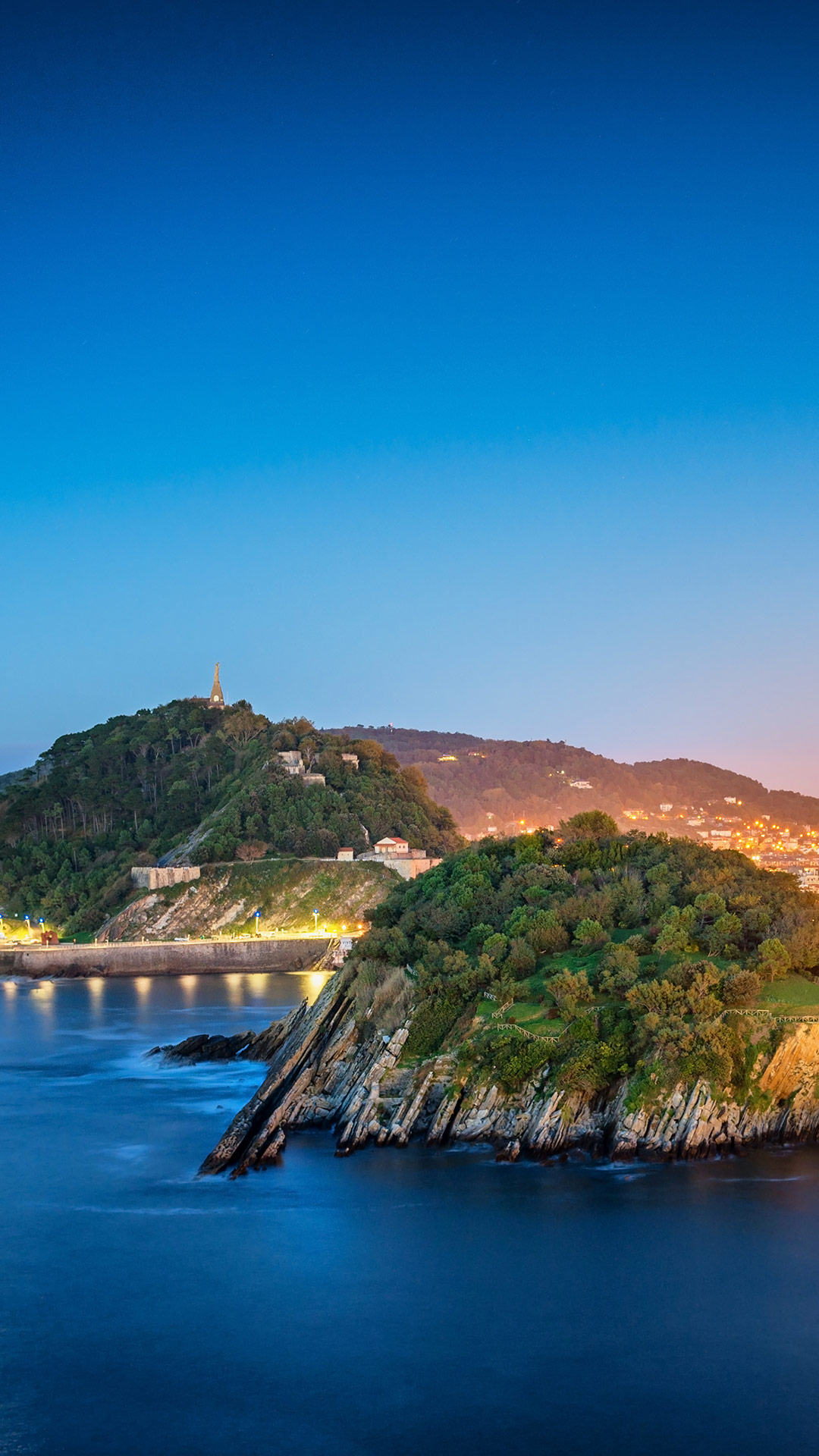
The 74th edition of its International Film Festival kicks off today in San Sebastian (Guipúzcoa, Basque Country, Spain): nine days in which the city changes the rhythm of the waves for that of the red carpets.
Born in 1953, the Zinemaldia is the only Spanish event with category A of the FIAPF, the same as Cannes, Venice or Berlin, and the great showcase of Spanish-language cinema. The Kursaal concentrates the galas and the Official Section, which competes for the Golden Shell, while the Victoria Eugenia, the Teatro Principal and Tabakalera distribute the rest of the sections.
And then there is the setting: La Concha Bay, Mount Urgull and a city that can be walked through from pintxo to pintxo. Here, in September, the queues to enter the cinema are as much a part of the landscape as the smell of the sea.

| 2026‑09‑17 ‑ | International / Brazil / Canada ‑ French / China / France / Germany / India / Italy / Japan / Spain / United Kingdom / United States |
|---|
| de | • | Windmühle von Sorine und Weinberge in der Weinregion Santenay, Côte de Beaune, Burgund, Frankreich |
| en | • | Sorine windmill and vineyards, Santenay wine region, Côte de Beaune, Burgundy, France |
| es | • | Molino de viento y viñedos de Sorine, región vinícola de Santenay, Costa de Beaune, Borgoña, Francia |
| fr | • | Le moulin à vent et les vignobles de Sorine, Santenay, Côte de Beaune, Bourgogne |
| • | Le moulin à vent et les vignobles de Sorine, Santenay, Côte de Beaune, Bourgogne, France | |
| it | • | Mulino a vento e vigneti di Sorine, regione vinicola di Santenay, Côte de Beaune, Borgogna, Francia |
| ja | • | サントネー, フランス |
| pt | • | Moinho de vento de Sorine e vinhedos, região vinícola de Santenay, Côte de Beaune, Borgonha, França |
| zh | • | 桑特奈葡萄酒产区葡萄园中的索林风车,伯恩丘,勃艮第,法国 |
| (© Marco Bottigelli/Getty Images) |
Santenay wine region, Côte de Beaune, Burgundy, France
Each year, late summer and early autumn bring one of France's most anticipated traditions: the 'vendanges,' the grape-picking season. The timing varies from one wine region to another and depends on weather conditions, sun exposure and the ripeness of the fruit. For many vineyards, harvest is still a hands-on effort, with teams carefully selecting bunches destined for some of the country's most celebrated wines.
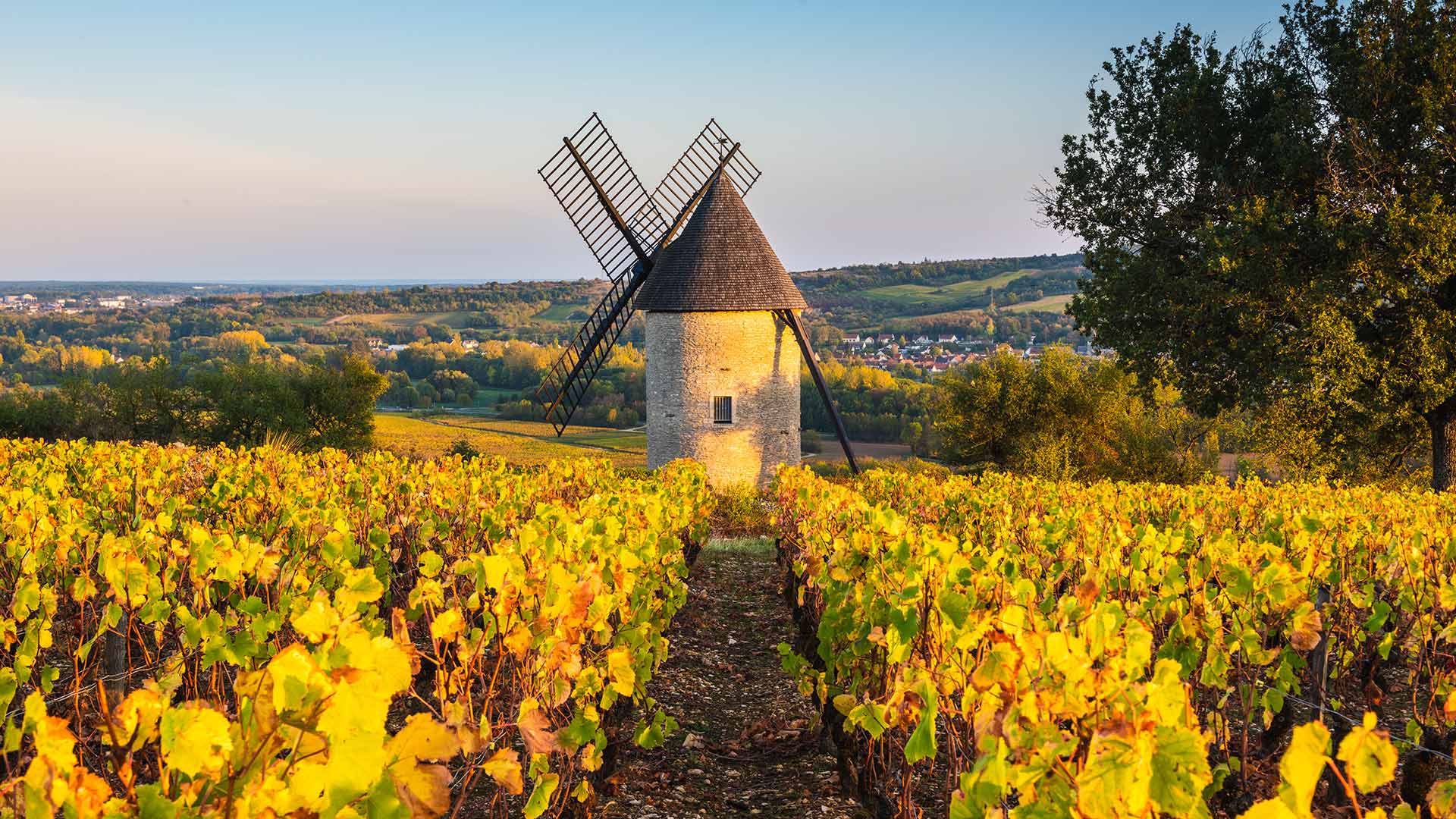
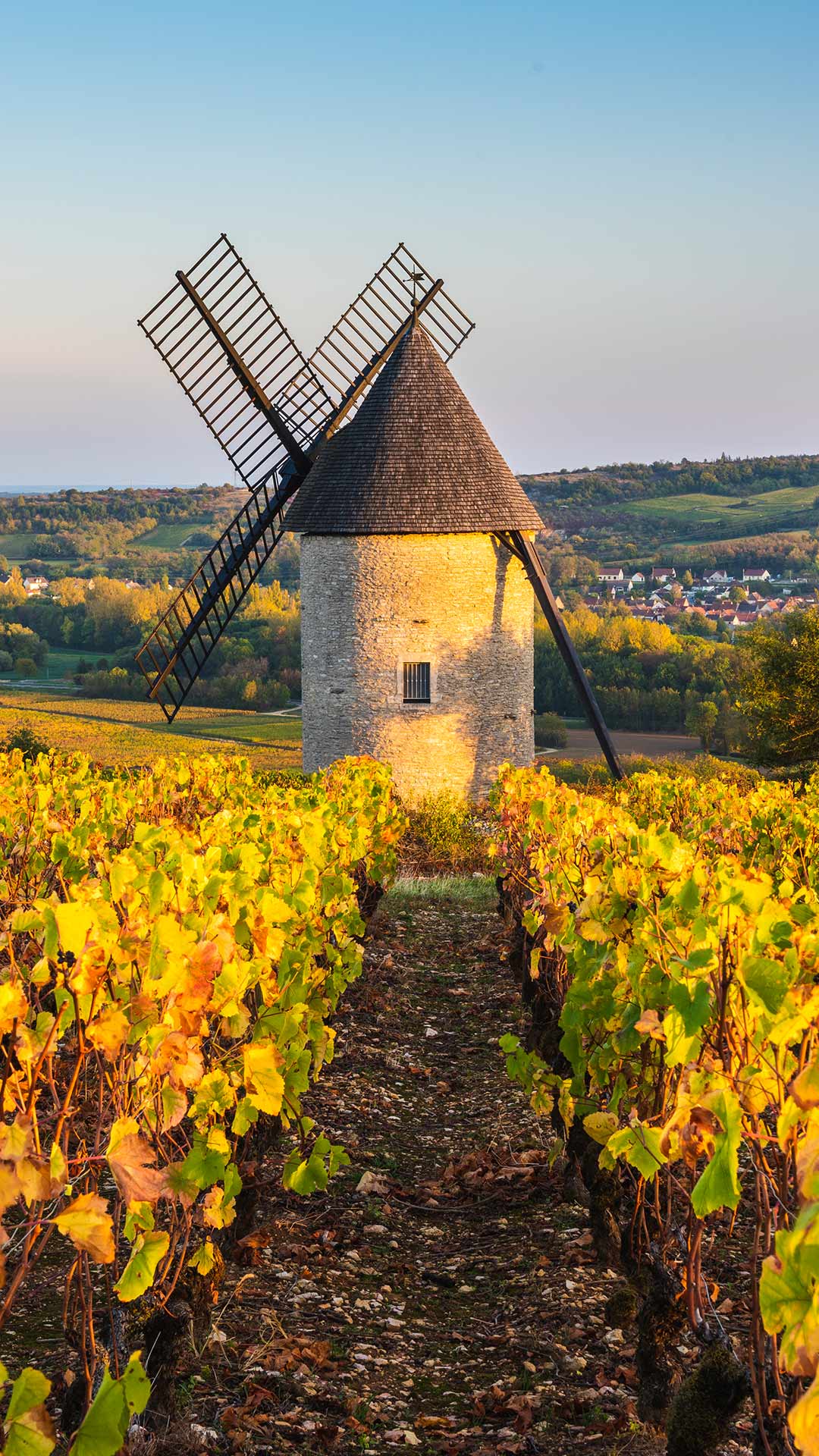
The scene is especially striking in Santenay, at the southern end of Burgundy's Côte de Beaune. Here, rows of vines stretch across rolling hills beneath the Sorine windmill, a restored 19th-century landmark that overlooks the surrounding countryside and vineyards, as seen in today's image.
Harvesting grapes has shaped French life for centuries. Its importance even echoes in the French Republican calendar, which named its opening month after the gathering of the crop—a reminder of how deeply winemaking is woven into the nation's history. As baskets fill and the vineyards glow with autumn colour, the season blends agriculture, heritage and celebration into a uniquely French ritual.
| 2026‑09‑17 ‑ | Canada ‑ English |
|---|---|
| 2026‑09‑10 ‑ | International / Brazil / China / France / Germany / India / Italy / Japan / Spain / United Kingdom / United States |
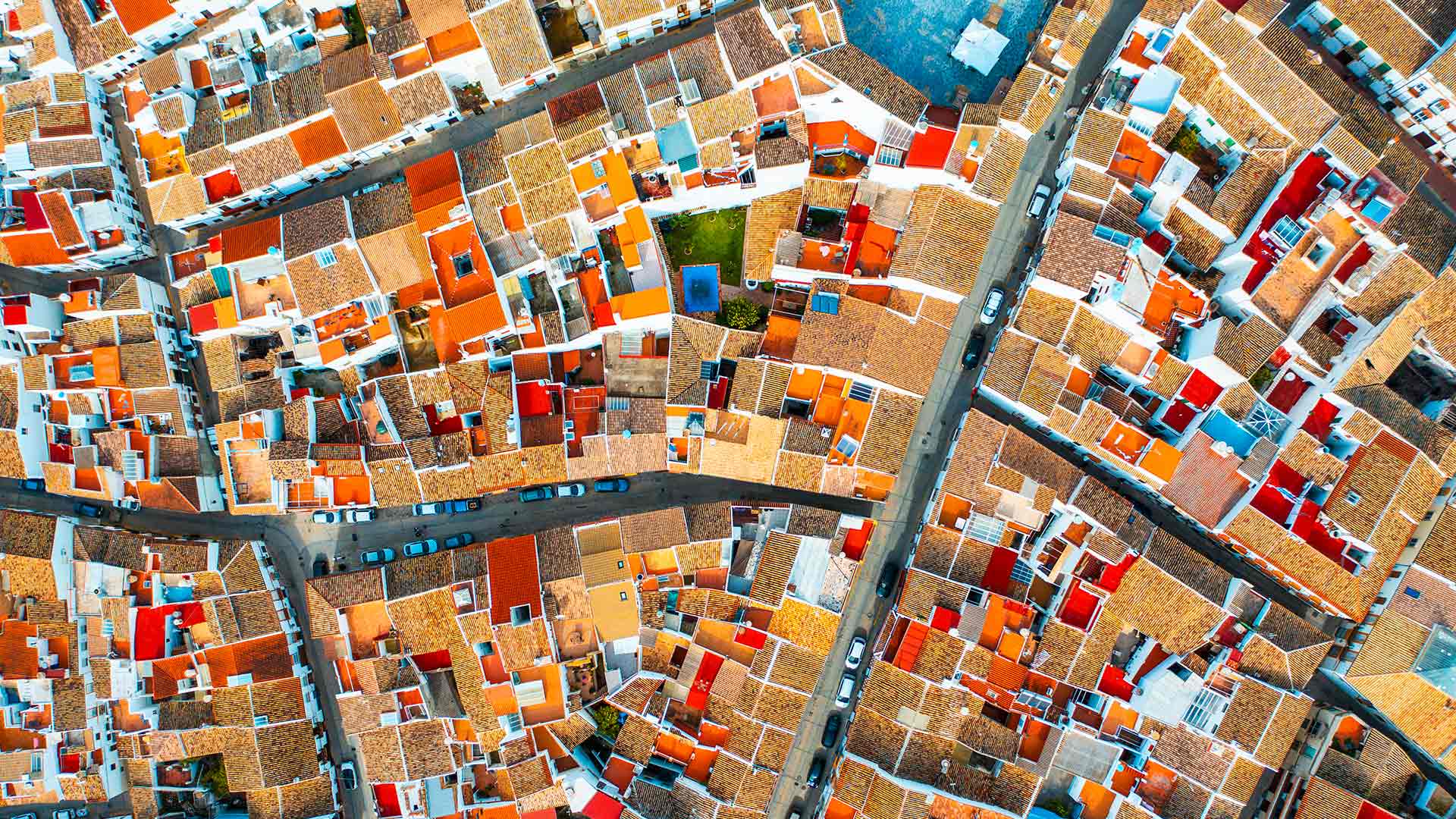
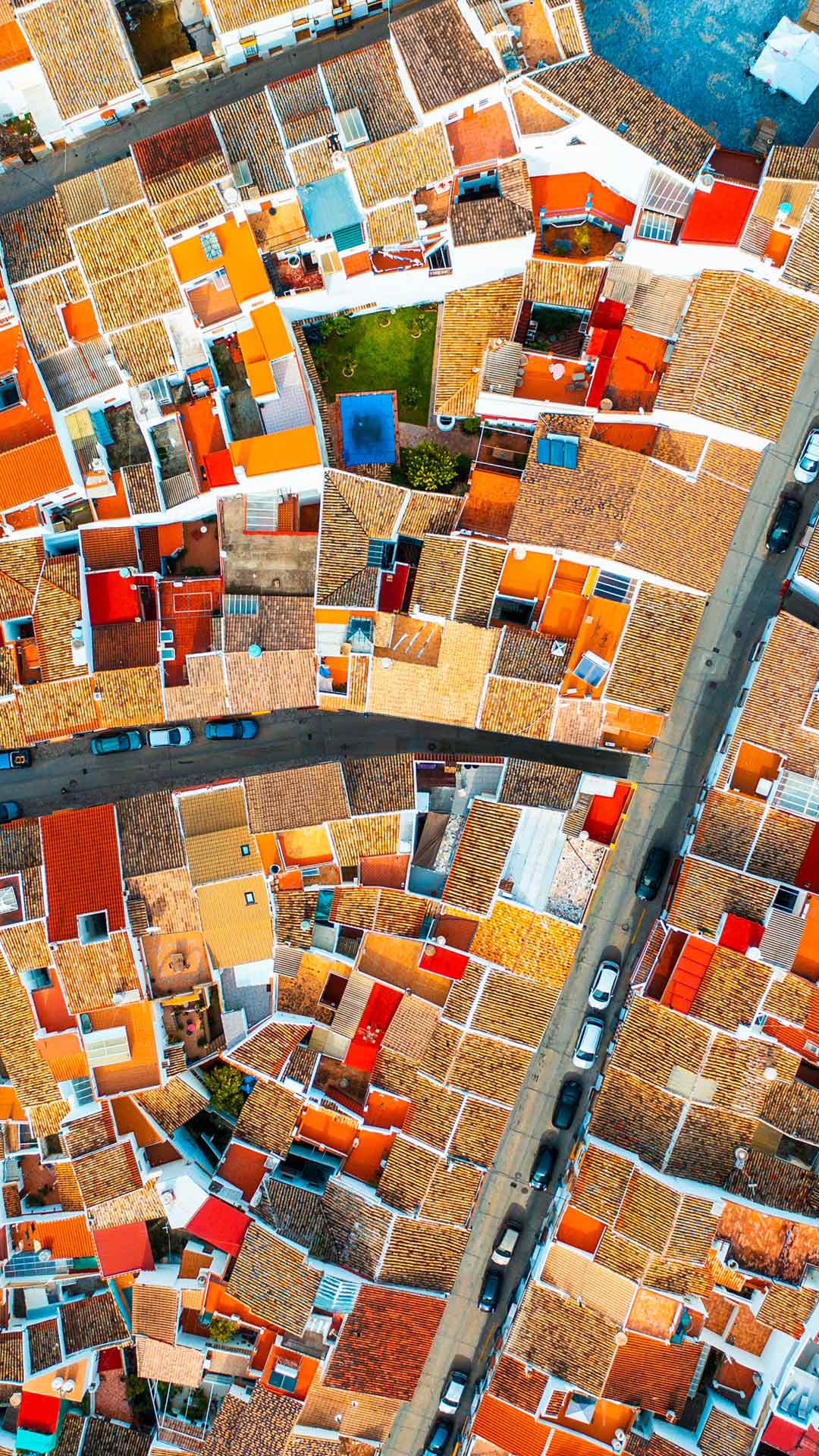
| de | • | Luftaufnahme von Olvera, Andalusien, Spanien |
| en | • | Aerial view of Olvera, Andalusia, Spain |
| es | • | Vista aérea de Olvera, Cádiz, Andalucía, España |
| fr | • | Vue aérienne d’Olvera, Andalousie, Espagne |
| it | • | Vista aerea di Olvera, Cadice, Andalusia, Spagna |
| ja | • | オルベラ, スペイン |
| pt | • | Vista aérea de Olvera, Andaluzia, Espanha |
| zh | • | 奥尔韦拉航拍图,安达卢西亚,西班牙 |
| (© Marco Bottigelli/Getty Images) |
Aerial view of Olvera, Andalusia, Spain
Ever wondered why Andalusia is one of Spain's best-known regions? Flamenco, tapas, Moorish architecture and extensive olive groves all play a part. Beyond its famous cities, you'll find historic places like Olvera. Surrounded by more than 2 million olive trees, this village developed as a strategic frontier settlement shaped by centuries of change. The Castle of Olvera still watches over the town, while the Church of Our Lady of the Incarnation dominates the skyline below. Visit La Cilla Cultural Centre to discover Olvera's medieval history and traditions.
Hungry? Try 'gazpacho,' a chilled tomato soup; 'jamón ibérico,' Spain's famous cured ham or the 'torta de aceite,' a crisp olive oil biscuit. For a scenic walk or bike ride, head to the Vía Verde de la Sierra, a former railway line turned popular trail. Watch your step on the steep cobbled streets—your camera might stay steady, but your footing may not! As the saying goes, 'poco a poco'—little by little. Slow down, wander and let Olvera reveal itself.