Bing daily wallpapers
page 7 / 20
| 2026‑10‑01 ‑ | India |
|---|
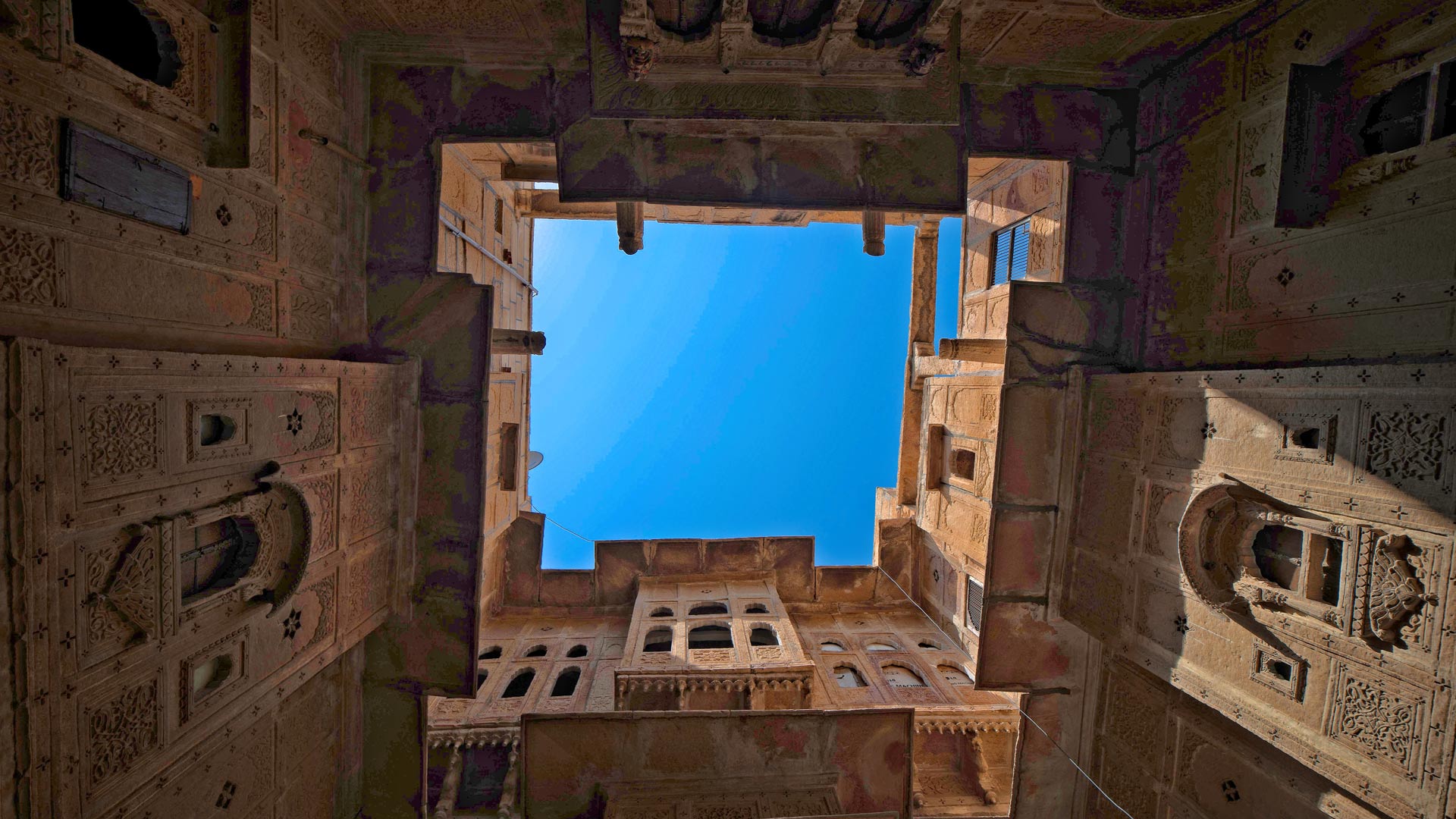
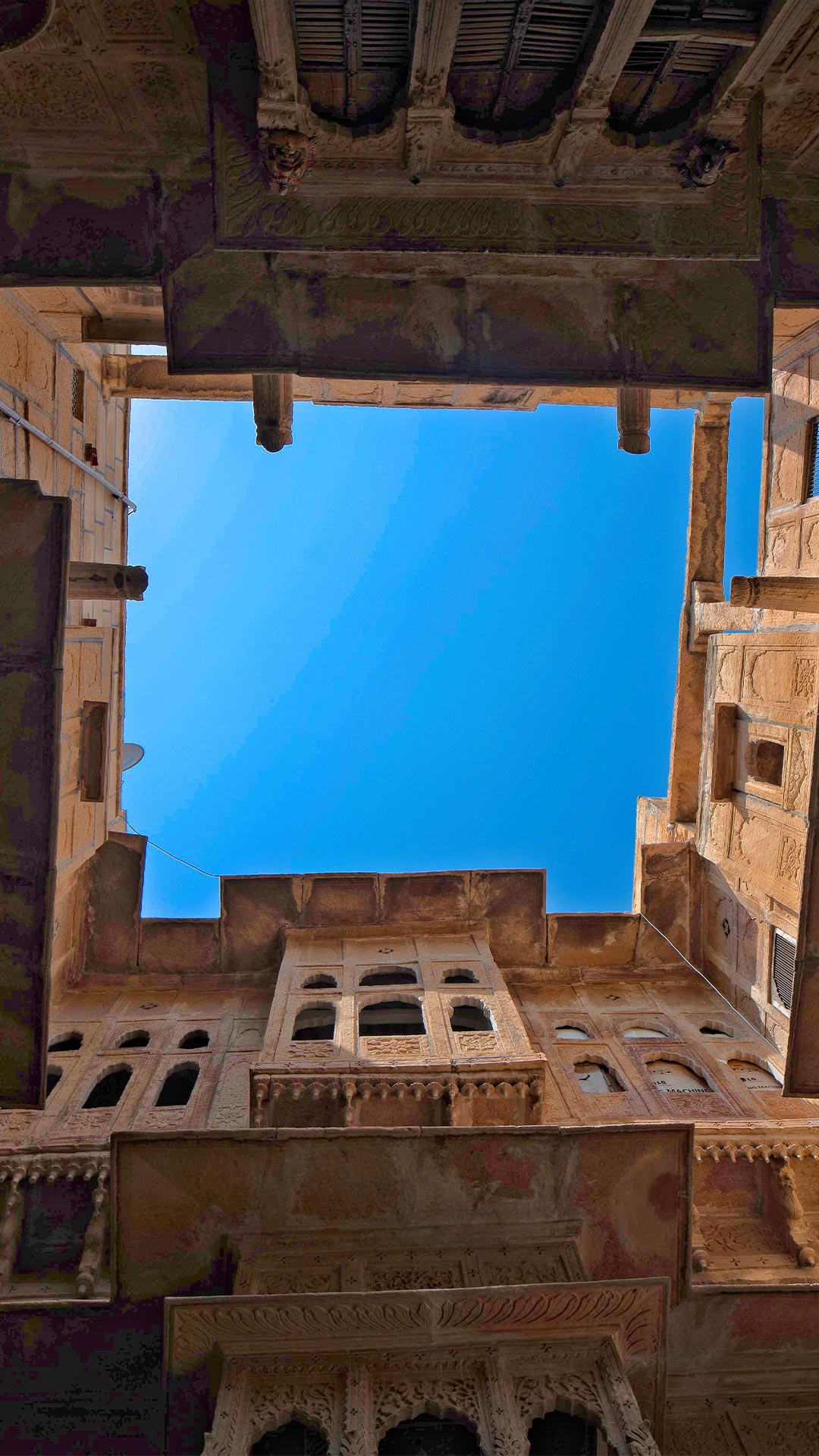
| en | • | View into the sky from Nathmal Ki Haveli courtyard, Jaisalmer, Rajasthan |
| (© Emad Aljumah/Moment/Getty Images) |
Nathmal Ki Haveli, Jaisalmer, Rajasthan
What if two architects worked on the same house but saw it differently? Nathmal Ki Haveli in Jaisalmer offers the answer in carved sandstone. Built in the late 19th century, the haveli is associated with architect brothers Hathi and Lulu, who worked independently on its two sides. They look similar at first, but their fine details differ.
The building has two courtyards: a smaller one at the front and a larger one towards the rear. These open spaces helped circulate air and provided shaded areas for family gatherings and relaxation in Jaisalmer's desert climate. The carvings are just as intriguing. Traditional figures of horses, cattle and flowers appear alongside bicycles and steam engines, reflecting the 19th century's fascination with new technology. Two life-sized sandstone elephants guard the entrance.
With its clever layout and contrasting details, Nathmal Ki Haveli proves that even when two sides look alike, they can still have their own point of view.


| 2026‑09‑30 ‑ | Germany |
|---|---|
| 2026‑09‑20 ‑ | Italy |
| 2026‑09‑19 ‑ | Brazil / Canada ‑ English / Canada ‑ French / China / France / India / Japan / Spain / United Kingdom / United States |
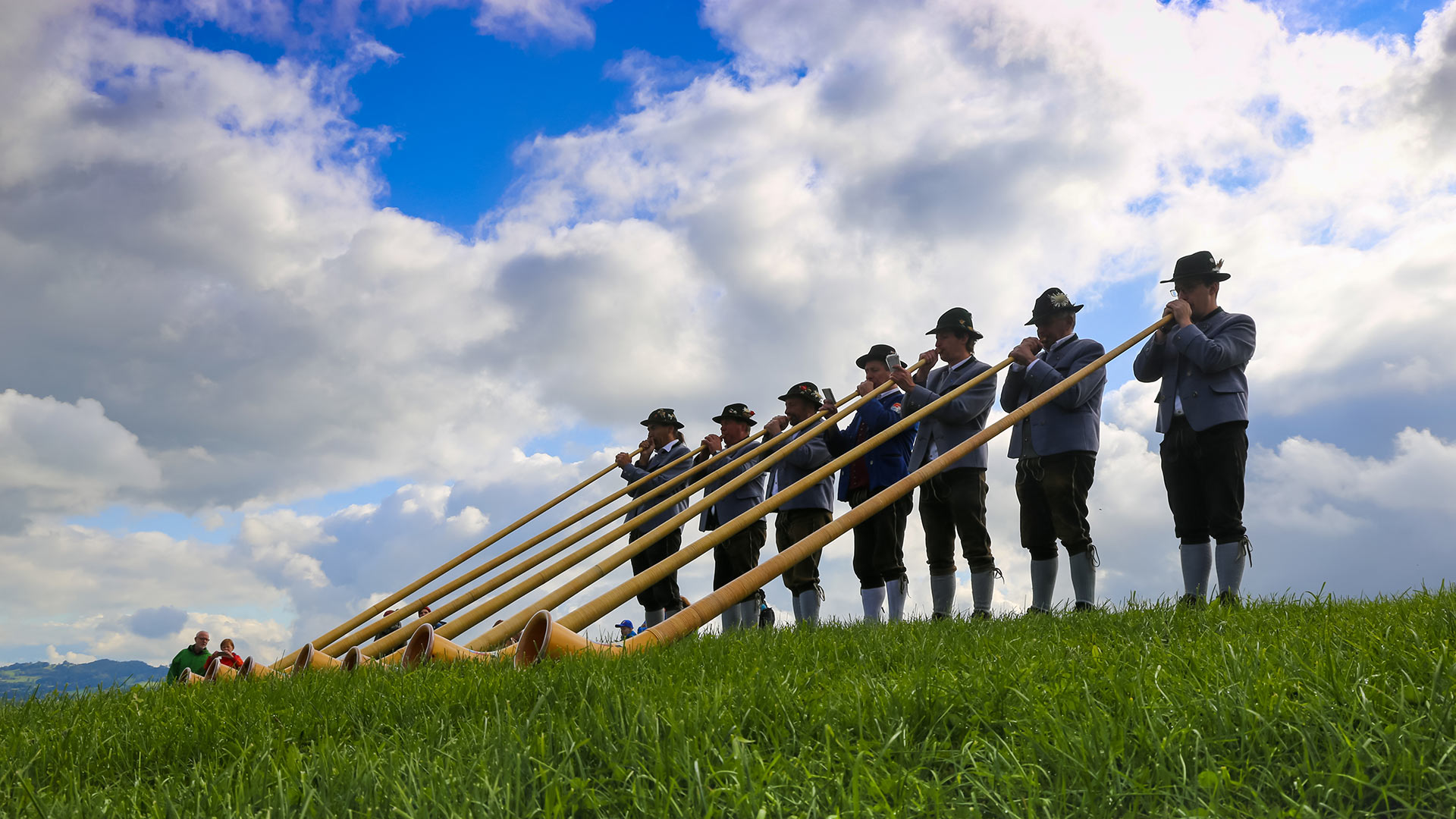
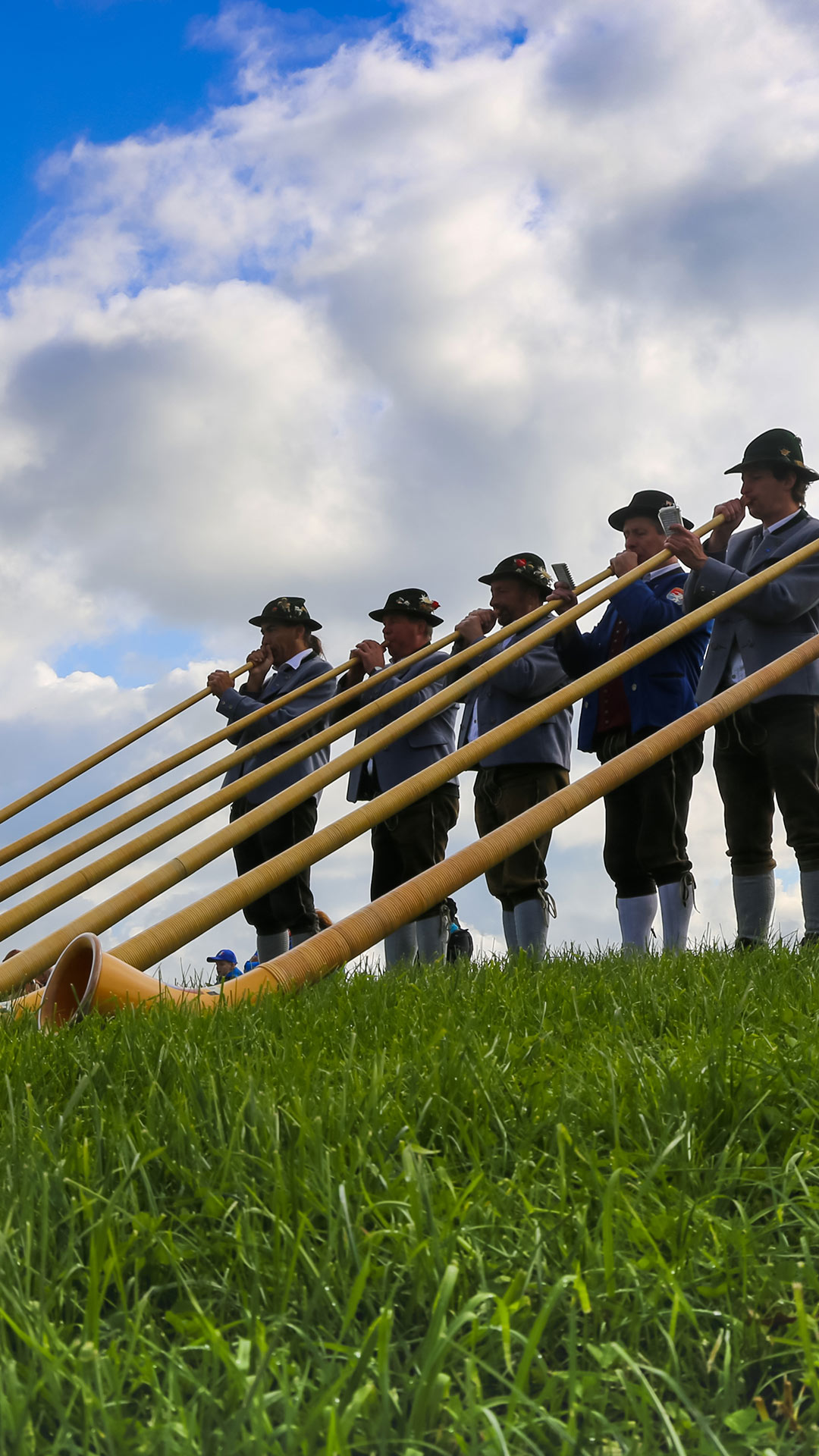
| de | • | Alphornbläser in Bayern |
| en | • | Alphorn players, Bavaria, Germany |
| es | • | Músicos tocando la trompa de los Alpes, Waltenhofen, Baviera, Alemania |
| fr | • | Joueurs de cor des Alpes, Bavière, Allemagne |
| it | • | Giocatori di alphorn, Baviera, Germania |
| ja | • | アルプホルン奏者たち, ドイツ |
| pt | • | Músicos de trompa alpina, Baviera, Alemanha |
| zh | • | 阿尔卑斯长号演奏者,巴伐利亚州,德国 |
| (© U. J. Alexander/Shutterstock) |
Oktoberfest, Germany
The Oktoberfest has just begun, but the sound that comes from Bavaria (Germany) is older than the party: it is the deep voice of the alphorn.
It is a wooden tube about three and a half meters long, almost always made of fir, without keys, pistons or holes. The musician has only the air pressure and the tension of the lips to change note, so he plays within the series of harmonics, the natural scale that gives him that unmistakable timbre.
Similar wooden horns were used to communicate in many mountainous regions of Europe: from the French Alps to the Carpathians, passing through the Italian Alps, where shepherds and herdsmen used them to call herds and send signals from one side to the other. A low sound, in fact, travels much better than a cry. Today the instrument accompanies popular festivals in Bavaria, Austria and Switzerland: under the tents of Munich, open until early October, it reminds us that here above all an Alpine culture is celebrated.


| 2026‑09‑29 ‑ | International / Brazil / Canada ‑ English / Canada ‑ French / China / France / Germany / India / Italy / Japan / Spain / United Kingdom / United States |
|---|
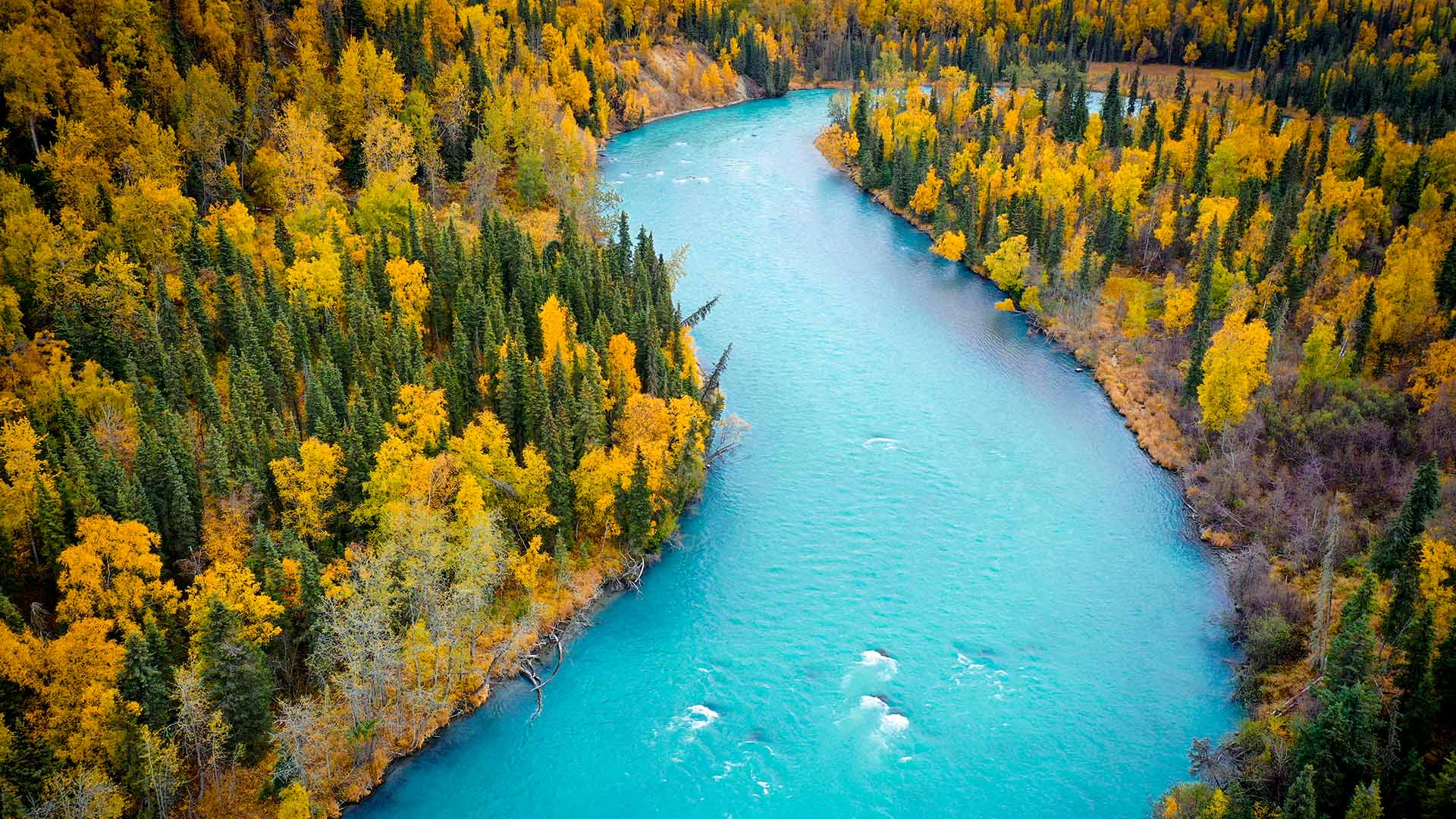
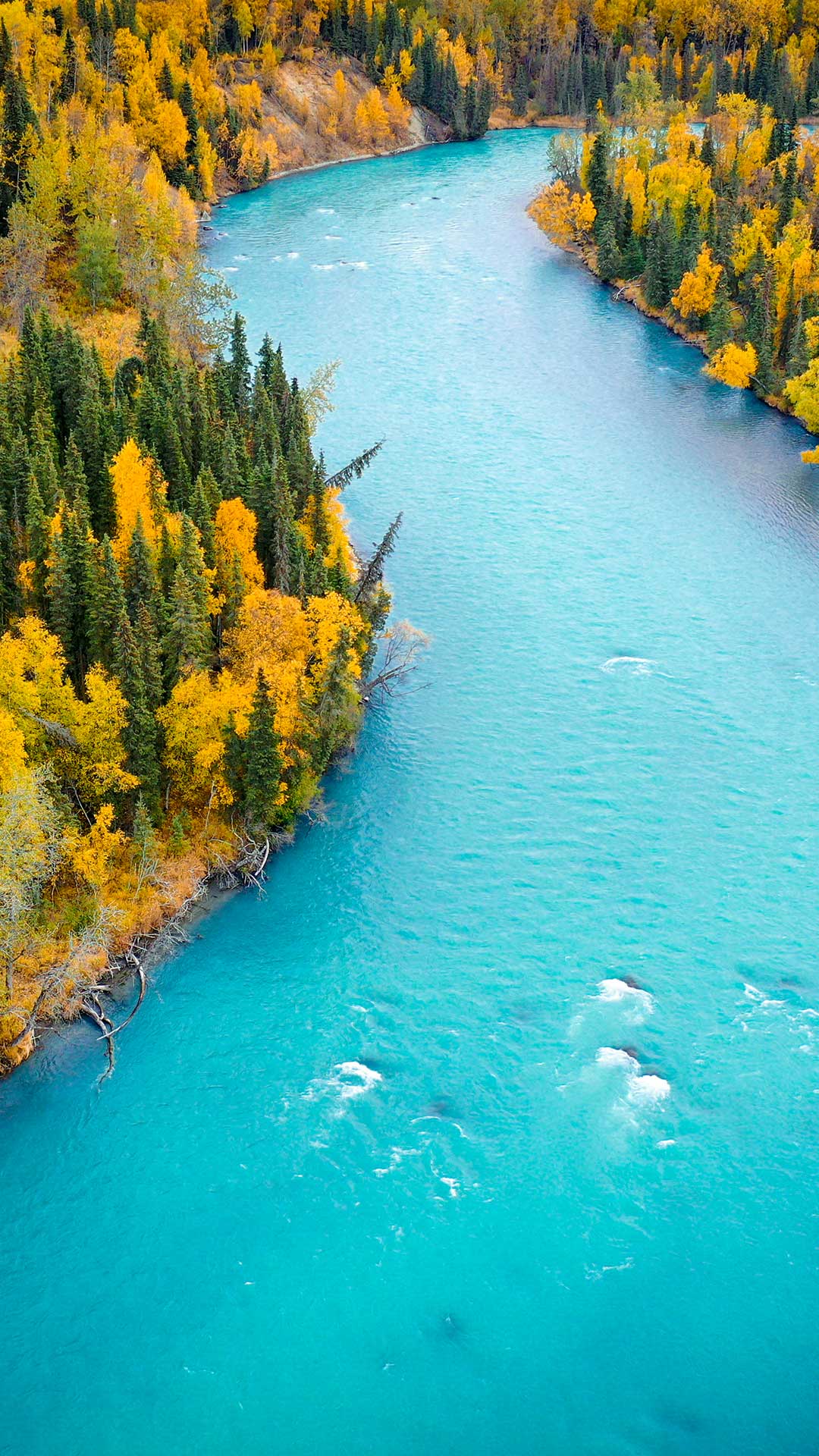
| de | • | Das blaue, von Gletschern gespeiste Wasser des Kasilof River in Alaska, USA |
| en | • | The blue, glacier-fed waters of the Kasilof River, Alaska, United States |
| • | The blue, glacier-fed waters of the Kasilof River, Alaska, USA | |
| es | • | Las aguas azules alimentadas por glaciares del río Kasilof, Alaska, EE. UU. |
| fr | • | Les eaux bleues de la rivière Kasilof, Alaska, États-Unis |
| it | • | Le acque blu alimentate dai ghiacciai del fiume Kasilof, Alaska, USA |
| ja | • | カシロフ川, 米国 アラスカ州 |
| pt | • | Rio Kasilof, Península de Kenai, Alasca, Estados Unidos |
| zh | • | 卡西洛夫河冰川融水滋养的湛蓝河水,阿拉斯加州,美国 |
| (© jared lloyd/Getty Images) |
The blue, glacier-fed waters of the Kasilof River, Alaska, United States
Seen from above, the Kasilof River winds like a ribbon of turquoise through Alaska's Kenai Peninsula. The vivid blue water comes from glacial silt carried downstream from Tustumena Lake, one of the largest freshwater lakes in the state. Flowing about 27 kilometres before emptying into Cook Inlet, the river is shorter than its famous neighbour, the Kenai, but no less remarkable.
The Kasilof begins in a landscape shaped by ice and remains closely tied to the region's fishing culture. Long an important resource for the Dena'ina people, the river later became central to commercial, subsistence and recreational fishing. Today, anglers come for runs of salmon, while visitors explore nearby recreation sites, campgrounds and nature trails. The community of Kasilof itself is a small fishing town on the peninsula's west coast, where river, forest and estuary habitats support abundant wildlife. Whether viewed from a drift boat or from the air, the Kasilof offers a striking glimpse of Alaska's glacial origins and enduring connection to the water.

| 2026‑09‑28 ‑ | International / Brazil / Canada ‑ English / Canada ‑ French / China / France / Germany / India / Italy / Japan / Spain / United Kingdom / United States |
|---|
| de | • | Sattais-Katcheri-Halle im Fort Amber bei Jaipur, Rajasthan, Indien |
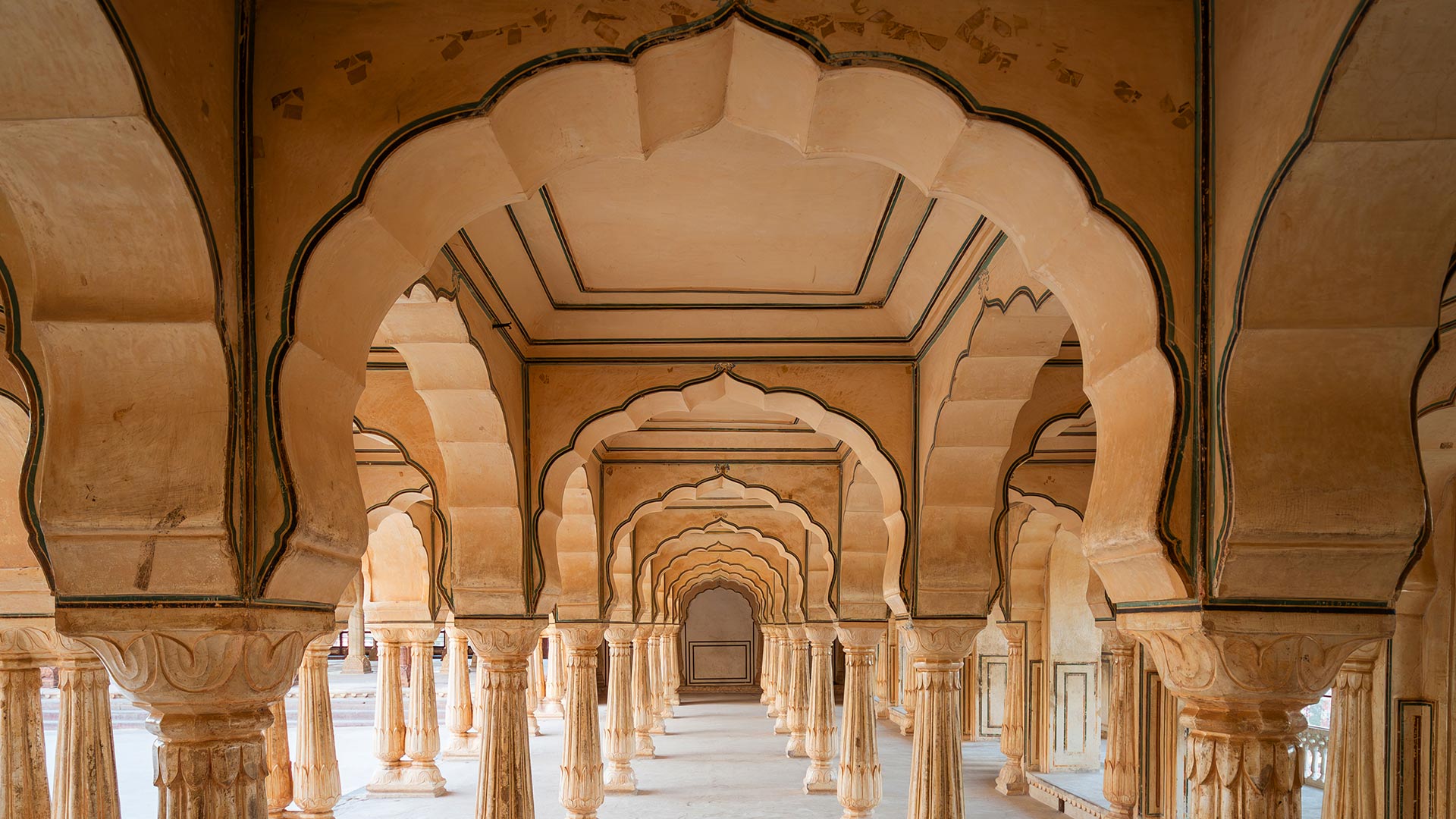
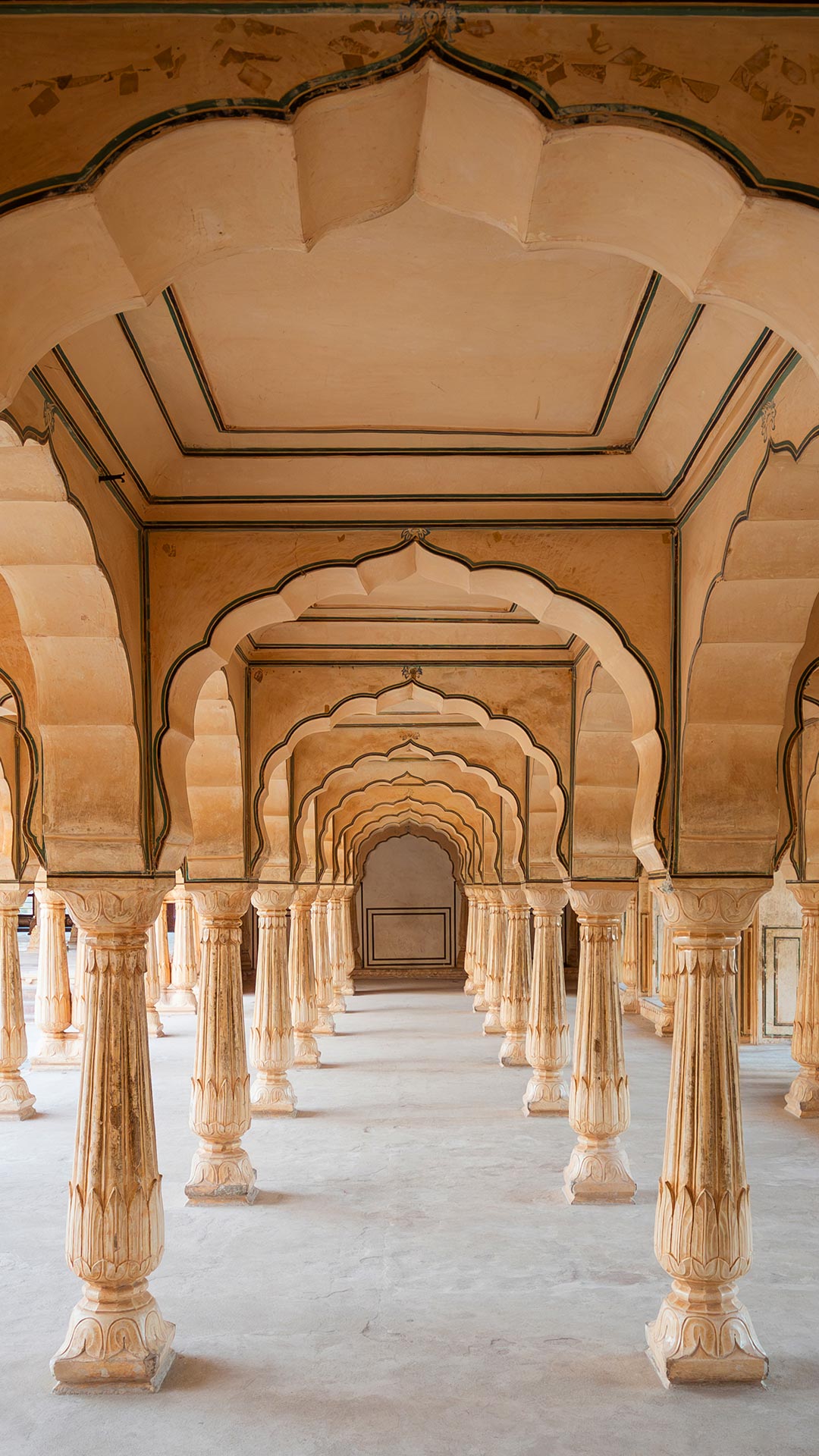
| en | • | Sattais Katcheri Hall in Amber Fort near Jaipur, Rajasthan, India |
| es | • | Sattais Katcheri en el Fuerte de Amber cerca de Jaipur, Rajasthan, India |
| fr | • | La salle Sattais Katcheri dans le fort d’Amber près de Jaipur, Rajasthan, Inde |
| it | • | Sattais Katcheri, Forte Amber vicino a Jaipur, Rajasthan, India |
| ja | • | アンベール城, インド |
| pt | • | Salão Sattais Katcheri no Forte de Amber, perto de Jaipur, Rajastão, Índia |
| zh | • | 斋浦尔附近琥珀堡内的 Sattais Katcheri 大厅,拉贾斯坦邦,印度 |
| (© R.M. Nunes/Getty Images) |
Amber Fort near Jaipur, Rajasthan, India
Most first-time visitors know Jaipur, in Rajasthan, India, as the Pink City, but the earlier royal capital was centred on Amber Fort. That's where much of the dynasty's political and architectural history was shaped. The fort developed over more than a century, beginning under Raja Man Singh I in 1592 and continuing under later Kachwaha rulers who controlled the kingdom that eventually became Jaipur State. The royal family moved to the newly planned city of Jaipur in 1727, but Amber continued to serve ceremonial functions.
Architecturally, the fort combines defensive Rajput features with Mughal-inspired arches, courtyards, painted surfaces and marble detailing. The Sattais Katcheri Hall, seen in the image, takes its name from its 27 pillars. The structure is associated with administrative purposes. The fort also includes audience halls, royal courtyards and the ornate Sheesh Mahal. Explore the sprawling complex, experience the warmth of 'Padharo Sa,' and save room for a plate of dal baati churma—baked wheat dumplings, lentils and a sweet crumbly dessert.
| 2026‑09‑27 ‑ | International | 2026‑07‑01 ‑ | Germany |
|---|
| de | • | Sonnenuntergang über den Weinbergen von Steinhaldenfeld im Neckartal bei Stuttgart, Baden-Württemberg |
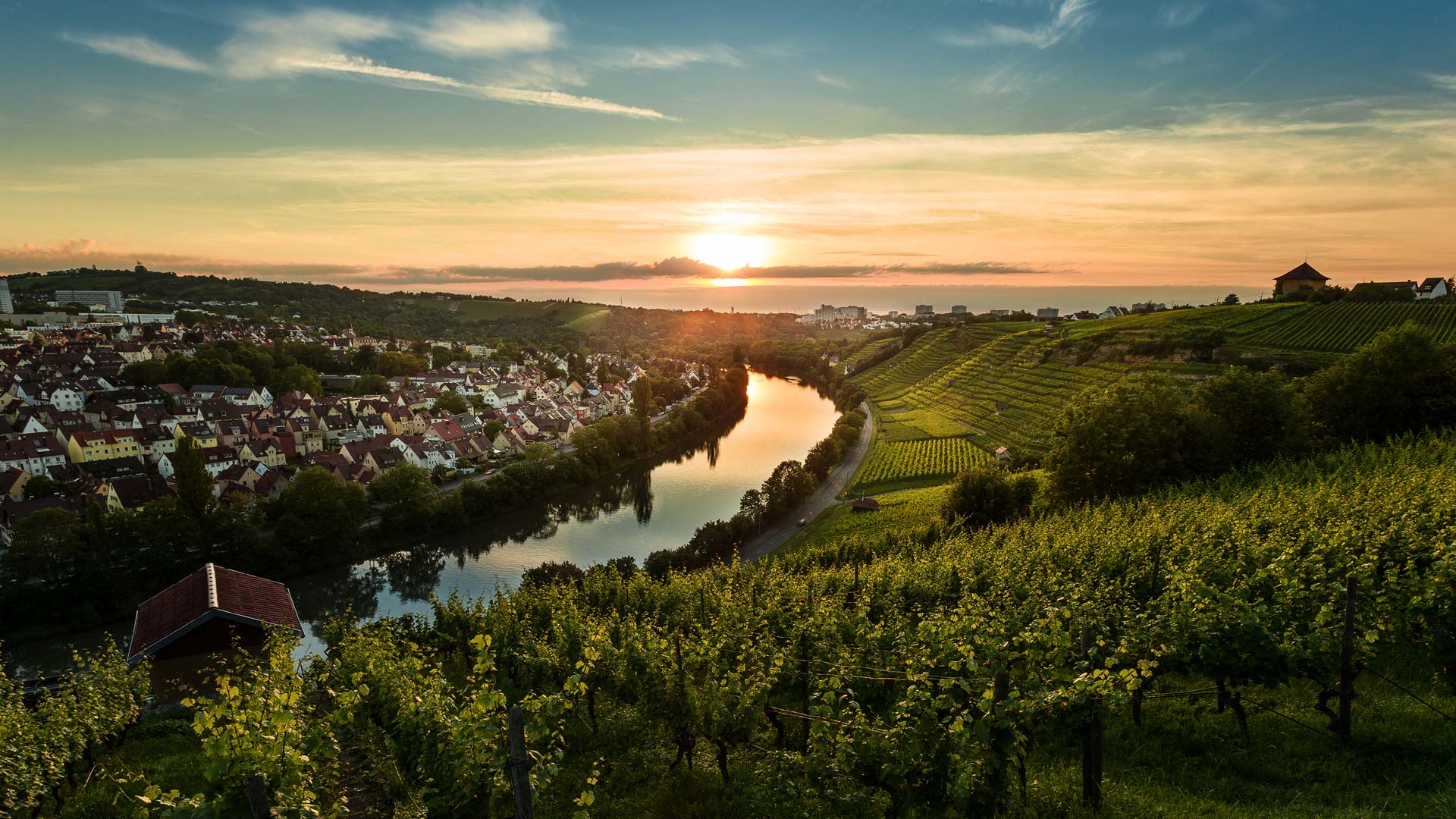
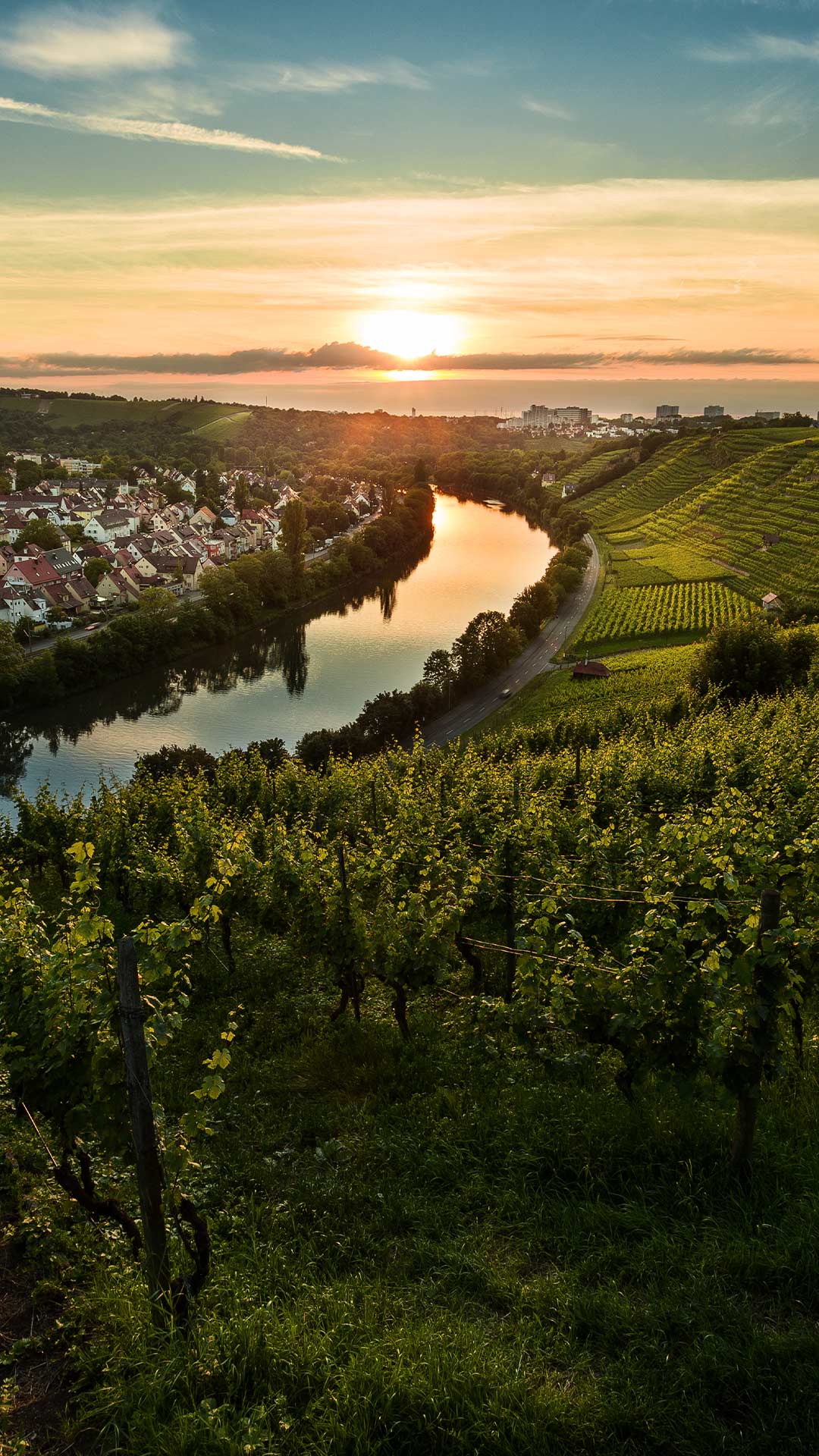
| en | • | Sunset over the vineyards of Steinhaldenfeld, Neckar valley, Stuttgart, Germany |
| (© Cyril Gosselin/Getty Images) |
Steinhaldenfeld, Neckar valley, Germany
Forget rolling vineyards—around Stuttgart in Germany, the vines take the uphill route, climbing steep terraces above the Neckar valley and weaving between dry-stone walls. These vineyards are a defining feature of the city's landscape, with some of the steepest plots requiring extensive handwork because machinery is difficult to use. Local winegrowers, known as Wengerter, tend the vines on slopes that can reach gradients of 50 per cent. Traditional varieties such as Trollinger and Riesling are closely associated with the region and remain widely grown today.
Walking routes through the vineyards offer a different perspective on the city, where residential neighbourhoods and urban landmarks meet a centuries-old winemaking tradition. More than 400 Stäffele, or open-air stairways, remain in Stuttgart, many tracing their origins to the paths once used to cultivate its steep vineyard slopes. At sunset, the terraces take on a warm glow.
| 2026‑09‑27 ‑ | Brazil / Canada ‑ English / Canada ‑ French / China / France / Germany / India / Italy / Spain / United Kingdom / United States |
|---|
| de | • | Dekorateurkrabbe auf einer Seefeder, Nationalpark Komodo, Indonesien |
| en | • | Decorator crab on a sea pen, Komodo National Park, Indonesia |
| es | • | Cangrejo decorador en una pluma marina, Parque Nacional de Komodo, Indonesia |
| fr | • | Crabe décorateur sur une plume de mer, Parc national de Komodo, Indonésie |
| it | • | Granchio decoratore su penna marina, Parco Nazionale di Komodo, Indonesia |
| pt | • | Caranguejo-decorador em pena-do-mar, Parque Nacional de Komodo, Indonésia |
| zh | • | 海笔上的装饰蟹,科莫多国家公园,印度尼西亚 |
| (© Alex Mustard/Nature Picture Library) |
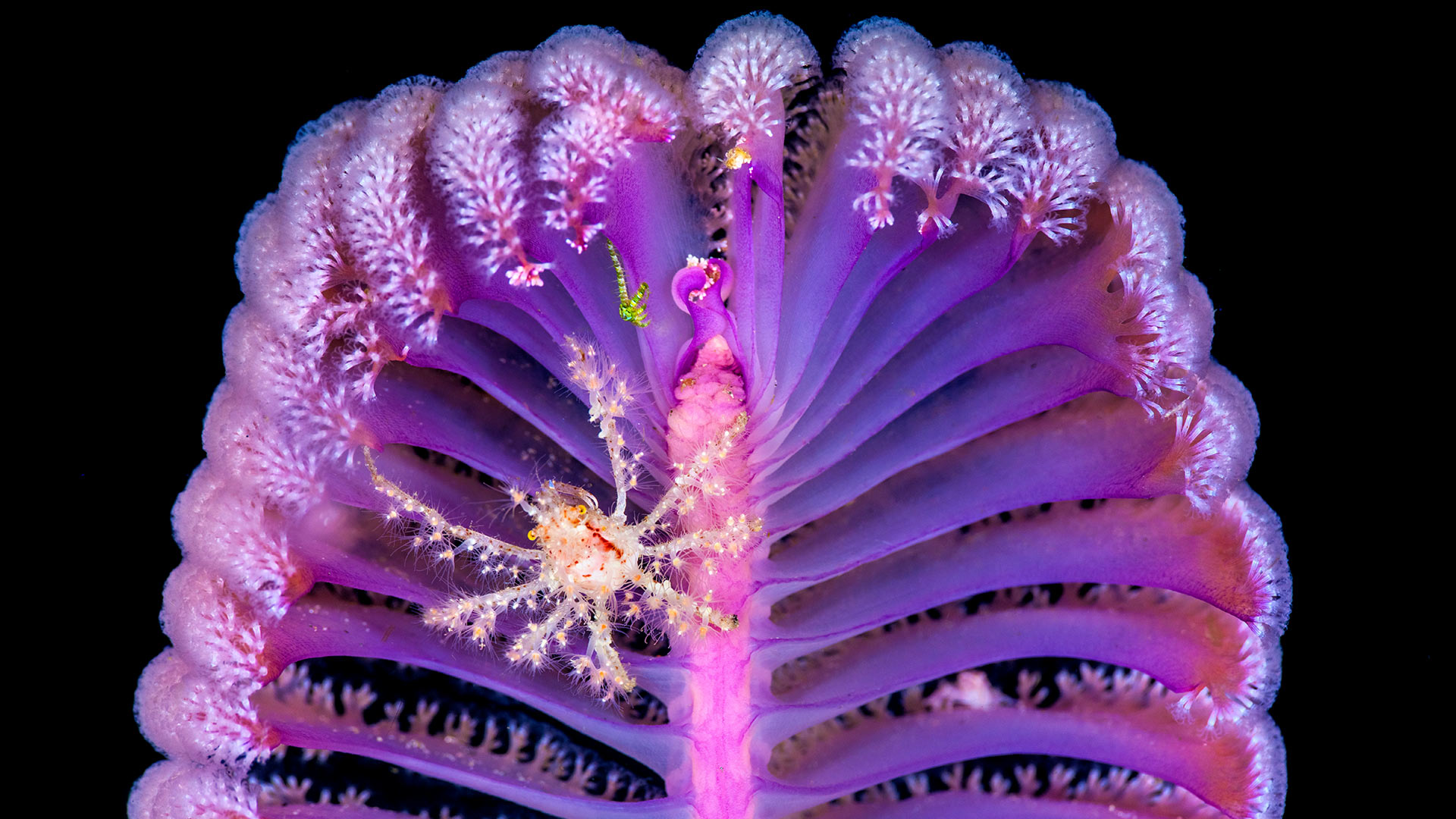
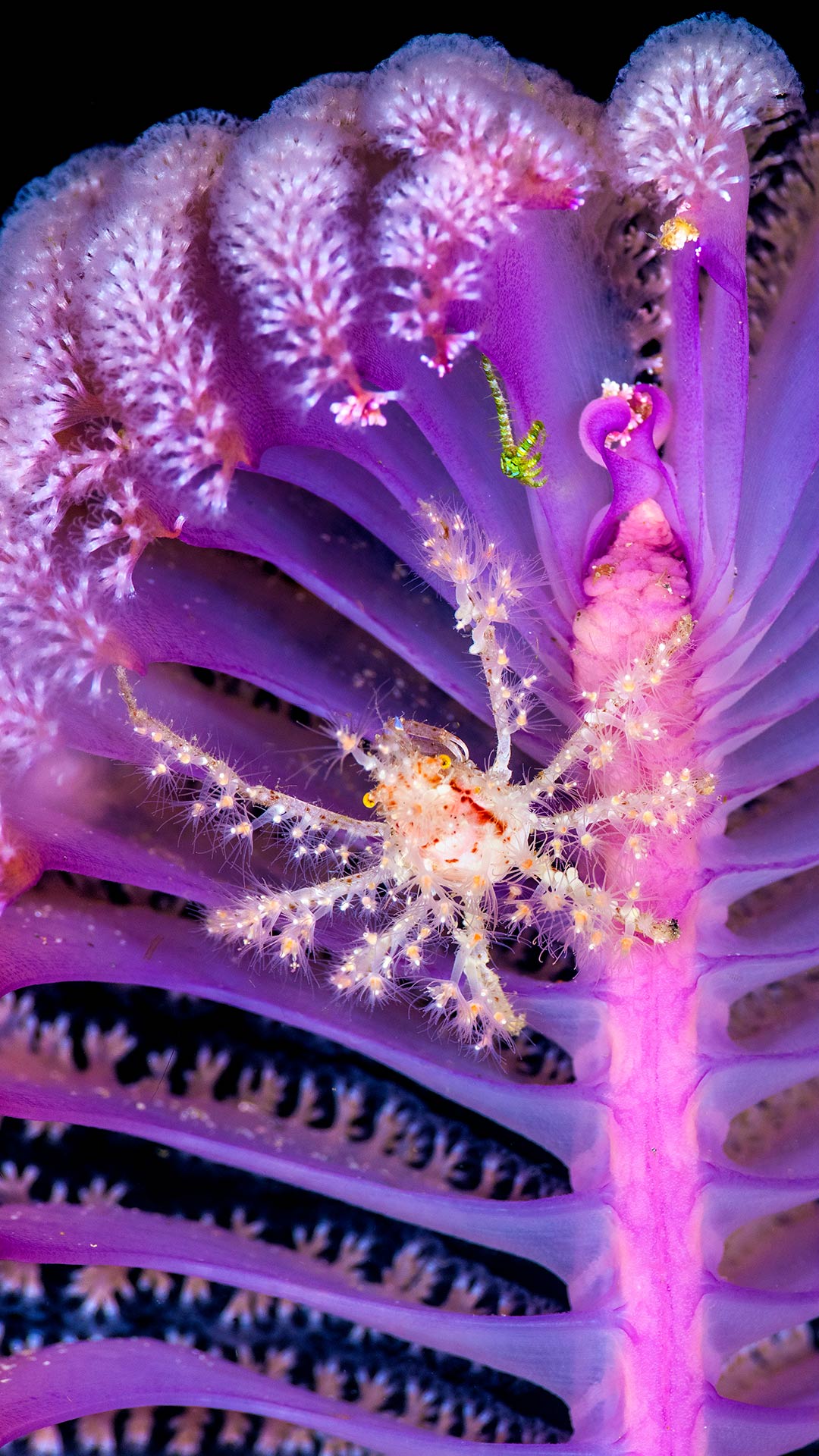
Decorator crab on a sea pen, Komodo National Park, Indonesia
Think of this as underwater hide-and-seek: the sea pen stands out while the crab blends in. Today's image comes from the waters surrounding Komodo National Park in Indonesia, established in 1980 and named after the Komodo dragon, the world's largest living lizard. The protected area includes islands, mangroves, seagrass beds, and coral reefs. Located between the Pacific and Indian Oceans, the park is shaped by powerful currents that support a rich diversity of marine life, including species that rely on camouflage to survive.
Decorator crabs are masters of disguise. They attach algae, sponges, hydroids, and other marine materials to hooked hairs on their shells, creating underwater camouflage. Sea pens, soft corals anchored to the seafloor, provide an ideal hiding place. A sea pen's branching structure helps break up the crab's outline, making it harder for predators to spot among the drifting currents. Keep your distance during night dives: some species can briefly glow when disturbed, ruining the illusion.