Bing daily wallpapers
page 6 / 20
| 2026‑10‑01 ‑ | Brazil |
|---|
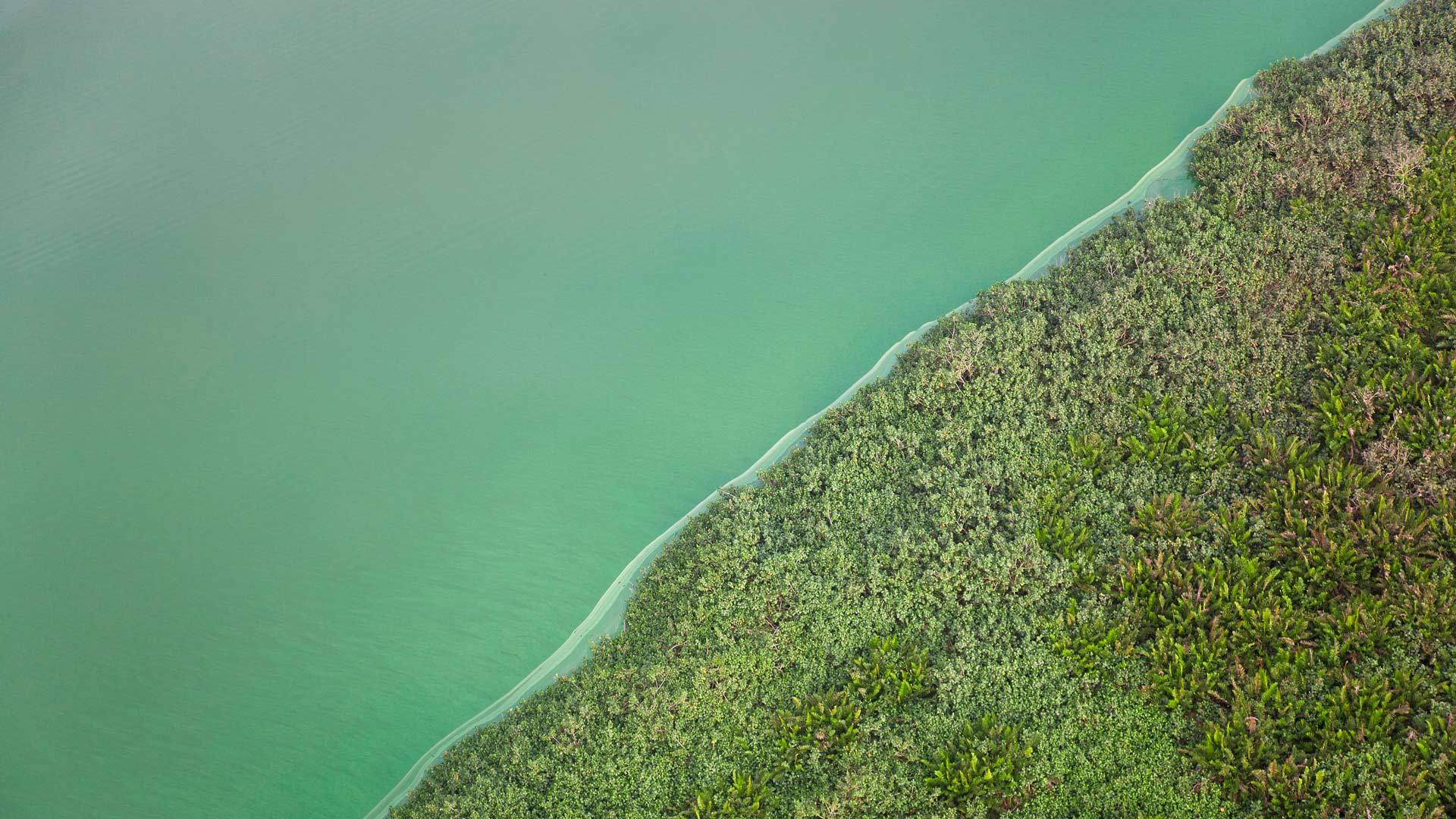
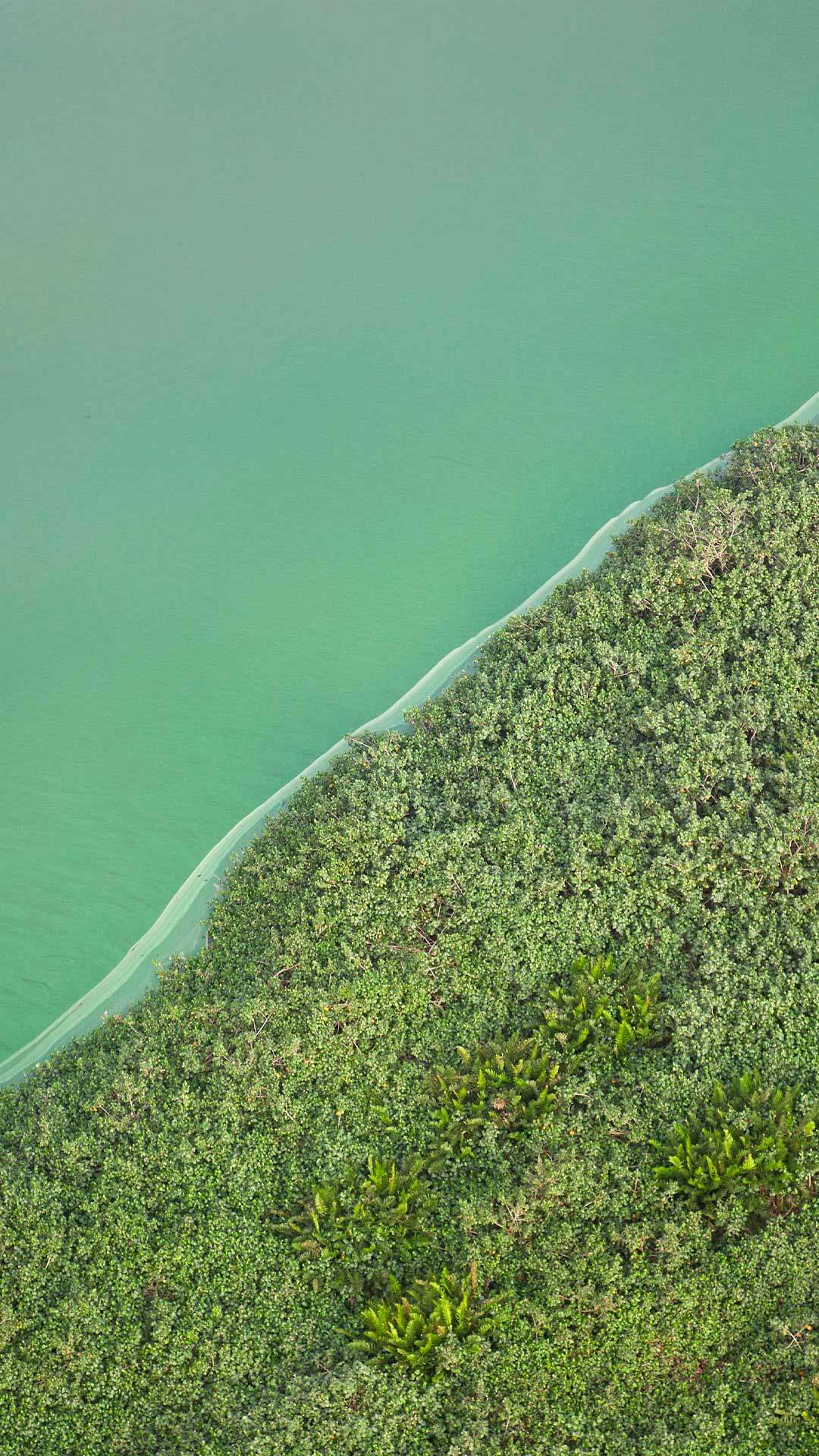
| pt | • | Vista aérea da Lagoa Verde, Angra dos Reis, Rio de Janeiro |
| (© Avalon/Getty Images) |
Aerial view of Lagoa Verde, Angra dos Reis, Rio de Janeiro
There are places that change with the seasons. Lagoa Verde prefers to follow the tide. Between Ilha Grande and Ilha da Longa, in Angra dos Reis, Rio de Janeiro, tides, currents and relief create a scenario that changes throughout the day. At low tide, the water can recede enough to reveal a narrow strip of sand and rocks connecting the two islands. For a few hours, the map simply gains another design.
But the most surprising detail is not on the surface. The shallow and transparent waters work as a natural showcase, revealing colorful fish, starfish, seahorses, turtles and corals even for those who don't dive. Interestingly, Lagoa Verde is not even the official name of the place. The geographical name is Ilha da Longa, but the combination of emerald green waters and greenish corals ended up speaking louder. The nickname was so good that no one seems to want to return it to the registry office.


| 2026‑10‑01 ‑ | United Kingdom |
|---|
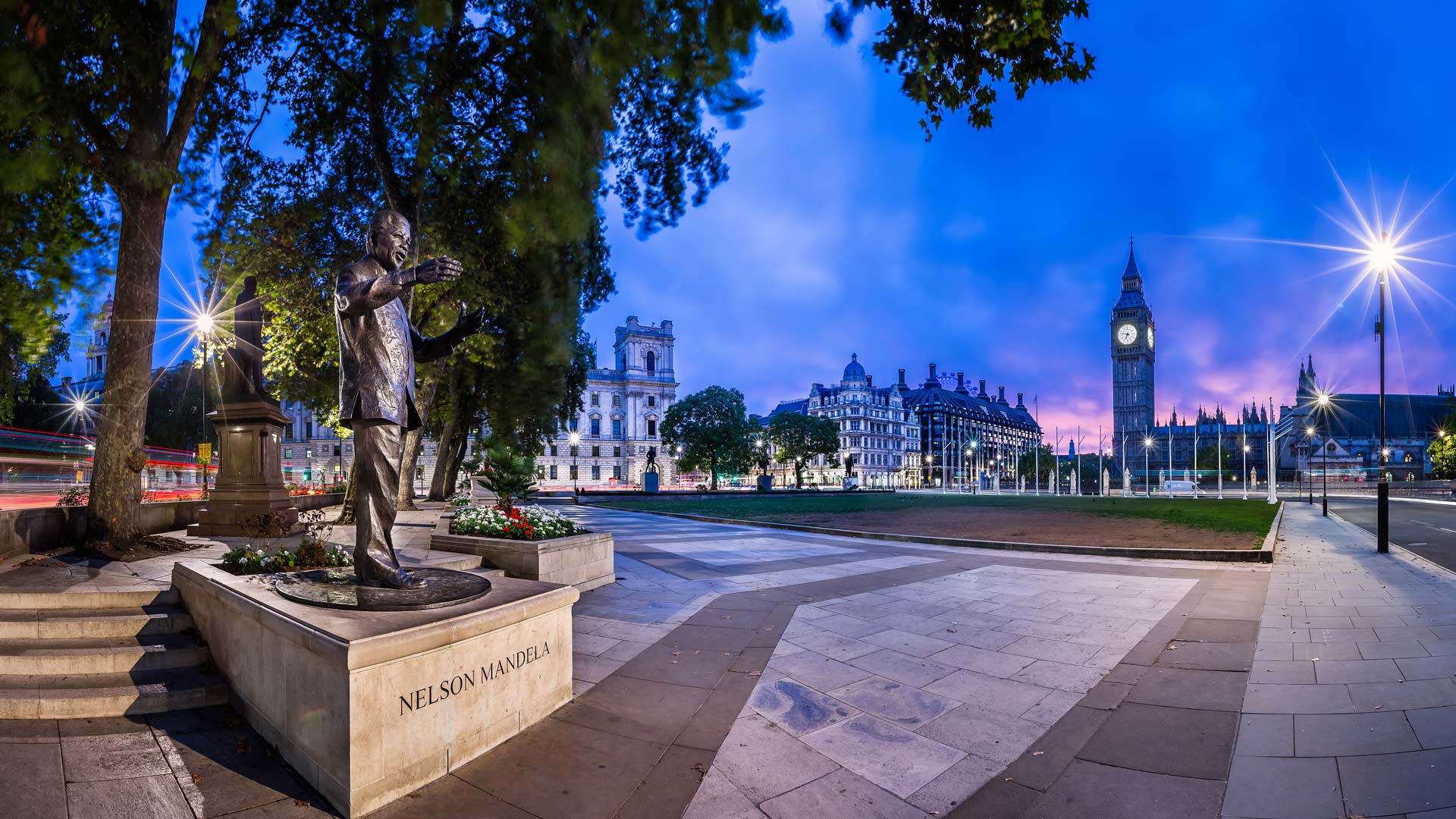
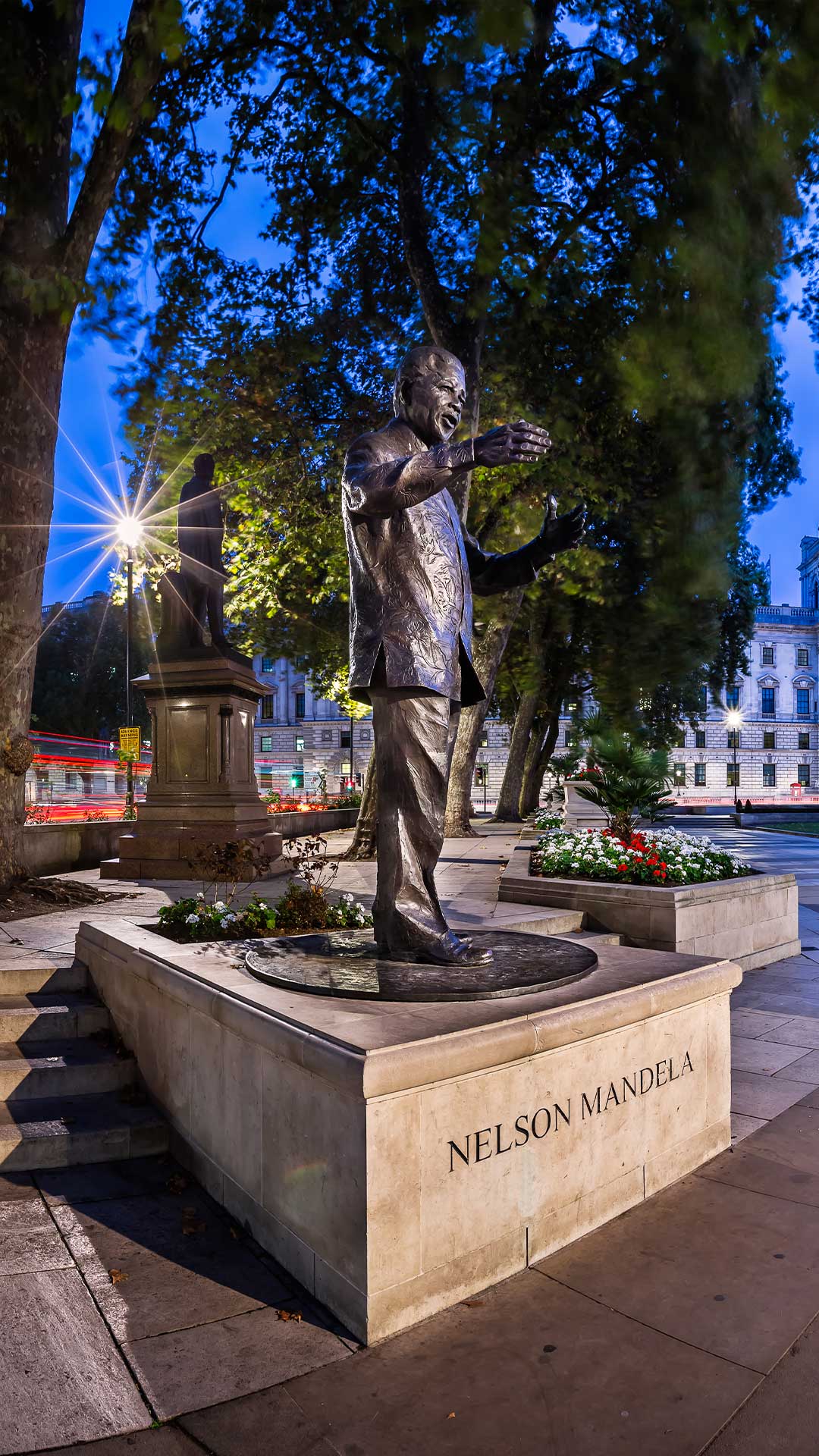
| en | • | Panorama of Parliament Square and Nelson Mandela memorial, London |
| (© ansharphoto/Shutterstock) |
Black History Month
What happens when a man once left out of the picture becomes part of its most important frame? Look to London's Parliament Square, where Nelson Mandela stands among monuments to political giants. Sculpted by Ian Walters and unveiled in 2007, the bronze statue has a remarkable connection to Mandela's history. In 1962, Mandela and Oliver Tambo visited Parliament Square and noticed that no Black person was represented among its monuments. Decades later, Mandela took his place there.
The timing feels fitting for Black History Month, held every October. Launched in 1987 by Ghanaian activist Akyaaba Addai-Sebo, the event was inspired by the American tradition established by historian Carter G Woodson. This month was chosen partly to coincide with the new school year and traditional African gatherings focused on community and learning.
The first United Kingdom celebration coincided with the 150th anniversary of emancipation in the Caribbean. Today, each October brings a new national theme—keeping Black history firmly in the picture.

| 2026‑10‑01 ‑ | France |
|---|---|
| 2026‑09‑20 ‑ | International / Brazil / Canada ‑ English / Canada ‑ French / China / Germany / India / Japan / Spain / United Kingdom / United States |
| de | • | Eiffelturm bei Sonnenuntergang, Paris, Frankreich |
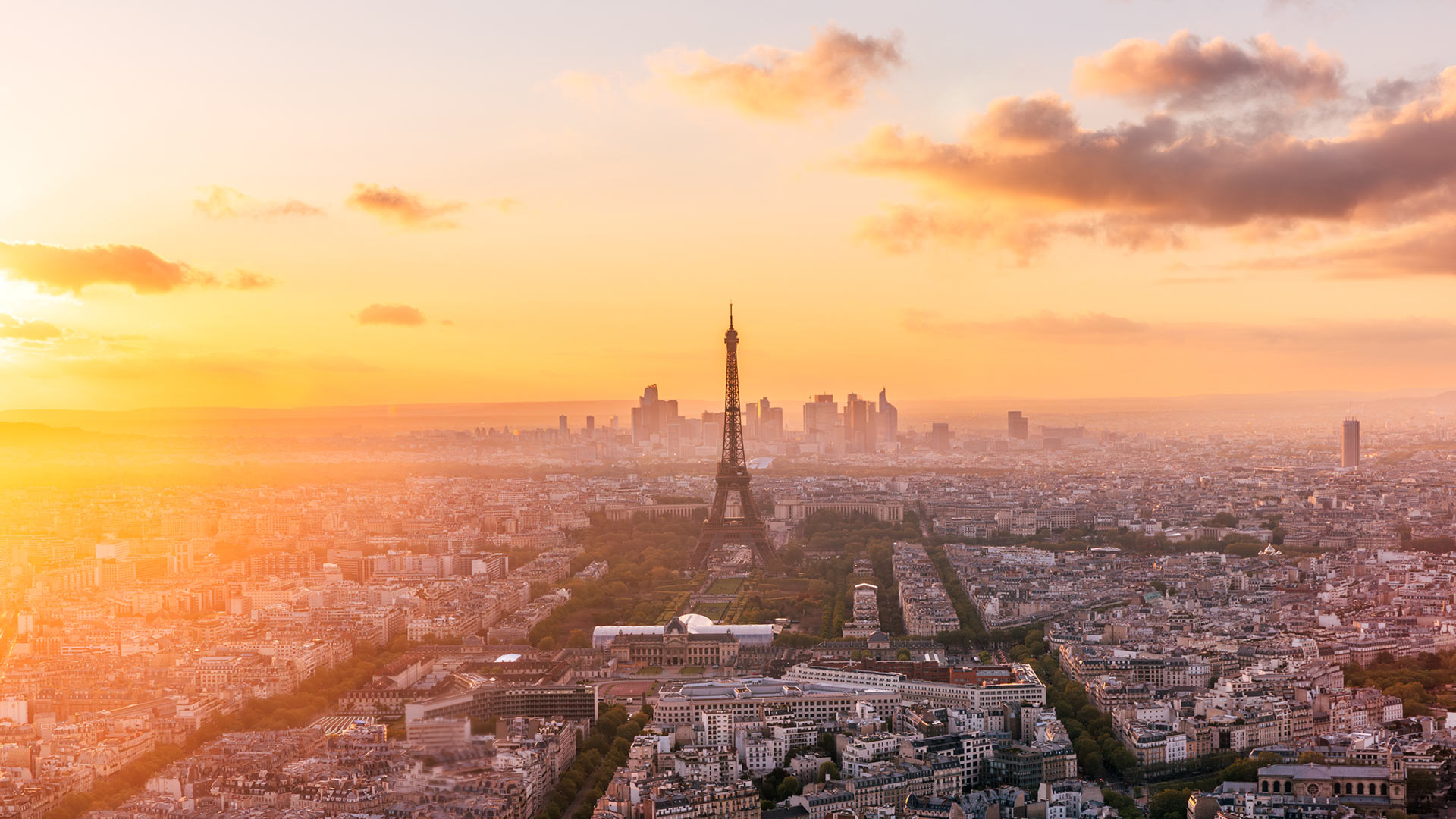
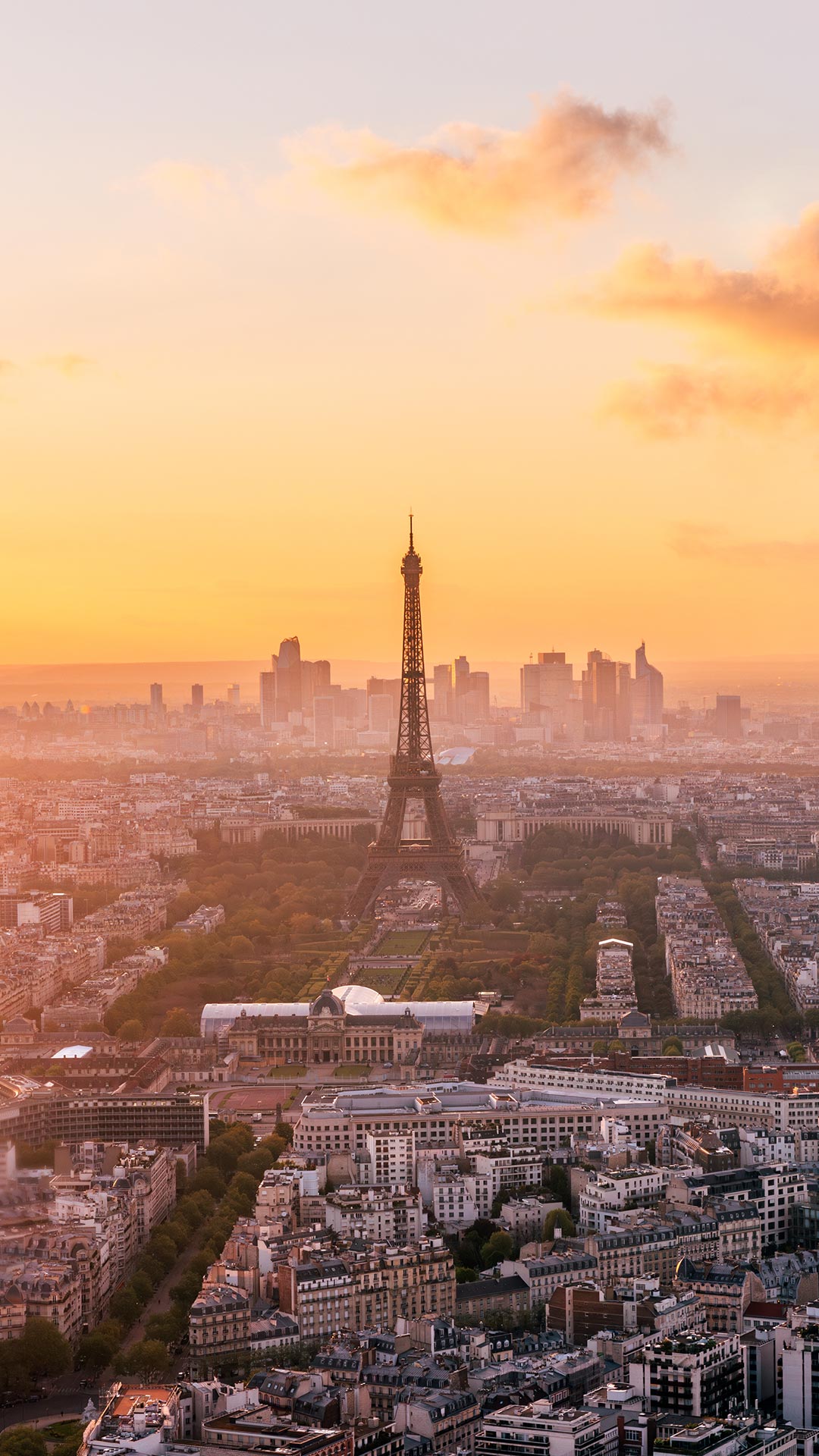
| en | • | Eiffel Tower at sunset, Paris, France |
| es | • | Torre Eiffel al atardecer, París, Francia |
| fr | • | La tour Eiffel au coucher de soleil, Paris |
| • | La tour Eiffel au coucher de soleil, Paris, France | |
| ja | • | パリ, フランス |
| pt | • | Torre Eiffel ao pôr do sol, Paris, França |
| zh | • | 日落时分的埃菲尔铁塔,巴黎,法国 |
| (© Alexander Spatari/Getty Images) |
Eiffel Tower at sunset, Paris, France
No other city is nearly as romanticised as Paris. Yet the French capital's history has not always been as rosy as the sunset glowing behind the Eiffel Tower. Built for the 1889 Exposition Universelle, or the World's Fair, which marked the centennial of the start of the French Revolution, the tower was originally intended to serve as the fair's entrance centrepiece. Designed by engineer Gustave Eiffel and his team, the iron landmark rose 300 metres above the Champ de Mars and became the tallest structure in the world at the time.
Many locals criticised the bold design, but it quickly captured the public's imagination. During the World's Fair, millions came to see the monument and enjoy panoramic views unlike any they had experienced before.
Today, visitors can stroll along the Seine and explore old neighbourhoods and museums throughout a city that continues to reinvent itself. As evening falls and the Eiffel Tower glows against the night sky, it remains a powerful symbol of French creativity, ambition and resilience.


| 2026‑10‑01 ‑ | Spain |
|---|---|
| 2026‑09‑26 ‑ | Brazil |
| 2026‑09‑24 ‑ | Canada ‑ English / Canada ‑ French / China / France / Germany / Italy / Japan / United States |
| 2026‑09‑22 ‑ | India / United Kingdom |
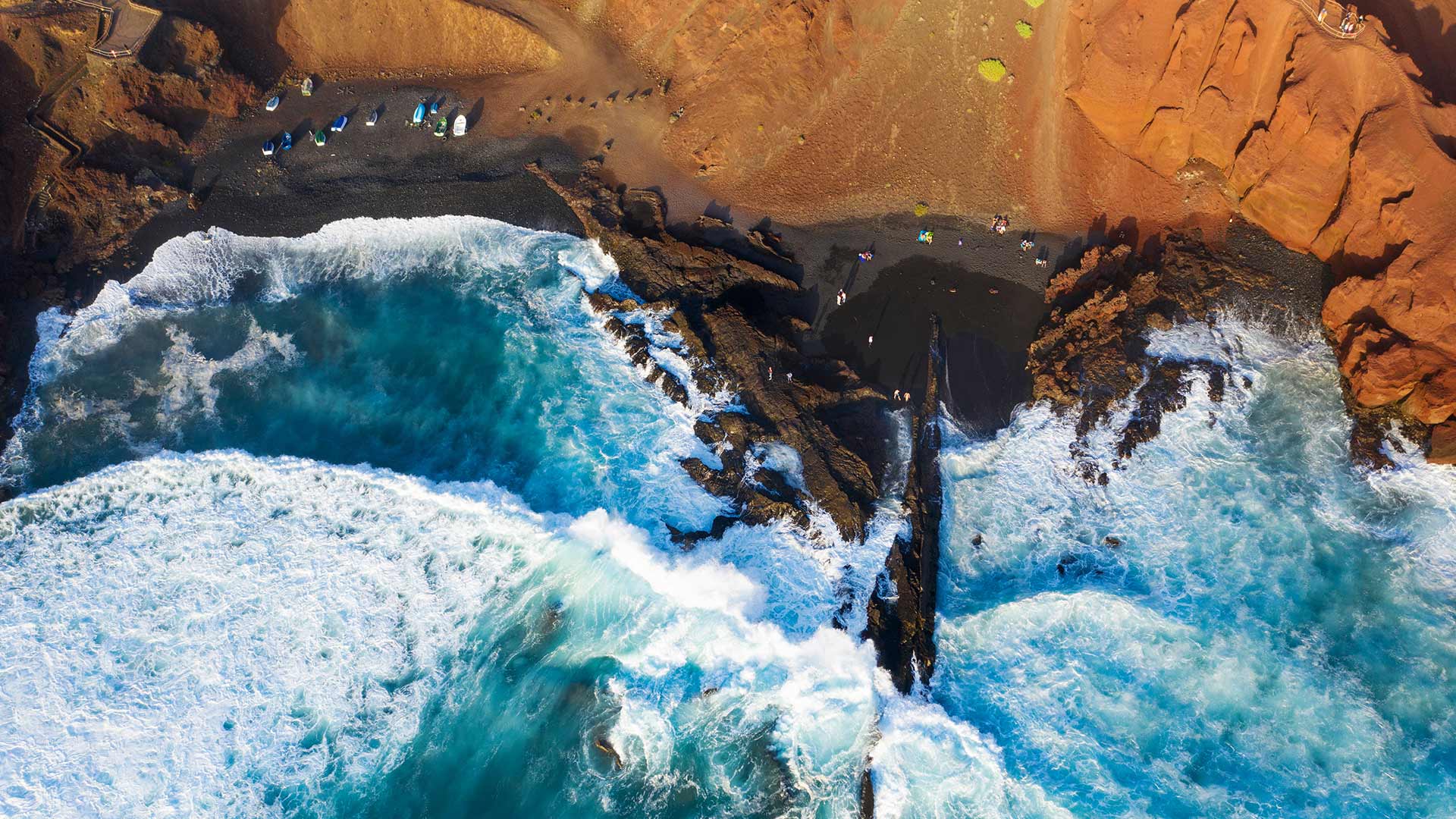
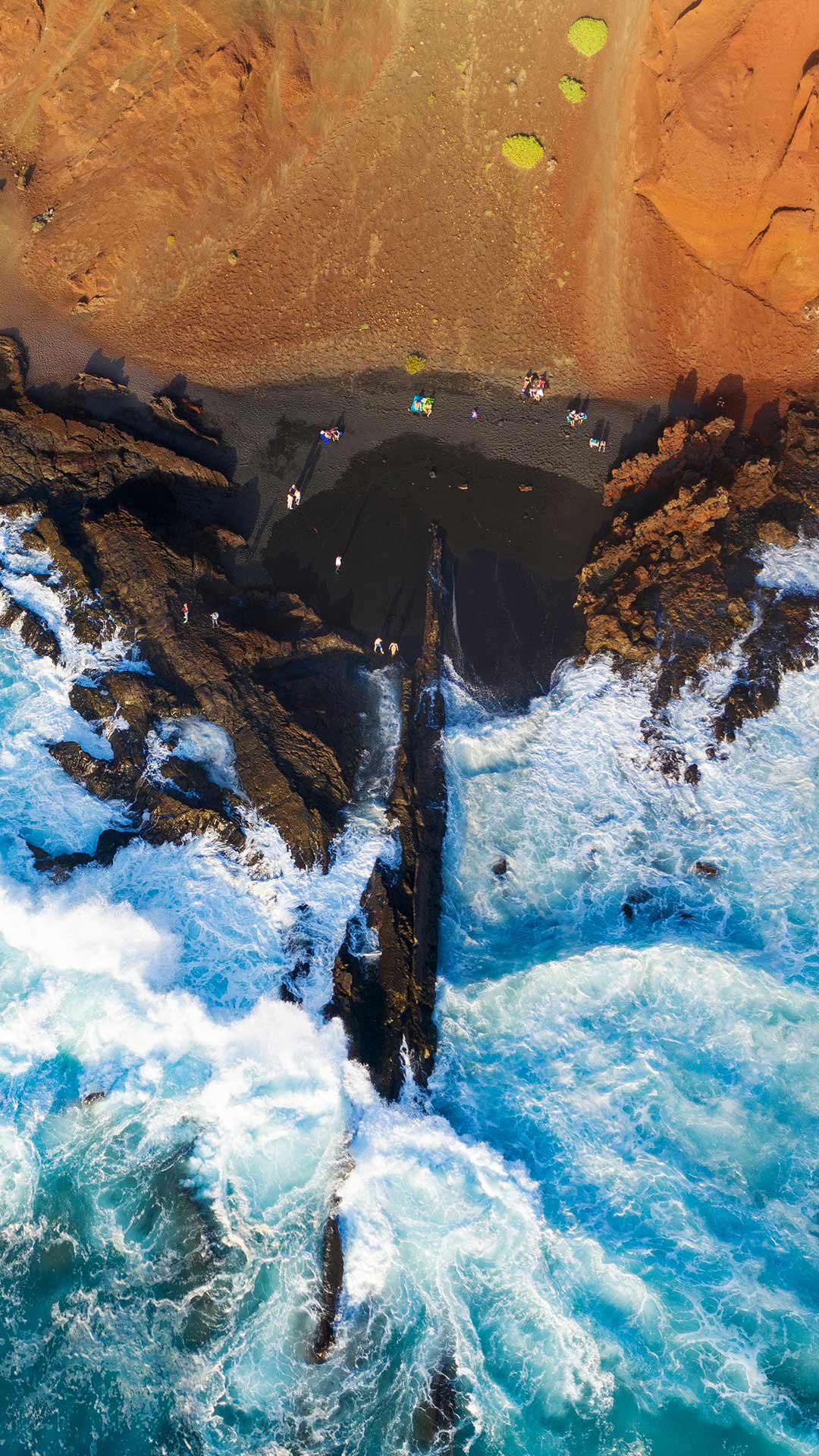
| de | • | Luftaufnahme des schwarzen Lavastrandes in El Golfo, Lanzarote, Kanarische Inseln, Spanien |
| en | • | Aerial view of black lava beach, El Golfo, Lanzarote, Canary Islands, Spain |
| es | • | Vista aérea de la playa de lava negra, El Golfo, Lanzarote, Islas Canarias, España |
| fr | • | Vue aérienne de la plage de sable noir El Golfo, Lanzarote, Îles Canaries, Espagne |
| it | • | Vista aerea della spiaggia di lava nera, El Golfo, Lanzarote, Isole Canarie, Spagna |
| ja | • | ランサローテ島, スペイン |
| pt | • | Vista aérea da praia de lava negra, El Golfo, Lanzarote, Ilhas Canárias, Espanha |
| zh | • | 黑色熔岩海滩鸟瞰图,埃尔戈尔福,兰萨罗特岛,加那利群岛,西班牙 |
| (© Westend61/Adobe Stock) |
Black lava beach, El Golfo, Lanzarote, Canary Islands, Spain
On Lanzarote, part of Spain's Canary Islands, geology got carried away. Dark sand meets the Atlantic beneath cliffs streaked with ochre and rust, the handiwork of volcanic activity spanning millions of years. One chapter of this story arrived remarkably recently: between 1730 and 1736, numerous vents opened across Lanzarote, sending lava over dozens of square miles and burying roads, villages and farmland.
The beach in the image sits beside El Golfo, a tiny fishing village on the island's western shore. The settlement borders Los Volcanes Natural Park, while boats, seafood restaurants and crashing waves carry on as if this scenery were perfectly ordinary. Nearby, the famous green lagoon Charco de los Clicos occupies a partially collapsed volcanic crater linked to the sea through underground fissures. Its improbable emerald colour comes partly from algae, bringing green water, black sand and blue sea into one strikingly vivid frame. No filter required. El Golfo comes with its own colour palette.

| 2026‑10‑01 ‑ | Germany |
|---|---|
| 2026‑09‑30 ‑ | International / Brazil / Canada ‑ English / Canada ‑ French / China / France / India / Italy / Japan / Spain / United Kingdom / United States |
| de | • | Bartmeisenmännchen, Norfolk, England |
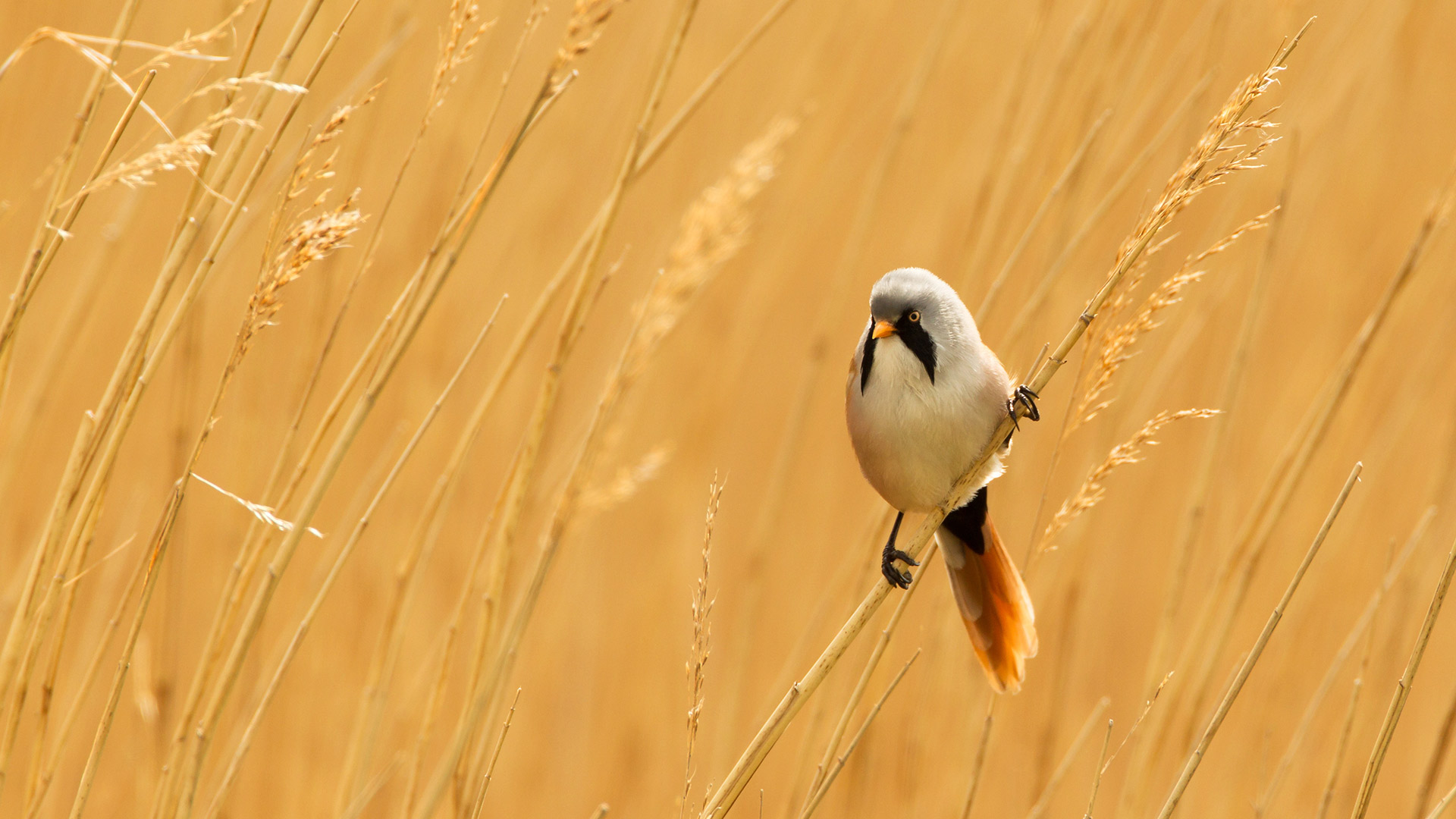
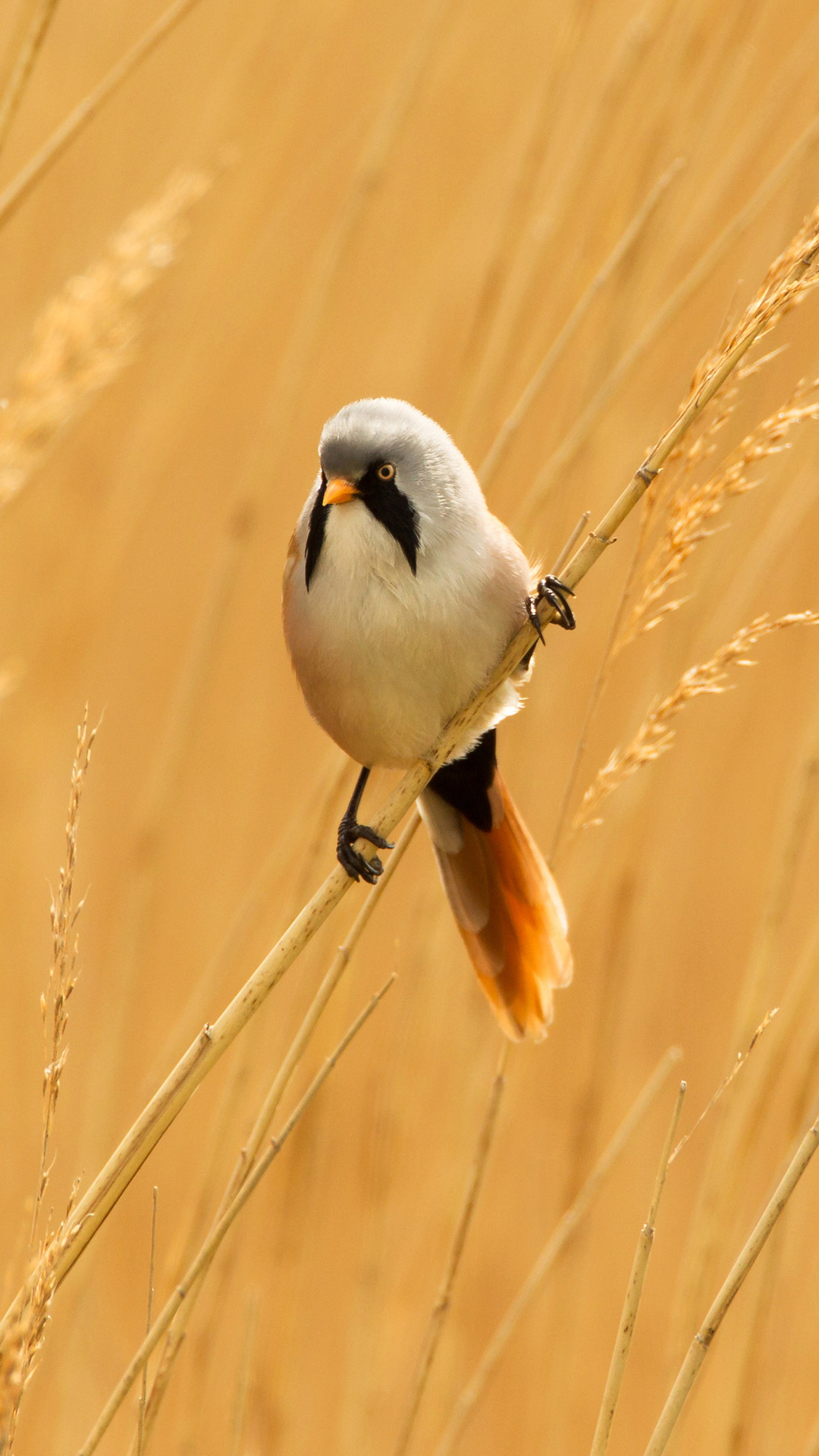
| en | • | Male bearded reedling, Norfolk, England |
| es | • | Macho de bigotudo, Norfolk, Inglaterra |
| fr | • | Panure à moustaches mâle, Norfolk, Angleterre |
| it | • | Maschio di basettino, Norfolk, Inghilterra |
| ja | • | ヒゲガラ, イングランド |
| pt | • | Chapim-de-bigodes em Norfolk, Inglaterra |
| zh | • | 雄性文须雀,诺福克郡,英格兰 |
| (© Andrew Sproule/Shutterstock) |
Male bearded reedling, Norfolk, England
Balanced on a slender stalk in Norfolk, England, the male bearded reedling in today's image stands out with a pale blue-grey head, a bright orange bill and the black facial markings that give the species its name. Despite its striking appearance, this small bird spends much of its life hidden among the dense wetland vegetation of marshes, lakeshores and reed beds.
About the size of a chickadee, the bearded reedling is an agile climber, easily navigating flexible stems that bend in the wind. Its long tail helps it maintain balance as it searches for food. During the warmer months, it feeds mainly on insects, spiders and other small invertebrates. When winter arrives, it switches to eating seeds, allowing it to remain in the same habitat year-round. Bearded reedlings are also highly social. Families often gather in flocks, communicating with distinctive ringing calls that carry across the wetlands. Their lively movements and unique features make them one of Europe's most recognisable wetland birds.
| 2026‑10‑01 ‑ | India |
|---|
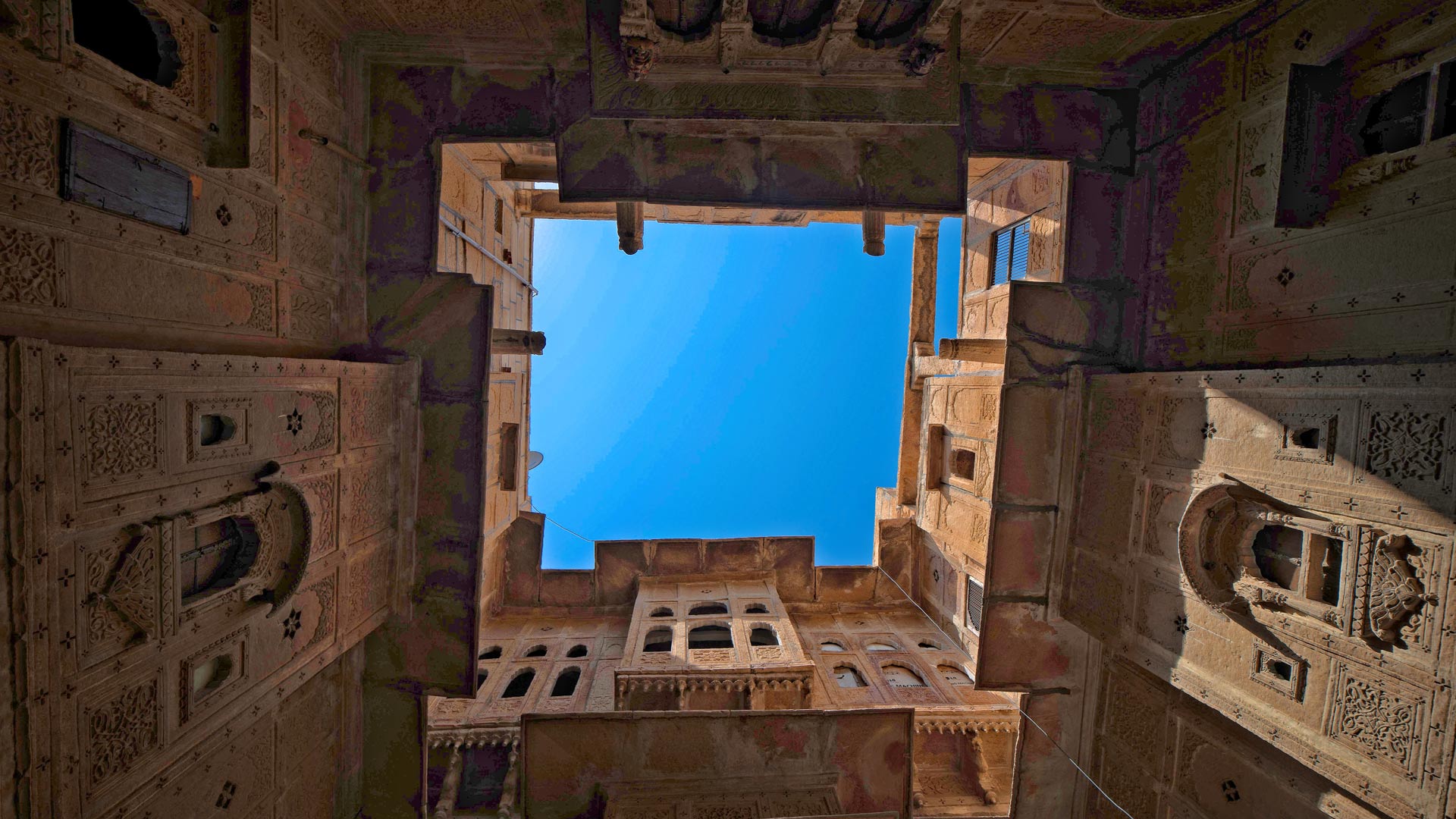
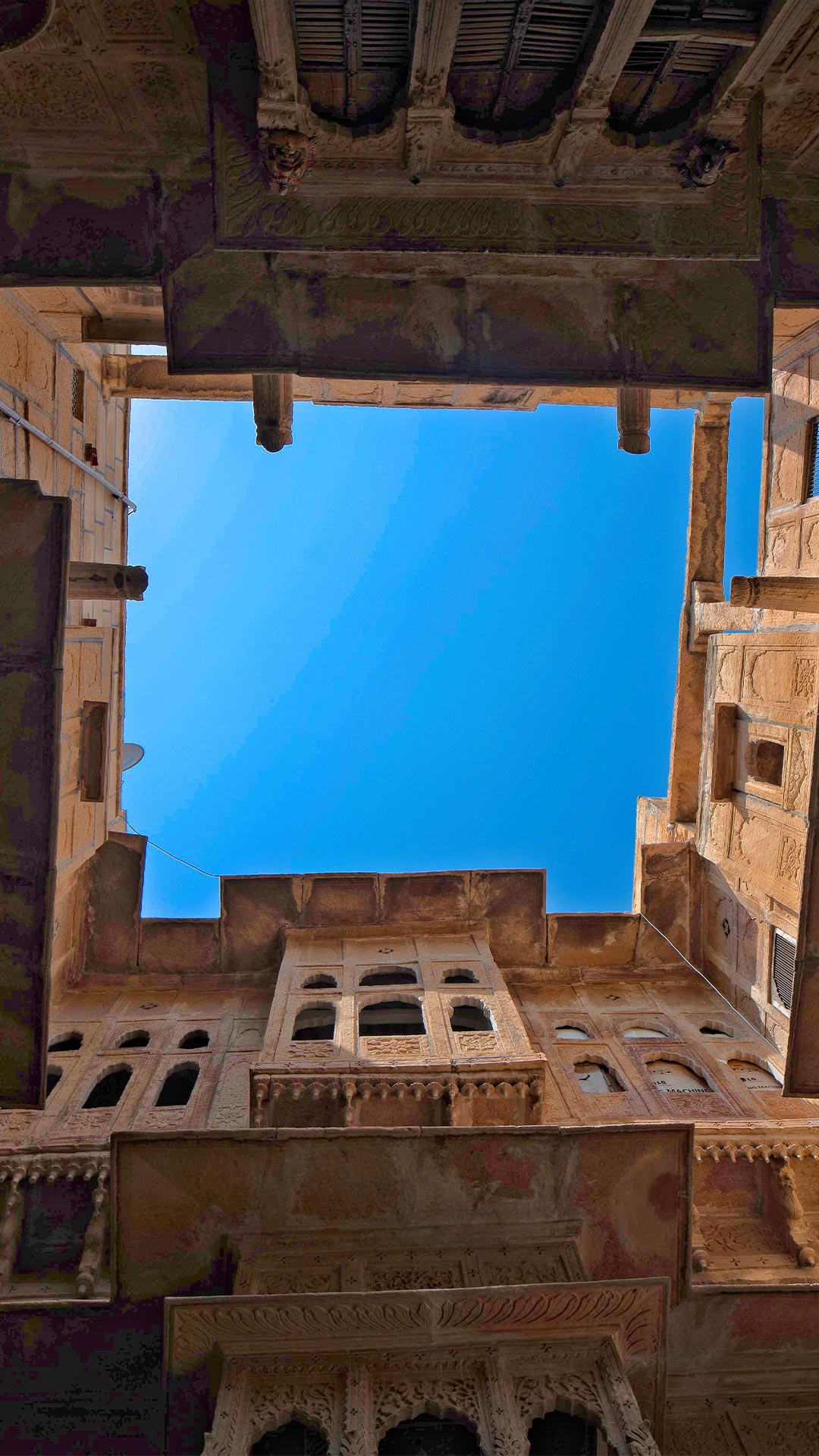
| en | • | View into the sky from Nathmal Ki Haveli courtyard, Jaisalmer, Rajasthan |
| (© Emad Aljumah/Moment/Getty Images) |
Nathmal Ki Haveli, Jaisalmer, Rajasthan
What if two architects worked on the same house but saw it differently? Nathmal Ki Haveli in Jaisalmer offers the answer in carved sandstone. Built in the late 19th century, the haveli is associated with architect brothers Hathi and Lulu, who worked independently on its two sides. They look similar at first, but their fine details differ.
The building has two courtyards: a smaller one at the front and a larger one towards the rear. These open spaces helped circulate air and provided shaded areas for family gatherings and relaxation in Jaisalmer's desert climate. The carvings are just as intriguing. Traditional figures of horses, cattle and flowers appear alongside bicycles and steam engines, reflecting the 19th century's fascination with new technology. Two life-sized sandstone elephants guard the entrance.
With its clever layout and contrasting details, Nathmal Ki Haveli proves that even when two sides look alike, they can still have their own point of view.