Bing daily wallpapers
page 1 / 20
- 2026-04-17 04:00 UTC
- Canada - English / Canada - French
- 2026-04-17 07:00 UTC
- International / China - English / United States
- 2026-04-17 15:00 UTC =
- Japan
- 2026-04-17 16:00 UTC =
- China
► Preview of next homepage images ◄
► Random Windows SpotLight images ◄
| 2026‑04‑17 ‑ | International / Brazil / Canada ‑ English / Canada ‑ French / China / China ‑ English / France / Germany / India / Italy / Japan / Spain / United Kingdom / United States |
|---|
| de | • | Graukopf‑Flughund mit Jungtier, Yarra Bend Park, Melbourne, Australien |
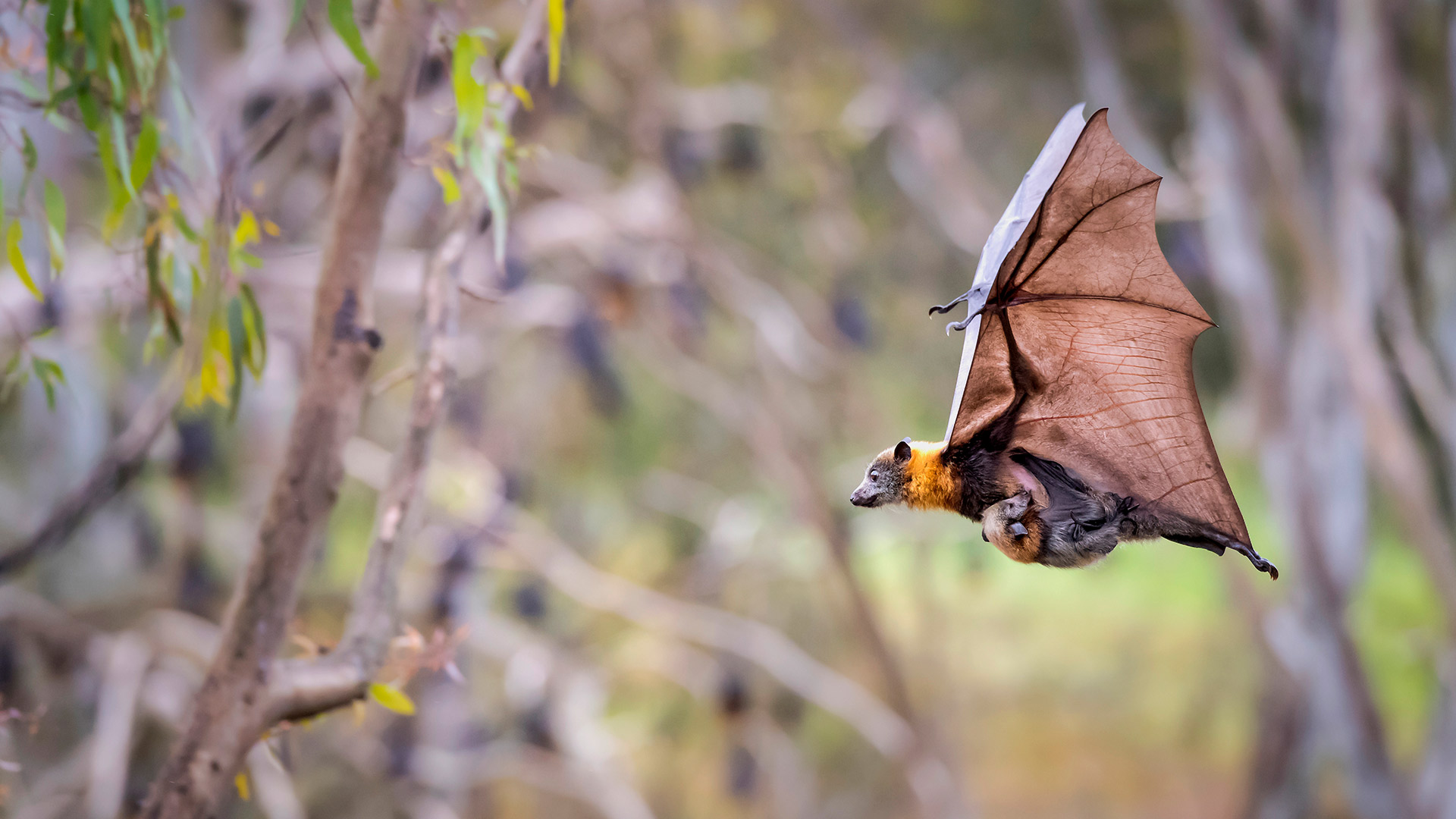
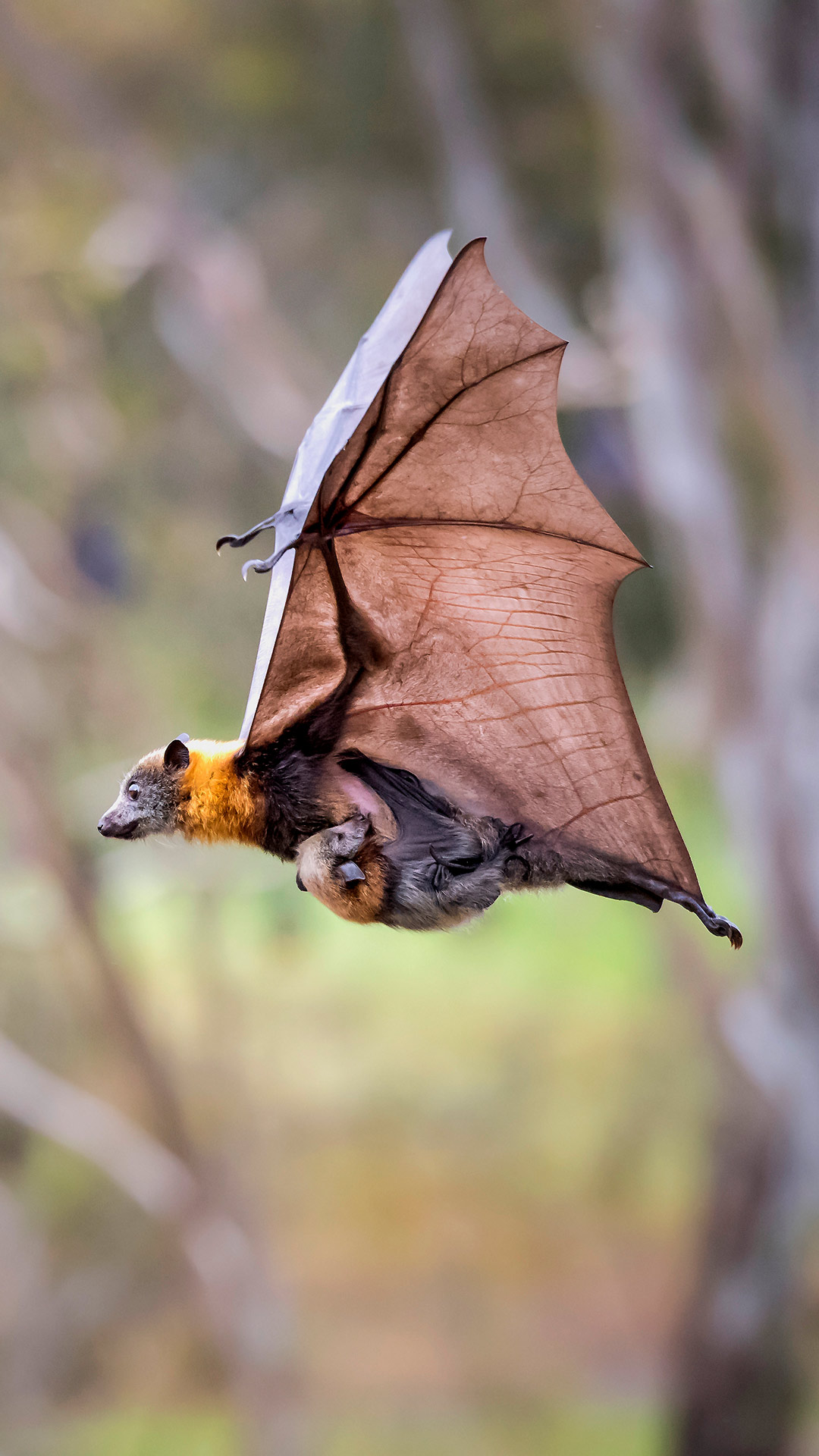
| en | • | Grey-headed flying fox carrying her pup, Yarra Bend Park, Australia |
| es | • | Murciélago de cabeza gris llevando a su cría, Parque Yarra Bend, Australia |
| fr | • | Femelle renard volant à tête grise portant son petit, Yarra Bend Park, Australie |
| it | • | Pipistrello con il suo cucciolo, Yarra Bend Park, Australia |
| ja | • | ハイイロオオコウモリ, オーストラリア |
| pt | • | Raposa-voadora-de-cabeça-cinzenta com filhote, Parque Yarra Bend, Austrália |
| zh | • | 灰头狐蝠母亲携幼崽,雅拉湾国家公园,澳大利亚 |
| (© Doug Gimesy/Nature Picture Library) |
Grey-headed flying fox carrying her pup, Australia
When the sun sets, a mysterious animal takes over the skies: bats. With more than 1,400 species found on every continent except Antarctica, they play a vital role in keeping ecosystems in balance. They have existed for over 50 million years, and while only three species feed on blood, the vast majority rely on insects, fruit, nectar or pollen, helping to control pests and support plant life.
In today's image, a grey-headed flying fox mother in Yarra Bend Park, Australia, carries her pup. Among Australia's largest bats, this species can have a wingspan of up to one metre. Unlike many bats, it relies on keen eyesight and a strong sense of smell rather than echolocation to navigate. It feeds mainly on nectar, pollen and fruit, often travelling long distances each night between feeding sites. Grey-headed flying foxes are also key pollinators and seed dispersers, supporting native forests. Yet habitat loss, heat stress and disease have led to declining populations, making conservation efforts increasingly important.



| 2026‑04‑16 ‑ | International / Brazil / China / China ‑ English / France / Germany / India / Japan / Spain / United Kingdom / United States |
|---|
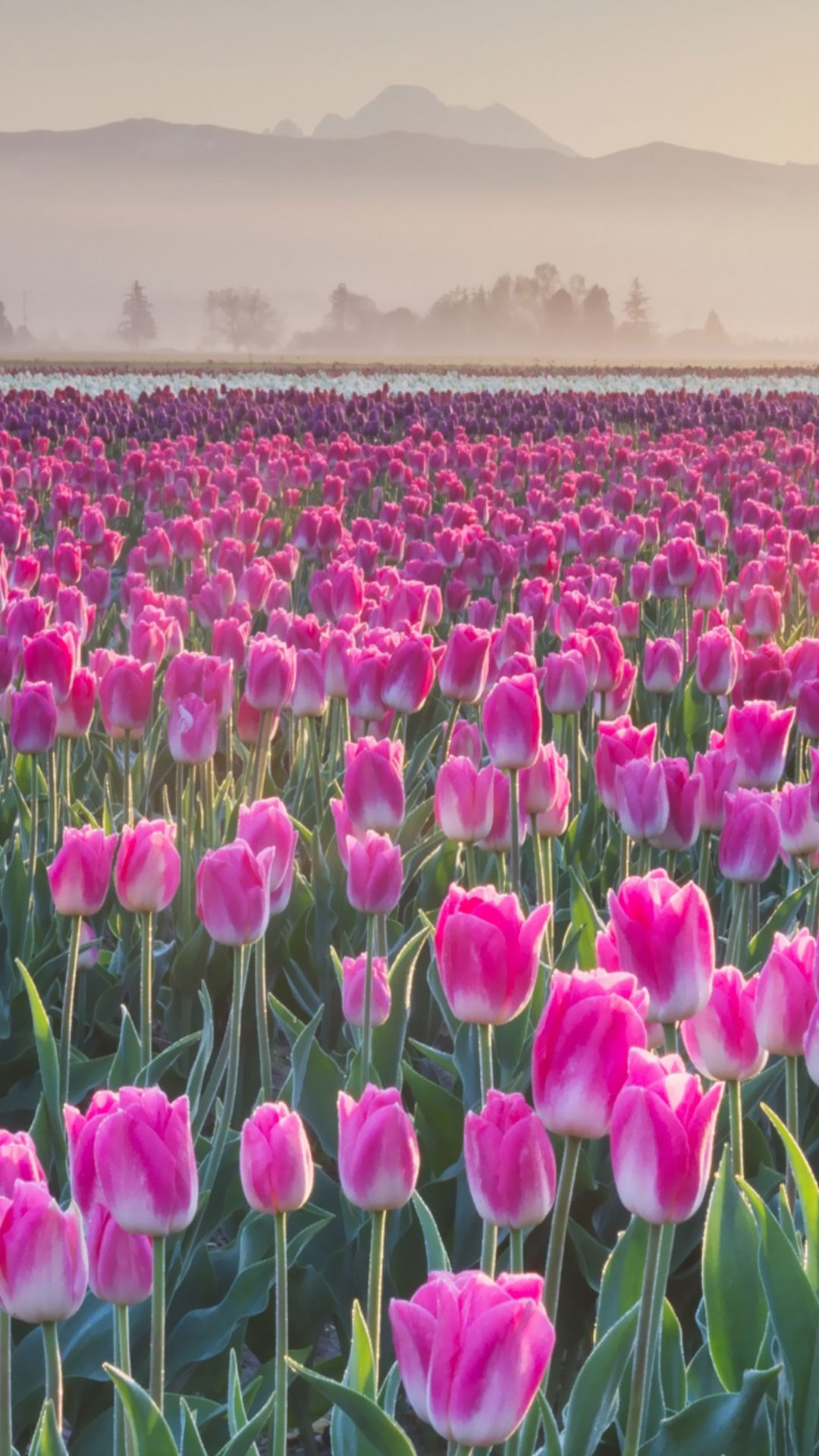
| de | • | Tulpenfelder im Skagit Valley, Washington, USA |
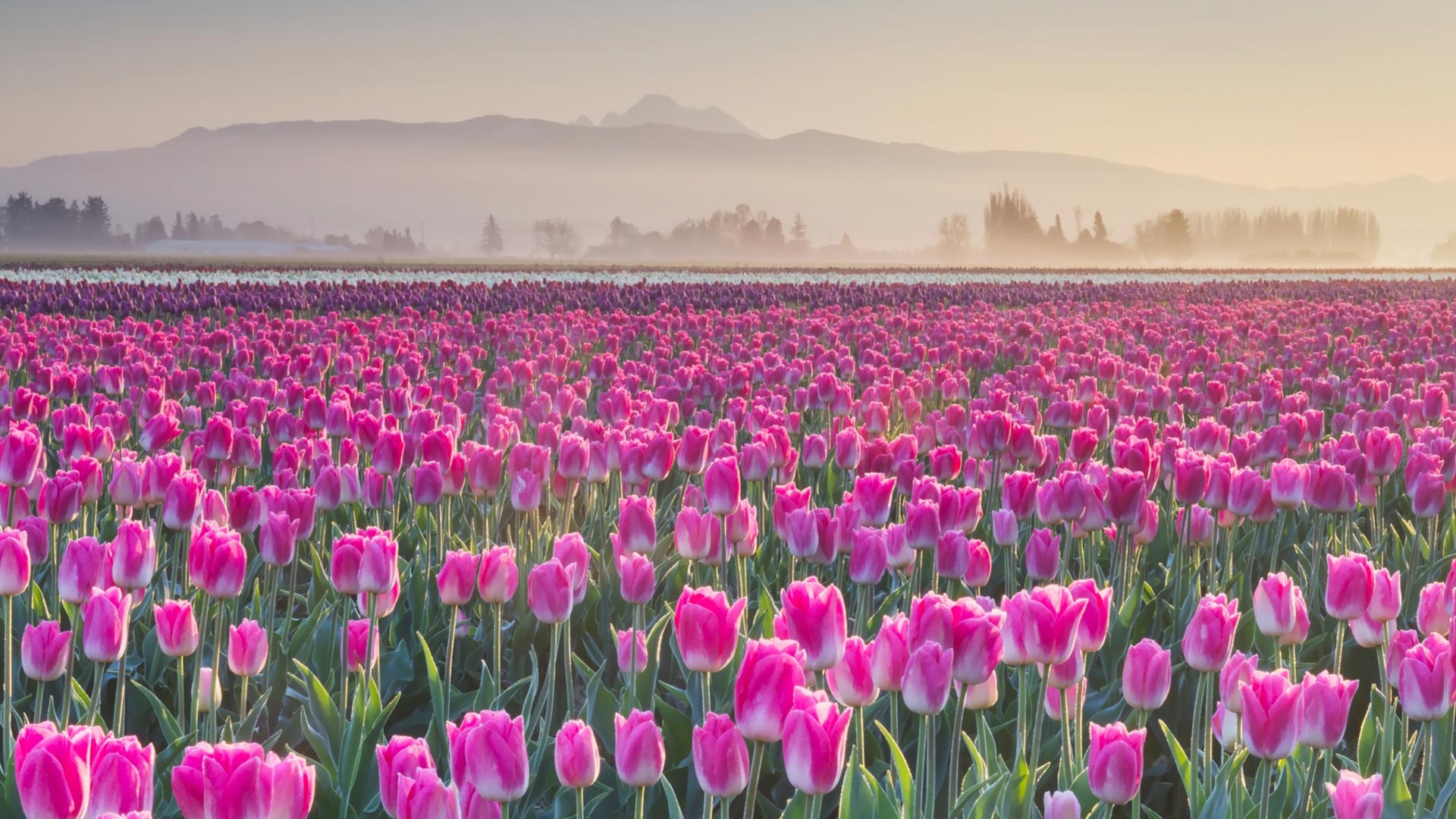
| en | • | Skagit Valley Tulip Fields, Washington |
| • | Skagit Valley Tulip Fields, Washington, United States | |
| es | • | Campos de tulipanes del valle de Skagit, Washington, EE. UU. |
| fr | • | Champ de tulipes de Skagit Valley, Washington, États-Unis |
| ja | • | スカジットバレー, 米国 ワシントン州 |
| pt | • | Campos de tulipas do Vale Skagit, Washington, Estados Unidos |
| zh | • | 斯卡吉特谷地郁金香花田, 华盛顿, 美国 |
| (© Alan Majchrowicz/Getty Images) |
Skagit Valley Tulip Fields, Washington, United States
Each spring, Skagit Valley in Washington, United States, transforms into a patchwork of colour that celebrates the arrival of bloom season. Throughout April, visitors explore tulip gardens and farmland lined with vibrant rows of flowers, all framed by mountain views. The valley's fertile soils, shaped by centuries of sediment from the Skagit River, make it one of the most productive agricultural regions in the Pacific Northwest. Tulips arrived here in the early twentieth century when farmers realised the cool springs and long daylight hours were ideal for growing bulbs.
Today, the region is famous for vast flower fields that draw visitors from around the world each spring. Yet the valley is also an important wildlife corridor, where bald eagles gather in winter and migratory birds pause along the Pacific Flyway. In Skagit Valley, spring doesn't just arrive—it bursts into colour.
| 2026‑04‑16 ‑ | Canada ‑ English / Canada ‑ French |
|---|
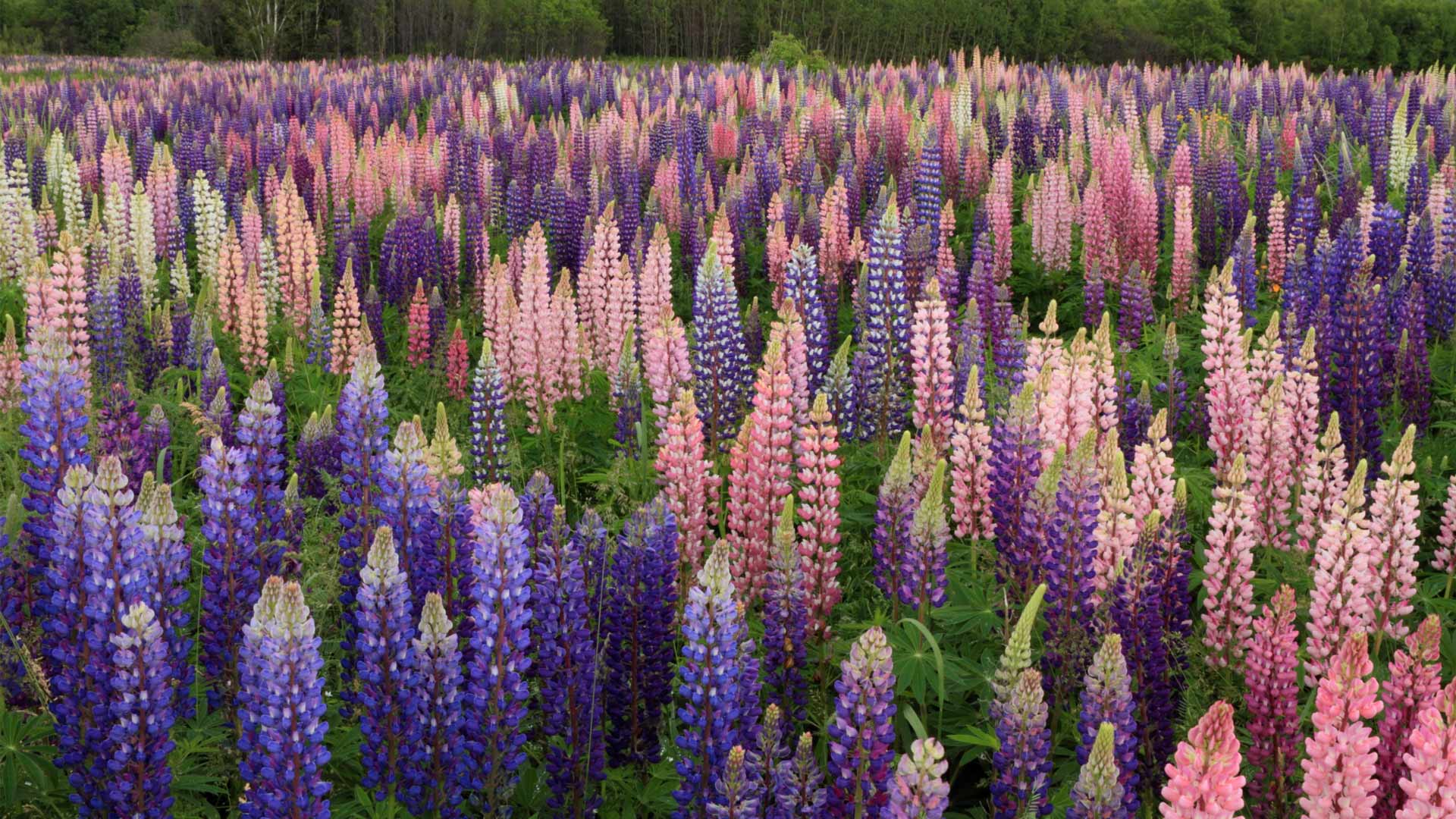
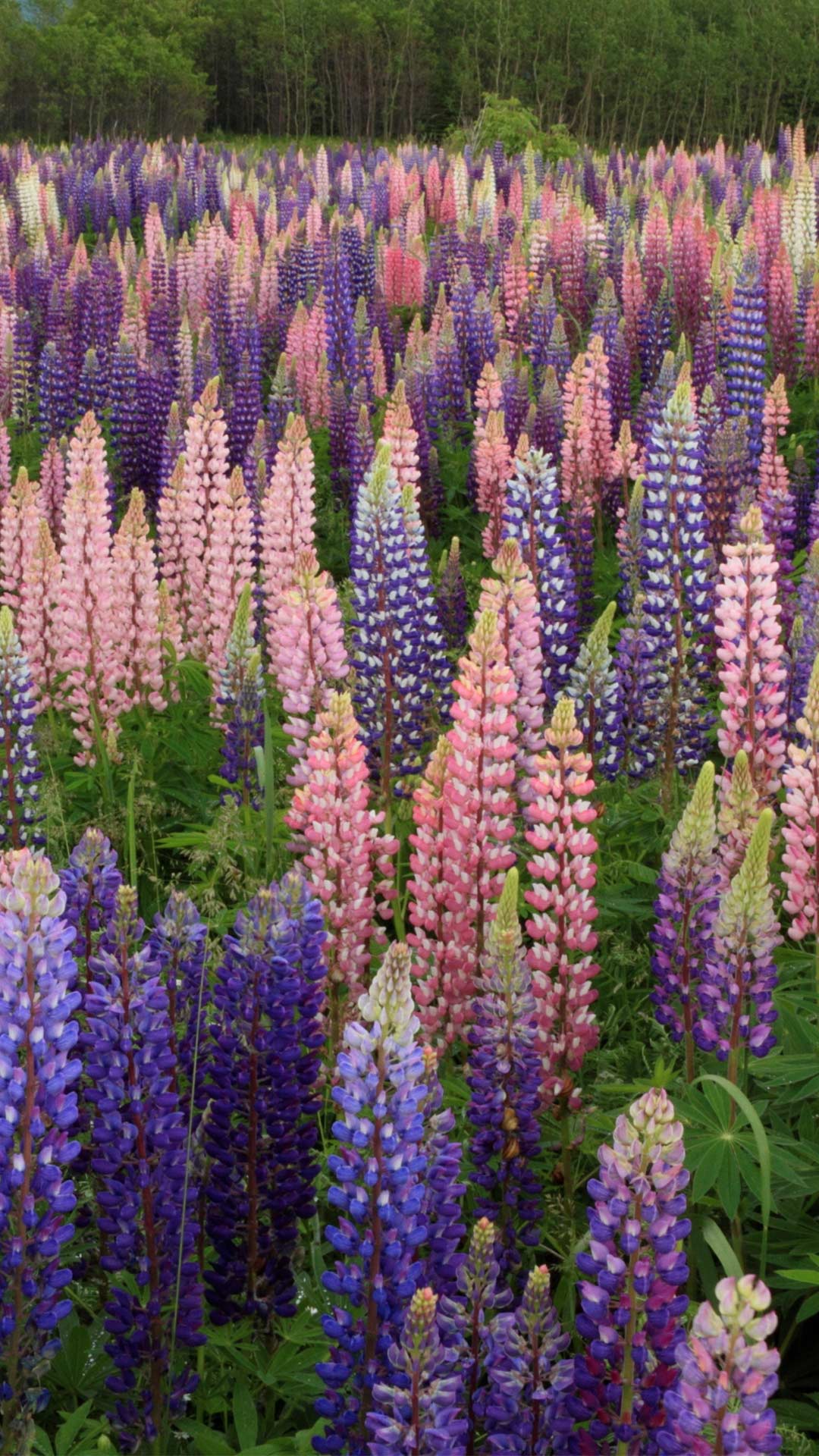
| en | • | Blooming lupines in Newfoundland |
| fr | • | Lupins en fleur à Terre-Neuve |
| (© Nature, Parks/Outdoor/Shutterstock) |
Blooming lupines in Newfoundland
What makes a lupine so eye-catching? Start with the shape: tall spires packed with pea-like flowers, often in blues, purples, pinks and whites. Add finely divided leaves and a knack for improving soil by fixing nitrogen, and you've got a plant that's both hardy and useful. Lupines thrive in cool climates, which explains why they spread so easily across parts of Atlantic Canada.
On the island of Newfoundland, these flowers have become a familiar roadside sight. Most are garden escapees, particularly the large-leaf lupine, introduced from western North America. By early summer they form long bands of colour along highways, fields and coastal slopes.
Mid-April is still slightly early for the main display, but the island is already shifting from winter to spring. Longer days, melting snow and the first hints of green appear across a landscape known for rugged cliffs and fishing villages. In a few weeks, lupines will line the roadsides—an unofficial seasonal marker for locals, shaped by the island's cool Atlantic climate.
| 2026‑04‑16 ‑ | Italy |
|---|
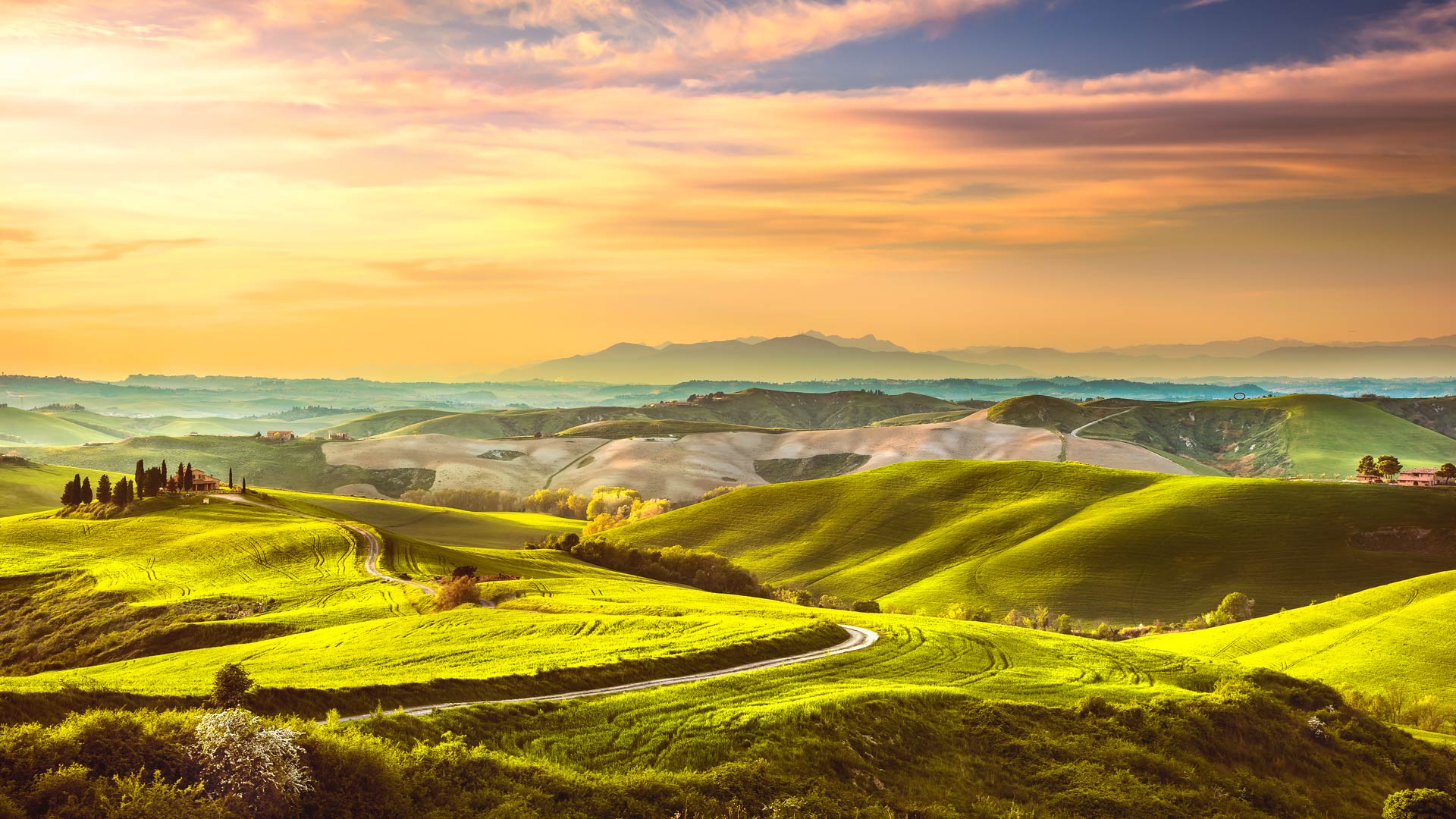
| it | • | Colline ondulate al tramonto, Toscana |
| (© StevanZZ/Getty Images) |
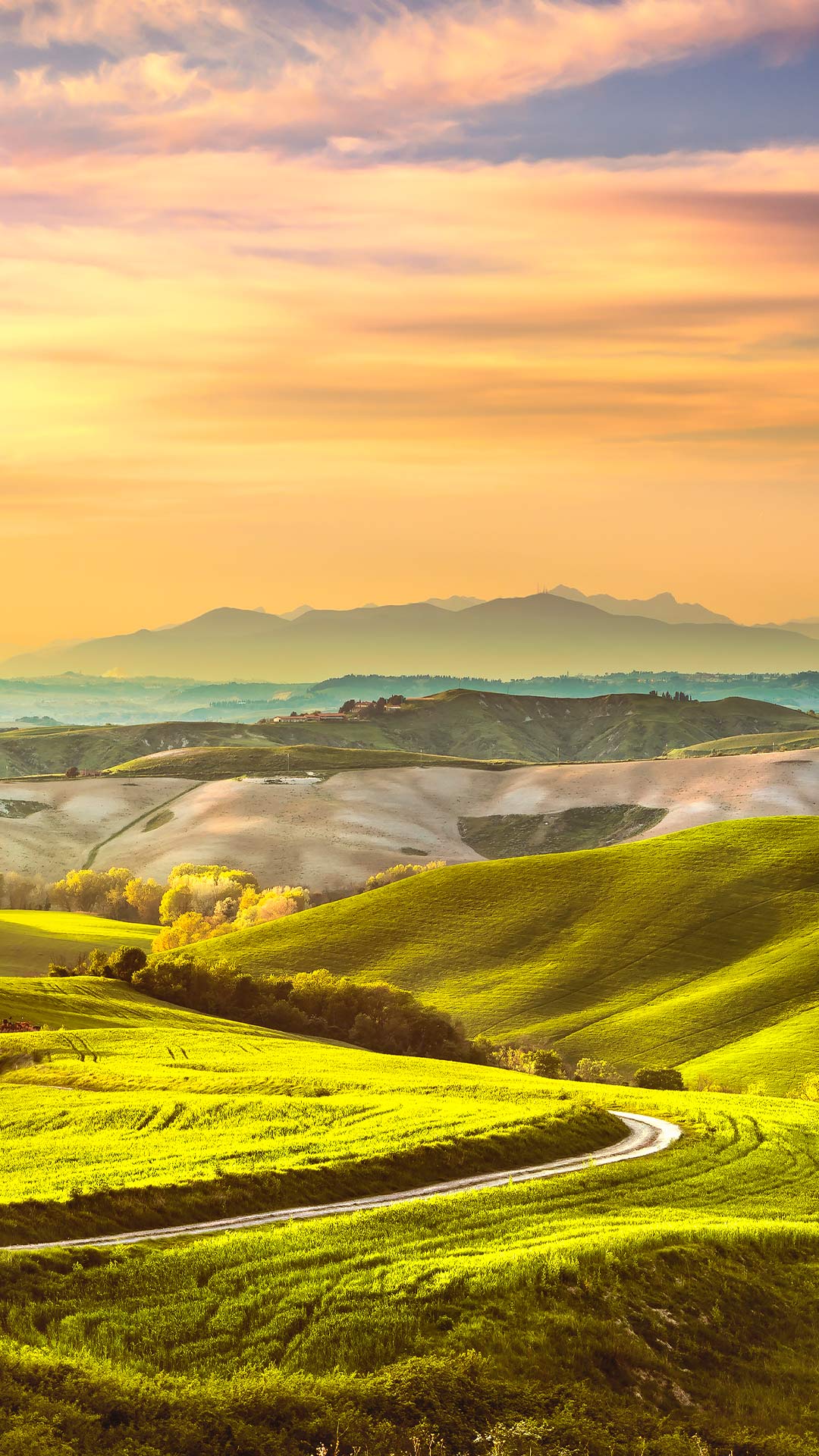
Rolling hills of Tuscany, Italy
Rolling hills in Tuscany, Italy, feel like they've been styled with intent—soft curves, neat rows of vines and those tall, unmistakable cypress trees. Have you ever noticed how the landscape seems to change colour with the seasons? Spring brings bright greens and wildflowers, summer turns fields golden and autumn deepens everything into warm, earthy tones.
Much of this region has been shaped by centuries of farming, especially vineyards and olive groves that produce some of Italy's most celebrated wines and oils. The layout isn't accidental—it reflects traditional agricultural practices designed to make the most of the land. Hilltop towns like San Gimignano and Montepulciano add to the scene, their stone towers and winding streets hinting at medieval roots.
And then there's the light. It shifts throughout the day, softening the hills at sunrise and turning them golden by sunset. No wonder Tuscany keeps showing up in art, films and daydreams—it's as real as it is romantic.
| 2026‑04‑15 ‑ | International |
|---|---|
| 2026‑03‑25 ‑ | Canada ‑ English / Canada ‑ French |
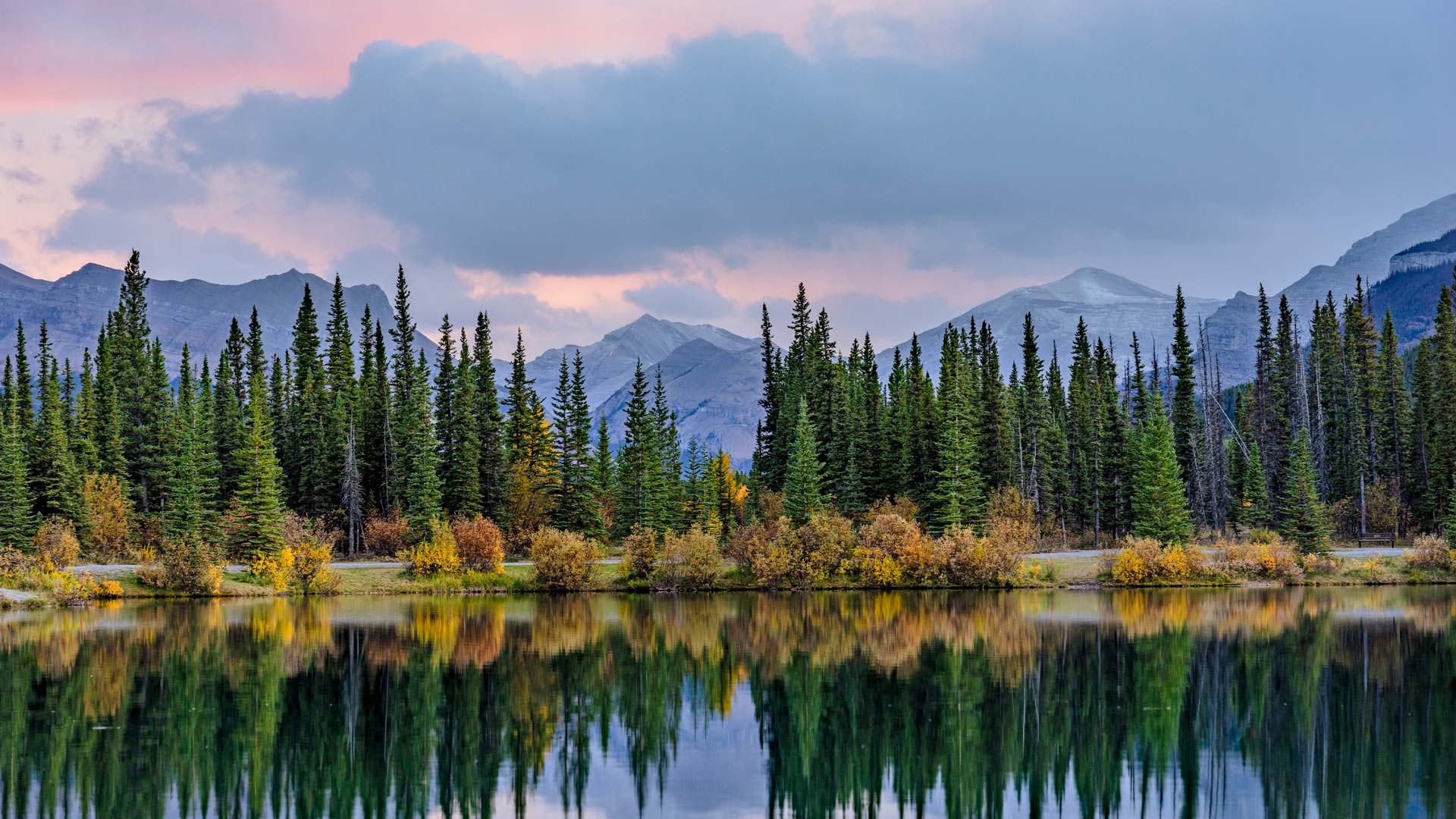
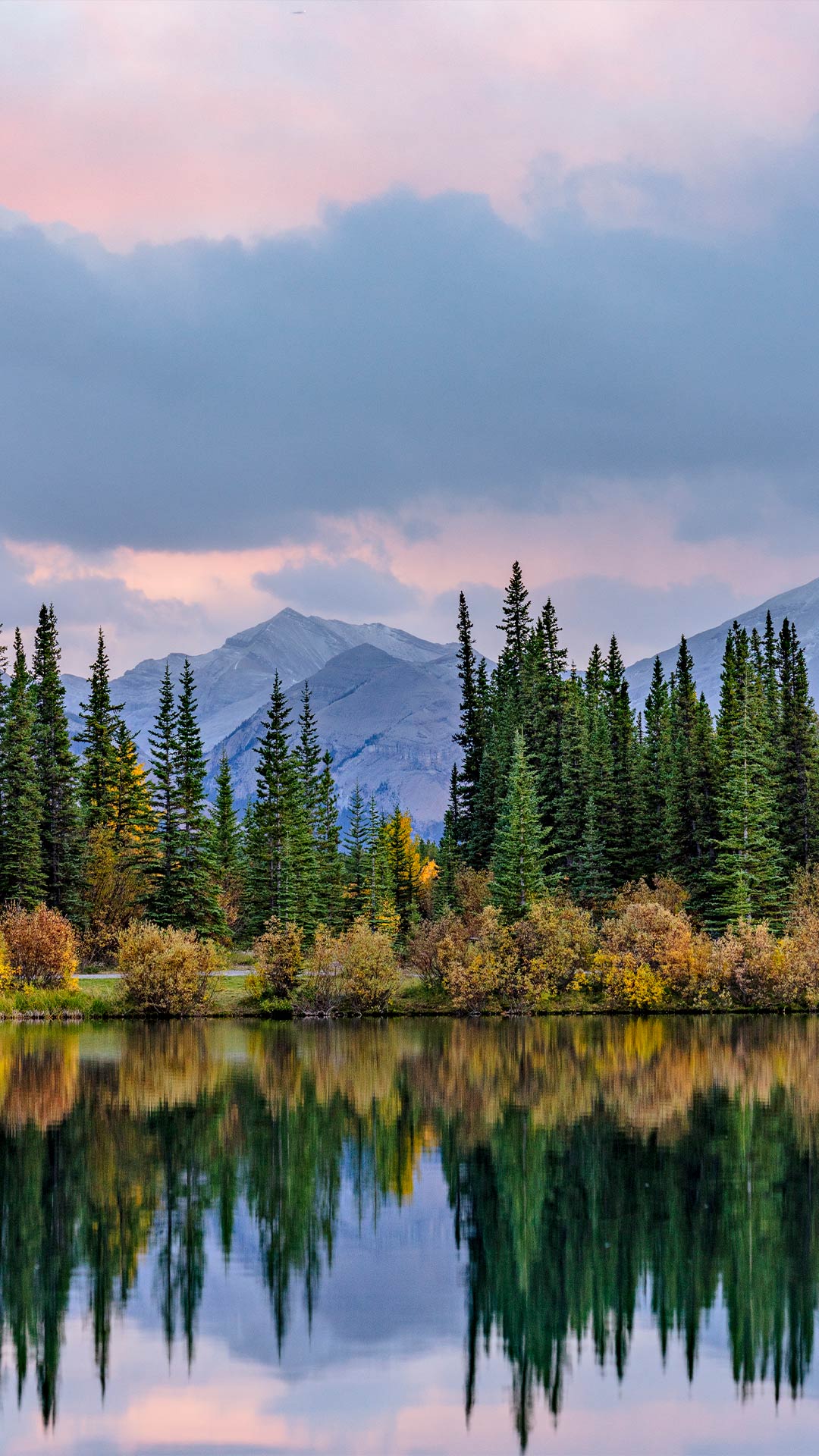
| en | • | Pine trees reflected in the Forgetmenot Pond in Kananaskis Country, Alberta |
| • | Pine trees reflected in the Forgetmenot Pond in Kananaskis Country, Alberta, Canada | |
| fr | • | Pins se reflétant sur l’étang Forgetmenot, Kananaskis Country, Alberta |
| (© chinaface/Getty images) |
Forgetmenot Pond, Kananaskis Country, Alberta
Set in the foothills and front ranges of the Canadian Rockies, Kananaskis Country stretches across a vast network of protected valleys, dense forests and alpine peaks. Located in Alberta, the region was formally established in 1978, uniting several provincial parks and protected areas under a shared vision of conservation. Clear rivers cut through limestone cliffs, while spruce and pine forests rise toward high mountain passes.
Seasonal change defines the experience here. Summers open hiking trails and wildlife corridors; winters transform the landscape into a quiet expanse for cross-country skiing and snowshoeing. Just off Highway 40, Forgetmenot Pond offers a familiar stop. In warmer months, its glassy surface reflects the surrounding peaks; in winter, it freezes into a natural skating loop.
Here, visitors may spot black bears, bighorn sheep, mule deer and other species moving through their natural habitat. Covering around 4,000 square kilometres, K-Country represents decades of deliberate conservation. It is not untouched wilderness, but a carefully stewarded landscape, one that rewards attention, patience and return visits.
| 2026‑04‑15 ‑ | Brazil / Canada ‑ English / Canada ‑ French / China / China ‑ English / France / Germany / India / Italy / Spain / United Kingdom / United States |
|---|
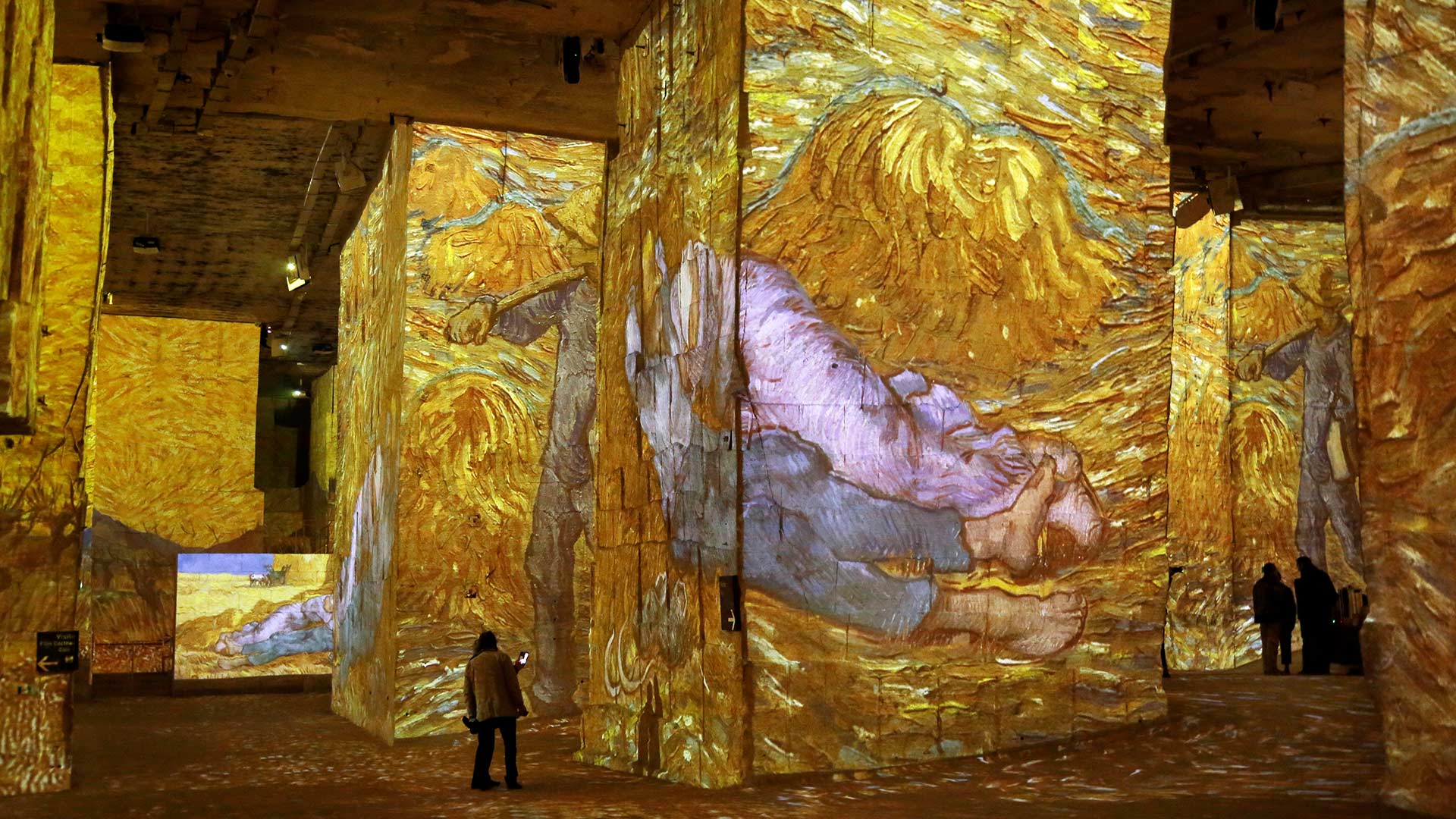
| de | • | Van-Gogh-Ausstellung in den Carrières des Lumières, Les Baux‑de‑Provence, Frankreich |
| en | • | The Carrières des Lumières exhibit of Vincent van Gogh, Les Baux-de-Provence, France |
| es | • | La exposición Carrières des Lumières de Vincent van Gogh, Les Baux-de-Provence, Francia |
| fr | • | Exposition immersive Van Gogh aux Carrières des Lumières, Les Baux-de-Provence |
| • | Exposition immersive Van Gogh aux Carrières des Lumières, Les Baux-de-Provence, France | |
| it | • | Mostra dedicata a Vincent van Gogh alle Carrières des Lumières, Les Baux-de-Provence, Francia |
| pt | • | Exposição Carrières des Lumières de Van Gogh, Les Baux-de-Provence, França |
| zh | • | 光之采石场的文森特·梵高展览, 莱博德普罗旺斯, 法国 |
| (© Patrick Aventurier/Getty Images) |
World Art Day
Art surrounds us. Creativity and self-expression are part of human identity and mold our past and future. While some might dedicate their lives to the arts, others are the recipients of what artists channel. World Art Day on April 15 celebrates this ever-flowing link between artistic creations and society that shapes our cultures.
Imagine stepping inside the larger-than-life artworks of Vincent van Gogh, immersing yourself in the bold and textured brushstrokes. The Carrières des Lumières exhibit in Les Baux-de-Provence, France, offered exactly that during its 2019-2020 run.
Housed in a former limestone quarry, the exhibition transformed Van Gogh's paintings into a shared physical space, projected across towering stone walls and floors. Rather than standing back to observe, visitors moved through color, rhythm, and scale, experiencing how technology can reshape the way we encounter art. It's a fitting reflection of World Art Day's purpose: not just honoring masterpieces, but rethinking how art lives, evolves, and continues to engage new audiences.