Random Windows Spotlight images
page 1 / 10
Random Windows SpotLight images
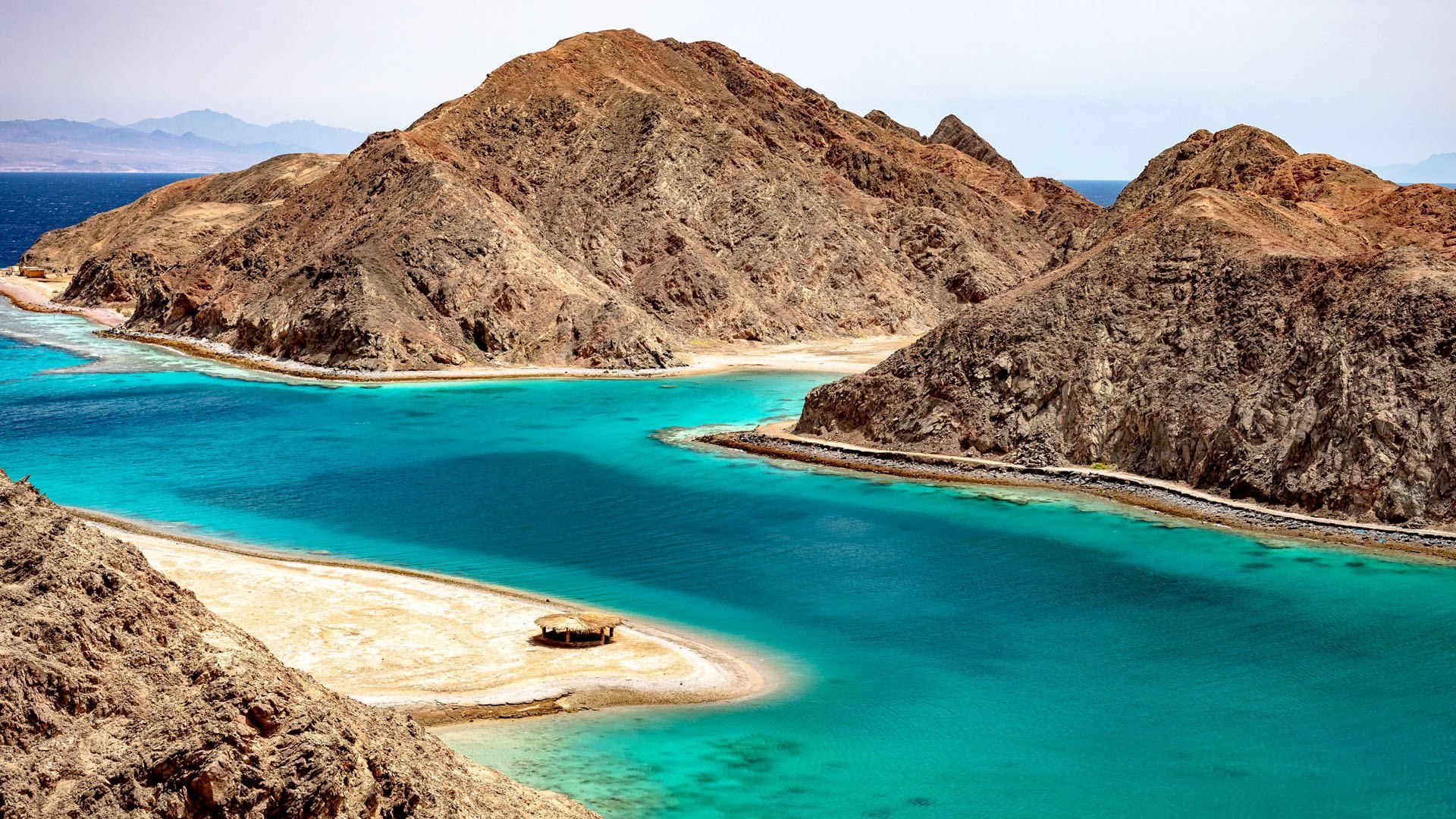
Fjord Bay in Taba, Egypt
The Red Sea Riviera is a coastal strip in eastern Egypt that includes a large portion of shoreline on the Gulf of Aqaba. The astonishing turquoise water of the Red Sea contrasts with the sunbaked beige and bronze desert hills rising above it. And although resorts and popular beaches are numerous in the area, there are also spots dedicated less to recreation, and more to preservation. Our image is wide view of Fjord Bay in southwest Taba, where the land is mostly undeveloped. Just offshore, extensive coral reefs teem with marine life. Adventurous scuba divers explore Fjord Hole, which begins 32 feet below the bay's surface and plunges to more than 70 feet deep. Snorkelers can take a leisurely peek at the colorful 'coral gardens' growing in these waters.


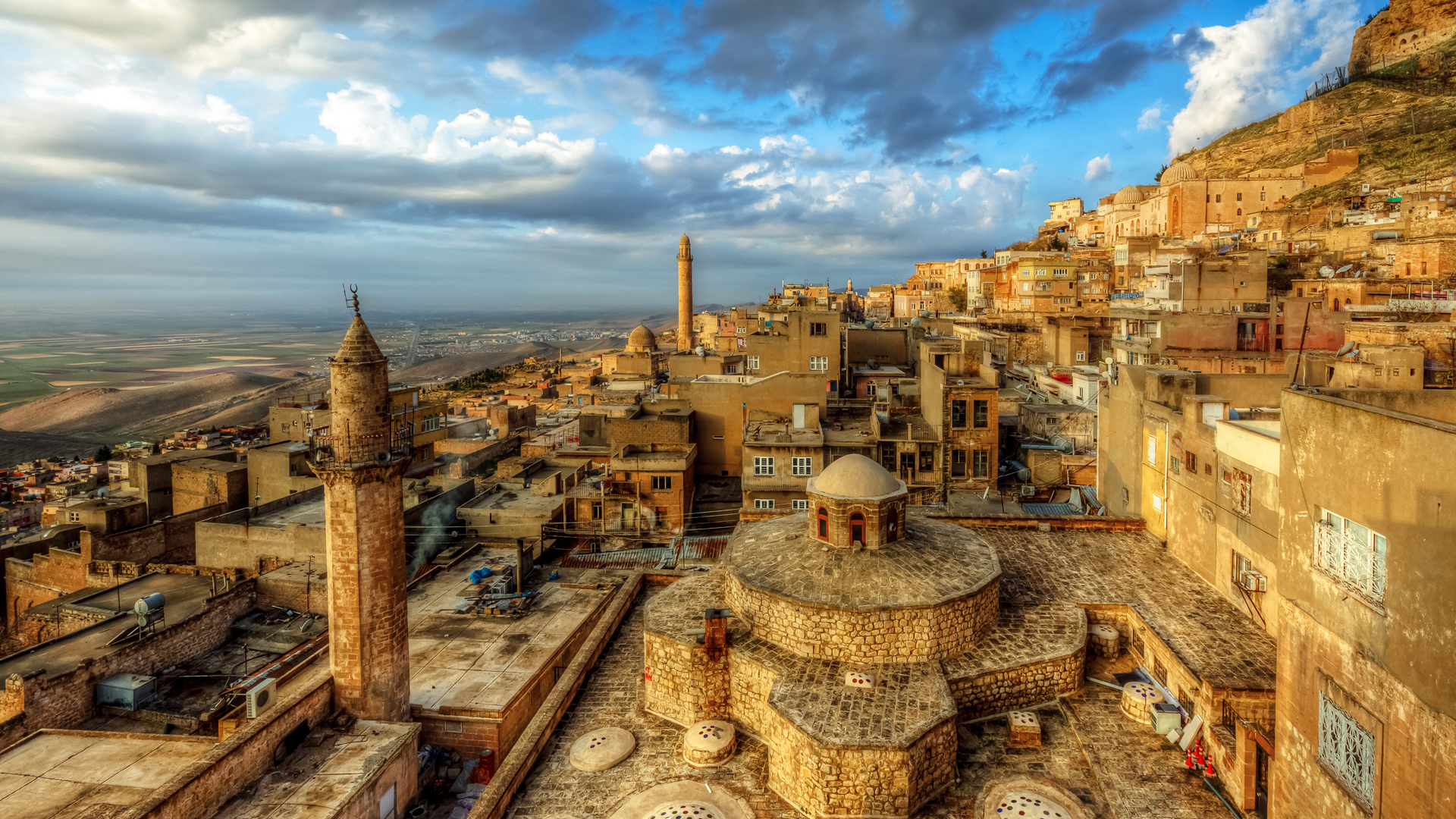
Mardin, Türkiye
Many historians believe that this city's origins stretch back nearly 3,000 years. Looking at the hillside tableau, it's not hard to believe. And while the limestone buildings we see here in Mardin's Old Town don't date back to the Neo-Assyrian Empire, many of them are impressively old, built in the medieval era's Artuqid architectural style. Among the structures on this terraced slope are historic mosques and churches, and just out of view in the top right corner of our image is Mardin Castle, an enormous citadel that dominates the mountaintop. The views from these elevated streets are impressive—a sweeping quilt of cropland stretches across the Mesopotamian plain of southeastern Türkiye.

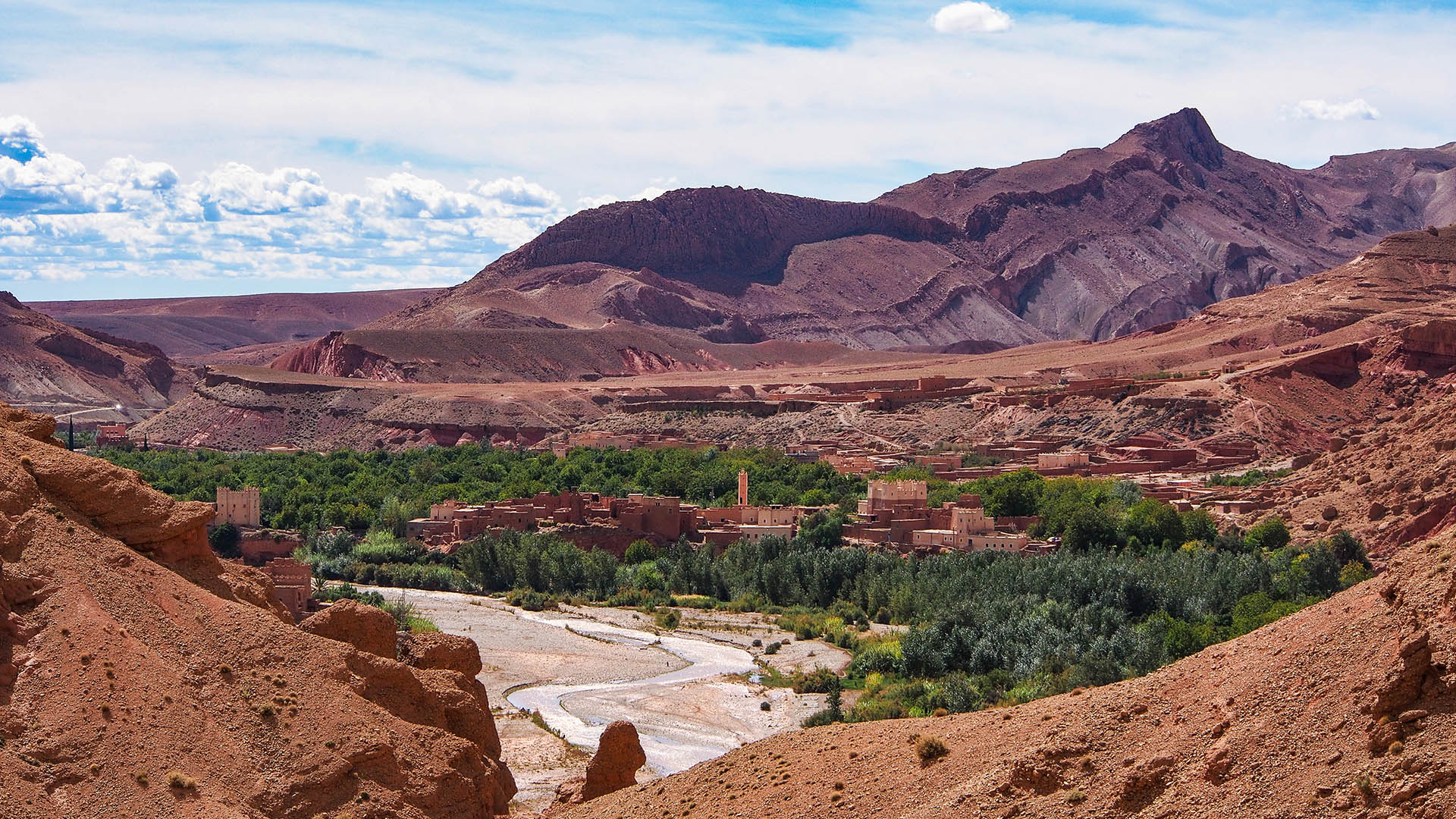
Kalaat m'Gouna in the Dades Valley, Morocco
Millions of roses are harvested in May and June each year in the Dades Valley of Morocco, known as the Valley of Roses. (It's also called the Valley of a Thousand Kasbahs, for the many traditional fortresses found here.) The Asif M'Goun River flows from high in the Atlas Mountains, bringing water to the lush valleys below. We’re looking at the town of Kalaat M'Gouna, the center of the rose harvest each spring, when thousands of pounds of roses are plucked from the valley's abundant bushes. Their fragrant petals are used to create the oil that goes into a potpourri of perfumes, creams, and other products that are for sale in local bazaars. No one knows how the roses originally appeared here, but it's said that a traveling merchant from Damascus, Syria, first brought them to the region hundreds of years ago, which gave the local rose its name: Damask.

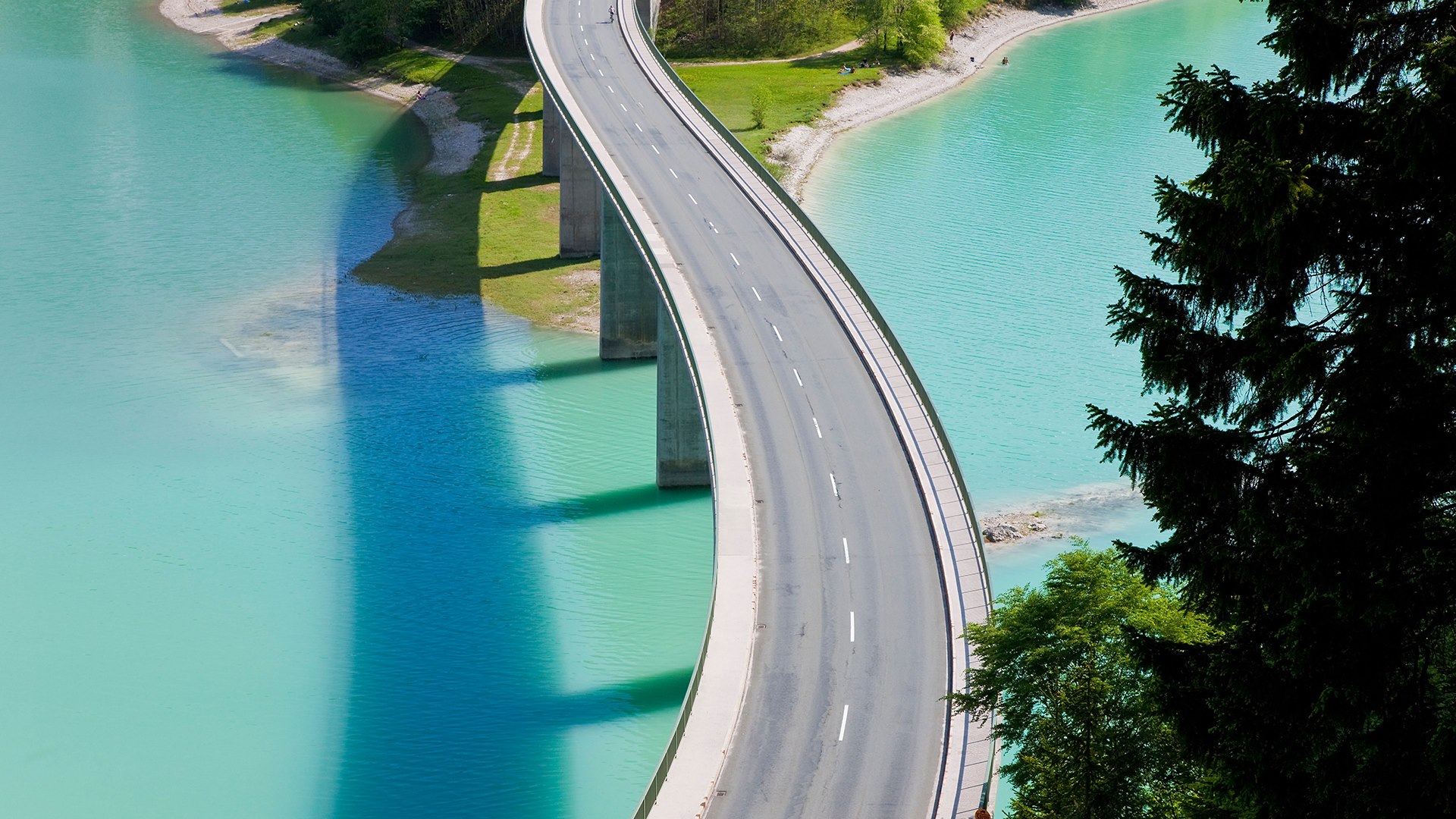
Bridge over Sylvenstein Lake in Upper Bavaria, Germany
Sylvenstein Lake is a reservoir built to control water flow in the Isar Valley of Upper Bavaria, Germany. The embankment dam is made of compacted soil rather than modern, constructed materials. The Isar River provides hydroelectric power, while this lake provides a scenic stop near the Austrian border. Gliding over Sylvenstein Lake is the Faller Klamm Brücke, a bridge that’s part of a highway popular with road-trippers in the region. It's also a favorite subject of many photographers, who are drawn to its gently curving accent above the water.

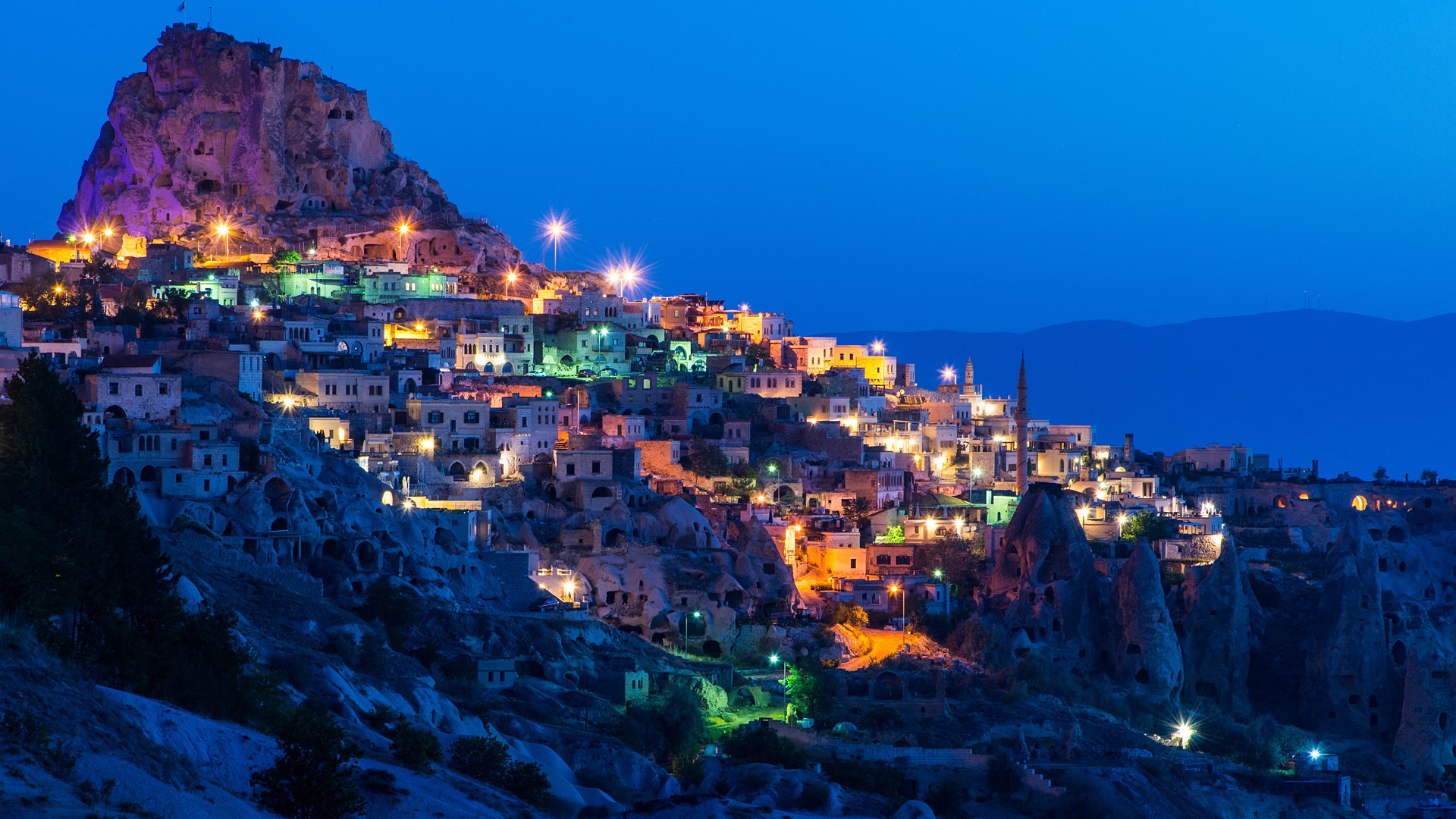
Uçhisar, Cappadocia, Turkey
For thousands of years, people in Cappadocia, Turkey, have literally carved out an existence within the ‘">For thousands of years, people in Cappadocia, Turkey, have literally carved out an existence withiFor thousands of years, people in Cappadocia, Turkey, have literally carved out an existence within the ‘fairy chimneys’ that rise up across the region. These natural towers are made of soft tuff, formed from hardened volcanic ash, and Cappadocians dug innumerable caves into them. They used these caves as sheltered homes, churches, even entire underground communities that offered some degree of protection from relatively frequent raids. Away from the city, these stone spires crowd the landscape. But in the town of Uçhisar, they blend in with the many caves on the hill, some of which are used as dwellings to this day.

Random Windows SpotLight images - page 1 / 10