Random old Bing wallpapers
page 7 / 10
| 2021‑08‑04 ‑ | International / Canada ‑ English / Canada ‑ French / China / China ‑ English / France / Germany / India / Japan / United Kingdom / United States |
|---|
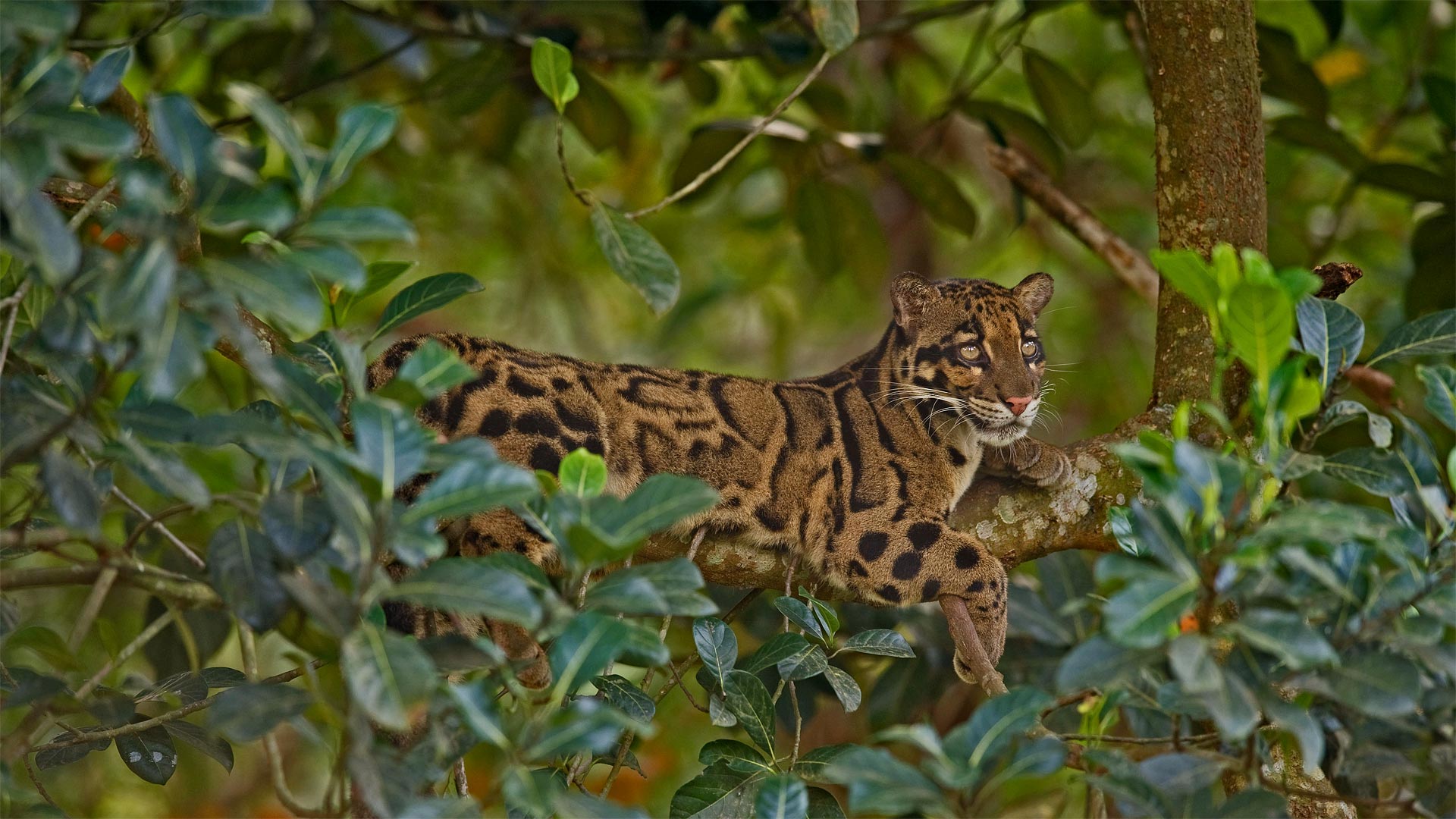
| de | • | Nebelparder |
| en | • | Clouded leopard |
| fr | • | Panthère nébuleuse |
| ja | • | 「ウンピョウ」インド, トリプラ州 |
| zh | • | 云豹 |
| (© Dhritiman Mukherjee/Alamy) |
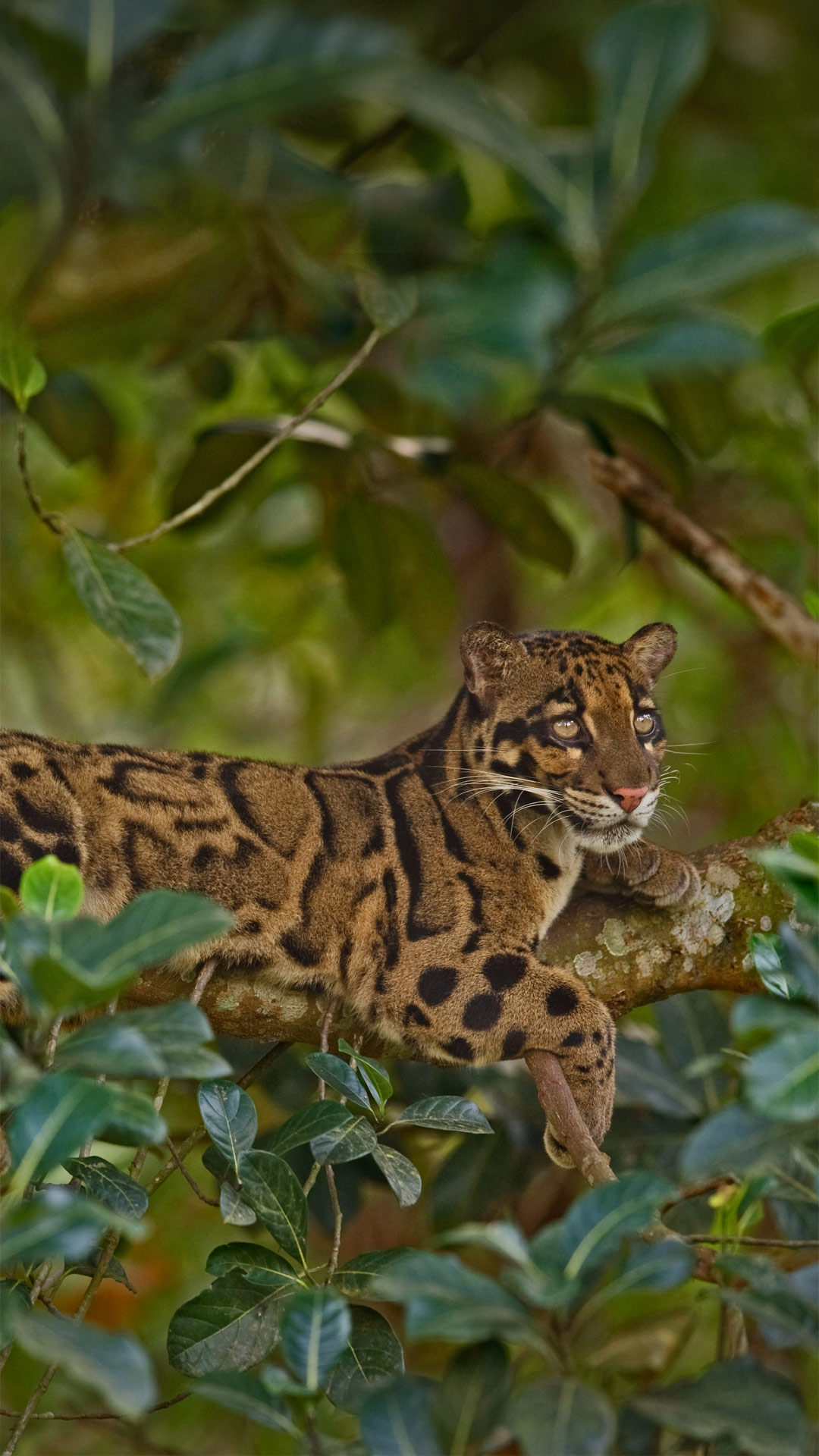
Clouded leopard
Clouded leopards are stealthy, solitary creatures native to the tropical jungles of Southeast Asia. The animal gets its name from the large, cloud-like patterns on its yellow coat. With short, powerful legs and a long tail, the clouded leopard is perfectly adapted for living in the trees. Flexible ankle joints allow it to descend trunks headfirst, one of only two cat species that can do this. A long tail provides balance for leaps between trees, and sharp, retractable claws let this jungle climber hang off branches. Considered a vulnerable species, these cats are rarely seen and there are thought to be only about 10,000 adults left in the wild.


| 2014‑05‑01 ‑ | United States |
|---|---|
| 2014‑04‑30 ‑ | International / Australia / Canada ‑ English / China / France / Japan | 2014‑04‑29 ‑ | Germany |
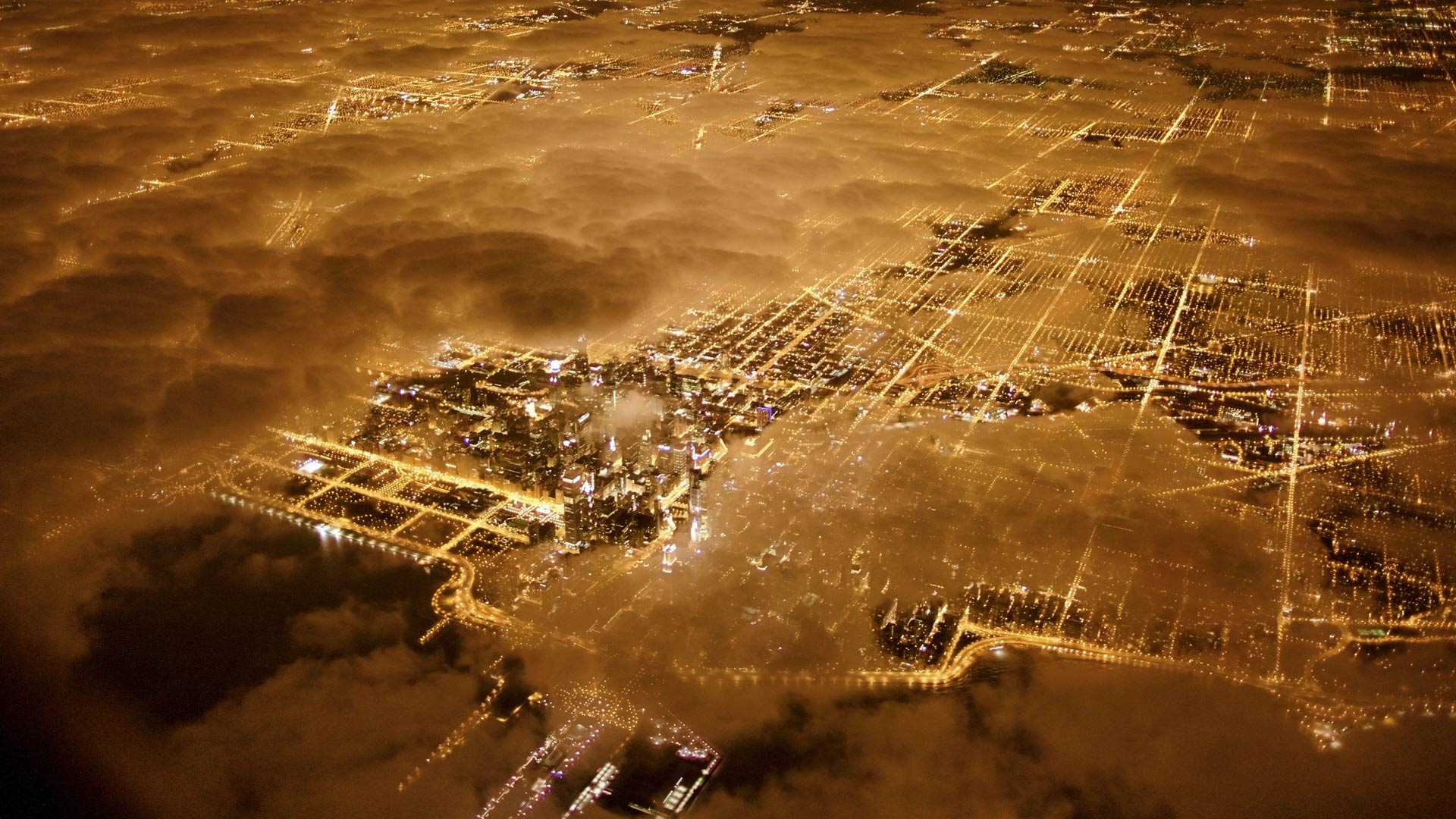
| de | • | Luftbild, Nachtaufnahme, Chicago, Illinois, USA |
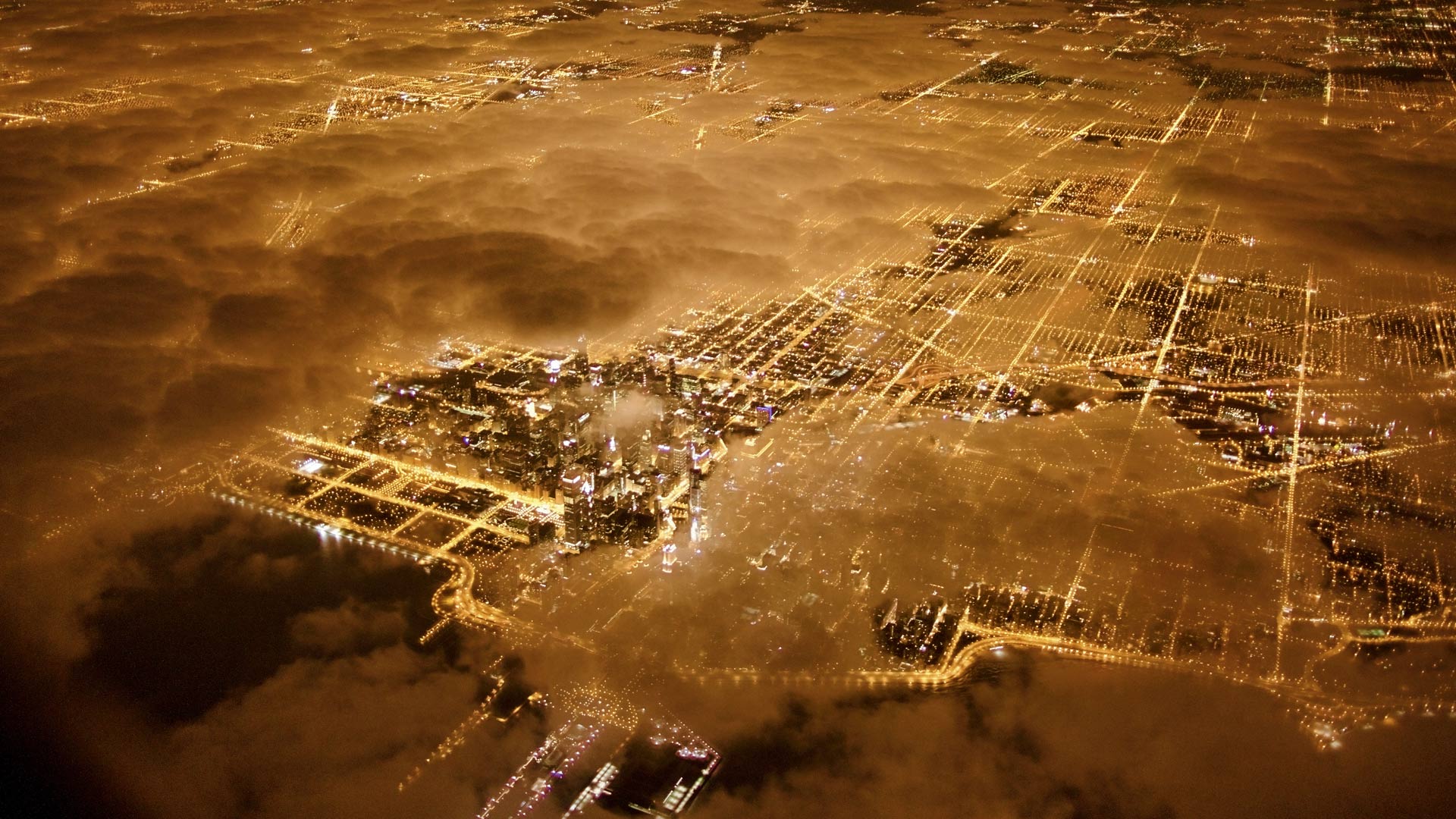
| en | • | Aerial view at night, Chicago, Illinois |
| fr | • | Vue aérienne de Chicago la nuit, Illinois, États-Unis |
| ja | • | 「夜のシカゴ」アメリカ, イリノイ州 |
| zh | • | 美国伊利诺伊州芝加哥市,夜间俯视图 |
| (© Jim Richardson/Getty Images) |
| 2019‑06‑24 ‑ | Canada ‑ English / Canada ‑ French |
|---|
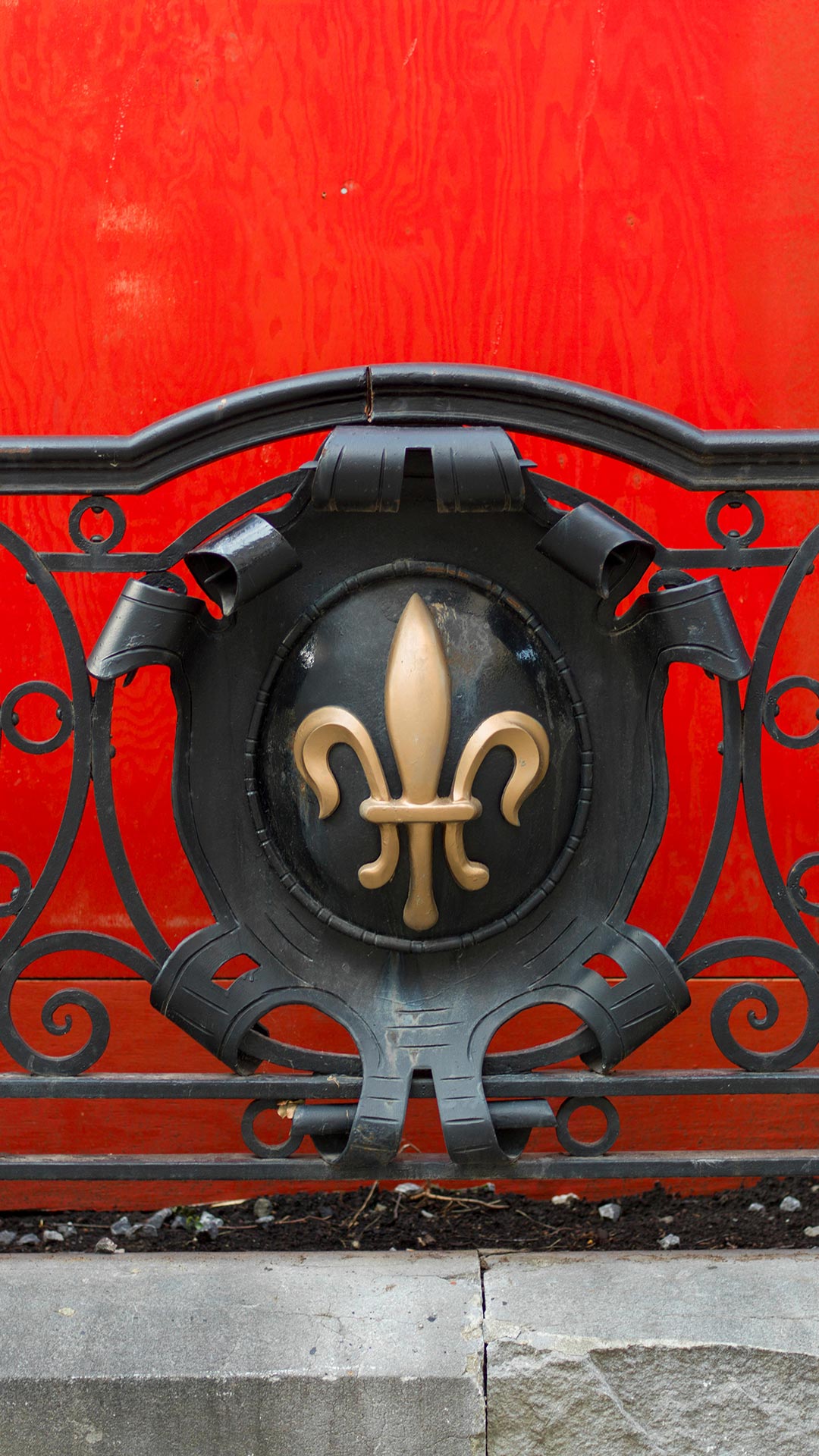
| en | • | Fleur de Lis on a railing at Golden Square Mile, Montreal |
| fr | • | Fleur de lis sur une balustrade du Golden Square Mile, Montréal |
| (© Keith Levit/Alamy Stock Photo) |
A celebration of culture and identity
Held every year on June 24th, Fête nationale du Québec (formerly known as Saint-Jean-Baptiste Day) is a celebration of Francophone culture, identity and unity. The tradition of Saint-Jean-Baptiste Day was brought into North America by French colonists migrating to the New World in the 17th century. The name was switched in 1977 to distance the event from religious ties and instead focus on patriotism. Fête nationale du Québec is marked as a statutory holiday in Québec with festivities taking over Montreal and Québec City.

| 2025‑02‑27 ‑ | International / Brazil / Canada ‑ English / Canada ‑ French / China / China ‑ English / France / India / Italy / Japan / Spain / United Kingdom / United States |
|---|
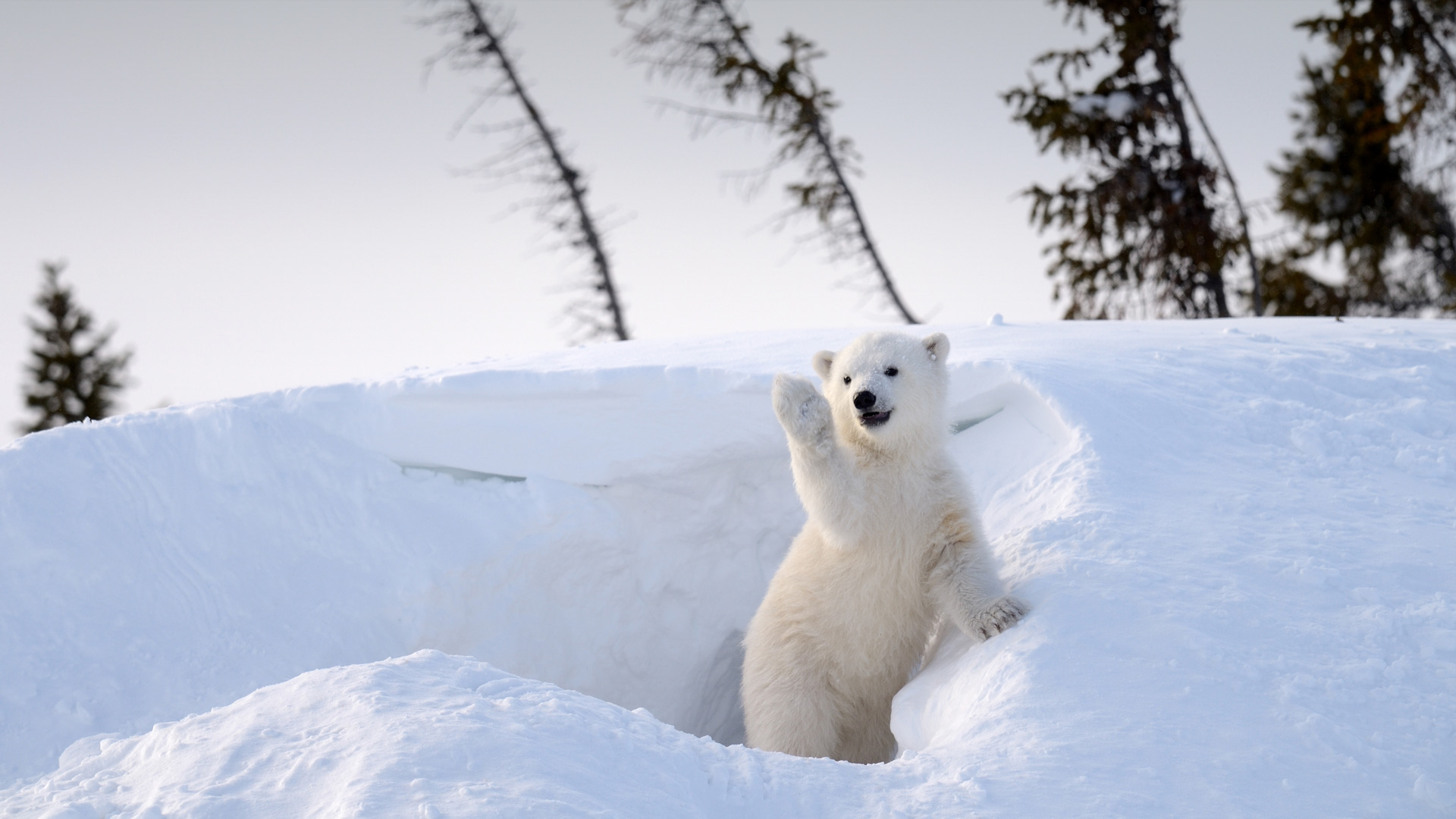
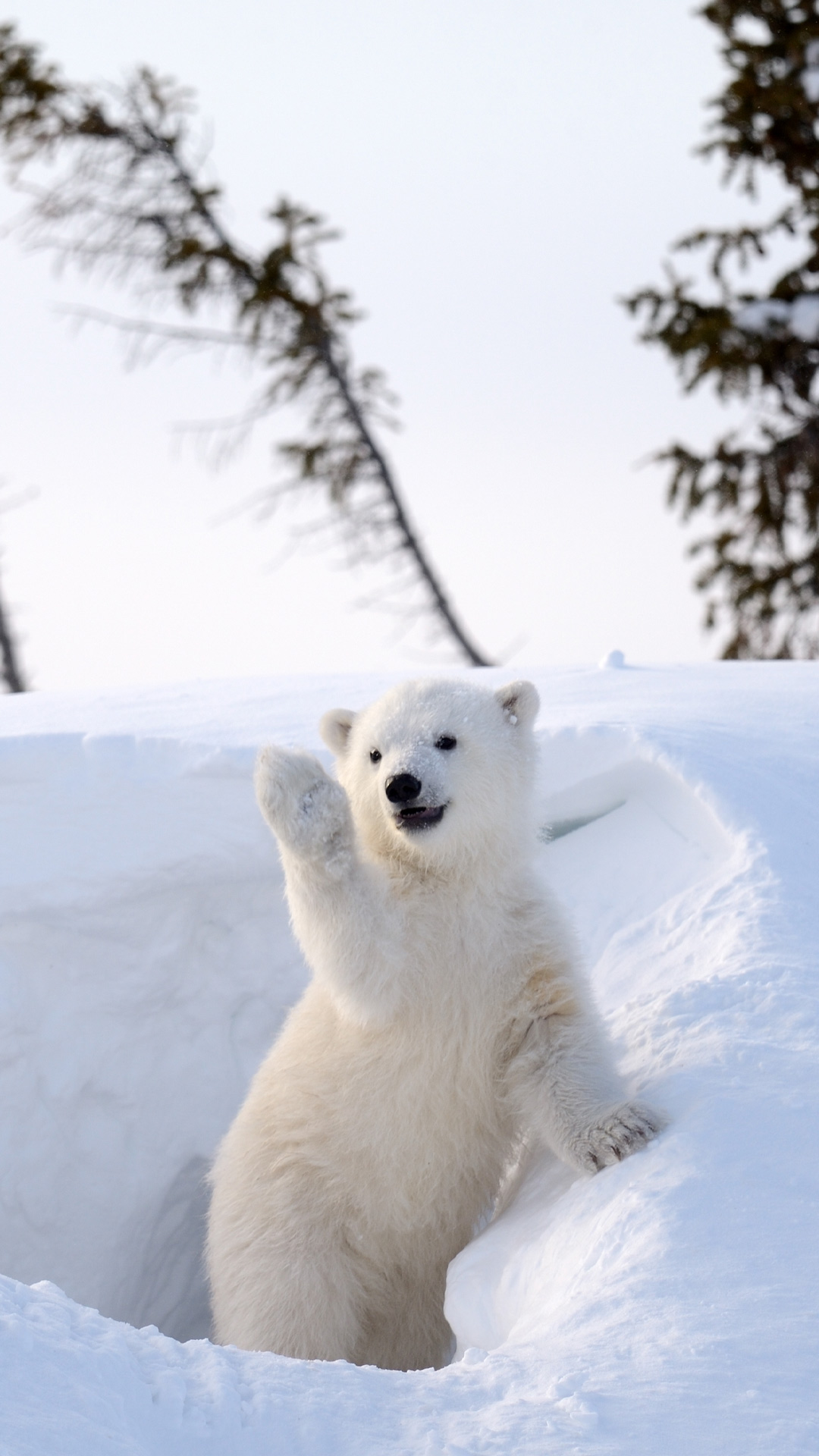
| en | • | Polar bear cub, Churchill, Manitoba, Canada |
| es | • | Cachorro de oso polar, Churchill, Manitoba, Canadá |
| fr | • | Ourson polaire, Churchill, Manitoba, Canada |
| it | • | Cucciolo di orso polare, Churchill, Manitoba, Canada |
| ja | • | 雪の中のホッキョクグマの子, カナダ マニトバ州 |
| pt | • | Polar bear cub, Churchill, Manitoba, Canada |
| zh | • | 北极熊幼崽,丘吉尔,马尼托巴省,加拿大 |
| (© Eric Baccega/NPL/Minden Pictures) |
Polar bear cub, Churchill, Manitoba, Canada
Polar bears are native to the Arctic and can be found in Alaska, Russia, Greenland and Svalbard. They're also found in Canada—like the cub in today's image, photographed in Churchill, Manitoba. Polar bears spend over half of their time hunting for seals on the sea ice, although they usually catch just one or two for every 10 that they try to catch. Their reliance on sea ice for hunting means that they are highly vulnerable to climate change. Their fur isn't truly white; it's translucent, reflecting visible light and allowing them to blend seamlessly into their snowy environment. Sea ice is rapidly disappearing as the planet heats up, and polar bears are at risk of malnutrition and starvation as their hunting grounds vanish. Shrinking ice sheets also mean that these bears have to swim farther to find food, which depletes their energy reserves. Protecting polar bears means protecting their home—let's work together to slow the effects of climate change and safeguard their future.


| 2020‑01‑24 ‑ | International / Australia / Canada ‑ English / Canada ‑ French / China ‑ English / France / Germany / India / Japan / Spain / United Kingdom / United States | 2020‑01‑20 ‑ | China |
|---|
| de | • | Sonnenstrahlen beleuchten den Vulkan Eyjafjallajökull auf Island |
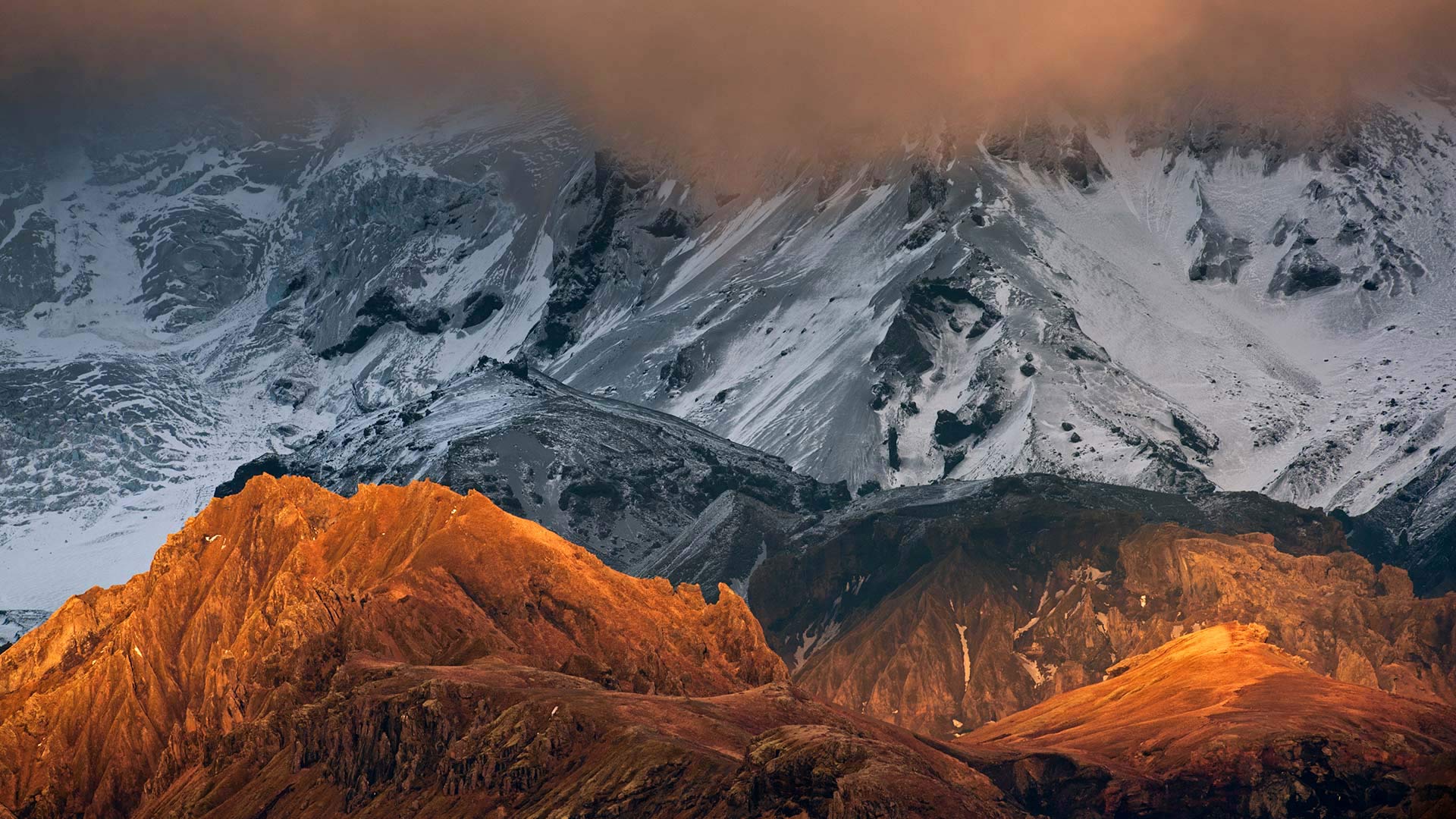
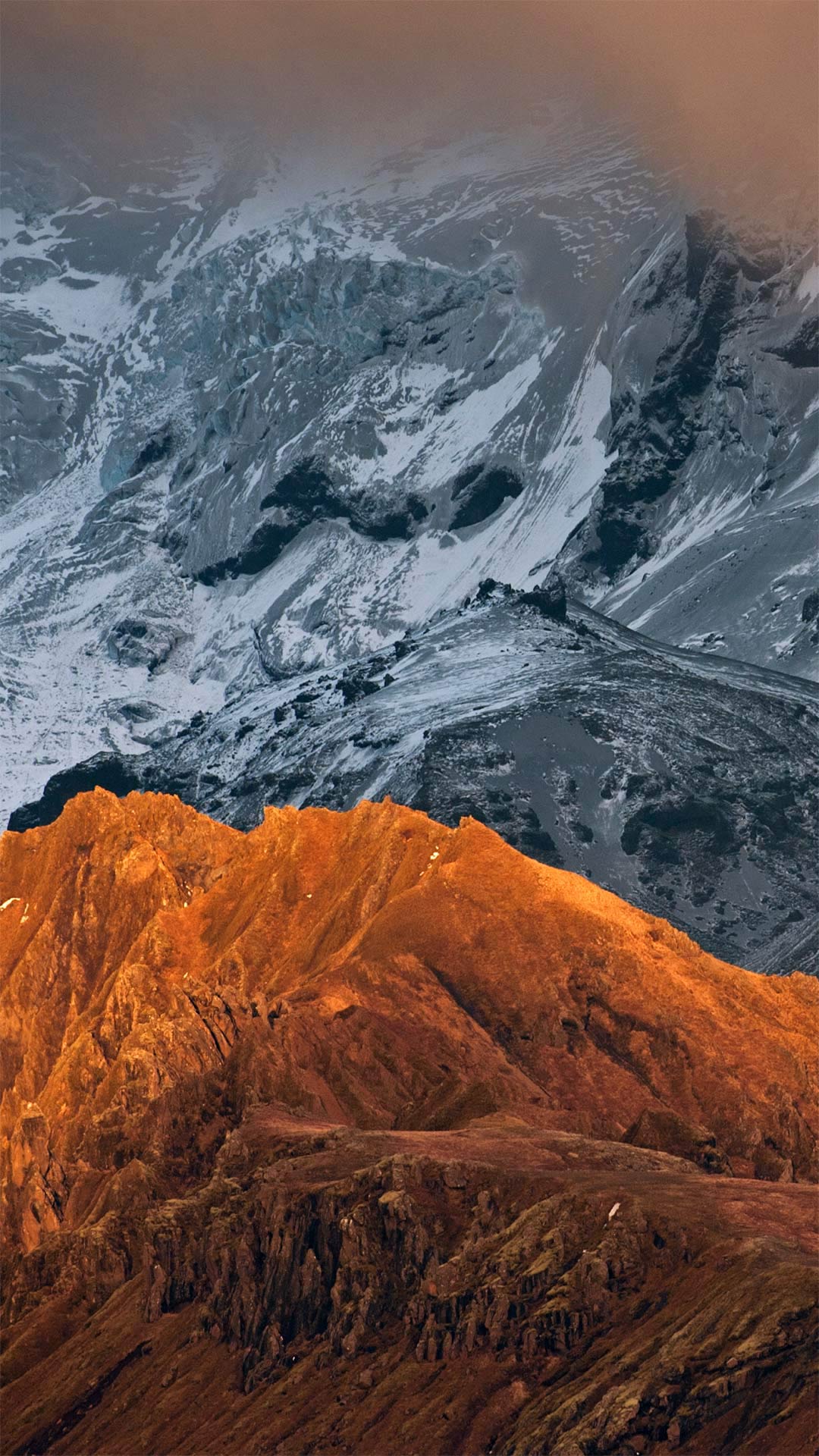
| en | • | Sunlit ridges against volcanic scree on Eyjafjallajökull, a volcano in Iceland |
| • | Sunlit ridges against volcanic scree on Eyjafjallajökull, Iceland | |
| es | • | Atardecer sobre las laderas del volcán Eyjafjallajökull, Islandia |
| fr | • | Crête ensoleillée près d’éboulis de roche volcanique sur Eyjafjallajökull, un volcan d’Islande |
| • | Crêtes ensoleillées contre des éboulis volcaniques sur Eyjafjallajökull, un volcan en Islande | |
| ja | • | 「エイヤフィヤトラヨークトル」アイスランド |
| zh | • | 阳光照耀下的火山岩山脊,冰岛埃亚菲亚德拉冰盖 |
| (© Erlend Haarberg/Minden Pictures) |
Sunlight sets Iceland's Eyjafjallajökull aglow
This is the sun-soaked ice cap of Iceland's Eyjafjallajökull. Remember the name? It's that unpronounceable volcano that made you miss your connecting flight back in 2010. That eruption and the vast ash cloud it belched over the North Atlantic was the biggest disruption to air traffic since World War II. And this relatively small but volatile island may yet waylay the world again: Eyjafjallajökull is a lightweight among the 32 active volcanic systems dotting the Land of Fire and Ice—its much larger neighbor Katla has been closely monitored since the 2010 incident.
Today is the Friday of winter's 13th week according to the historical Icelandic calendar. It marks the first day of the old Icelandic month of Thorri and the beginning of Thorrablot, a quintessentially Icelandic celebration adapted from the country's pagan roots. Throughout the month, Icelanders will revel in traditional songs, poems, and oral history, while enjoying buffet-style platters of cleverly preserved foods from Iceland's hardscrabble past: rotten shark, boiled sheep's head, lamb's-blood pudding, and other dishes sure to raise non-Icelanders' eyebrows (and, perhaps, turn their stomachs).

| 2025‑04‑20 ‑ | Brazil / Canada ‑ English / Canada ‑ French / China / China ‑ English / France / India / Italy / Japan / Spain / United Kingdom / United States |
|---|
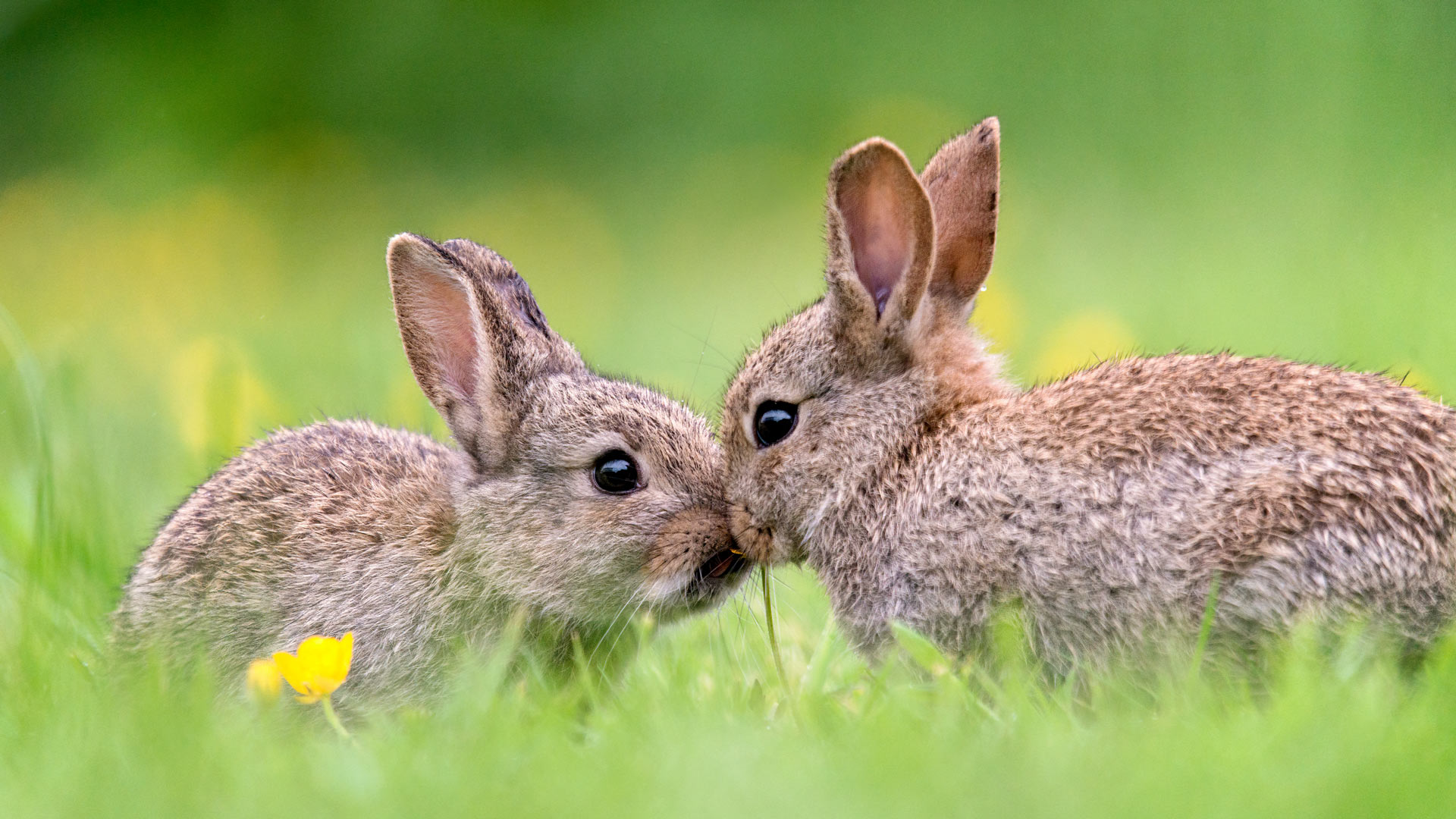
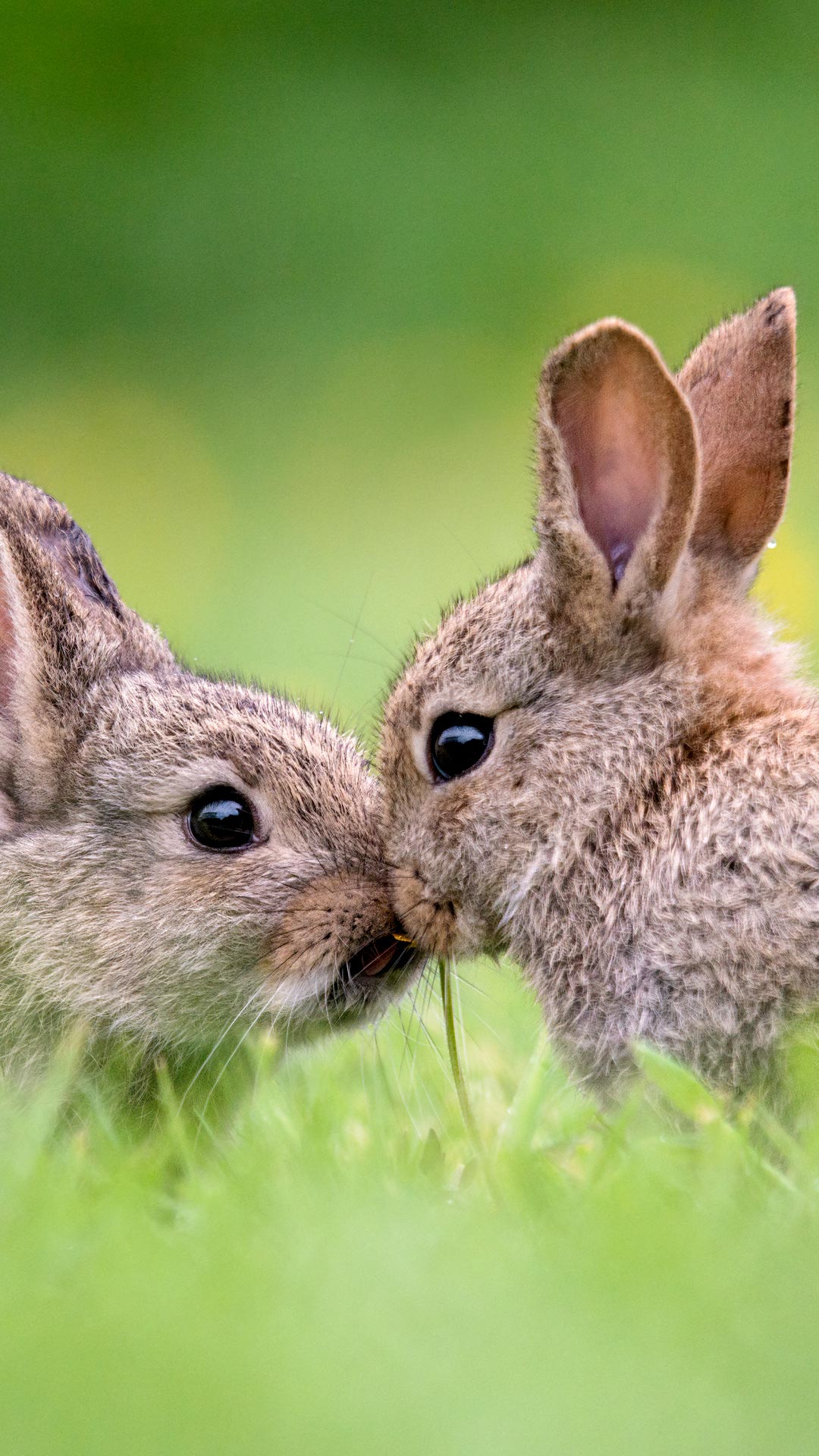
| en | • | Wild baby rabbits in spring |
| es | • | Crías de conejo en primavera |
| fr | • | Lapins de Garenne au printemps |
| it | • | Coniglietti selvatici in primavera |
| ja | • | 野生の子ウサギ |
| pt | • | Coelhos selvagens no outono |
| zh | • | 春天里的野生小兔子 |
| (© Fiona McAllister Photography/Getty Images) |
Happy Easter!
Happy Easter! Today is a special day for billions of Christians worldwide—a time of renewal, celebration and traditions. Easter, also called Pascha or Resurrection Sunday, commemorates the resurrection of Jesus Christ as described in the New Testament. It's also a time for festive traditions, from sunrise services to Easter egg hunts and, of course, the beloved Easter Bunny! Over time, this tradition evolved into the Easter baskets filled with chocolates, jellybeans and marshmallows that many families enjoy today in various countries. In German folklore, an egg-laying hare called 'Osterhase' would visit children and leave behind decorated eggs as a symbol of good fortune and new beginnings. Over time, this tradition evolved into the Easter baskets filled with chocolates, jellybeans and marshmallows that many families enjoy today. Whether you're enjoying a festive feast, decorating eggs or simply soaking in the beauty of spring, may your Easter be filled with joy and love!
Random old Bing wallpapers - page 7 / 10