Bing daily wallpapers
page 19 / 20
| 2026‑08‑28 ‑ | International / Brazil / Canada ‑ English / Canada ‑ French / China / France / Germany / India / Italy / Japan / Spain / United Kingdom / United States |
|---|
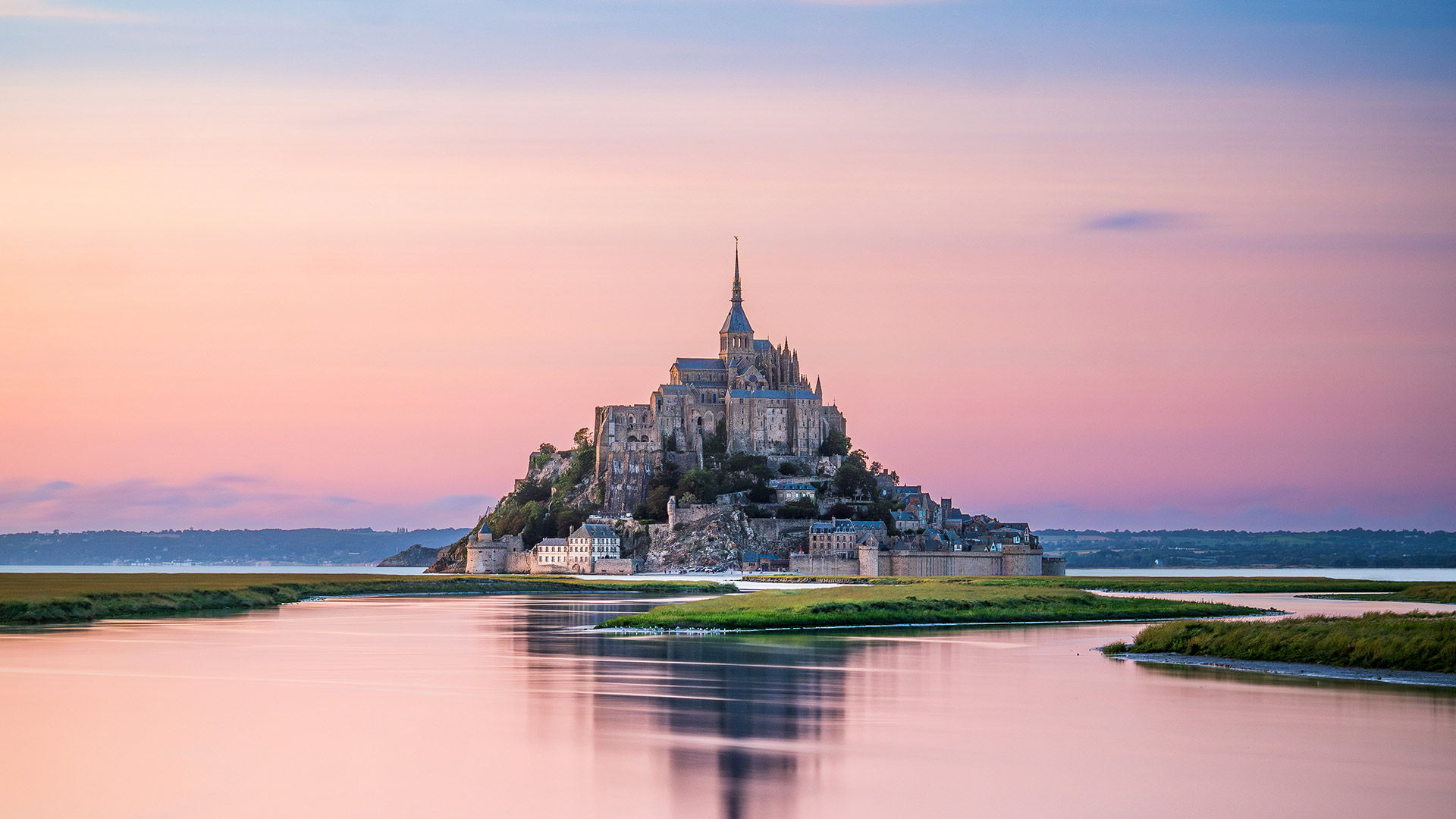
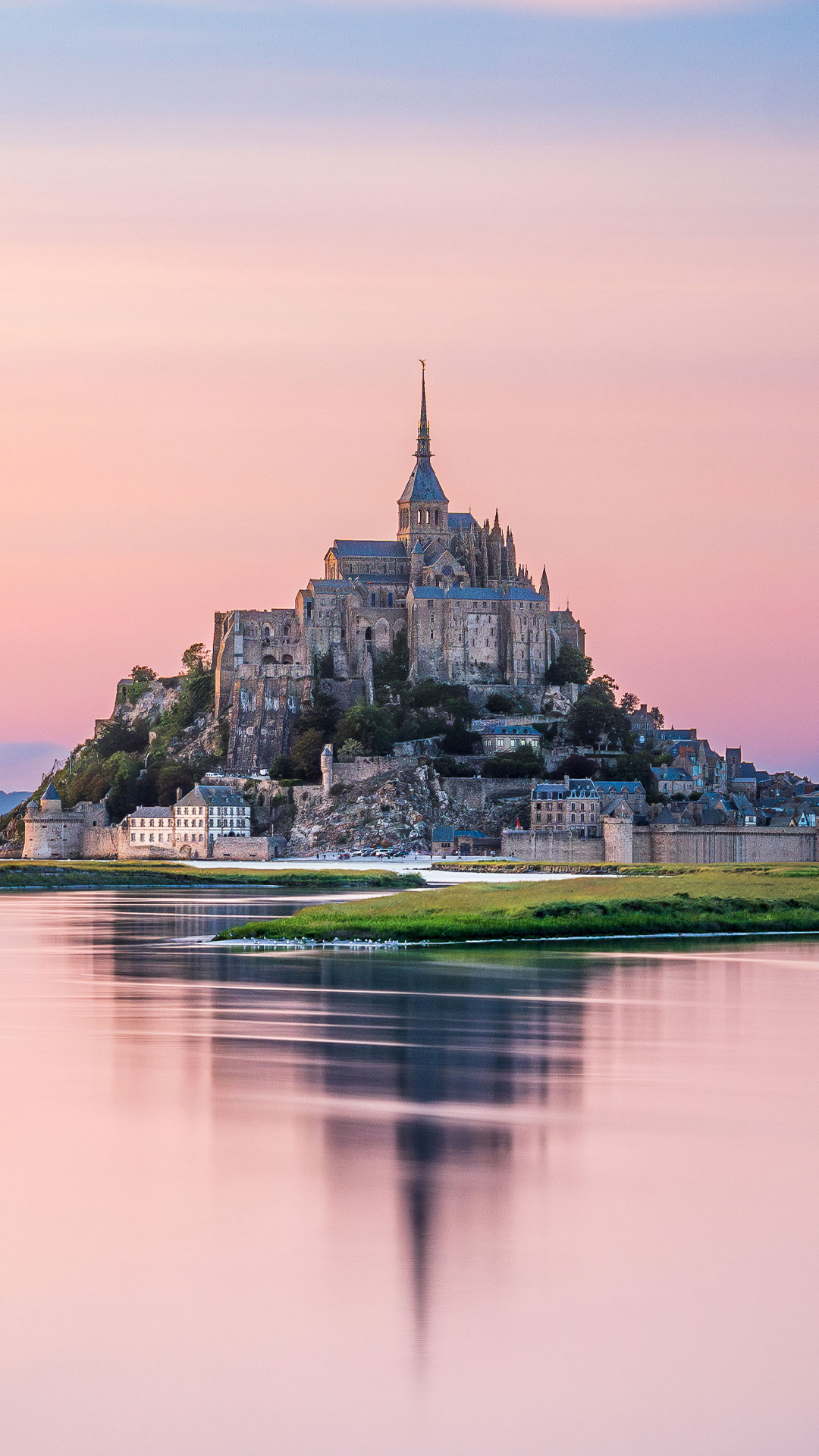
| de | • | Mont-Saint-Michel bei Flut, Manche, Normandie, Frankreich |
| en | • | Mont-Saint-Michel during high tide, Manche, Normandy, France |
| es | • | Monte Saint-Michel durante la marea alta, Mancha, Normandía, Francia |
| fr | • | Le Mont-Saint-Michel à marée haute, Manche, Normandie |
| • | Le Mont-Saint-Michel à marée haute, Manche, Normandie, France | |
| it | • | Le Mont-Saint-Michel, Manica, Normandia, Francia |
| ja | • | モン・サン=ミシェル, フランス |
| pt | • | Monte Saint-Michel durante a maré alta, Manche, Normandia, França |
| zh | • | 涨潮时的圣米歇尔山,芒什省,诺曼底,法国 |
| (© Clement LEONARD/Getty Images) |
Mont-Saint Michel during high tide, Normandy, France
At sunset, Mont-Saint Michel rises from the waters of Normandy, France, like a fortress shaped by the sea. Perched on a rocky tidal island, the abbey and village stand at the centre of one of Europe's most dramatic coastal settings. Twice a day, the sea retreats to reveal vast stretches of sand before surging back to reclaim the landscape. At high tide, the mount becomes an island once again. For centuries, travellers timed their journeys to this rhythm, crossing the flats when conditions allowed and watching the sea return hours later.
A legend traces the site's origins to the year 708, when the Archangel Michael appeared to a bishop and instructed him to build a sanctuary here. Over time, the site grew into one of Europe's most important pilgrimage destinations. Today, Mont-Saint Michel and its surrounding bay are recognised as a UNESCO World Heritage Site, where centuries of history and the movement of the tides continue to shape every visit.



| 2026‑08‑27 ‑ | International / Brazil / Canada ‑ English / Canada ‑ French / China / France / Germany / India / Italy / Japan / Spain / United Kingdom / United States |
|---|
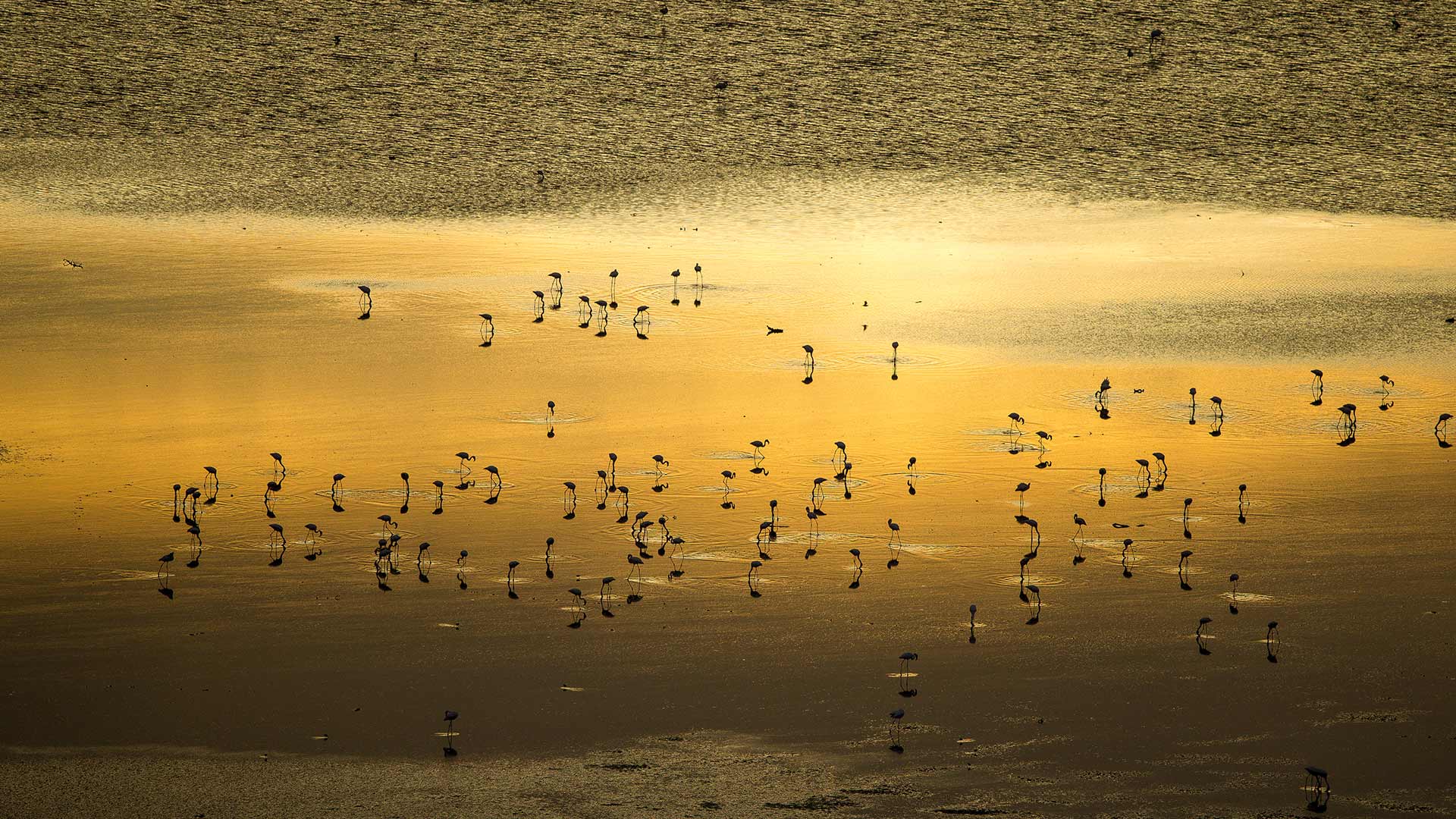
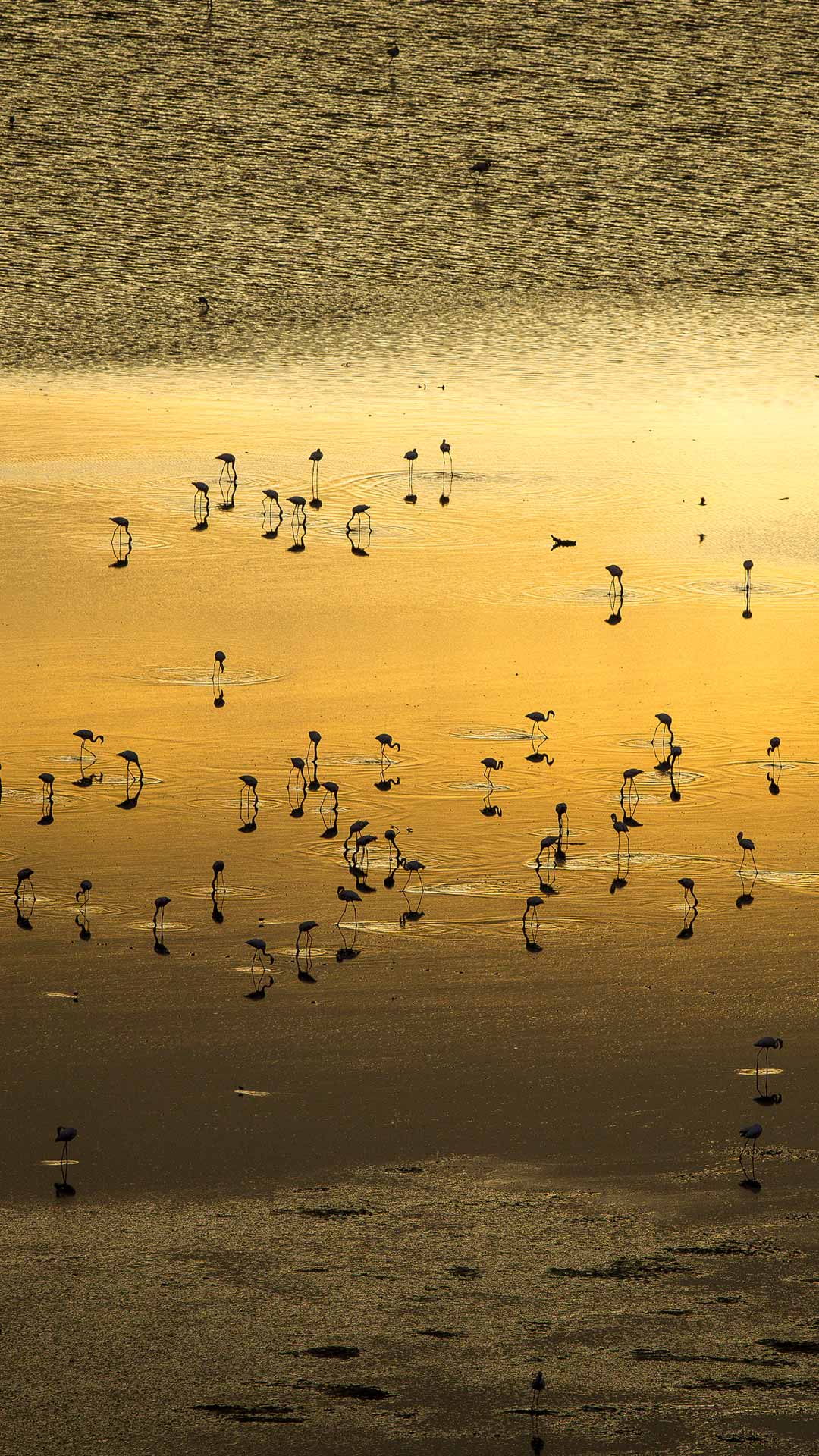
| de | • | Zwergflamingos bei Sonnenaufgang am Magadi-See, Kenia |
| en | • | Lesser flamingo flock at sunrise, Lake Magadi, Kenya |
| • | Lesser flamingo flock, Lake Magadi, Kenya | |
| es | • | Bandada de flamencos enanos al amanecer, Lago Magadi, Kenia |
| fr | • | Volée de flamants nains à l’aube, Lac Magadi, Kenya |
| it | • | Il fenicottero minore all'alba, Lago Magadi, Kenya |
| ja | • | マガディ湖, ケニア |
| pt | • | Bando de flamingos-pequenos ao nascer do sol no Lago Magadi, Quênia |
| zh | • | 日出时的小红鹳群,马加迪湖,肯尼亚 |
| (© Denis-Huot/Nature Picture Library) |
Lesser flamingo flock at sunrise, Lake Magadi, Kenya
Imagine a world without the natural wonders that hold about 90% of Earth's surface freshwater. Lakes are among our planet's most valuable resources. More than 117 million lakes cover nearly 4% of Earth's land surface, yet many face growing pressure from pollution, overuse and climate change.
Today's image shows Lake Magadi in Kenya's Great Rift Valley, where mineral-rich alkaline water supports vast blooms of algae and cyanobacteria. These microscopic organisms attract large flocks of lesser flamingos, the smallest flamingo species, which feed by filtering tiny food particles through comb-like structures in their curved bills. Their pink colour comes from pigments found in the algae they consume. Numbers at Lake Magadi change through the year as flamingos move between East Africa's alkaline lakes in search of the best feeding conditions. Along with creating a striking sunrise spectacle, these birds also highlight how closely wildlife depends on healthy lake ecosystems and the fragile balance that sustains them.
| 2026‑08‑26 ‑ | International / Brazil / Canada ‑ English / Canada ‑ French / China / France / Germany / India / Italy / Japan / United Kingdom / United States |
|---|
| de | • | Polarlichter über dem Kirkjufell, Island |
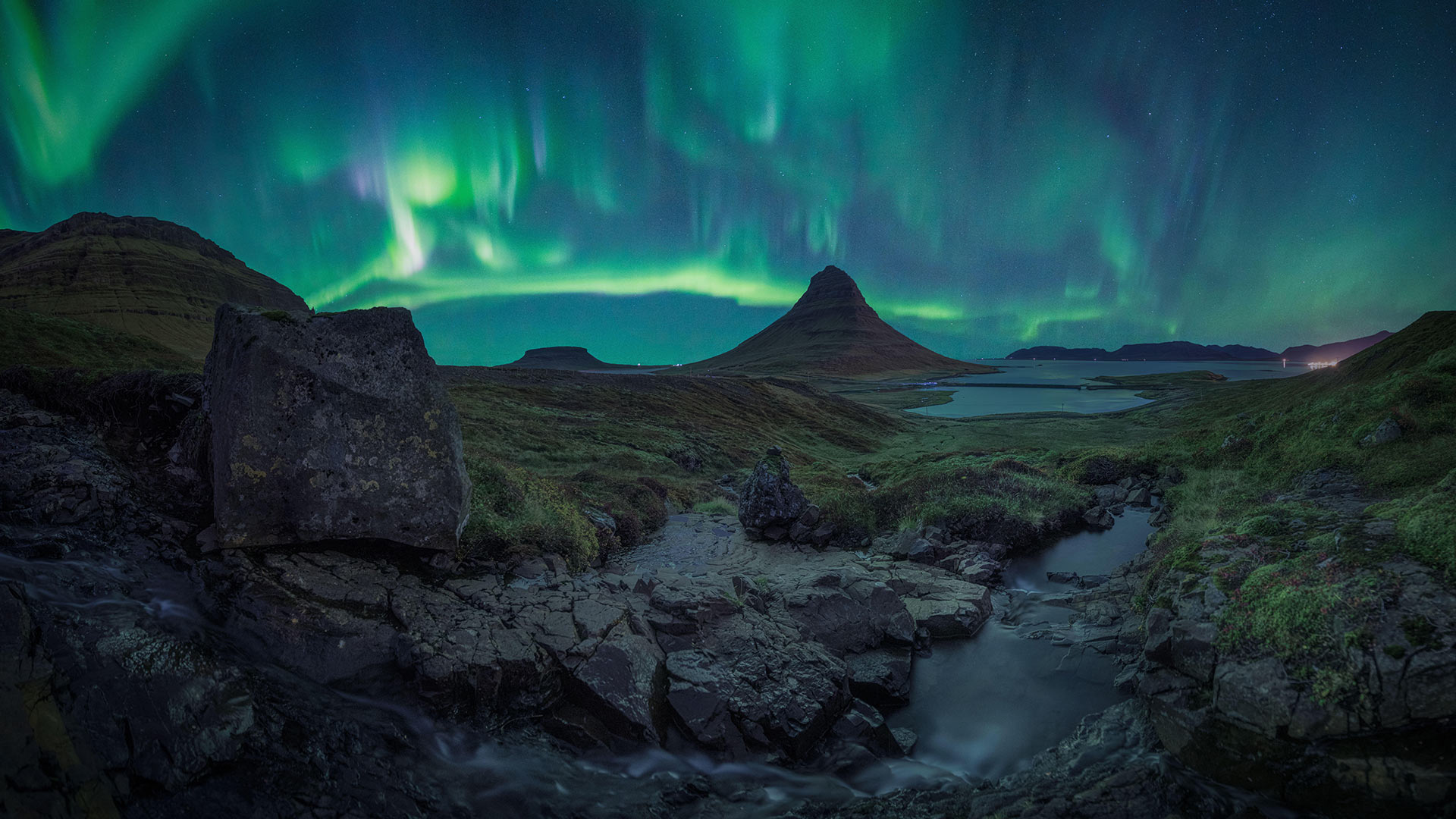
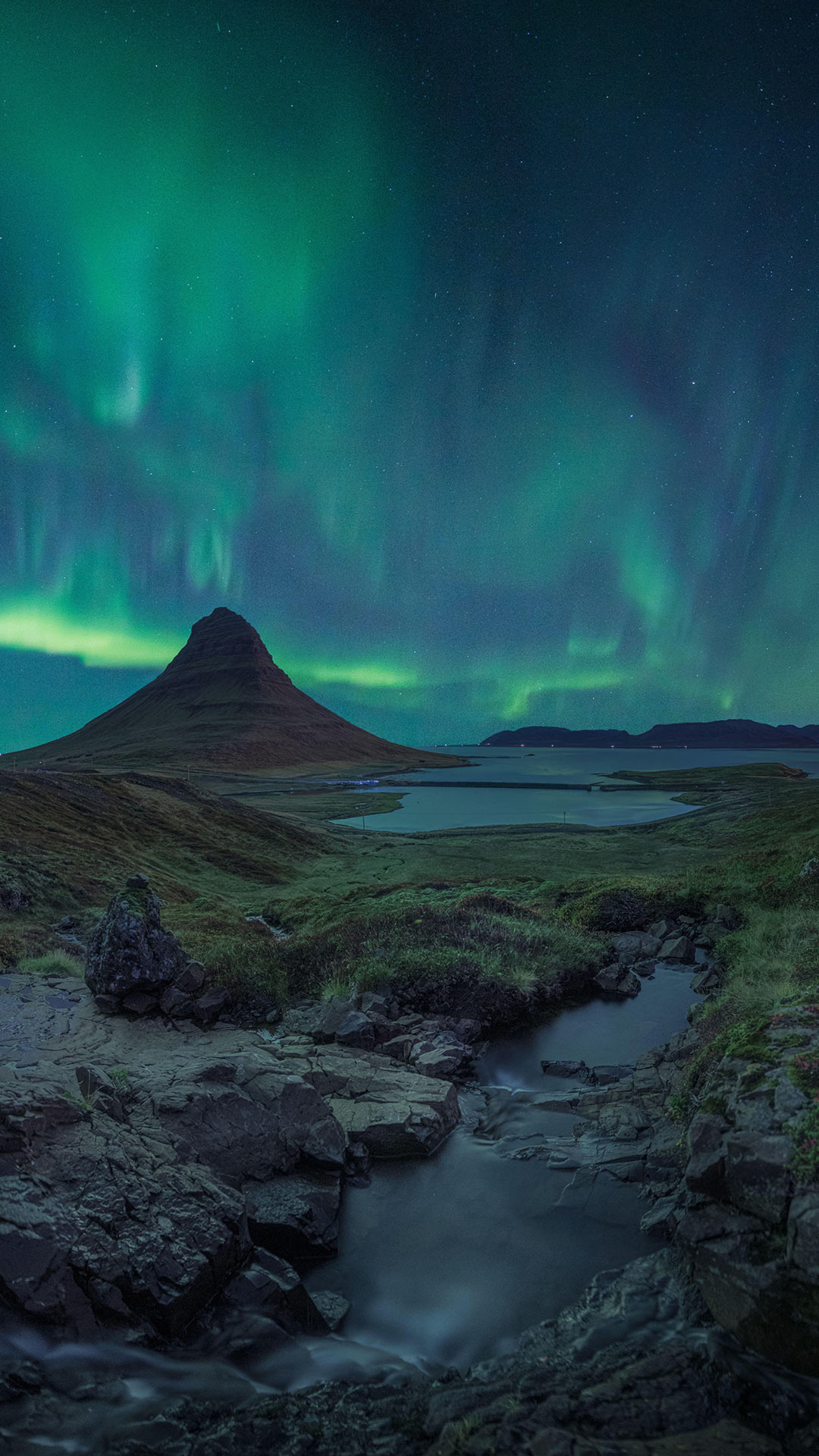
| en | • | Auroras over Kirkjufell, Iceland |
| fr | • | Aurores boréales sur Kirkjufell, Islande |
| it | • | L'aurora boreale su Kirkjufell, Islanda |
| ja | • | オーロラ, アイスランド |
| pt | • | Auroras sobre Kirkjufell, Islândia |
| zh | • | 基尔丘山上空的极光,冰岛 |
| (© Cavan Images/Alamy) |
Auroras over Kirkjufell, Iceland
As darker nights return to Iceland, visitors will soon look to the skies for a chance to see the aurora borealis. Better known as the northern lights, this luminous phenomenon occurs when particles from the sun interact with gases high in Earth's atmosphere, creating shimmering ribbons of green, pink, purple and sometimes red light. Iceland's northern location and increasingly dark autumn and winter nights make it one of the world's premier destinations for aurora viewing.
Beneath this ever-changing display stands Kirkjufell, one of the country's most photographed mountains. Its name means 'Church Mountain' in Icelandic, inspired by its church-like shape. Rising above the Snæfellsnes Peninsula, its striking silhouette and the nearby Kirkjufellsfoss waterfall have made the area a favourite of photographers and aurora seekers alike. On clear nights, the mountain, waterfall and sky align in a scene that seems almost unreal—a remarkable combination that has become one of Iceland's most iconic views.
| 2026‑08‑26 ‑ | Spain |
|---|
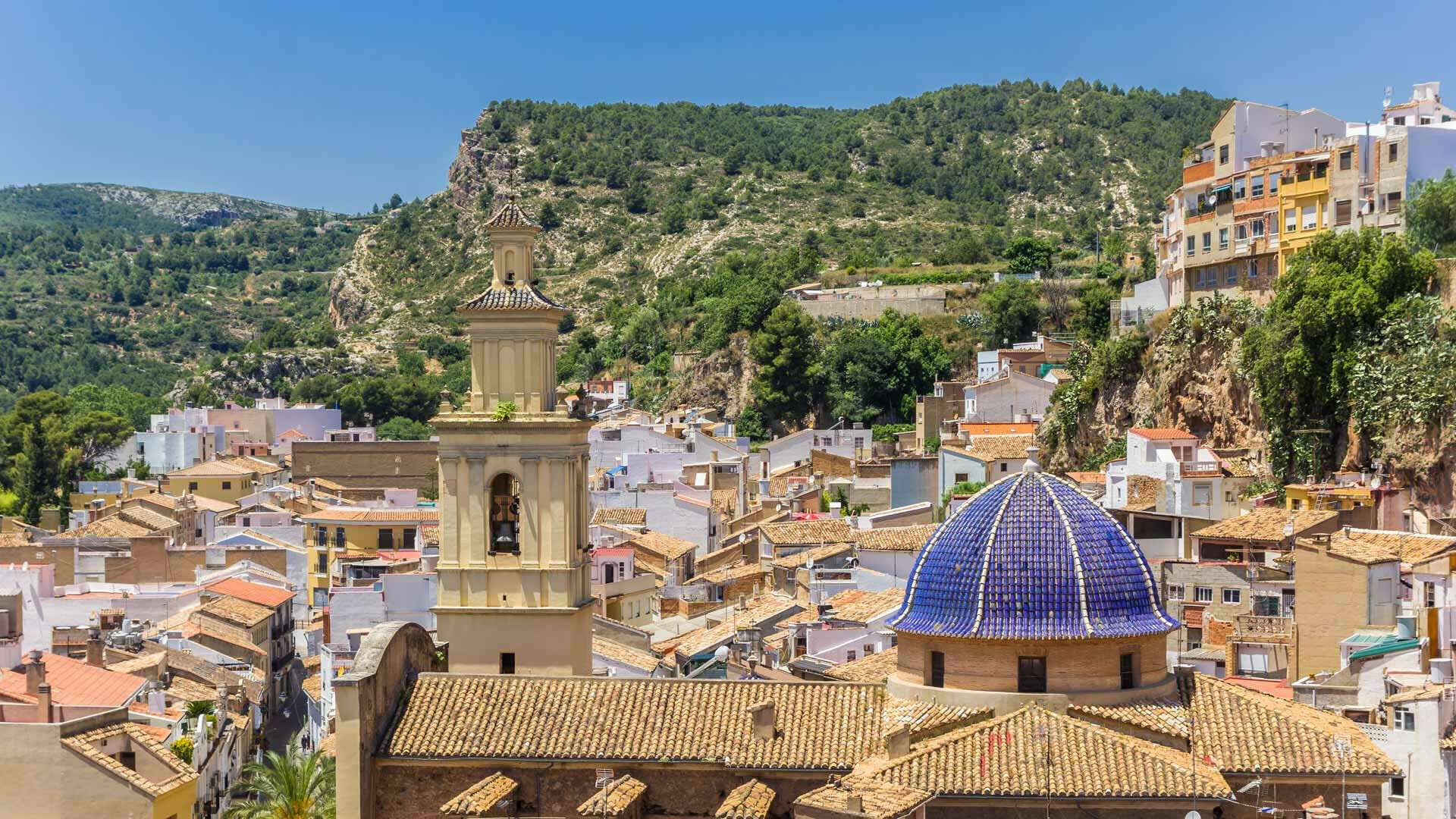
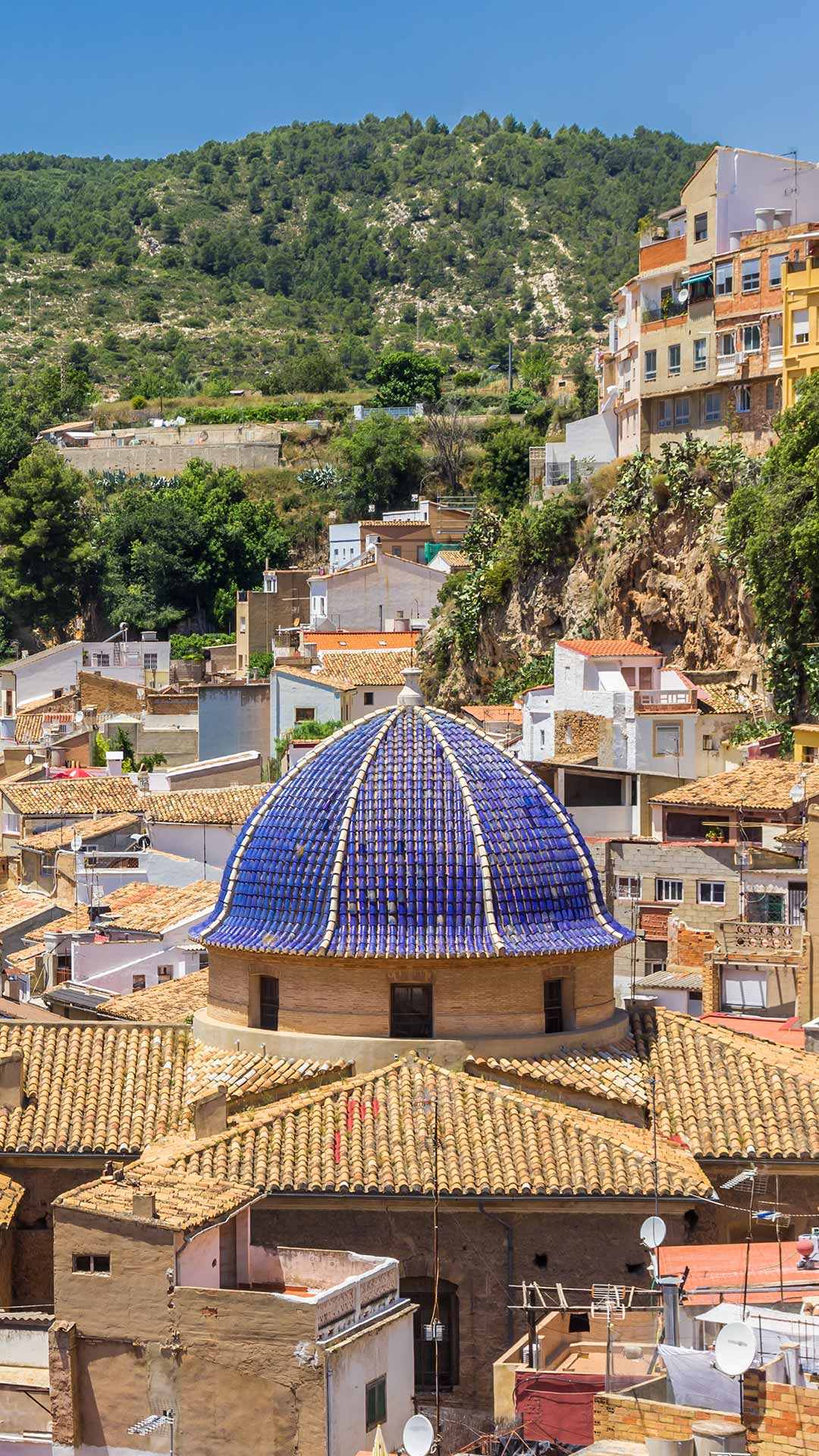
| es | • | Parroquia San Pedro Apóstol, Buñol, España |
| (© Venemama/Getty Images) |
La Tomatina de Buñol, Valencia
On the last Wednesday of August, Buñol, a Valencian municipality of less than 10,000 inhabitants located between mountains 38 kilometres from Valencia, receives more than 20,000 people for the Tomatina: an hour in which participants throw some 115,000 kilos of tomatoes through the streets of the historic centre.
It all started accidentally in 1945: during a parade of giants and big-heads, some young people caused an altercation next to a vegetable stall and the tomatoes ended up flying. What began as a spontaneous fight became a tradition, survived a ban in the 1950s – the village organised a symbolic "tomato burial" in protest – and was declared a Festival of International Tourist Interest in 2002. Before the battle, the participants try to overcome the soap stick: climb a soapy pole to reach a ham at the top. Buñol proves that the best traditions are born unintentionally.
| 2026‑08‑25 ‑ | International / Brazil / China / India / Italy / Japan / Spain / United States |
|---|
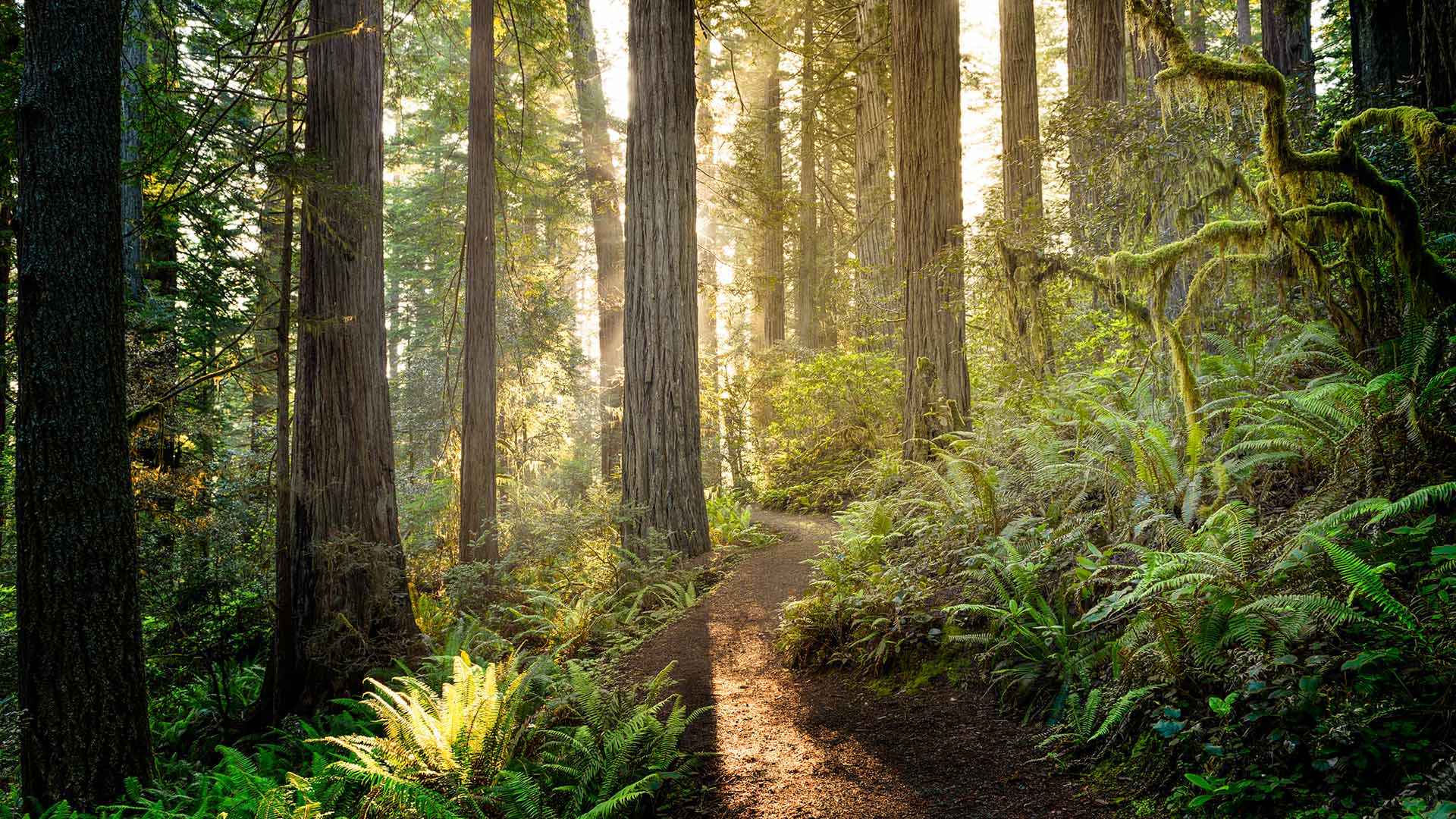
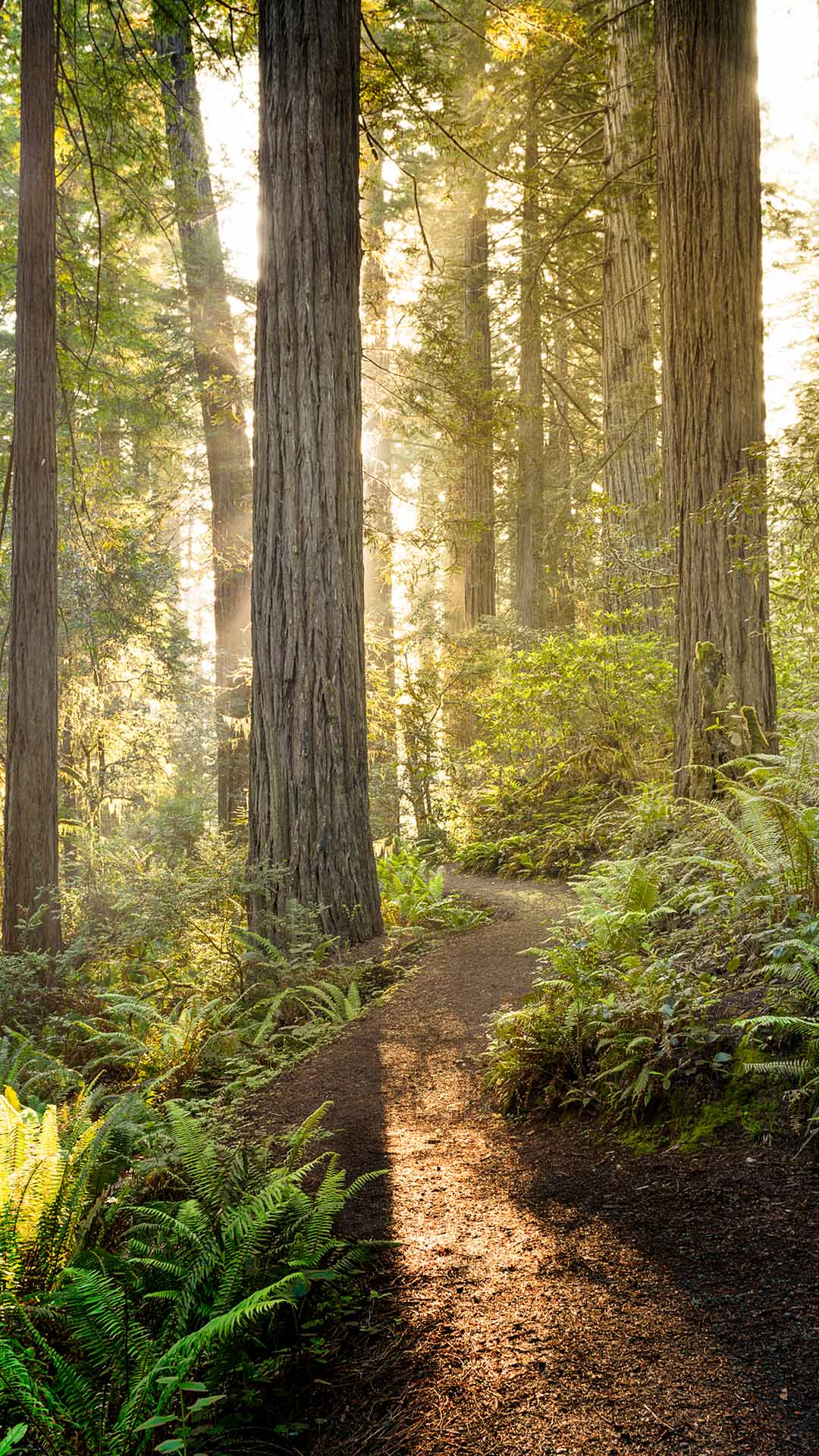
| en | • | Redwood National and State Parks, California, United States |
| • | Sunrise in Redwood National and State Parks, California | |
| • | Sunrise in Redwood National and State Parks, California, United States | |
| es | • | Parques Nacionales y Estatales de Redwood (RNSP), California, EE. UU. |
| it | • | Parchi Nazionali e Statali di Redwood, California, USA |
| ja | • | レッドウッド国立州立公園, 米国 カリフォルニア州 |
| pt | • | Nascer do sol no Parque Nacional e Estadual de Redwood, Califórnia, Estados Unidos |
| zh | • | 红木国家与州立公园的日出,加利福尼亚州,美国 |
| (© HadelProductions/Getty Images) |
Redwood National and State Parks, California, United States
The walk begins with a patch of sunlight on the trail, then the redwoods seem to close around the path. Today's image from Redwood National and State Parks in California, USA, shows the scene many visitors remember most: towering trunks, ferns underfoot and moss clinging to fallen wood. The parks take their name from the coast redwood, Sequoia sempervirens, whose thick, reddish bark helps protect it from fire. After decades of extensive logging, Redwood National Park was created in 1968 and later expanded in 1978 to strengthen protection for old-growth forests.
Together, Redwood National Park, Del Norte Coast, Jedediah Smith and Prairie Creek Redwoods state parks form Redwood National and State Parks, a globally significant redwood reserve. A quiet rustle may reveal a Roosevelt elk, while northern spotted owls, marbled murrelets, black bears and salmon also depend on these ecosystems. Visitors can spend hours hiking, camping, cycling, exploring tide pools and streams, driving scenic parkways or simply pausing beneath trees that have stood for centuries.
| 2026‑08‑25 ‑ | Germany |
|---|
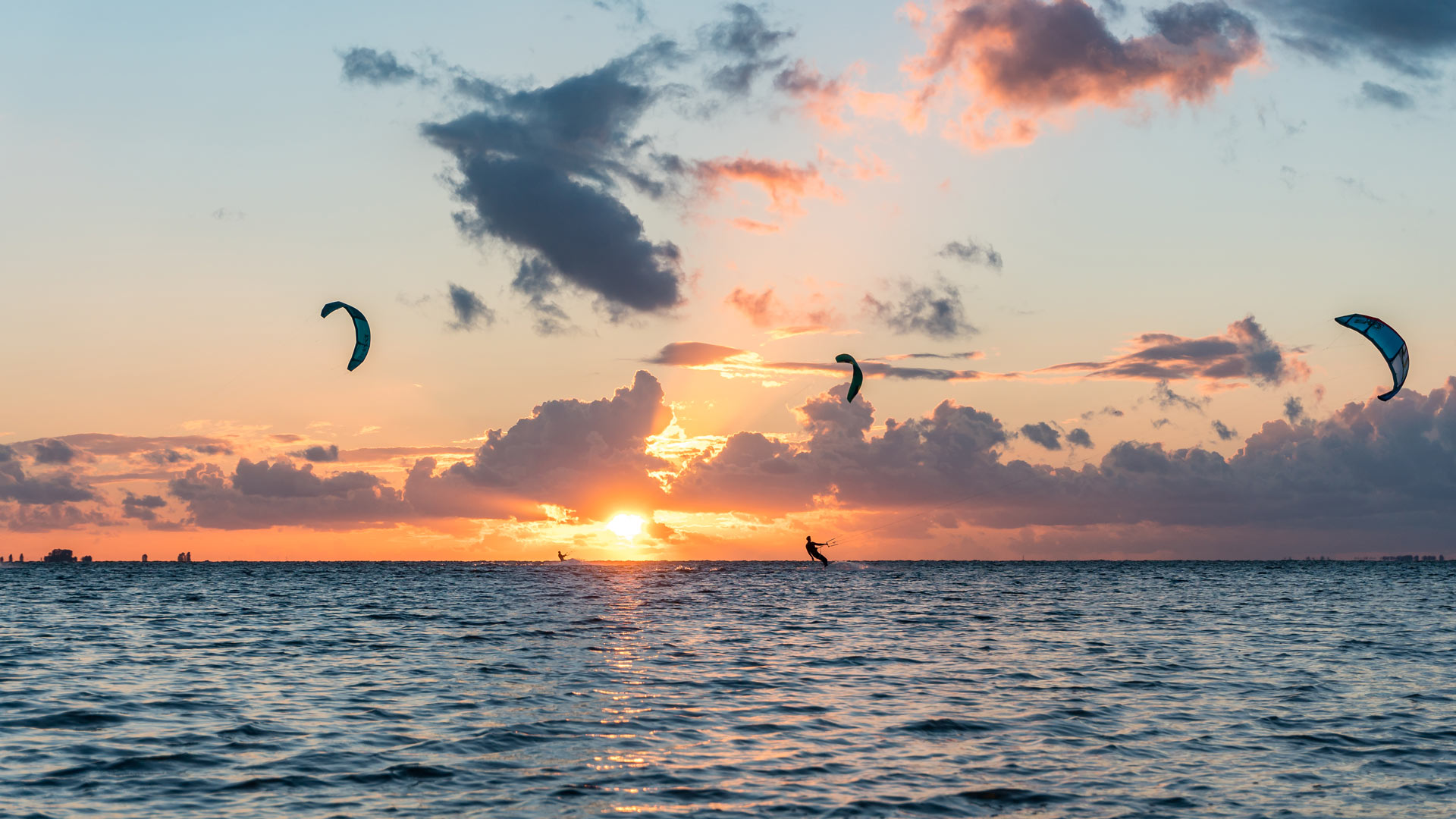
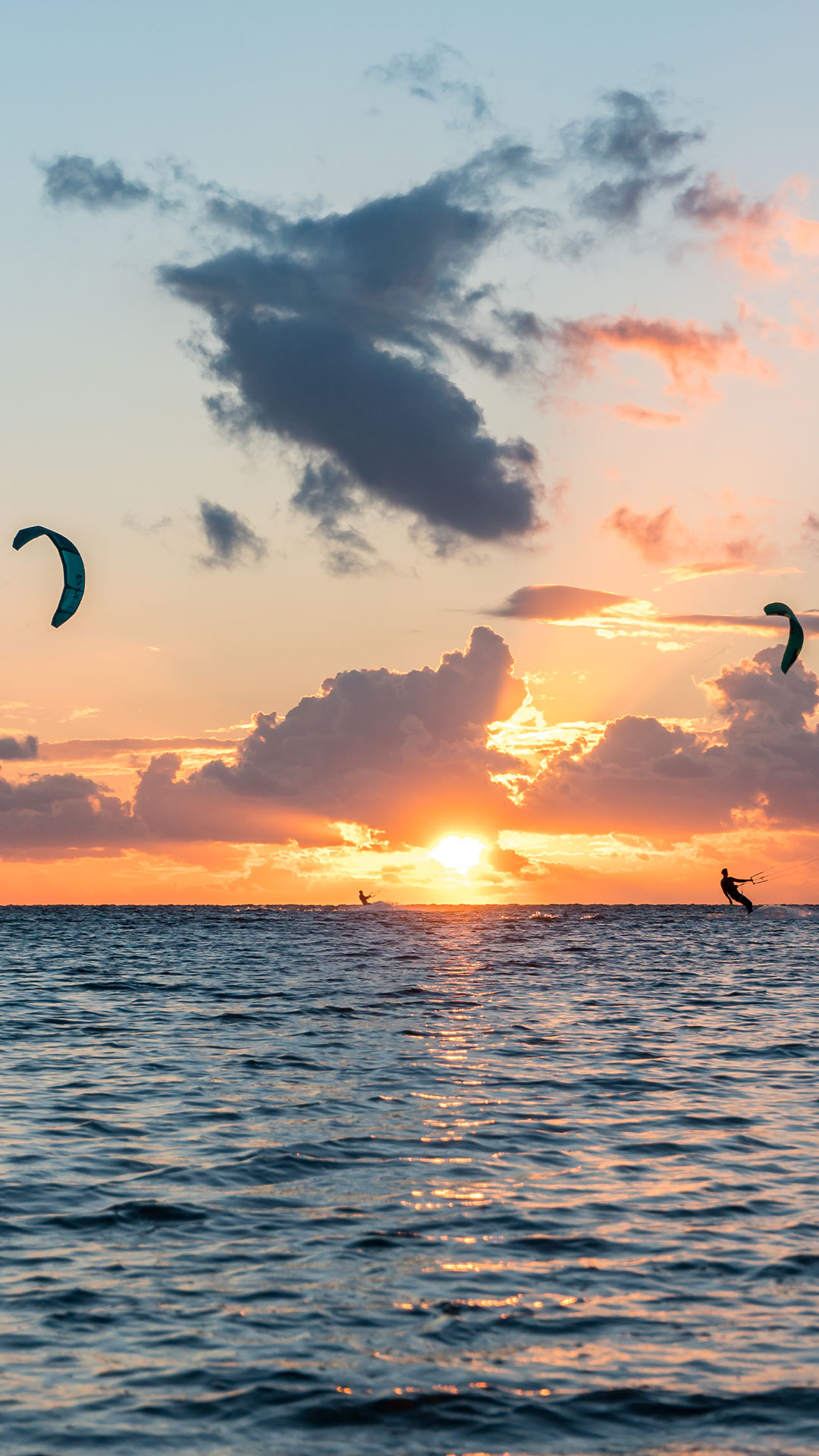
| de | • | Kitesurfer bei Sonnenuntergang in Deutschland |
| (© Jens Breuer/Getty Images) |
Kite-Surf World Cup on Sylt
In the golden light of the setting sun, kitesurfers glide over the water. The sport combines elements of surfing, sailing and wakeboarding: a large stunt kite provides the propulsion while the riders race over the waves and perform spectacular jumps and tricks. Kitesurfing originated in the 1990s and has since become a popular water sport. Whether at sea, on lakes or in lagoons - sufficient wind, skill and a good sense of the conditions on the water are crucial.
From 25 to 30 August, the sport will be the focus of the Kite-Surf World Cup on Sylt. On Germany's largest North Sea island, top international athletes meet to compete in disciplines such as wave riding and strapless freestyle. The combination of wind, waves and challenging conditions makes Sylt a popular venue and the competition an integral part of the international kitesurfing calendar. Visitors experience top-class sport against the backdrop of the North Sea.